
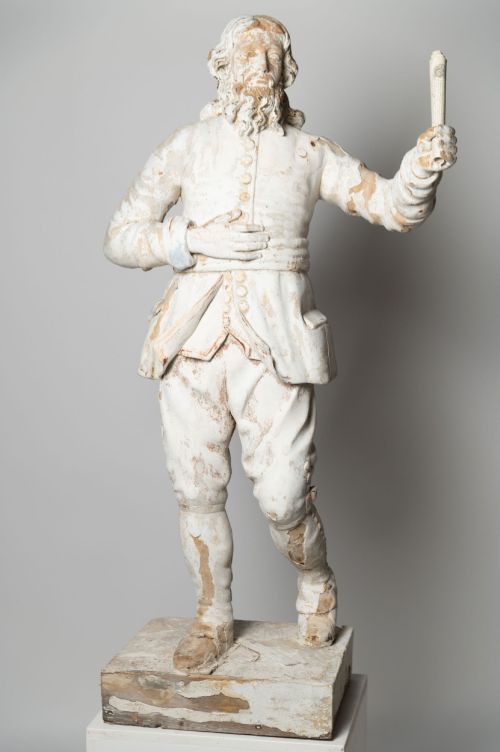
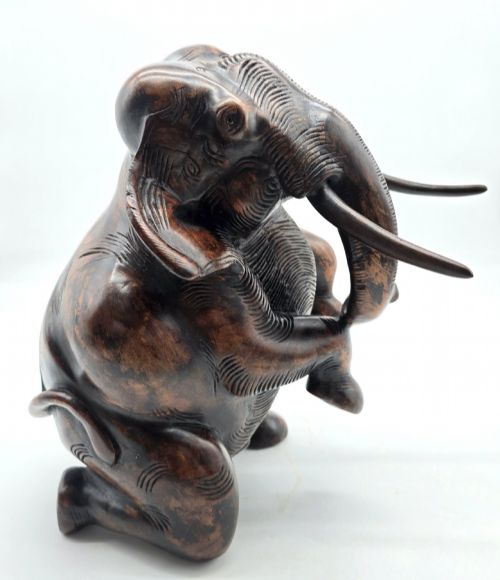
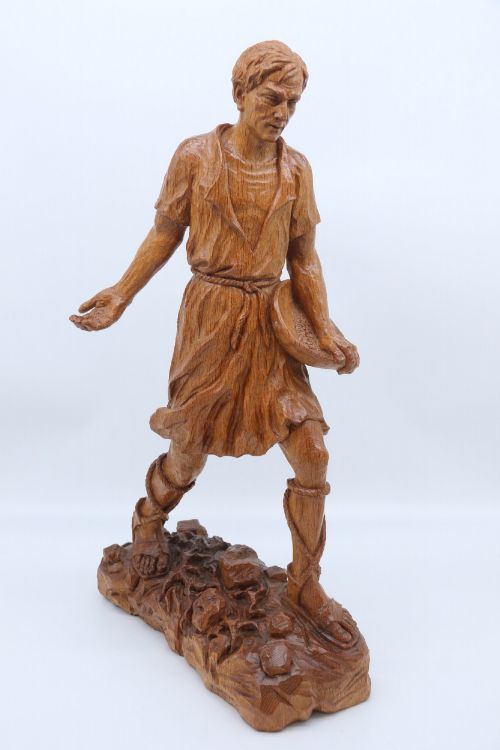


Period Carved Wooden Figurine
A period carved wooden figurine brings tactile warmth to a room, shaped by hands across the nineteenth and early twentieth centuries in boxwood, teak, and ebony.
Period Carved Wooden Figurine
A period carved wooden figurine encompasses small sculptures and statues originating from varied global traditions, spanning the nineteenth century through the Edwardian era. Buyers seeking a period carved wooden figurine encounter diverse regional interpretations, from Anglo-Indian colonial studies of elephants to Japanese Meiji period okimono and netsuke.
The selection ranges from miniature depictions of animals and deities to larger hardwood studies of farm workers and noblemen. Makers utilised local timbers such as boxwood, teak, ebony, and golden oak to render subjects with notable individuality.
Materials and carving techniques
Artisans employed dense timbers like boxwood, ebony, and hardwood to achieve crisp detail in miniature forms without splitting. Hand-carving tools such as gouges and chisels removed material grain by grain, leaving subtle tool marks visible under magnification.
Certain pieces incorporate contrasting materials like bone and horn for specific anatomical accents, while others feature painted surfaces on wood. Natural oils and wax finishes were frequently applied to seal the timber and enhance the underlying grain.
The inventory spans the nineteenth century through the nineteen twenties, incorporating Anglo-Indian, Meiji, and Arts and Crafts pieces.
Distinctions in execution
Depth of relief and undercut work reveal the carver's mastery over the medium, particularly in complex compositions involving multiple figures or intricate animal forms.
Tomochika
The Period Carved Wooden Figurine Glossary
- Okimono
- A Japanese freestanding ornamental carving intended for display on a shelf or in a tokonoma alcove. These figures often depict deities, historical figures, or animals.
- Netsuke
- A small carved toggle fastened to the end of a cord attached to a small pouch or medicine box worn on traditional Japanese garments. They feature a small hole or channel for the cord.
- Meiji Period
- The era in Japanese history spanning from eighteen sixty-eight to nineteen twelve, characterised by increased openness to Western trade and exceptional decorative arts production.
- Raj Period
- The period of British sovereignty in the Indian subcontinent, lasting from eighteen fifty-eight to nineteen forty-seven, influencing local craftsmanship directed at colonial patrons.
- Boxwood
- A dense, pale yellow hardwood prized by carvers for its fine grain and ability to hold microscopic detail without chipping.
Period Carved Wooden Figurine: Frequently Asked Questions
How do I care for wooden figures?
Keep wooden sculptures away from direct heat sources and fluctuating humidity to prevent the timber from splitting or warping over time. A gentle dusting with a soft, dry brush preserves the surface finish without stripping natural oils from the wood.
Avoid applying modern furniture polishes or silicone-based sprays, which can build up in recessed carved areas and attract dust. Professional wax can be applied sparingly if the wood appears dry.
What is an okimono?
An okimono is a Japanese decorative sculpture designed specifically for interior display rather than functional use. These carvings were placed in domestic settings to demonstrate the skill of the carver and celebrate traditional motifs.
Subjects range from folk heroes and mythical deities to observation of daily life and native wildlife. They differ from netsuke in size and lack the cord attachment holes required for fasting to garments.
How can I tell the age of a carving?
Age is assessed through the natural patina of the timber, tool marks left by the maker, and stylistic conventions associated with specific periods like the Meiji era or the Raj. Wear patterns around handling areas provide clues to the age and frequency of use.
Comparative analysis with documented pieces from the same regional tradition helps establish a reliable timeframe for creation.
Why are some figures signed?
Signatures on Japanese works and certain Western carvings indicate the artist or workshop responsible for the creation. Master carvers often inscribed their names directly into the base or integrated them into the composition.
A signature adds documented provenance but must be evaluated alongside the quality of the carving itself to understand its place within the period.