



European Carved Timber Figure
A European carved timber figure brings centuries of hand-tool work, sacred iconography and regional craft directly into a modern room.
European Carved Timber Figure
A European carved timber figure represents carved wood and painted forms produced across the continent from the sixteenth century into the twentieth. When you search for a European carved timber figure, you encounter diverse domestic and religious sculptures shaped by folk traditions, ecclesiastical workshops and classical taste.
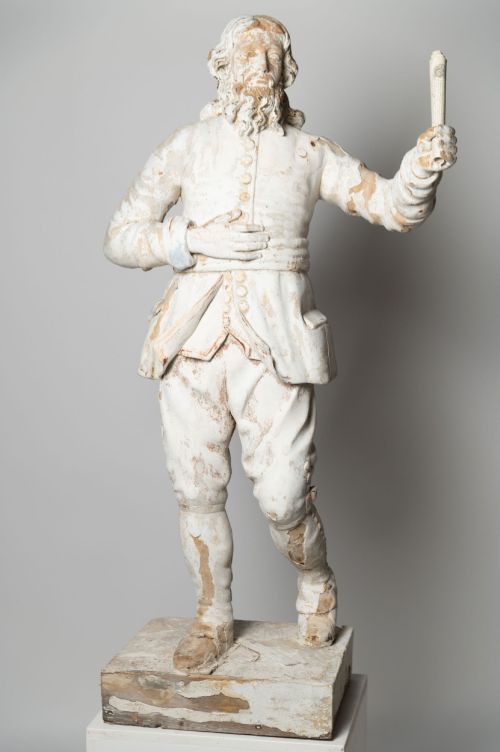
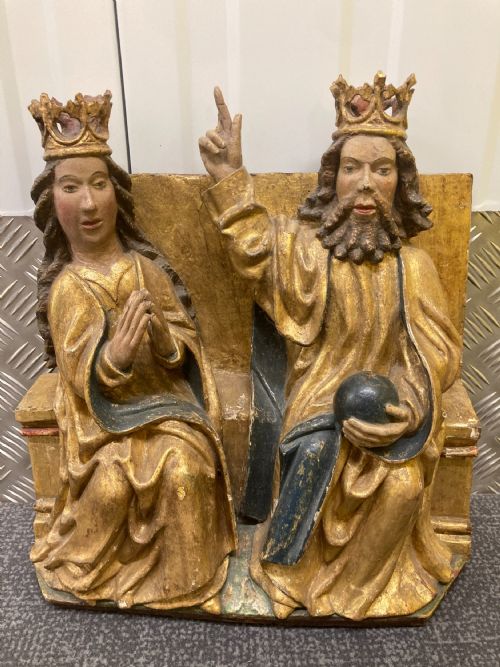
The selections available here span from sixteenth-century oak saints and giltwood devotional groups to eighteenth-century religious statues, folk art figures and nineteenth-century noblemen. Continental Baroque, Renaissance and Neoclassical styles appear alongside simpler folk art interpretations.
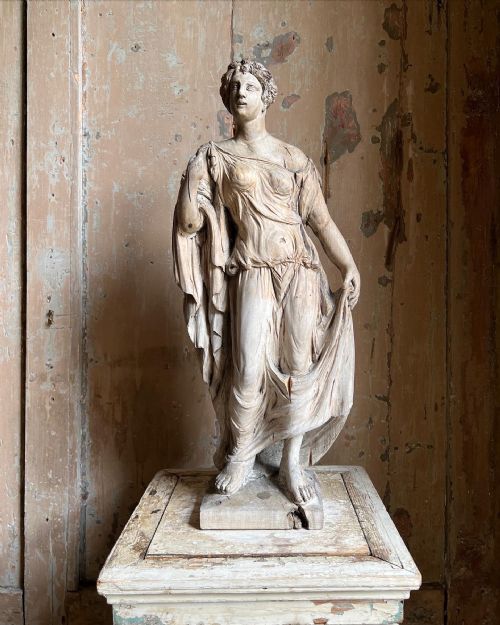
Religious statuary and ecclesiastical carvings dominate the earlier periods, while secular subjects such as flower sellers, night watchmen and classical deities emerge in later centuries. Forms range from life-sized representations down to tabletop figurines and sculptural floor lamps.
Materials and construction methods
Carpenters and sculptors utilised native timbers such as oak, limewood and general hardwoods, carving the solid blocks directly by hand with gouges and chisels. Grain direction dictated the depth of relief and the treatment of drapery folds.
Many surfaces received layers of gesso before painters applied polychrome pigments, metallic leaf or gold leaf to enhance the visual impact of the carving. These skin treatments often survived underneath later layers of preservation or dirt.
Listings feature periods spanning from the sixteenth century through to 1940, incorporating oak, limewood, gesso and gold leaf.
Distinctions in quality
The finesse of the hand-carving defines the upper tier of these pieces, particularly in the rendering of facial expressions, hair strands and the natural fall of textile drapery. Lesser examples rely on stiff, repetitive tool marks and rudimentary proportions.
The survival and integrity of original polychrome paint, gesso and gilding separates exceptional pieces from those stripped down or heavily overpainted during later centuries.
The European Carved Timber Figure Glossary
- Polychrome paint
- Pigments applied in multiple colours directly to wood or gesso surfaces. This finish frequently defines early religious statuary.
- Giltwood
- Timber coated with a thin layer of gold leaf or gold paint. It adds luminosity to Renaissance and Baroque ecclesiastical groups.
- Gesso
- A plaster-like preparation mixture used as a smooth base for paint or gold leaf on carved wooden objects. It seals the timber grain.
- Ecclesiastical
- Relating to the Christian Church or clergy. Much early timber carving originated to furnish chapels and abbeys.
European Carved Timber Figure: Frequently Asked Questions
How do I date a carved wooden figure?
Dating relies on tool marks, timber selection, stylistic conventions and the composition of underlying surface treatments like gesso and pigment. Early pieces often show distinct hand-adze marks and dense oak construction.
Later folk art pieces and twentieth-century works utilise different finishing standards and wood preparation methods that help separate them from sixteenth or seventeenth-century devotional pieces.
Were these figures always painted?
Many sculptures were originally finished with gesso and polychrome paint, sometimes accented with gold leaf to simulate rich vestments and lifelike flesh tones. Over the centuries, some owners stripped these finishes away to expose the bare timber grain.
Both painted and unpainted surfaces appear across the periods, reflecting changing aesthetic preferences from the Renaissance onwards.
How do I clean an old timber figure?
Dusting gently with a soft, dry brush remains the safest method for maintaining antique carved wood without disturbing fragile paint or gesso layers. Moisture and modern chemical polishes must be avoided entirely.
Professional conservators should handle any structural stabilisation or deep cleaning to protect the historical surface integrity.
Where were these statues originally displayed?
Religious statues and group carvings were created for churches, domestic household shrines, or monastic chapels as focal points for contemplation and prayer. Secular figures and classical subjects adorned grand country houses or domestic interiors.
Today, these sculptures function as standalone decorative art pieces in modern residential settings.