



Antique Articulated Mannequin
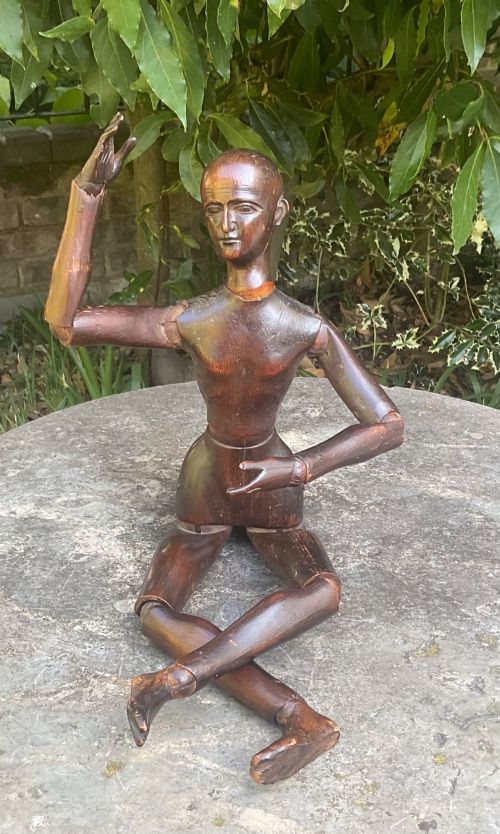
An antique articulated mannequin offers the sculptor, painter, or collector a sculptural study of form and posture.
Antique Articulated Mannequin
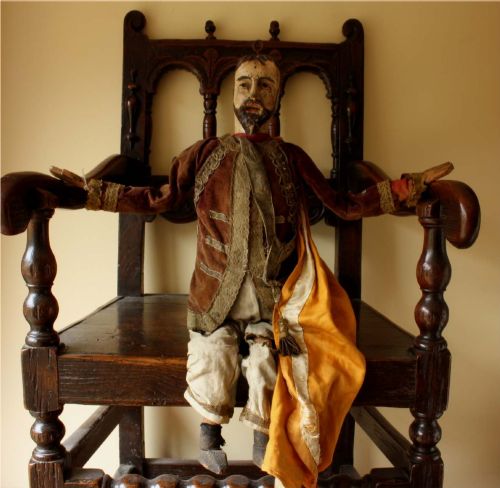
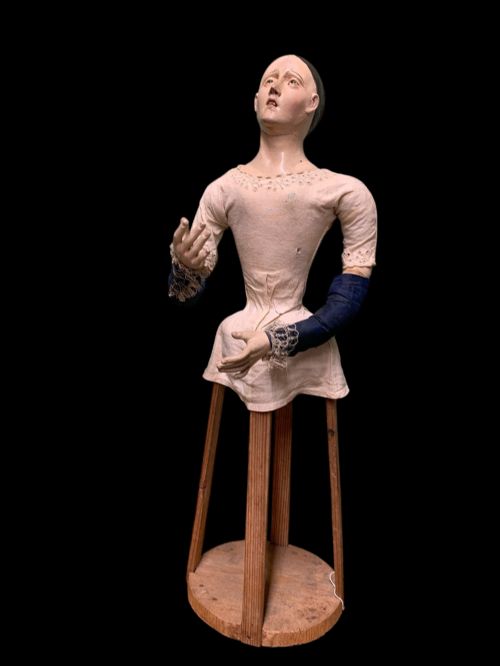
When you search for an antique articulated mannequin, you find sculptural objects created for artists, shop displays, and religious processions spanning the eighteenth century to the early twentieth century. These figures appear in various forms including artist lay figures, shop mannequins, and processional figures.
The pieces on this page originate predominantly from French and Italian traditions, with dates ranging from the eighteenth century through the nineteenth century and into the 1920s and 1930s. Forms vary from table-top artist dolls to life-size figures mounted on stands.
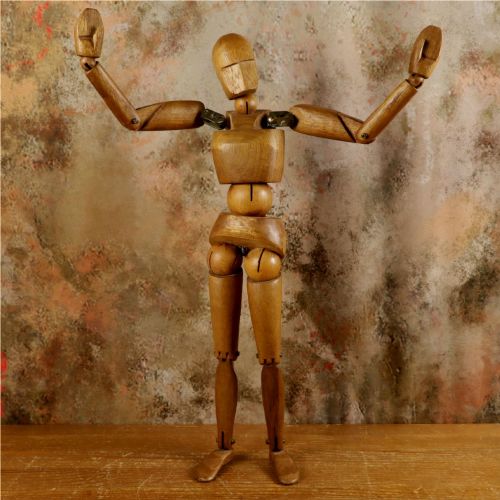
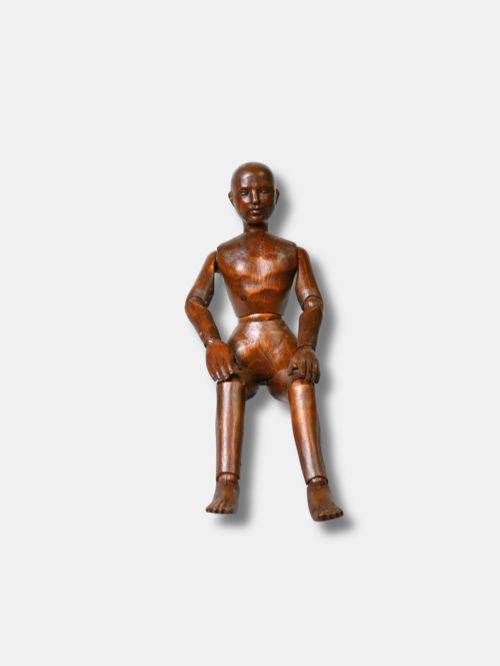
The most common versions met here are wooden artist lay figures and processional figures carved by hand, often retaining their original joints and proportions intended for studying drapery and movement.
Materials and construction
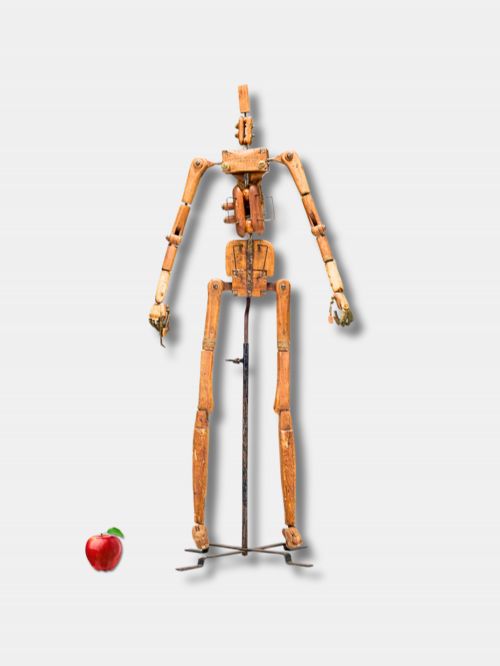
Makers shaped these figures primarily from carved wood, teak, and terracotta, utilising iron and metal for internal joints and structural support on stands.
Surface treatments and coverings incorporate leather, linen, lace, and polychrome finishes, particularly on processional figures and cloth vintage shop mannequins.
Antique Articulated Mannequin Retail Price Guide 2026
Typical asking prices for articulated mannequin among the pieces listed under this phrase on Sellingantiques today, from the lower quarter to the upper quarter. They describe what is for sale here now, not the wider market.
Listings feature items spanning the eighteenth century, nineteenth century, and early twentieth century, utilising wood, metal, terracotta, and textiles.
Assessing quality and craftsmanship
The distinction between standard examples and superior pieces rests in the intricacy of the carving, particularly the articulation of the joints and the naturalism of the human form.
Original surface finishes, untouched patination, and the retention of working mechanical joints elevate an object above later or heavily restored equivalents.
Francois pierre Guillois
The Antique Articulated Mannequin Glossary
- Artist lay figure
- A jointed wooden or composition doll used by artists as a model for arranging clothing and studying the human form. These objects range from small table-top models to life-size figures.
- Articulated
- Having joints or segments connected in a way that allows motion. In these figures, wooden limbs move at the shoulders, elbows, hips, and knees.
- Terracotta
- A porous red-brown earthenware used for modelling sculptural figures and shop displays. It provides a dense base for painted or fabric finishes.
- Polychrome
- Painted or decorated in several colours. This finish appears frequently on devotional and processional figures from European traditions.
Antique Articulated Mannequin: Frequently Asked Questions
What is an artist lay figure?
An artist lay figure is a jointed wooden model utilised by painters and sculptors to study drapery, shadow, and anatomy. These objects allowed artists to work from a stable three-dimensional reference in the studio.
They appear in various sizes, from compact desk models to life-size versions mounted on wooden stands.
How were processional mannequins used?
Processional mannequins served a religious function in church ceremonies, often dressed in elaborate garments and carried through the streets during festivals. Makers carved them with attention to facial expression and hand positioning.
These figures frequently combine carved wood elements with traditional fabrics like linen and lace.
How do I care for antique wood and cloth?
Maintaining these pieces requires stable indoor humidity and protection from direct sunlight to preserve the wood, leather, and textiles. Gentle dusting with a soft brush keeps the surface clean without disturbing the patination.
Avoid applying modern cleaning agents or oils to the painted or polished surfaces.
Are shop mannequins different from artist models?
Shop mannequins were constructed for commercial display in windows and retail spaces rather than studio drawing sessions. They often incorporate cloth, terracotta, or metal alongside wooden components.
Their proportions and materials reflect the fashion and display requirements of their specific decade of manufacture.