


Antique Flower Plate
When you search for an antique flower plate, you are looking at centuries of botanical illustration and ceramic artistry translated onto tableware.
Antique Flower Plate
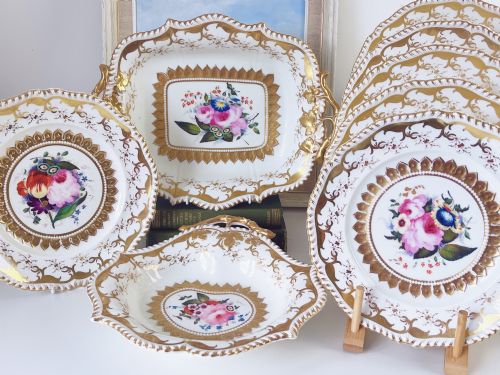
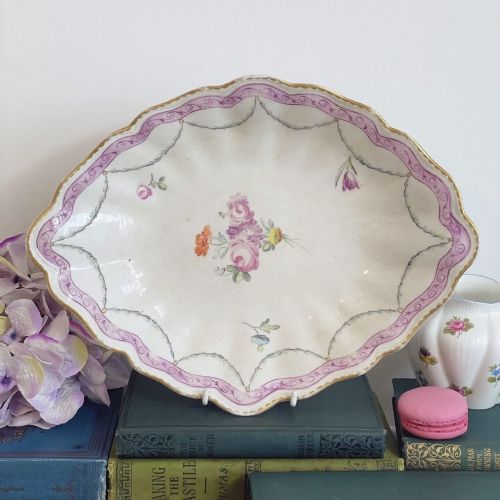
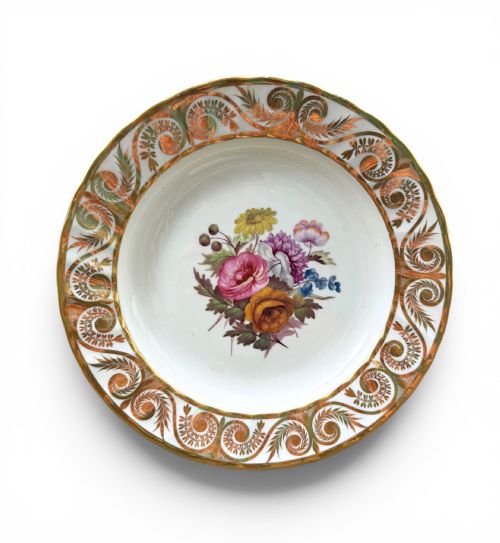
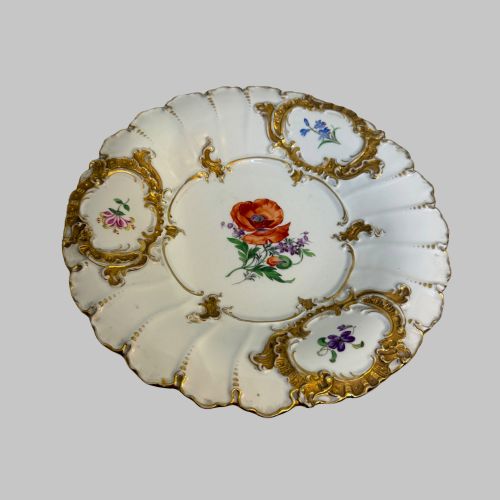
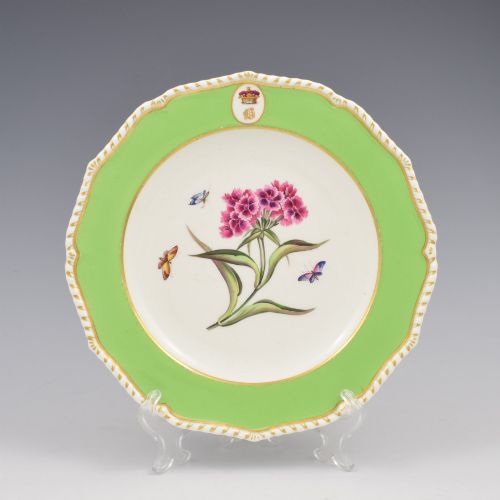
An antique flower plate encompasses a range of ceramic and porcelain tableware decorated with botanical subjects, spanning English factories like Derby, Coalport and Grainger Worcester alongside continental European porcelain. These pieces were utilised both as functional dessert or cabinet services and as purely decorative items for display in the home.
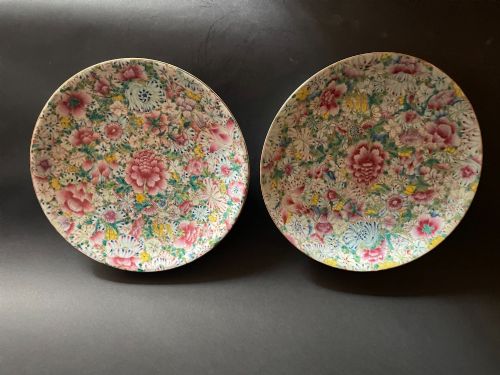
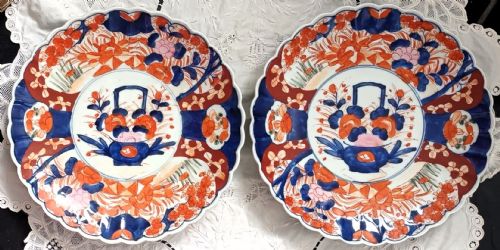
You will frequently encounter English porcelain dessert plates from the eighteenth and nineteenth centuries featuring handpainted polychrome blooms, alongside Japanese Imari porcelain plates and chargers from the Meiji period. European enamel and Dutch Delft earthenware also appear frequently within this category, expanding the forms beyond standard plates to include serving dishes and decorative chargers.
The selection ranges from single cabinet plates bearing botanical specimens with gilt borders to matched sets intended for formal dining. Makers applied these floral motifs across various shapes, including shell-edged dishes, round chargers and scalloped forms.
How they were made
Potters shaped these vessels using hard-paste or soft-paste porcelain, earthenware, or copper foundations for enamel and cloisonne work. Artisans then applied glazes, gold leaf and handpainted pigments before firing the pieces in kilns to fix the colours.
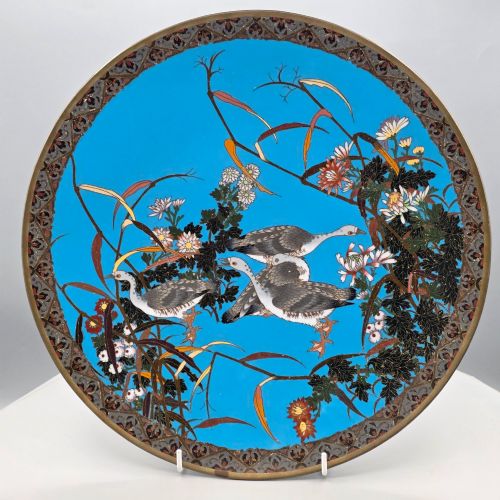
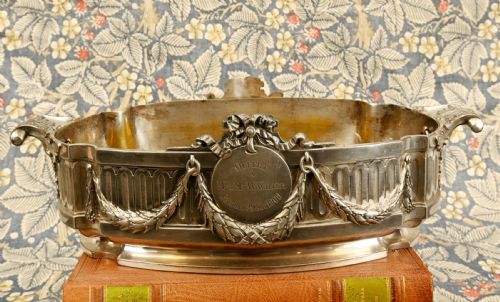
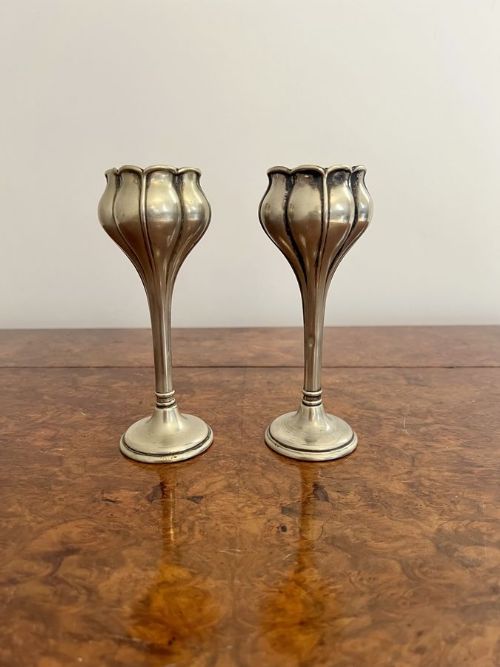
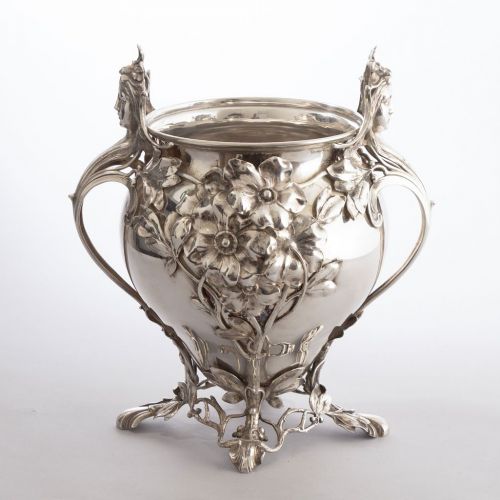
Metal items in this category utilise silver plate over copper or base metals, shaped through casting, chasing and engraving with floral and fern motifs. Cloisonne examples incorporate fine metal wires on copper or porcelain bodies to create partitioned cells for enamel powders.
Listings feature porcelain, silver plate, enamel, and cut glass across periods spanning the eighteenth, nineteenth, and early twentieth centuries.
What varies in quality
The precision and artistry of the handpainted decoration dictate the upper tiers of quality, particularly where botanical studies show fine brushwork and accurate botanical detail rather than repetitive transfer printing. Porcelain bodies with crisp moulding, clean white grounds and well-preserved gilding command greater attention from collectors.
Material composition and technique also distinguish finer examples, such as the complexity of Japanese cloisonne wiring or the weight and depth of silver plating on metal centrepieces and vases. Factory marks, artist signatures and provenance further elevate specific pieces above standard domestic wares.
Grainger Lee And Co·Derby·Meissen·WMF·Walker And Hall·Royal Worcester·Coalport·Minton·Ridgway·Copeland
The Antique Flower Plate Glossary
- Cabinet plate
- A decorative plate intended for display in a cabinet or on a wall rather than for everyday dining use. These pieces often feature superior handpainted artwork and extensive gilding.
- Polychrome
- Decoration employing multiple distinct colours, typically seen in handpainted floral enamels and ceramic glazes. This technique allows for realistic depictions of petals and foliage.
- Imari
- A style of Japanese porcelain featuring a distinct palette of underglaze blue, iron red, and gilt highlights. The designs frequently incorporate floral and brocade motifs.
- Cloisonne
- A metalwork technique where wires are soldered to a body to create cells that are filled with enamel paste and fired. Japanese examples from the Meiji period are particularly noted for this work.
- Gilt
- A thin layer of gold applied to the surface of porcelain, metal, or wood. It highlights rims, handles, and borders on plates and serving dishes.
Antique Flower Plate: Frequently Asked Questions
What is an antique flower plate used for?
These plates served multiple functions across different periods, starting as formal dessert service pieces for wealthy households during the eighteenth and nineteenth centuries. Later examples were increasingly produced solely as cabinet plates for visual display.
Today, collectors use them to add historical colour to dining arrangements or mount them on walls as decorative art. Their varied sizes mean they function equally well as small serving dishes or focal points in cabinet displays.
How do I date an antique porcelain plate?
Dating relies on examining factory marks stamped or painted on the underside, the style of the handpainted botanical artwork, and the shape of the ceramic body. Early nineteenth-century English plates often feature handwritten pattern numbers and title inscriptions in script.
Material characteristics such as glaze texture, crazing, and the presence of gilt borders also provide clear indicators of period. Comparing pieces against documented factory mark registers helps narrow down the decade of production.
Are Japanese Imari plates considered flower plates?
Japanese Imari plates frequently incorporate dense floral panels, foliage, and blossom motifs alongside traditional brocade patterns. While not exclusively botanical studies in the European manner, their decorative schemes rely heavily on floral imagery.
Meiji period Imari chargers and dishes appear often in this category due to their prominent use of flower and plant compositions. Collectors appreciate them for their vibrant palette and detailed ornamentation.