




Antique Flower Engraving
These antique flower engraving pieces bring botanical artistry and fine metalwork into your home, offering a glimpse into centuries of dedicated craftsmanship.
Antique Flower Engraving
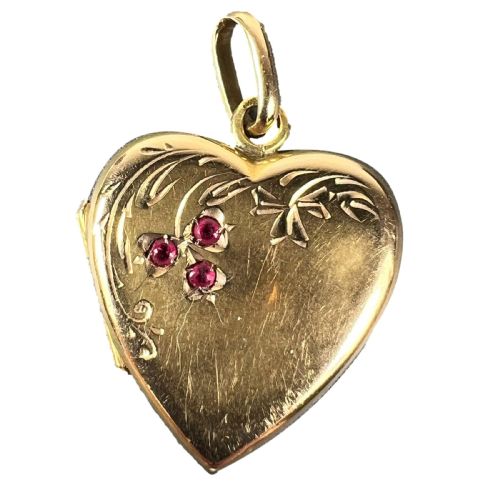
When you search for antique flower engraving, you are looking at an array of decorative objects, jewellery, and prints spanning the nineteenth and twentieth centuries. These items range from delicate lockets and pendants adorned with floral motifs to wheel-engraved glass vases and hand-coloured botanical prints.
The most common forms you will encounter on this page include gold lockets featuring chased roses and wreaths, alongside silver and bronze vases decorated with floral designs. Paper prints and engravings also appear, capturing botanical subjects with precise detail.
Originating from periods such as the Victorian era, the Meiji period, and the early twentieth century, these pieces reflect diverse cultural approaches to botanical ornamentation. From French gold medals to English crystal jugs, each item showcases the enduring appeal of floral iconography across different mediums.
How They Were Made
The creation of these pieces relies heavily on precise hand-carving, chasing, and wheel engraving techniques applied to metals, glass, and paper. Artisans utilised sharp tools to cut intricate floral patterns directly into surfaces, whether incising feathers and petals into gold lockets or deepening lines into bronze vessels.
Materials span precious metals like yellow gold and sterling silver, alongside durable bronze, crystal glass, and paper. Many paper works incorporate hand-colouring to bring botanical subjects to life, while metal items often combine engraving with enamel work or gemstone settings.
Philosophers share space with flora here, as an engraved glass vase portrays the Greek thinker Socrates alongside botanical specimens.
What Varies In Quality
Quality in these items is determined by the depth and clarity of the engraved lines, where finer, more confident cuts distinguish superior pieces from simpler work. The precision of botanical representation and the balance of the overall composition also play a significant role in setting examples apart.
The choice and preservation of materials influence the standing of each piece, with intact enamel, clear crystal, and well-preserved paper retaining their intended visual impact. Superior execution in mounting stones or finishing metal surfaces elevates the character of jewellery and decorative objects alike.
Ando Jubei·Georg Wolfgang Knorr·George Dionysius Ehert
The Antique Flower Engraving Glossary
- Engraving
- The process of cutting design lines into a hard surface using a sharp metal tool called a burin. This technique creates permanent decorative details on metal, glass, or printing plates.
- Chasing
- A metalworking technique where a design is hammered and pushed into the front surface of a metal object rather than cut away. It is often combined with repoussé work to give depth to floral motifs.
- Cloisonné
- An ancient technique for decorating metalwork objects with colourful material held in place by thin metal strips soldered to the base. It frequently appears alongside engraved elements on decorative vessels.
- Botanical engraving
- A printed image created from an engraved plate that depicts plant species with scientific accuracy and artistic detail. These prints are often hand-coloured to enhance their visual fidelity.
Antique Flower Engraving: Frequently Asked Questions
What periods do these pieces come from?
The items listed span from the eighteenth century through to the mid-twentieth century. You will find pieces originating from the Victorian era, the Meiji period, and the early nineteen-hundreds.
Each period brings distinct stylistic traits, reflecting the decorative preferences and manufacturing capabilities of its time.
How were botanical engravings produced?
Botanical engravings were created by artists carving plant illustrations onto metal plates. These plates were then inked and pressed onto paper to produce the primary image.
Many prints received additional hand-colouring using watercolour pigments to accurately portray the hues of the natural flowers and leaves.
Are antique gold lockets suitable for daily wear?
Antique gold lockets can be worn regularly provided they are handled with care. The intricate floral engravings on the surface require protection from heavy knocks and abrasive materials.
It is advisable to remove such jewellery during physical activities or housework to preserve the fine chased and engraved details.