

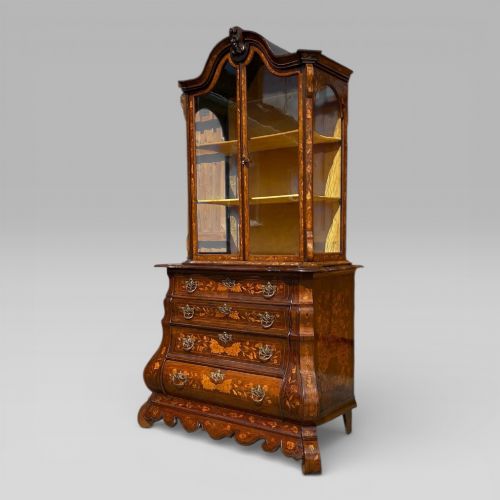


Antique Floral Vitrine
An antique floral vitrine brings intricate botanical marquetry and glazed display space together to showcase prized possessions.
Antique Floral Vitrine
An antique floral vitrine brings together glazed display enclosures and elaborate wood inlay depicting botanical motifs. Buyers searching this phrase look for cabinets designed to protect and exhibit porcelain, glassware and curiosities while adding decorative impact to a room.
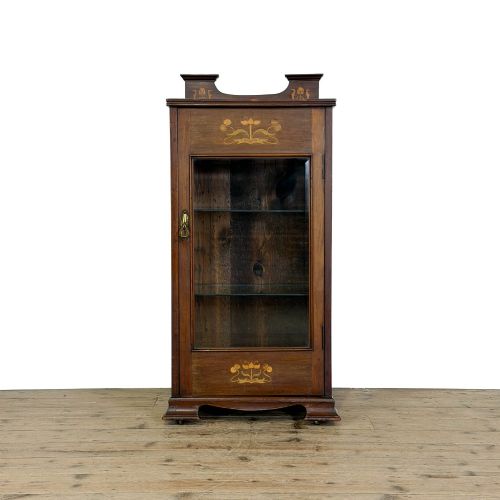
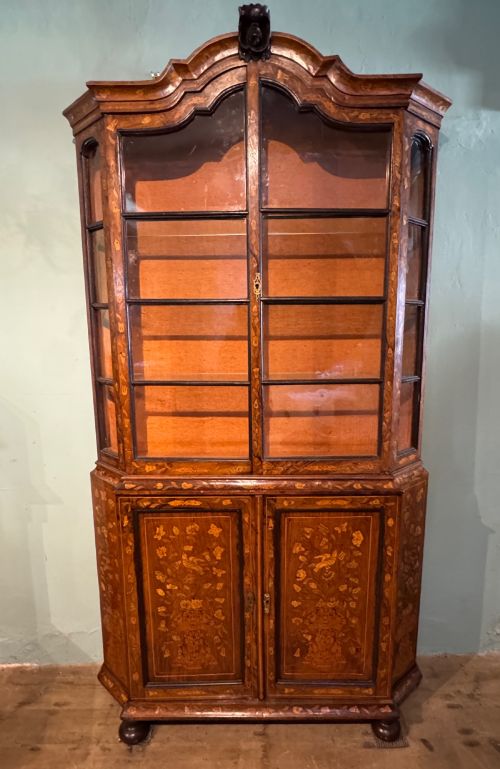
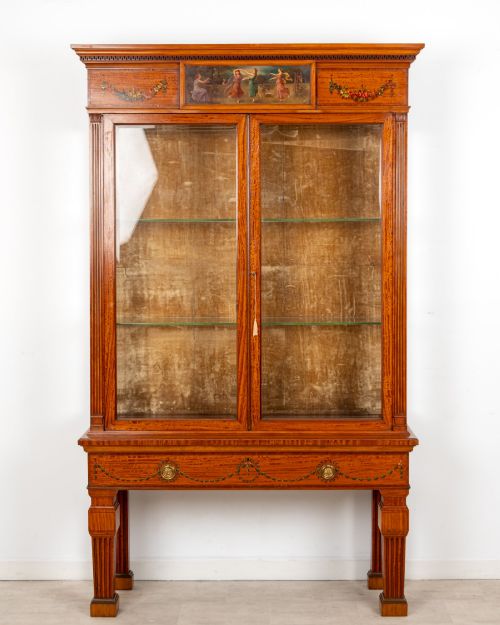
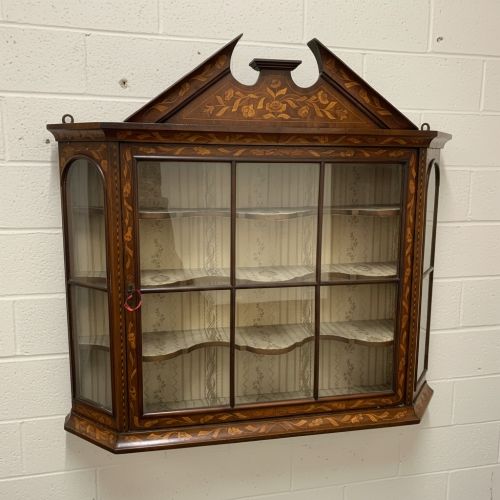
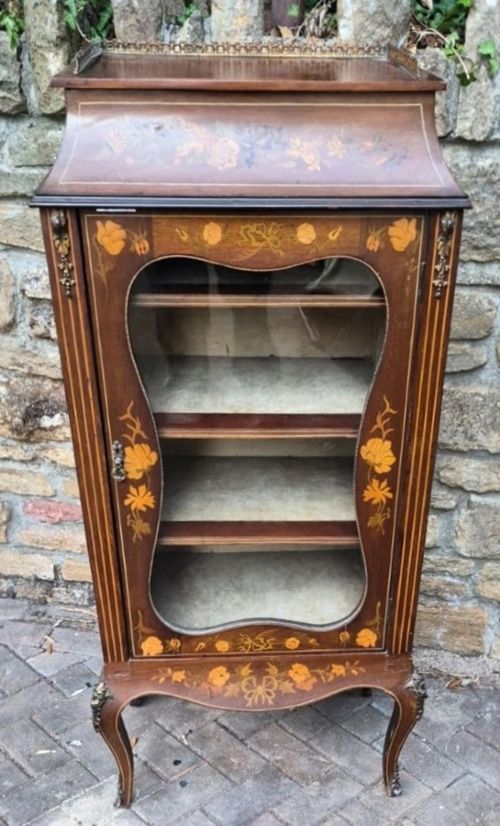
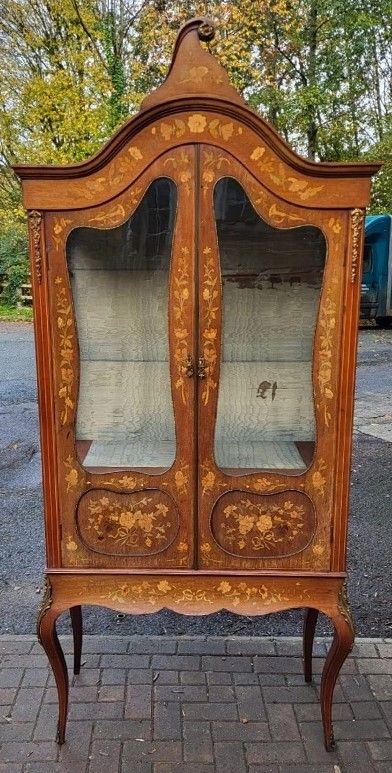
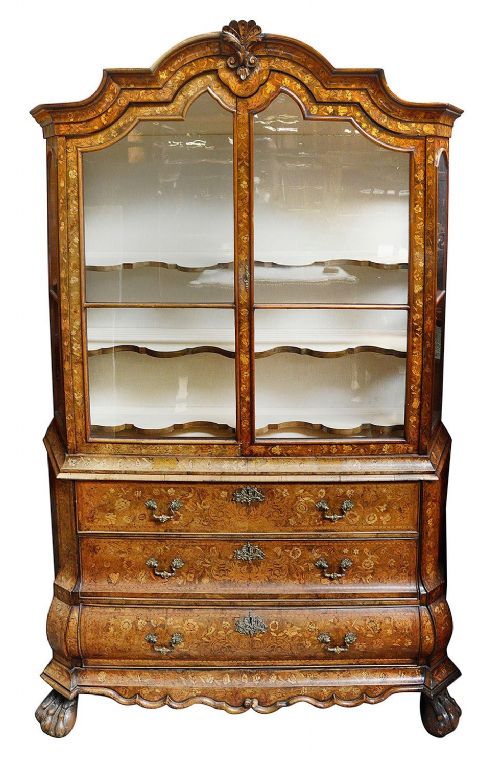
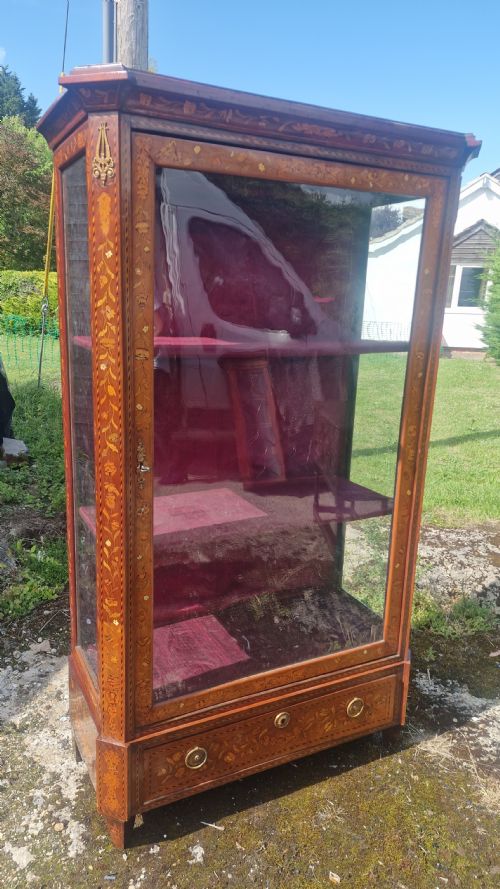
The pieces appearing here span several centuries and regional traditions, ranging from eighteenth-century Dutch marquetry designs to Edwardian satinwood models and Victorian walnut pier cabinets. Wall cabinets, tall corner cupboards and bombé cabinets on chests also provide varied formats for displaying collections in domestic spaces.
Edwardian satinwood examples and eighteenth-century Dutch walnut cabinets form the core of what is available. These pieces frequently combine glazed doors with intricate floral inlay work across mahogany, walnut or fruitwood carcases.
How they were made
Cabinet makers constructed these pieces using solid timbers such as mahogany and walnut, often applying veneers of satinwood or fruitwood to create contrasting surfaces. Wood inlay techniques formed the characteristic floral patterns, embedding tinted woods into the primary carcase.
Glass panels were secured within wooden frames for the doors and sides, sometimes accompanied by brass mounts, ormolu accents and shaped shelves. Structural forms included curved bombé profiles and serpentine fronts, requiring skilled joinery to shape the timber accurately.
Some cabinets hide extra treasures behind curved bombé fronts and secret drawers.
What varies in quality
The standard of a piece rests largely on the precision of the marquetry and the choice of timber figurations, such as fiddle back mahogany or burr walnut. Finer examples display meticulous cutting in the floral inlays and careful matching of grain across the cabinet doors.
Construction details also separate workshop standards, visible in the handling of curved glass panels, ormolu mounts and internal adjustable shelving. Pieces bearing established maker signatures or well-executed painted decoration reflect higher production levels.
Hampton & Sons·Edwards & Roberts
The Antique Floral Vitrine Glossary
- Vitrine
- A glazed display cabinet intended for showing porcelain and small decorative objects. The glass panels on the front and sides allow light to enter from multiple angles.
- Marquetry
- Decorative veneer work formed by fitting together small pieces of tinted wood, bone or ivory to create pictorial designs. Floral motifs are especially common on Dutch and Edwardian pieces.
- Bombé
- A swelling, outward-curved furniture shape associated with continental cabinet making. This profile requires advanced carpentry to achieve the rounded contour.
- Ormolu
- Gilt-bronze mounts applied to furniture for decorative effect. These metallic embellishments highlight corners, feet and key escutcheons.
- Pier Cabinet
- A low or tall narrow cabinet designed to stand against the wall space between windows. Victorian examples often feature glazed doors and marquetry panels.
Antique Floral Vitrine: Frequently Asked Questions
What is an antique floral vitrine used for?
These cabinets were historically built to display fine porcelain, glassware and curiosities while protecting them from dust. The glass panels and internal shelving allow collections to be viewed clearly from across a room.
Today, they serve the same function in domestic interiors, adding decorative warmth through their marquetry and timber surfaces while housing personal collections.
How do I identify an 18th-century Dutch vitrine?
Eighteenth-century Dutch pieces often feature extensive floral marquetry across walnut carcases, sometimes incorporating bombé shaping or cabinet-on-chest configurations. The inlay typically displays botanical compositions executed in contrasting stained woods.
Construction traits include traditional hand-cut dovetails and heavy timber carcases beneath the decorative veneer work.
Where should I place a wall cabinet?
Wall-hanging display cabinets require secure placement on sturdy walls capable of supporting the combined weight of the timber carcase, glass doors and displayed items. They work effectively above sideboards or in smaller alcoves where floor space is limited.
Placing them away from direct sunlight protects both the polished wood surfaces and the items stored inside from fading.
How do Edwardian pieces differ from Victorian ones?
Edwardian cabinets frequently employ lighter timbers like satinwood and painted mahogany, reflecting the Sheraton Revival style with delicate floral motifs. They often lean towards refined elegance and lighter proportions.
Victorian examples tend to use darker walnut carcases with bold marquetry inlay, such as pier cabinets designed to fit specific architectural spaces in nineteenth-century homes.