



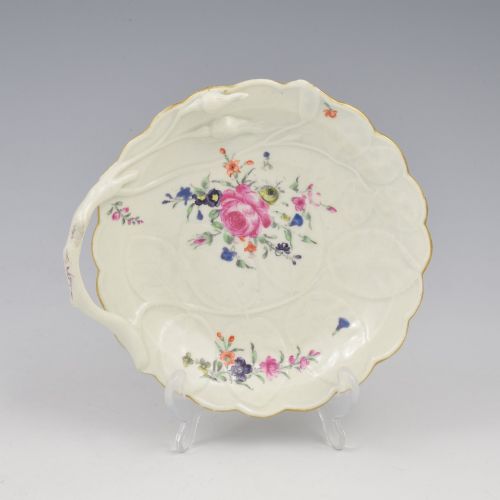

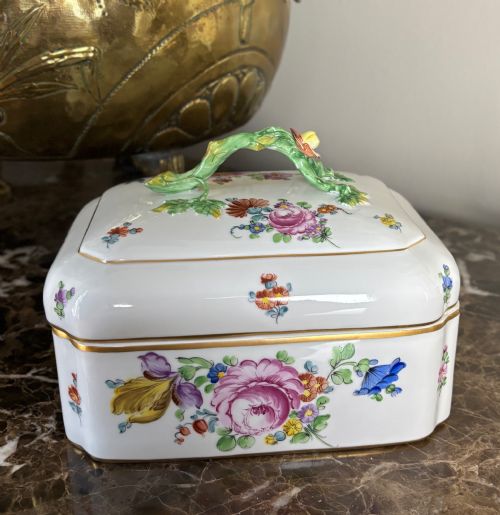
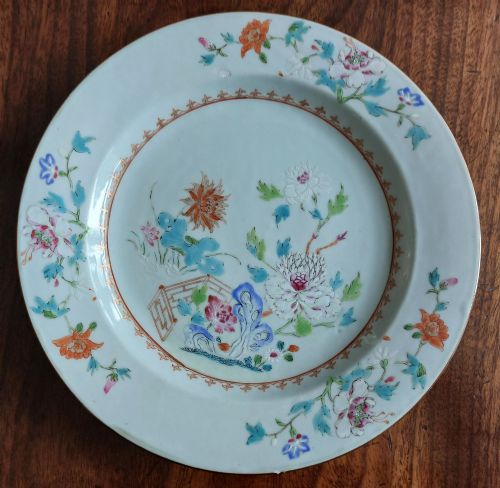

Antique Floral Porcelain Dishes
These antique floral porcelain dishes bring together centuries of handpainted botanicals, vibrant glazes and delicate ceramic forms for your collection.
Antique Floral Porcelain Dishes
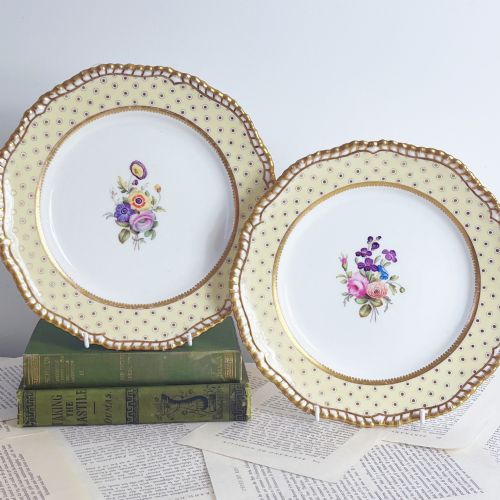
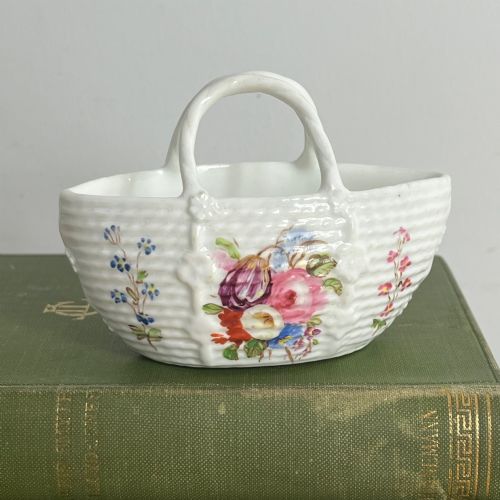
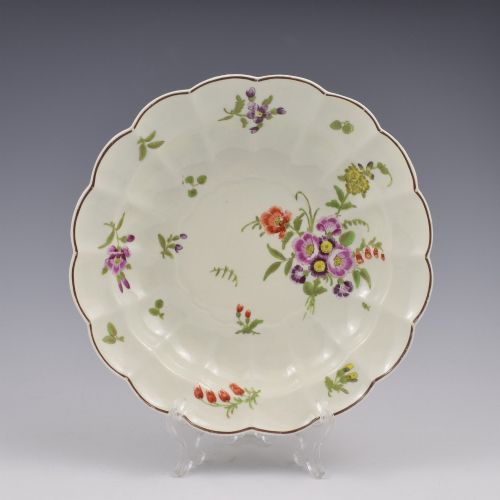
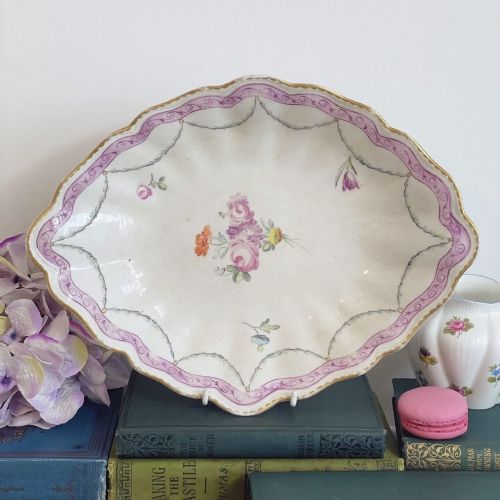
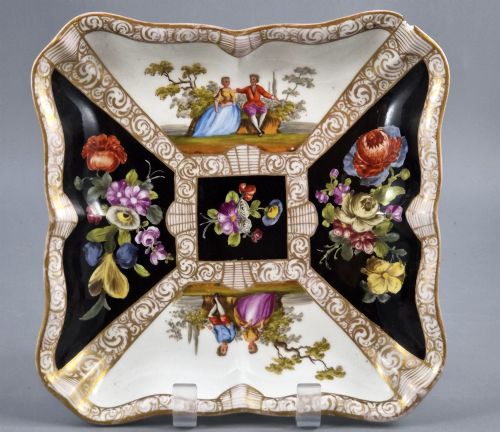
When you search for antique floral porcelain dishes, you encounter a diverse range of items spanning the eighteenth, nineteenth and early twentieth centuries. These pieces encompass decorative plates, serving dishes, bowls, chargers and baskets originating from English, European and Asian kilns.
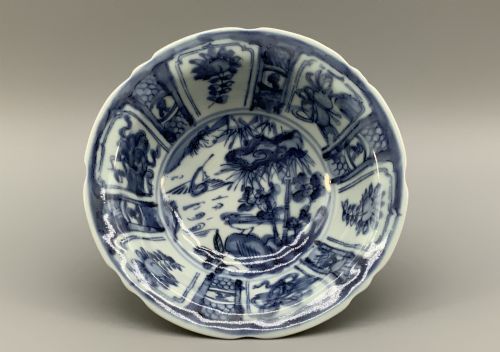
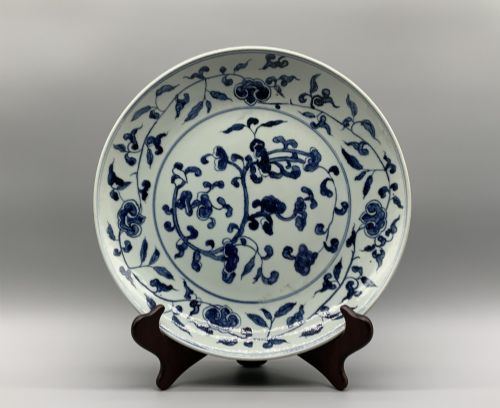
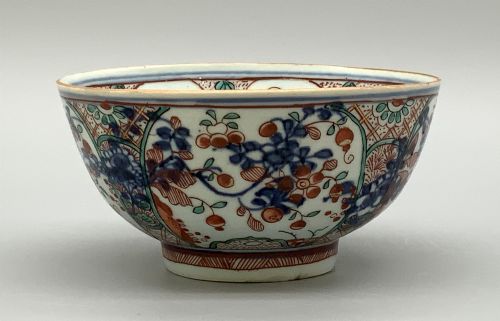
You are most likely to meet English porcelain dessert plates, Chinese export bowls and Japanese Imari chargers on this page. Makers across various periods applied floral motifs using handpainted techniques, enamel, and underglaze blue, shaping the aesthetic of dining tables and cabinet displays.
How they were made
Potters utilised ceramic clay and soft-paste or hard-paste porcelain bodies, shaping them into plates, bowls and scalloped dishes before firing. Artisans then applied glazes, enamels and handpainted pigments directly onto the surface to render floral patterns and scenes.
Many items incorporate gold leaf, gilt and gilding applied to rims, handles and borders to accentuate the ceramic forms. Japanese Imari and Chinese blue and white pieces relied on specific cobalt and iron-red pigments fired at high temperatures to achieve their lasting coloration.
Listings feature porcelain forms spanning the eighteenth, nineteenth and early twentieth centuries, including Chinese export wares, Japanese Imari chargers and English cabinet plates.
What varies in quality
The precision of the handpainting dictates much of the distinction between standard production and top-tier cabinet pieces. Delicately brushed floral details, crisp enamel work and carefully applied gold leaf indicate superior craftsmanship by skilled ceramic artists.
The sophistication of the porcelain body and the depth of the glaze also separate ordinary utilitarian wares from exceptional display items. Pieces bearing recognised factory marks or attributed to accomplished painters reflect a higher standard of manufacture within their respective periods.
Spode Felspar·Flight Barr & Barr·H & R Daniel·Royal Crown Derby·Chamberlains Worcester·Hicks & Meigh·Edmé Samson & Cie·Royal Doulton·John Davenport of Longport·Coalport
The Antique Floral Porcelain Dishes Glossary
- Imari
- A style of Japanese porcelain decorated in underglaze blue, iron-red, and gilt, which heavily influenced European potters. It is frequently seen on chargers and scalloped plates from the Meiji period and earlier.
- Soft-Paste
- A type of ceramic body composed of white clay and glass frit, fired at lower temperatures than hard-paste porcelain. It is common in eighteenth-century European manufactories such as Sèvres and early Worcester.
- Gilt
- A thin layer of gold applied to the surface of porcelain dishes, often highlighting rims and decorative borders. Gilding enhances the ornamental appeal of nineteenth-century cabinet plates.
- Charger
- A large decorative plate or dish utilised primarily for display or service rather than daily dining. These pieces often feature intricate floral or Imari patterns across a wide surface.
- Enamel
- Opaque vitreous composition fused to the surface of porcelain to add vibrant colour to handpainted floral designs. Enamels are characteristic of Famille Rose and various European wares.
Antique Floral Porcelain Dishes: Frequently Asked Questions
How do I identify eighteenth-century porcelain dishes?
Eighteenth-century porcelain dishes often feature handpainted polychrome or blue and white floral designs on soft-paste or early ceramic bodies. Examining the footrim, glaze pooling and identifying period-specific factory marks helps determine the exact era.
Many pieces from this time, such as those from Worcester or Chinese export kilns, display subtle imperfections characteristic of period manufacturing techniques. Comparing the weight and translucency of the paste against known examples provides further confirmation.
What is the difference between Imari and standard floral porcelain?
Imari porcelain specifically utilises a palette of underglaze blue, iron-red and gold leaf arranged in complex symmetrical or floral patterns. This Japanese style originated in Arita and was widely copied by European factories.
Standard floral porcelain relies on broader enamel or painted botanical compositions without the strict palette constraints of Imari wares. These pieces focus on naturalistic depictions of flowers, birds and garden scenes rather than traditional Imari panels.
How should I display antique decorative chargers?
Antique decorative chargers function well on plate stands within cabinets or mounted safely on walls using appropriate hardware. Their large surface area allows the intricate handpainted floral motifs and gilt borders to serve as a focal point in a room.
Ensure that display methods support the weight of the ceramic evenly without stressing the rim or glaze. Keeping pieces away from direct sunlight preserves the vibrancy of the enamels and gold leaf over time.
Can I use antique porcelain dishes for serving food?
Most antique porcelain dishes and cabinet plates are intended primarily for display and collection rather than modern culinary use. Older glazes and soft-paste bodies can be sensitive to acidic foods, modern dishwashers and sudden temperature changes.
If you choose to use serving dishes from the nineteenth or eighteenth century, wash them gently by hand in lukewarm water using mild soap. Avoid soaking pieces with delicate overglaze enamel or gilt decoration to protect the surface.