







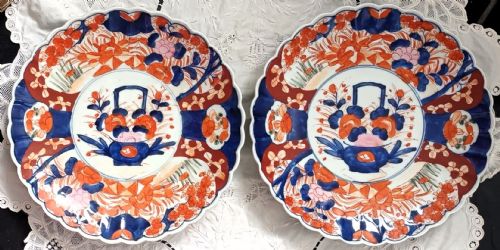
Antique Floral Porcelain Charger
These antique floral porcelain charger examples deliver hand-painted beauty and historical weight, making them centrepieces for display.
Antique Floral Porcelain Charger
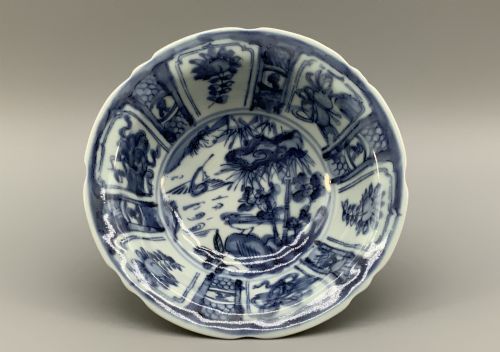
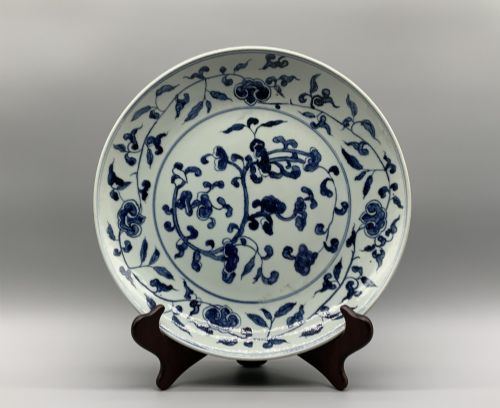
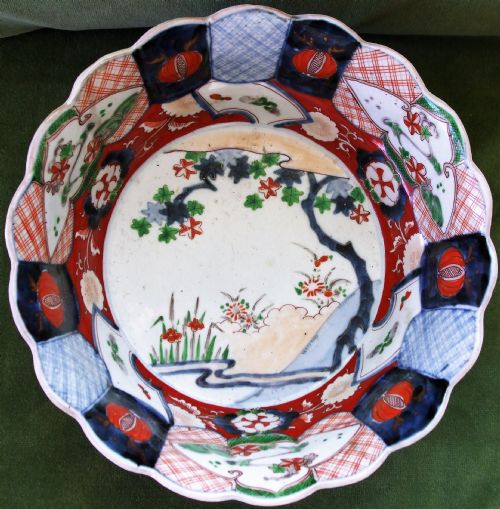
When you search for an antique floral porcelain charger, you examine large decorative plates and shallow bowls designed primarily for display rather than dining. The pieces span periods from the late seventeenth century through the Victorian era and into the early twentieth century.
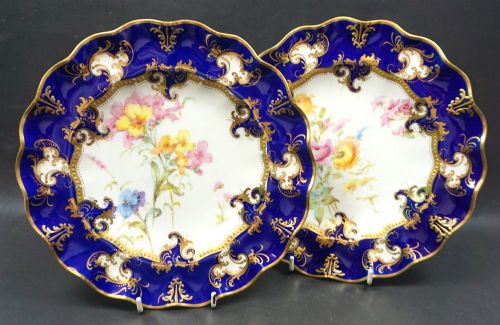
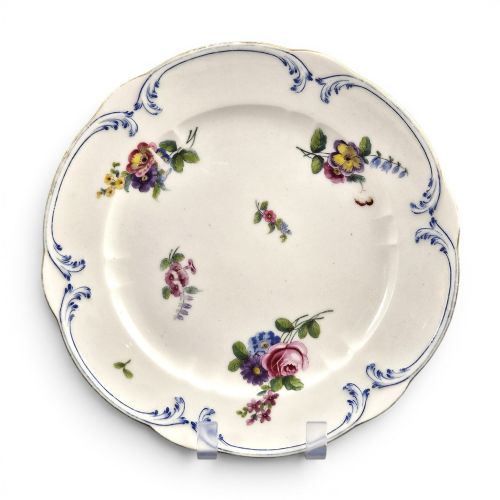
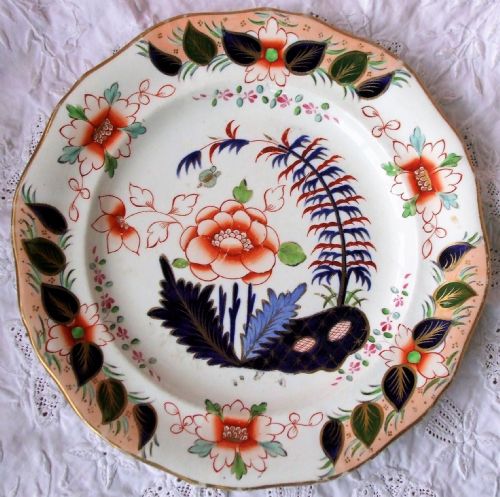
The selection on this page leans heavily toward Japanese Imari wares from the Meiji and Edo periods, alongside Chinese export porcelain and European factories such as Sèvres, Meissen, and English makers like Royal Crown Derby and John Davenport.
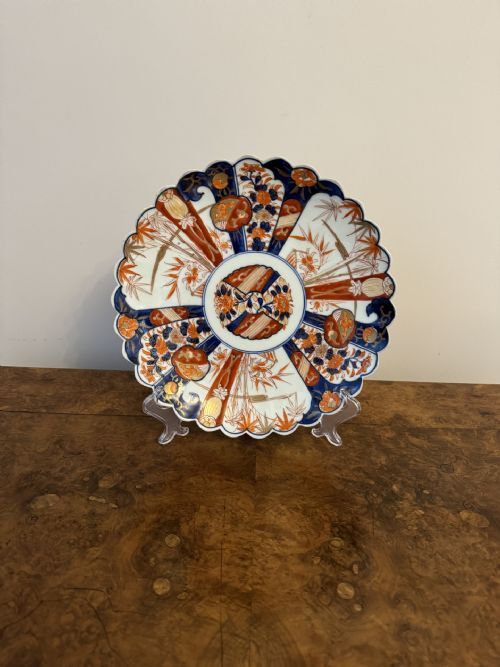
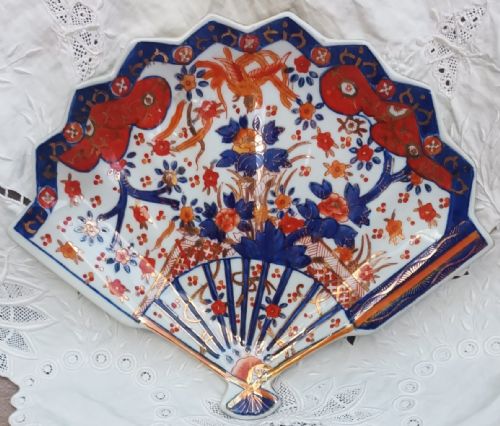
Forms vary from standard circular chargers and cabinet plates to scalloped edge bowls, lobed dishes, and hexagonal plates. These items bring intricate floral, bird, and garden motifs directly into domestic interiors.
Materials and production methods
Potters shaped these objects from ceramic and porcelain bodies, applying cobalt glaze under the surface and vibrant enamels over the glaze. Artisans utilised gold leaf, gilt, and gilding to highlight floral patterns and borders.
Many works incorporate hand-painted details featuring botanical and avian subjects, fixed by high-temperature kiln firings. Japanese and Chinese workshops relied on traditional pigment blending, while European houses utilised soft-paste and hard-paste porcelain recipes.
Peacocks strut through wisteria and peonies on Meiji chargers, bringing noisy garden birds permanently indoors.
Distinctions in quality
Quality rests upon the precision of the hand-painted brushwork and the complexity of the floral or animal composition. Crisp cobalt blues and richly saturated enamels separate standard factory items from superior decorative examples.
The depth of the gilding and the crispness of moulded edges, such as scalloped rims and lobed contours, indicate the skill of the original workshop.
John Ford·Ambroise Michel·John Davenport of Longport·Pucher Deroche·Royal Crown Derby·Meissen·Copeland·Sèvres
The Antique Floral Porcelain Charger Glossary
- Charger
- A large decorative plate or dish, traditionally used for formal display or serving.
- Imari
- A style of Japanese export porcelain characterised by a palette of underglaze blue, iron red, and gilt.
- Soft-Paste
- A type of artificial porcelain fired at lower temperatures, produced widely in eighteenth-century European factories.
- Cobalt Glaze
- A deep blue mineral pigment applied beneath the glaze before firing to create permanent cobalt designs.
- Moriage
- A decorative ceramic technique using raised slip to create textured relief patterns on the surface.
Antique Floral Porcelain Charger: Frequently Asked Questions
How were antique chargers used?
These large plates were primarily created for visual display on sideboards, walls, or cabinets rather than for daily dining.
Wealthy households used them to showcase fine craftsmanship and foreign trade goods during formal gatherings.
How do I identify Imari porcelain?
Imari pieces typically feature a distinct colour palette combining underglaze cobalt blue, iron red, and abundant gold leaf.
Look for intricate floral and landscape motifs covering the surface of Japanese plates and chargers.
What is a cabinet plate?
A cabinet plate is a highly decorative ceramic piece meant to be displayed inside a cabinet or on a stand.
These items often feature detailed hand-painted scenes or family crests and delicate gilt borders.
How do I care for antique porcelain?
Keep porcelain pieces away from direct sunlight and dust them gently with a soft, dry cloth.
Avoid using water or chemical cleaners on items with exposed gold leaf or delicate overglaze enamels.