

Antique Floral Picture
An antique floral picture brings the garden indoors through oils, watercolours, and needlework framed in period wood and metal.
Antique Floral Picture
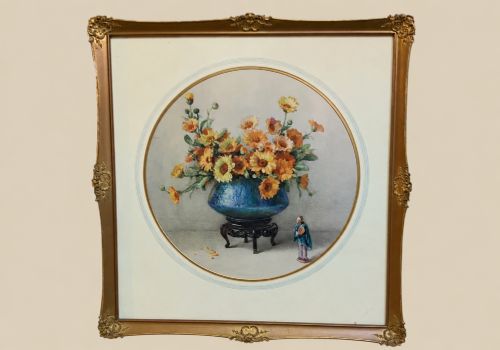
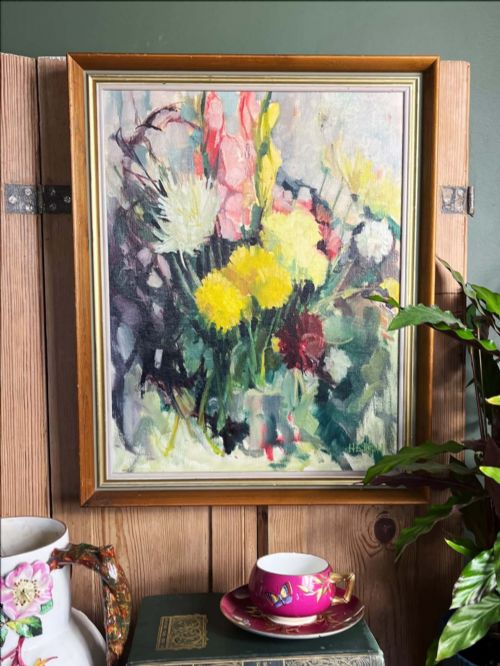
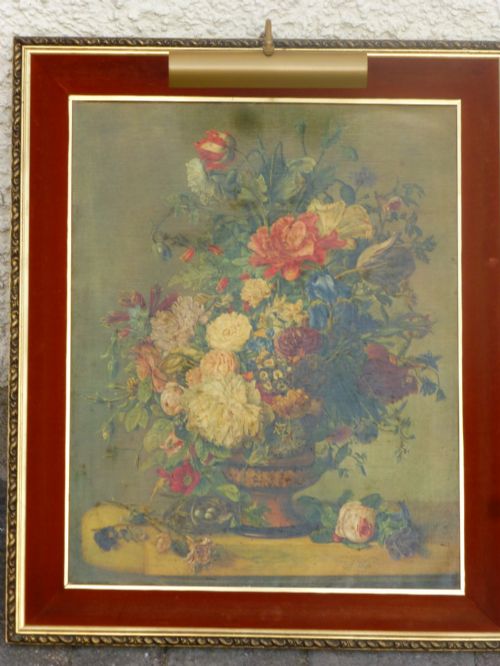
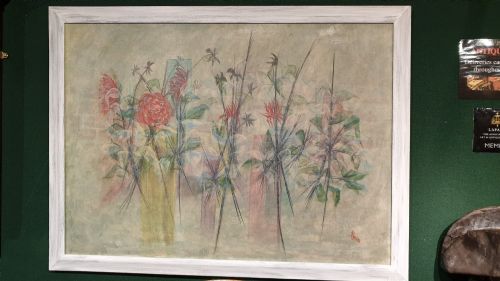
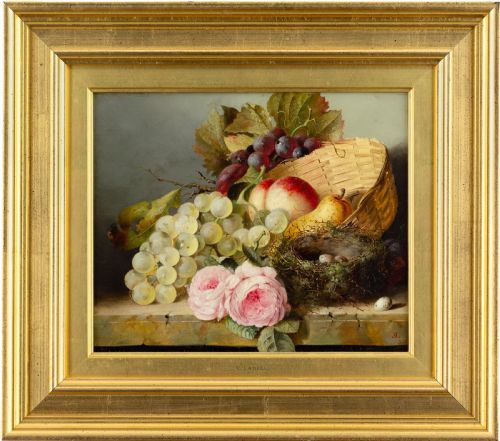
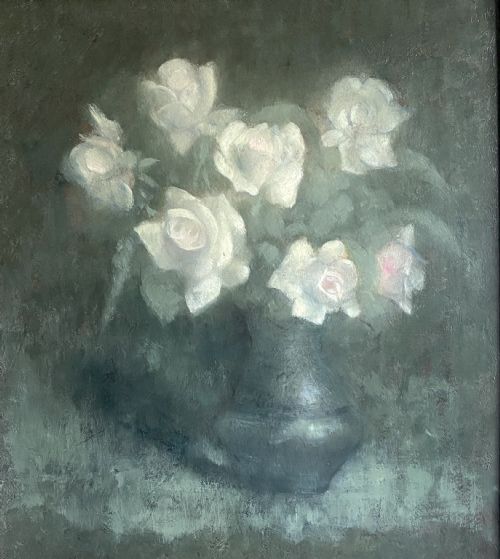
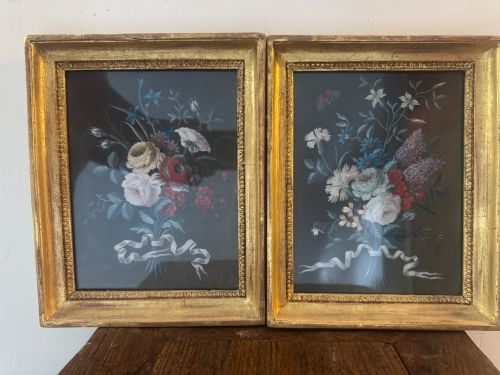
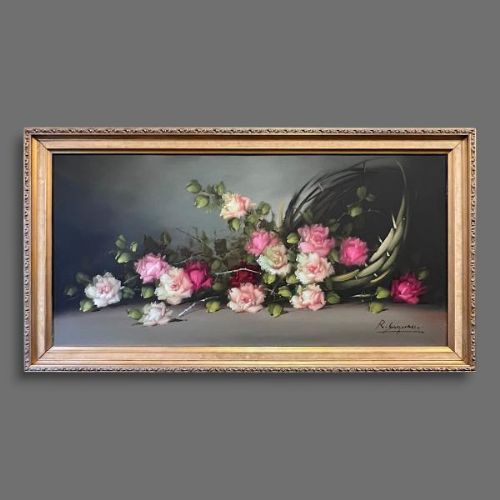
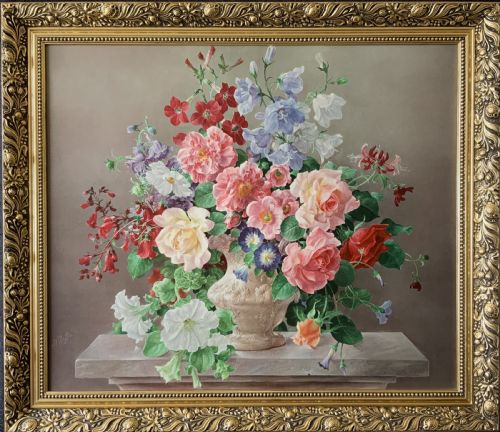
An antique floral picture spans framed botanical studies, oil paintings of roses and summer flowers, and intricate textile works. These pieces capture blooms through the eyes of Victorian, Edwardian, and earlier makers.
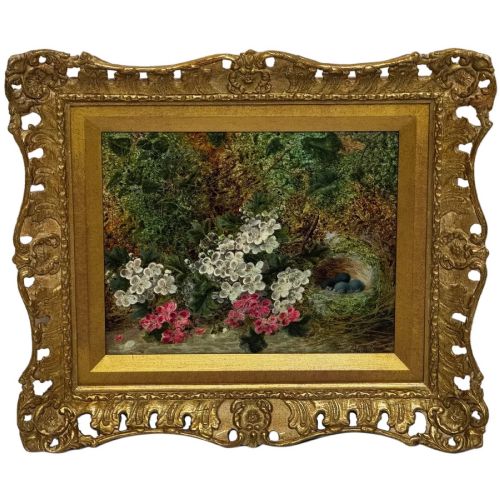
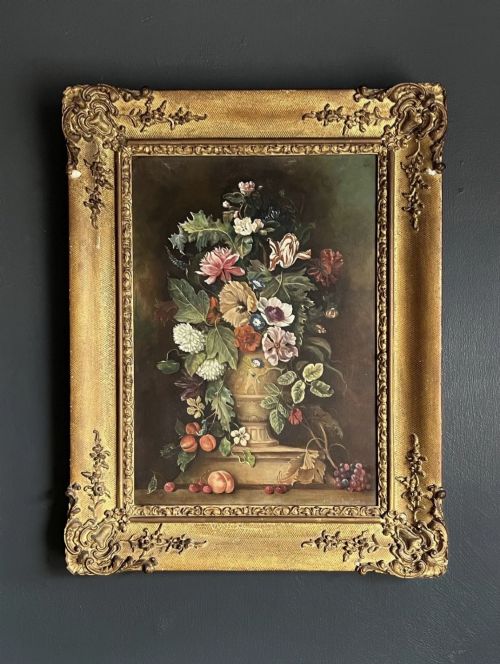
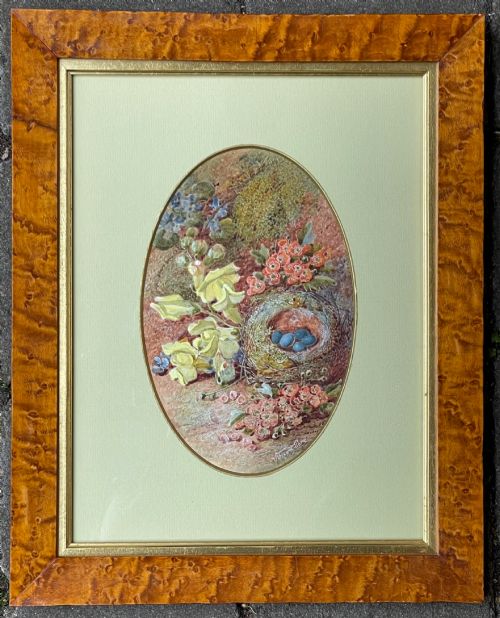
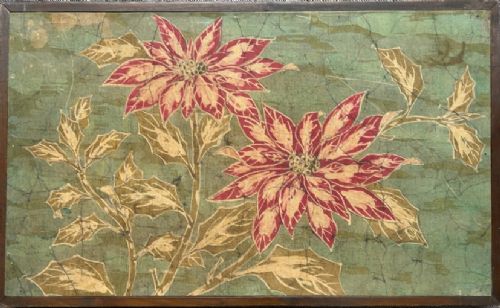
The selection here encompasses oil paintings on canvas and board, delicate watercolours, gouache, cut paper pictures, and embroidered panels. Many pieces arrive housed in their original giltwood, gesso, or metal frames.
Examples range from detailed nineteenth century botanical watercolours to impressionist garden scenes and still life compositions. Every item reflects botanical interest across the eighteenth, nineteenth, and early twentieth centuries.
How They Were Made
Makers applied oil paint, watercolour, gouache, and pencil onto paper, canvas, or board to record petals and foliage. Silk embroideries and cut paper works demonstrate alternative methods of botanical illustration.
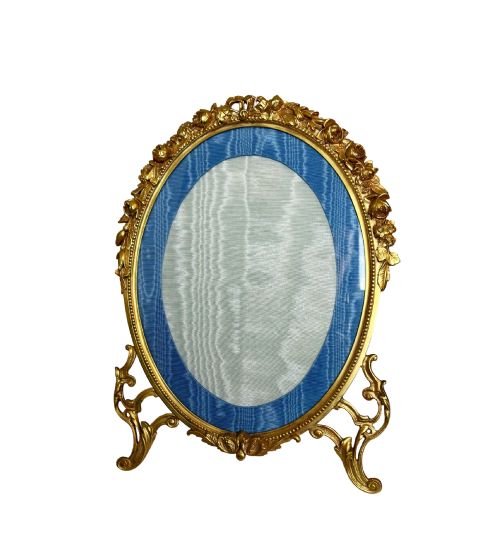
Frames rely on carved wood, giltwood, and moulded gesso, alongside precious metals like silver, gold, and gilt bronze. Metal frames frequently feature embossed or chased floral scrollwork matching the botanical theme within.
Several pieces preserve stubborn cockerels and hens alongside the flowers, proving that nineteenth-century farmyard birds demanded equal billing.
What Varies in Quality
The dexterity of the brushwork or needlework dictates visual success, separating hurried decorative pieces from observant artistic studies. Skilled execution captures light on petals and natural growth habits accurately.
The preservation of the original framing material alters the character of a piece. Intact gilding on gesso frames and crisp hallmarks on silver photograph mounts retain the intended historical harmony.
Oliver Clare·Vincent Clare·Edward Ladell·Edwin Steele·D Hardy·Catherine Thomas·Harry Wanless·Arthur Hopkins
The Antique Floral Picture Glossary
- Gesso
- A plaster mixture applied to wood frames before gilding or painting. It allows intricate moulded relief work such as floral scrolls.
- Giltwood
- Wood coated with a thin layer of gold leaf or gold paint. This technique created luminous frames for paintings and mirrors.
- Gouache
- An opaque watercolour paint mixed with a white pigment. It produces solid, matte areas of colour in botanical studies.
- Berlin Tapestry
- A type of coloured wool embroidery worked on canvas from printed grid patterns. Popular in the Victorian period for floral pictures.
- Locket
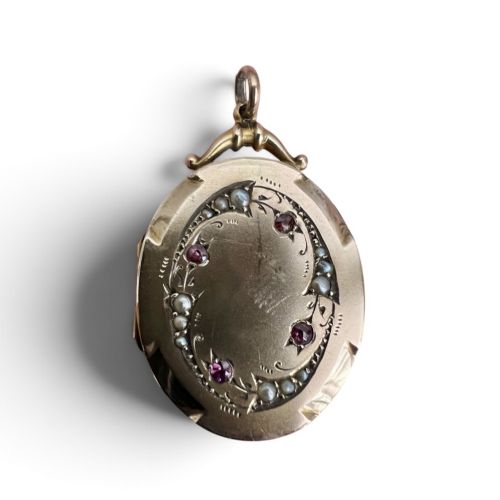
- A small hinged metal case worn on a chain, often engraved with floral motifs. It holds miniature portraits or locks of hair.
Antique Floral Picture: Frequently Asked Questions
How do I hang a heavy giltwood frame?
Heavy frames require sturdy picture hooks screwed directly into wall studs or heavy-duty wall anchors rated for the weight of the wood and glass.
Ensure the hanging wire or brackets on the back of the frame are secure before mounting the piece at eye level.
Can I place these paintings in direct sunlight?
Direct sunlight causes watercolours, paper, and textiles to fade significantly over time. Pigments in older paints are particularly sensitive to ultraviolet rays.
Position these artworks away from south-facing windows to preserve the original colours of the flowers.
How should I clean a silver floral frame?
Dust silver frames gently with a soft microfibre cloth to remove surface particles without scratching the embossed details. Avoid harsh chemical dips that strip away the aged patina.
If polishing is necessary, use a specialist silver cloth and take care around inset velvet backs or glass.
What is the difference between oil and watercolour floral pictures?
Oil paintings use slow-drying pigments suspended in oil, allowing for rich textures and deep colour layering on canvas or board. Watercolours use water-soluble pigments on paper, creating a translucent and luminous effect.
Oils generally require protective framing with glass depending on the era, while watercolours need glass to prevent moisture damage.