


Antique Flatware Pair
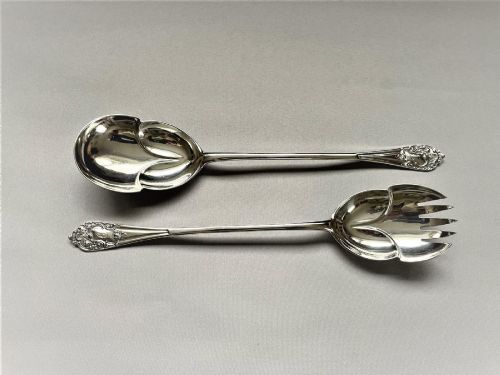
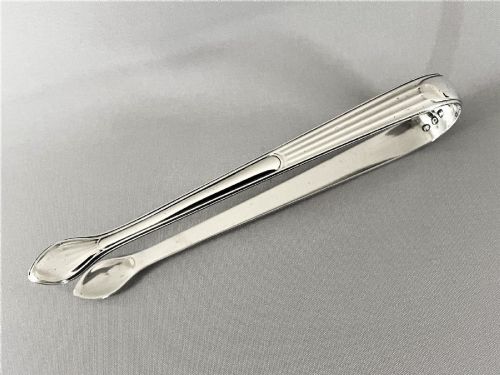
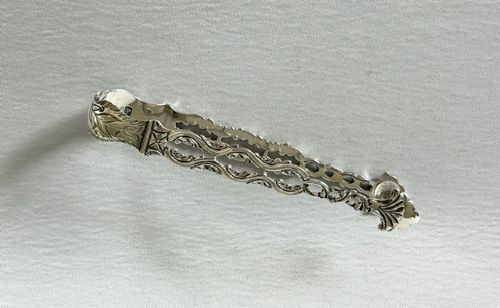
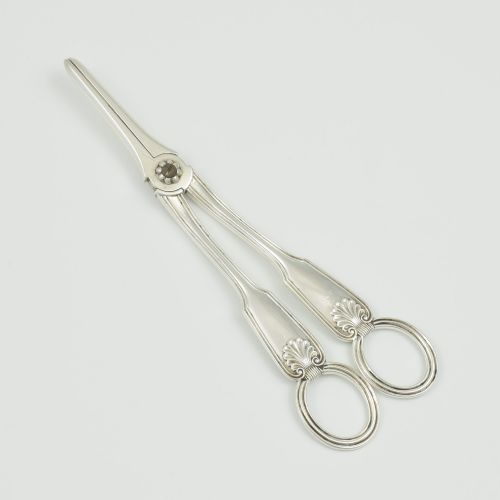
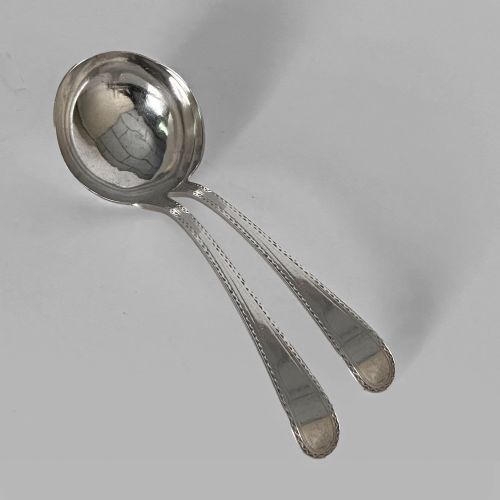
These antique flatware pair selections bring together matched serving spoons, ladles, and tongs crafted across several centuries of British and European silverwork.
Antique Flatware Pair
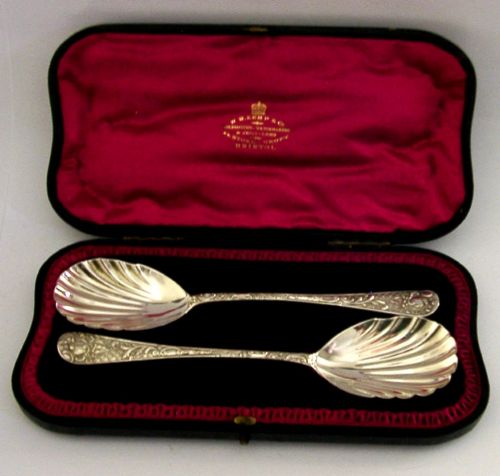
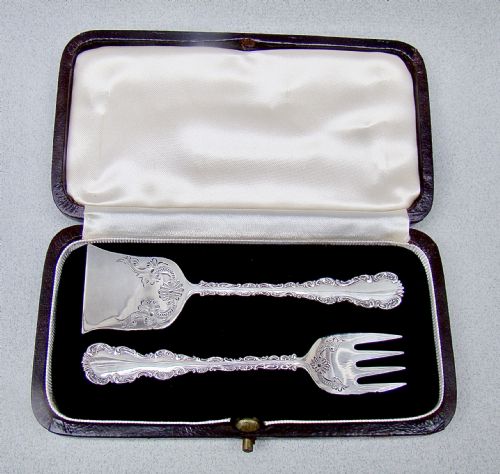
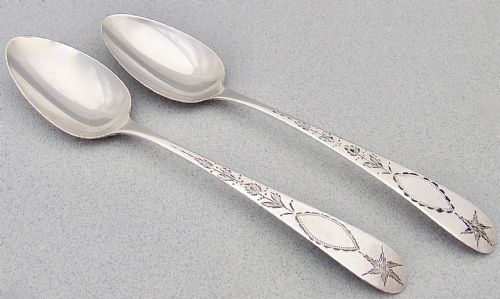
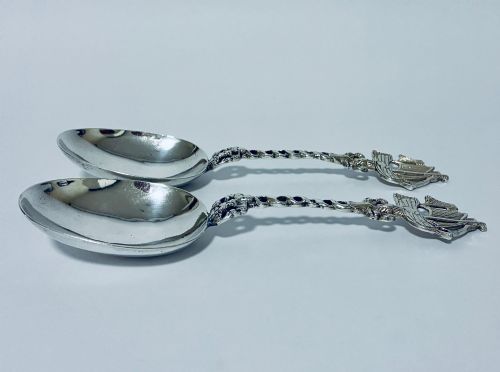
An antique flatware pair consists of two matching or matched utensils designed for serving at the table, spanning forms such as spoons, ladles, tongs, and servers. Buyers searching this phrase encounter items originating from periods including the Georgian, Victorian, and Edwardian eras, often housed in fitted presentation boxes lined with velvet, silk, or satin.
Materials and construction methods
The primary material across these listings is sterling silver, alongside standard silver, silver-gilt, and occasional silver plate. Certain pieces incorporate organic elements, such as fish serving sets featuring stag antler handles alongside metal blades.
Manufacturing techniques recorded in the evidence combine casting, piercing, and hand-finishing by silversmiths operating in regional assay offices like Sheffield, Dublin, and Edinburgh. Many examples display detailed crest engraving, cresting, or embossed fruit decoration added to earlier spoon bowls.
Some antique fish servers feature handles fashioned from genuine stag antler, bringing woodland textures directly to the Victorian dining table.
Distinctions in quality and execution
Quality in these matched sets depends on the crispness of the original cast ornament and the subtlety of any later surface decoration such as fruit repoussé work. Maker attribution plays a significant part, with pieces originating from notable workshops or prominent silversmith families commanding particular attention.
The integrity of the matching elements and the presence of original fitted cases lined in materials like satin or velvet contribute to the overall standard. Superior examples maintain clear hallmarks across both pieces, indicating careful preservation and consistent origin.
Henry Wilkinson·John Pittar·Goldsmiths & Silversmiths Co·Hamilton & Inches·Hester Bateman·Peter & Anne Bateman·John Locker·Isaac Davenport·James Tait·Wilkes Booth·Richard Rae
The Antique Flatware Pair Glossary
- Sterling silver
- A silver alloy containing 92.5 percent pure silver and 7.5 percent other metals, usually copper, ensuring durability for functional items. This standard is verified by official hallmarks stamped into the metal.
- Berry spoon
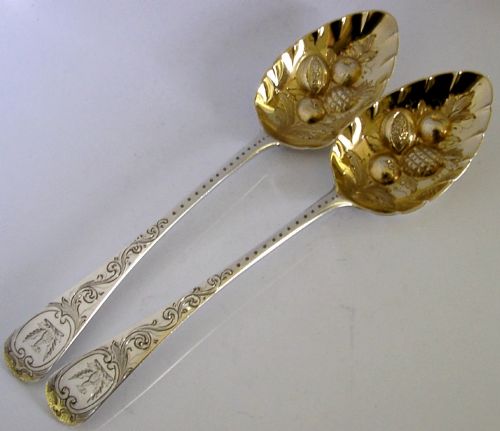
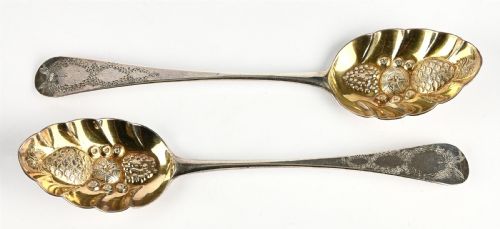
- A spoon, often dating from the Georgian period, featuring fruit and leaf decoration embossed onto the bowl at a later date. These were utilised primarily for serving fruit and desserts.
- Dognose tablespoon
- An early form of spoon featuring a rounded tongue-like projection at the top of the handle, popular during the late 17th and early 18th centuries. They represent some of the earliest silver flatware forms found in these listings.
- Silver-gilt
- Sterling silver that has been coated with a thin layer of gold on its surface, sometimes referred to as vermeil. This technique adds a rich golden tone to serving spoons and ladles.
- Hallmark
- A series of official marks stamped on precious metal items to indicate the standard of purity, the assay office, the maker, and the year of production. These marks provide the primary evidence for dating antique flatware.
Antique Flatware Pair: Frequently Asked Questions
What were berry spoons used for?
Berry spoons were designed for serving fresh soft fruits, particularly berries, which grew in popularity during the Georgian period. Their broad bowls made them practical for portioning fruit at the table.
Many of these spoons started life as standard dining spoons before craftsmen added decorative fruit and leaf motifs to the bowls in later decades. This alteration transformed utilitarian tableware into decorative items suited for formal dessert courses.
How do I identify a Georgian flatware pair?
Georgian flatware can be identified through a combination of stylistic markers, such as the specific shape of the handle and the presence of early hallmarks. Assay office marks and sovereign duty marks stamped into the silver help narrow down the exact decade of manufacture.
Stylistic cues like rat tail reinforcements on spoon bowls or distinctive crest engravings also point toward the 18th or early 19th centuries. Consulting the hallmarks alongside the form confirms the specific period of origin.
Are cased pairs original to their boxes?
Cased flatware pairs often retain their original fitted presentation boxes, which were lined with materials like velvet, silk, or satin to protect the metal. These boxes were custom-made by retailers to house specific serving utensils securely.
The interior contours of the box match the exact shape of the spoons or servers, indicating they were paired together from the time of retail. Original cases add context regarding how these luxury items were stored and presented.
What is the difference between salt and mustard spoons?
Salt and mustard spoons are miniature serving utensils designed to accompany open salt cellars and mustard pots on the dining table. Mustard spoons often feature slightly deeper bowls or specific forms to handle prepared condiments.
Their small scale distinguishes them from standard dessert or tablespoons. Both types are frequently found as matched pairs intended for formal table settings.