

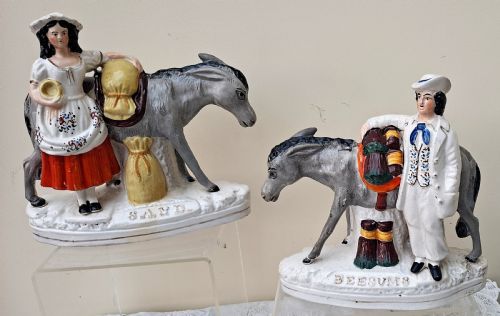


Antique Flatback Ornaments
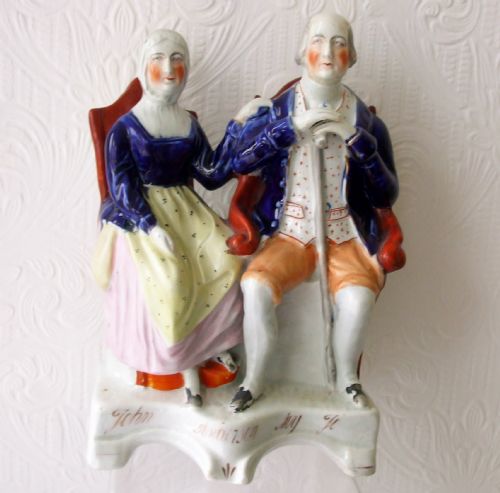
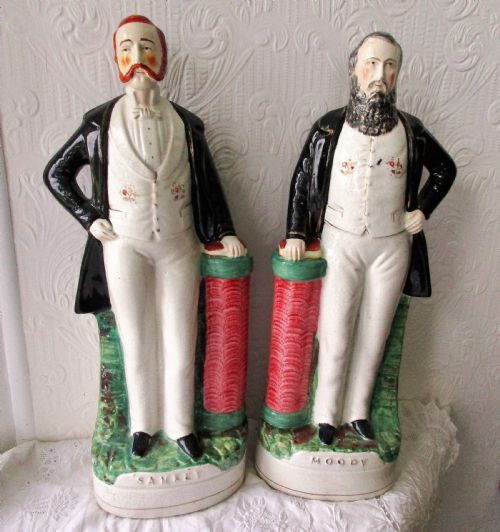
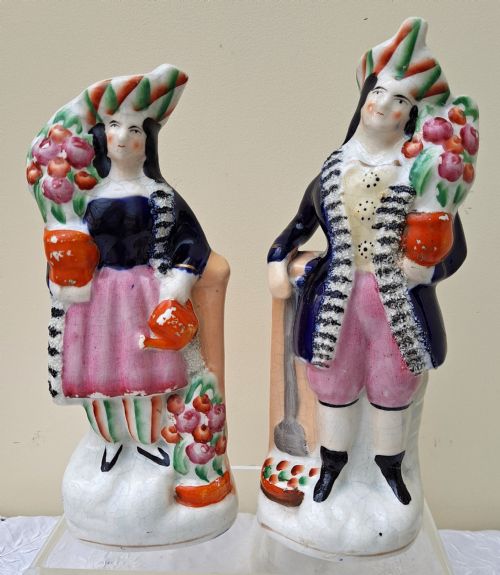
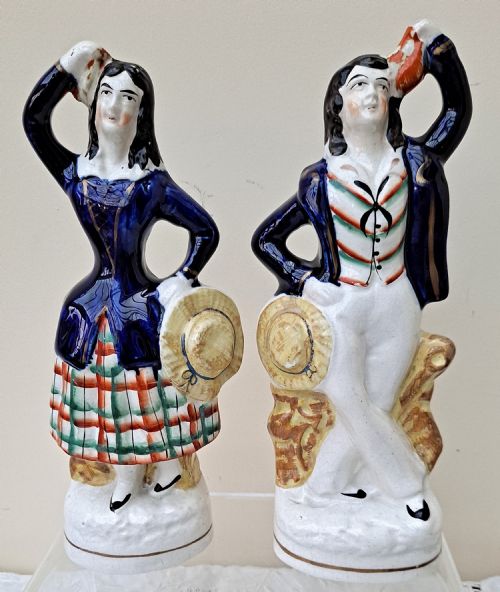
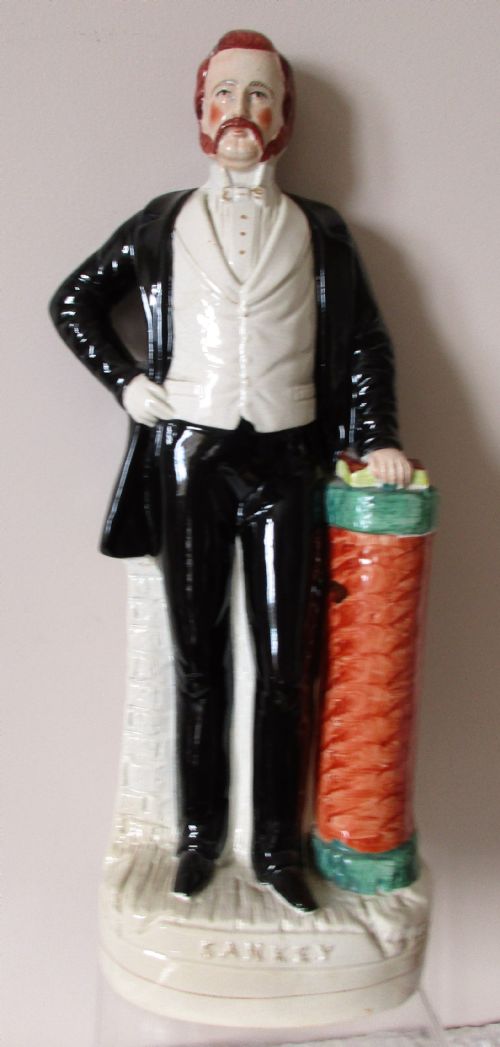
Antique flatback ornaments are earthenware figures modelled to show a detailed front while remaining flat and unpainted at the back, prized for their colourful Victorian shelf appeal.
Antique Flatback Ornaments
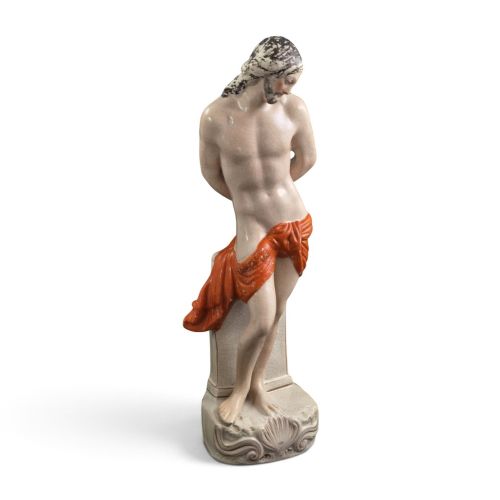
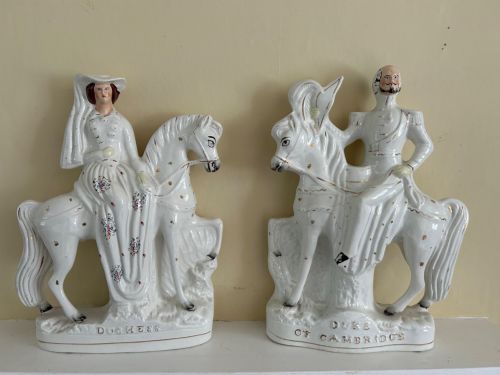
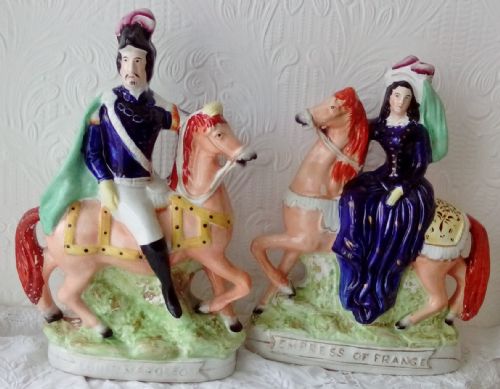
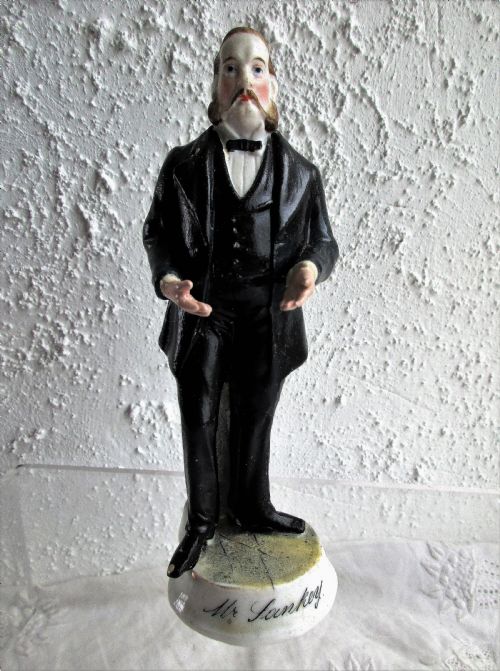
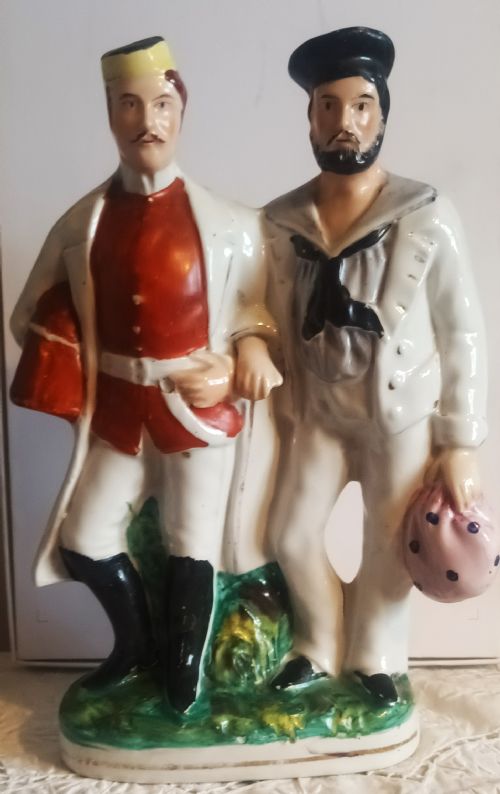
When you search for antique flatback ornaments, you encounter nineteenth-century Staffordshire pottery created to decorate mantelpieces and brackets across British homes. The domestic inventory leans heavily on Victorian figures, royal portrait groups, theatrical pairs, and architectural cottages.
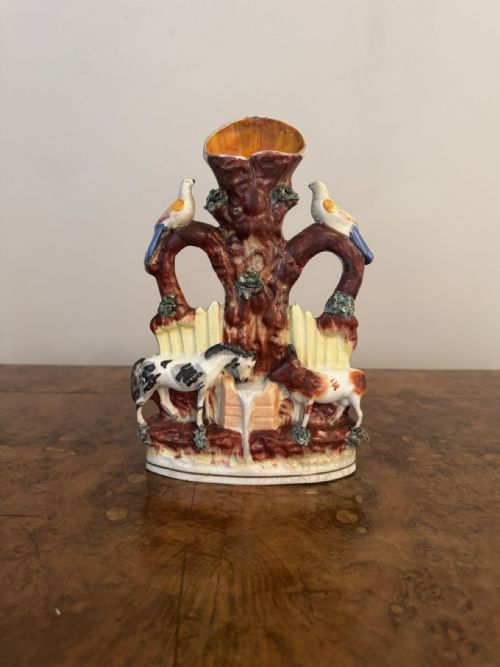
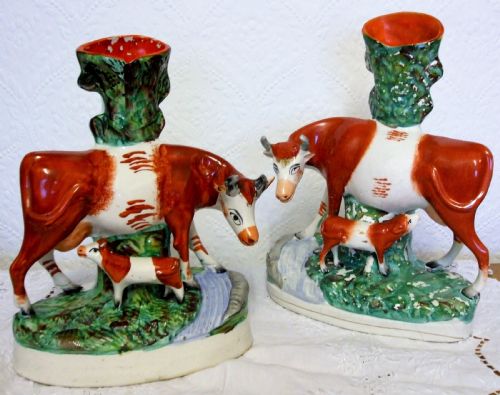
Makers shaped these ceramic pieces primarily as standing figurines, equestrian subjects, spill vases, and money boxes. The flat reverse allowed the figures to sit flush against a wall, making them ideal for narrow mantel shelves.
How they were made
The ceramic body consists of local clay fired at moderate temperatures to create a porous earthenware base. Glossy lead glazes protected the bright enamel colours painted over the top after the initial firing.
Victorian households loved displaying temperance figures alongside dramatic tales of crime and royal romance on their mantelpieces.
What varies in quality
The standard of modelling separates basic production runs from finer portrait pieces. Superior items display crisp facial expressions and cleanly defined hands and clothing, whereas lesser pieces show blurred moulding lines.
Painting precision dictates the visual appeal across the range. Skilled decorators applied enamel paints with neat control, while hurried examples exhibit overlapping colours and careless brushwork.
The Antique Flatback Ornaments Glossary
- Flatback
- A ceramic figure modelled with detail solely on the front and a flat, unpainted reverse designed to stand against a wall.
- Spill vase
- A hollow pottery cylinder attached to a figure, designed to hold wooden spills used for lighting pipes and candles.
- Earthenware
- Porous pottery fired at a lower temperature than stoneware or porcelain, standard for nineteenth-century Staffordshire figures.
- Lead glaze
- A shiny coating applied to pottery surfaces before firing to give a glossy finish and seal the clay body.
Antique Flatback Ornaments: Frequently Asked Questions
Why are the backs unpainted?
Potters left the backs flat and unglazed or simply painted because these ornaments were designed to sit on high mantelpieces against a wall. This saved production time and lowered costs for working households.
Craftsmen focused all their artistic effort on the front view, where portraits, historical scenes, and theatrical pairs faced the room.
How do I date an antique flatback?
Dating relies on the subject matter, clothing styles, and the specific historical events depicted in the titles. Many pieces commemorate mid-nineteenth-century conflicts, royal marriages, or theatrical hits.
The quality of the earthenware body and the style of the lead glaze also help distinguish pieces made across the Victorian era.
What subjects are most common?
Portrait figures of royals, military heroes, and literary characters dominate the available selection. Pairs depicting country couples, gardeners, and dramatic theatrical scenes appear frequently.
Architectural forms such as cottages, castles, and animal spill vases featuring cows or deer represent another large group of domestic ornaments.
How should I clean these ceramics?
Dusting gently with a soft, dry brush preserves the fragile enamel paint and gilt highlights. Moisture can damage old earthenware and flake the delicate surface colours.
Avoid using water, soap, or cleaning agents, as nineteenth-century enamel paints sit vulnerable on top of the glaze.