

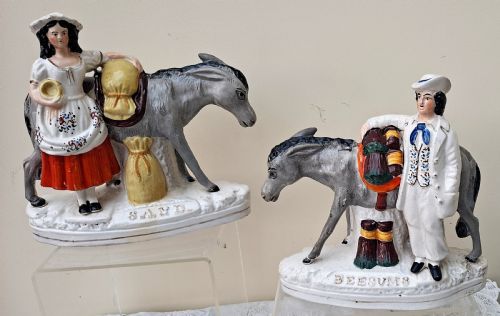


Antique Flatback Figurine
An antique flatback figurine brings Victorian theatre, royalty and domestic life to a mantelpiece in sturdy earthenware.
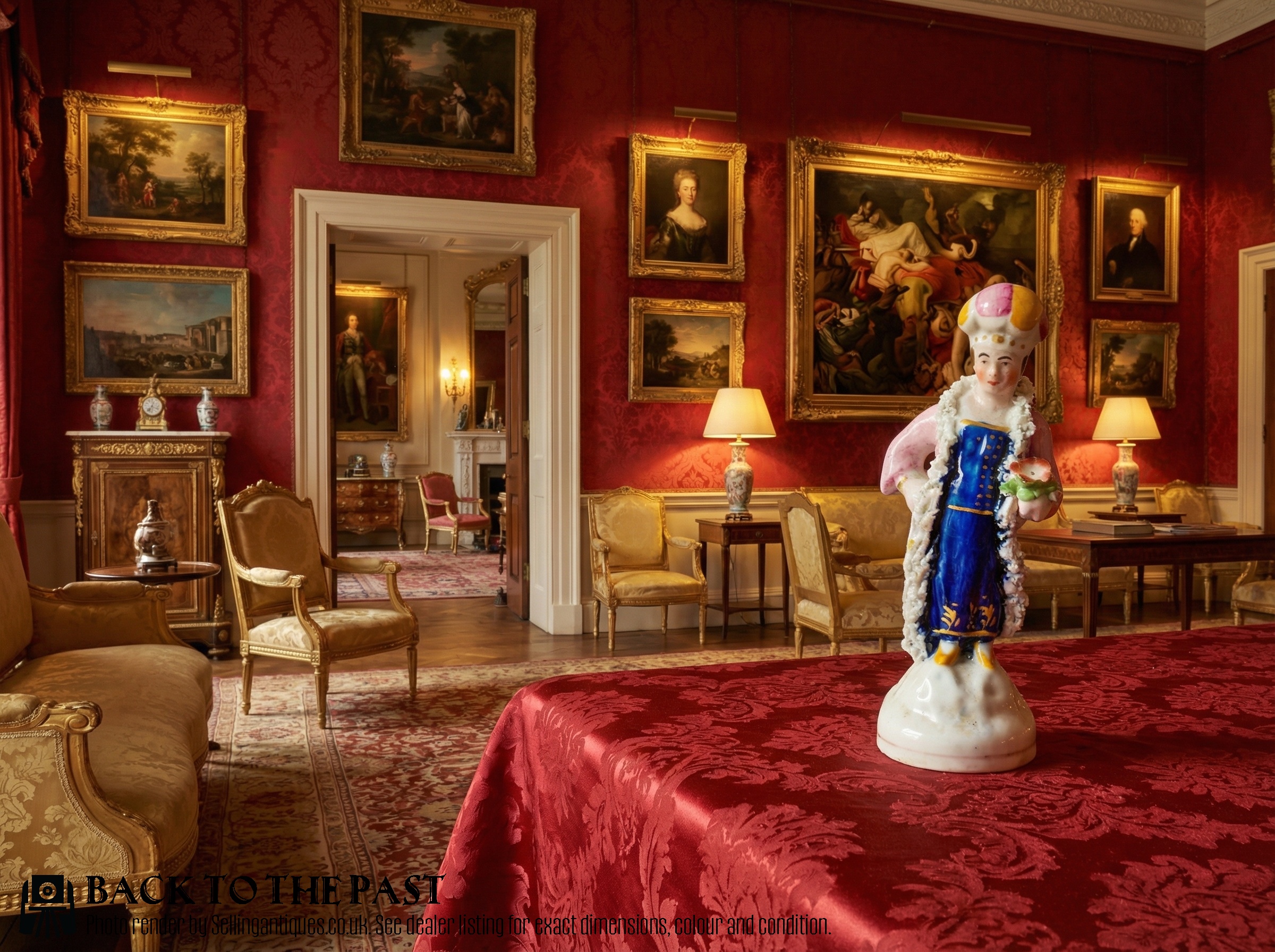
Antique Flatback Figurine
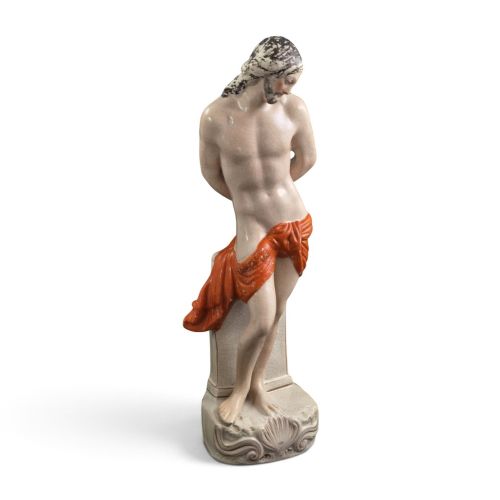
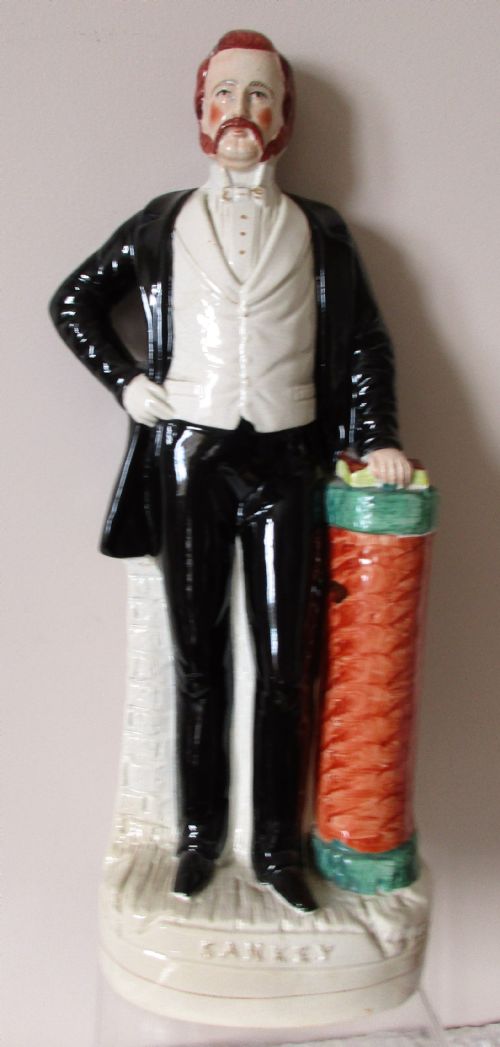
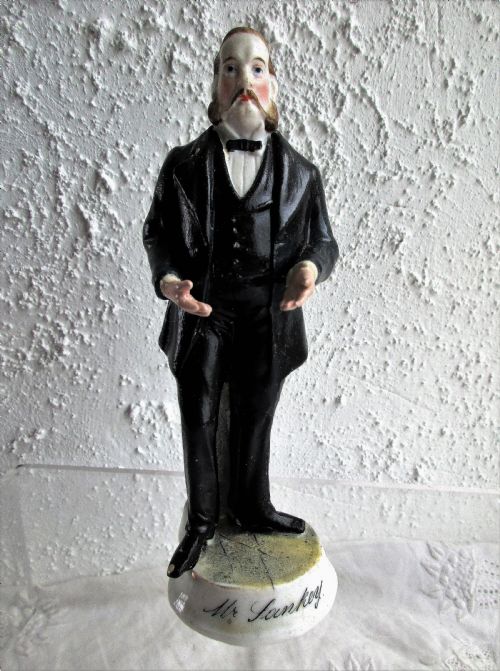
An antique flatback figurine represents a distinct branch of nineteenth-century pottery designed primarily for display against a wall or on a high shelf rather than in the round. These pieces record historical events, literary characters, theatrical scenes and royal portraits through stylised modelling that defined Victorian home decoration.
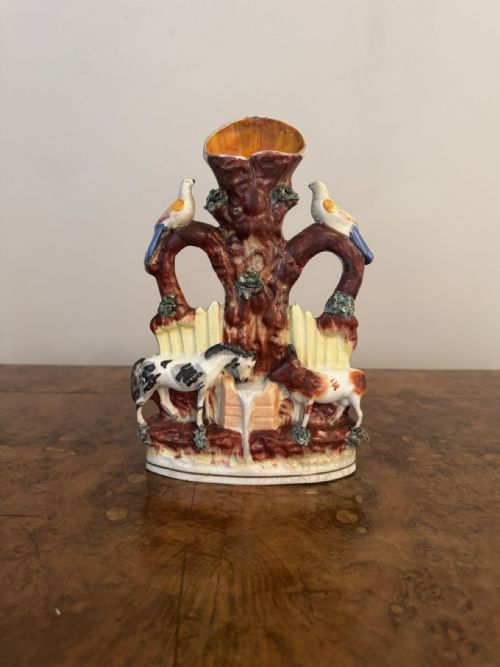
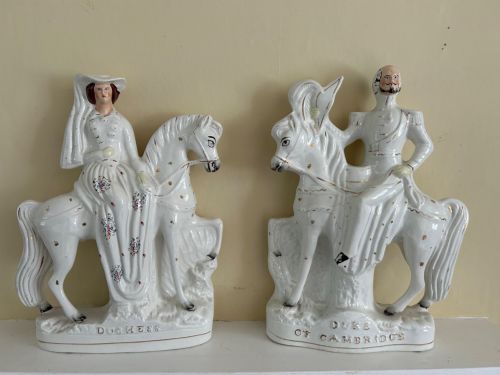
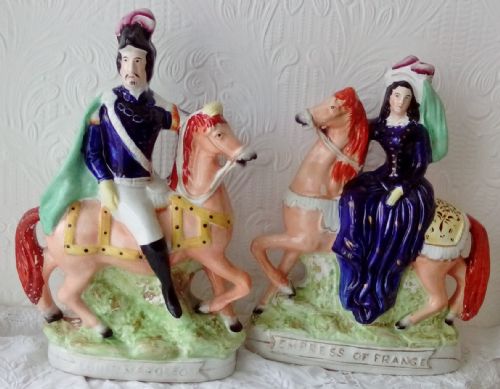
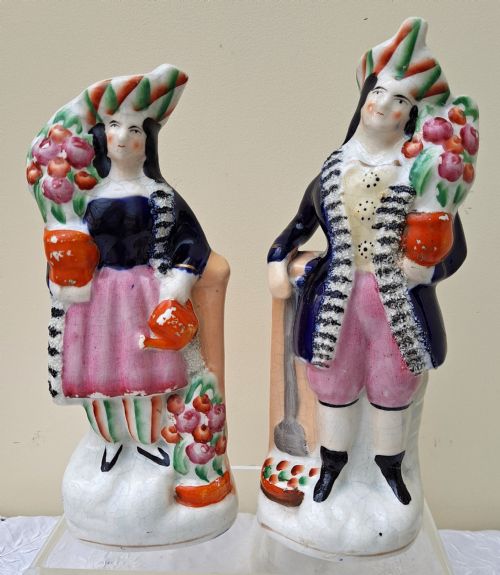
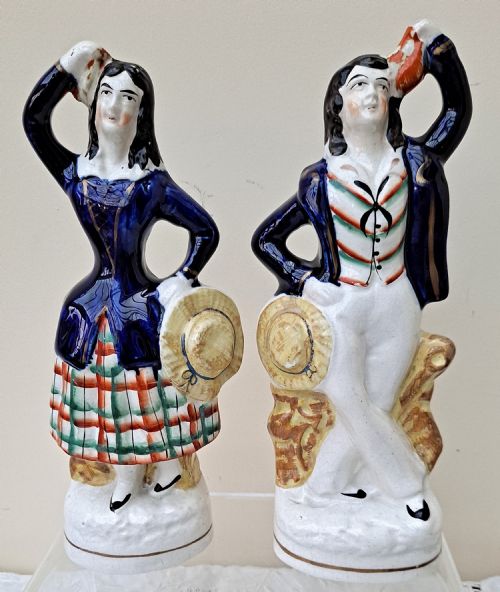
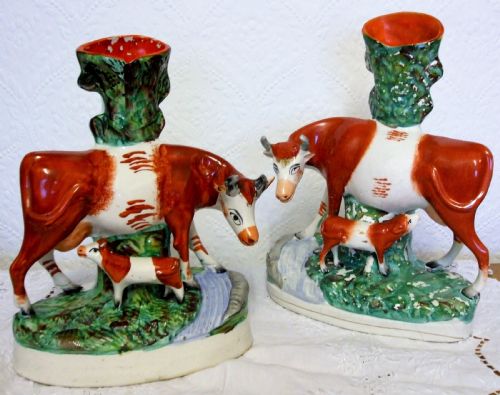
The versions most commonly met on this page belong to the Victorian era, spanning decades from the middle to the close of the nineteenth century. Makers modelled these ornaments as single subjects, pairs, equestrian groups and functional spill vases that held wooden matches or tapers on the hearth.
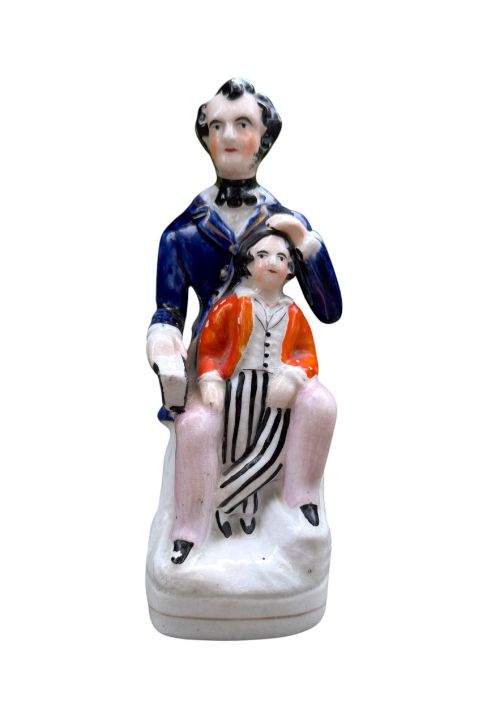
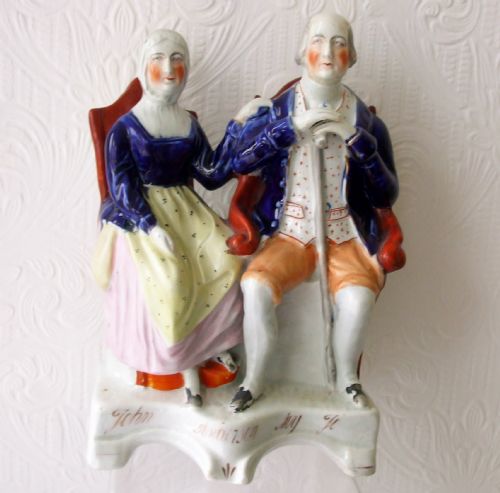
Subjects range from statesmen, soldiers and literary figures such as Robin Hood and John Anderson to exotic animals like zebras and greyhounds with hares. This variety gives a collection its scope, moving from straightforward portraiture to complex theatrical pairings.
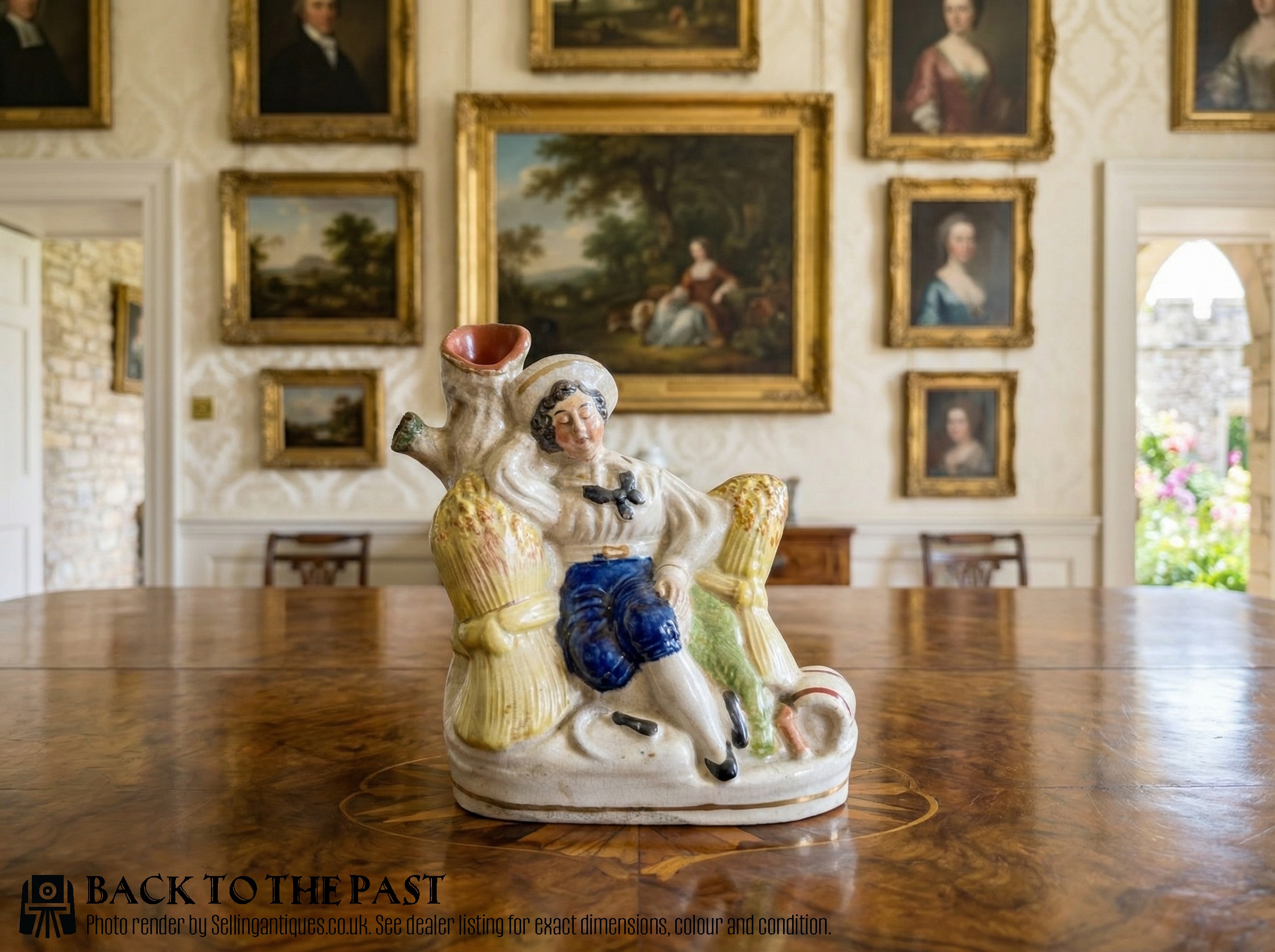
Materials and construction
Potters shaped these earthenware figures using press moulds that split vertically, leaving the backs flat and largely unglazed to save on materials and firing space. Artisans then joined the front and back sections by hand before applying earthenware clay details and handles or bocage elements where appropriate.
Antique Flatback Figurine Retail Price Guide 2026
Typical asking prices for flatback figurine among the pieces listed under this phrase on Sellingantiques today, from the lower quarter to the upper quarter. They describe what is for sale here now, not the wider market.
Zebras and giraffes join the royal generals on the mantelpiece, proving Victorian potters drew inspiration from menageries as much as parliament.
What separates the grades
Quality in these ceramics rests heavily on the crispness of the moulding and the precision of the hand-painting. Pieces from the upper end of the range display sharply defined facial expressions, cleanly painted eyes and carefully brushed enamel work that avoids bleeding across boundaries.
Proportion and scale also dictate the standing of a piece within the medium. Larger figures and balanced pairs with intact bocage or complex architectural elements demand superior skill from the potter, distinguishing ambitious works from standard commercial output.
The Antique Flatback Figurine Glossary
- Flatback
- A pottery figure modelled with a finished front and a flat, unglazed or minimally glazed reverse designed to sit flush against a wall. This construction method reduced weight and manufacturing costs during the nineteenth century.
- Spill vase
- A hollow cylindrical holder incorporated into a pottery figure to store wooden vestas or tapers for lighting pipes and candles. These dual-purpose items combine practical hearth utility with decorative subjects.
- Bocage
- Applied ceramic foliage or tree branches used as a background backdrop behind a figure. It creates a leafy arbour effect common in Staffordshire pottery groups.
- Earthenware
- Porous pottery fired at relatively low temperatures and rendered impermeable through the application of a vitreous glaze. It forms the standard ceramic body for nineteenth-century Staffordshire ornaments.
- Enamel paint
- Vitreous pigments applied over a fired glaze and fixed in a muffle kiln at a lower temperature. This technique allowed makers to achieve vibrant surface colours on finished white backgrounds.
Antique Flatback Figurine: Frequently Asked Questions
Where were flatback figures displayed?
Victorian households placed these earthenware ornaments on mantelpieces, chiffoniers and high shelves where their flat backs could rest securely against a wall.
Because they were designed for visual impact from the front, they filled domestic spaces with colour and topical interest without requiring clearance on all sides.
What subjects are most common?
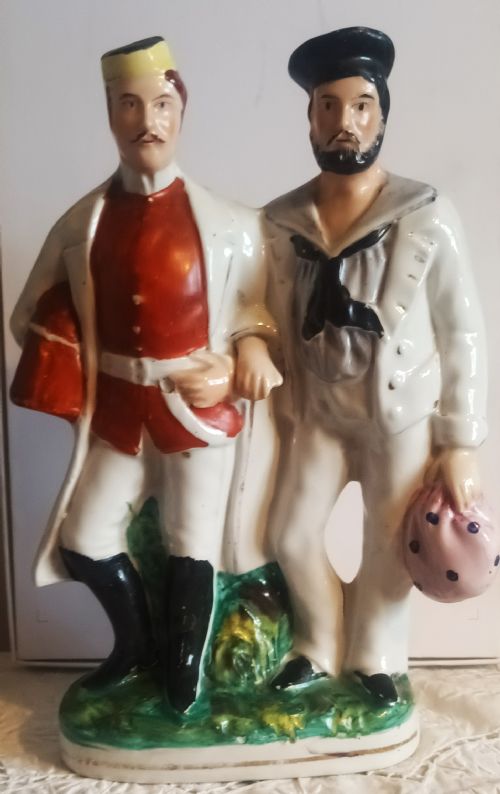
The inventory frequently records royal portrait figures, theatrical pairings, military heroes from conflicts like the Crimean War and rustic animal groups.
These subjects reflected contemporary news, popular literature and moral themes that appealed to Victorian buyers.
Are these figures glazed on the back?
Most pieces leave the flat reverse unglazed or covered only with a thin wash of lead glaze because the back faced the wall and remained unseen.
This functional omission helps verify the traditional manufacturing methods of nineteenth-century Staffordshire potteries.