


Antique Fireplace Panel
An antique fireplace panel protects a room from radiant heat or frames a chimney breast, bringing period craftsmanship into a living space.
Antique Fireplace Panel
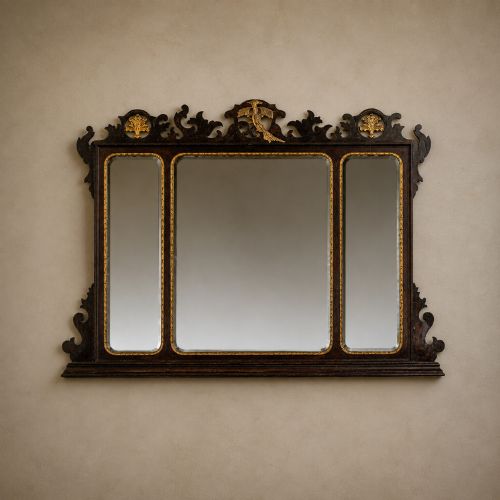
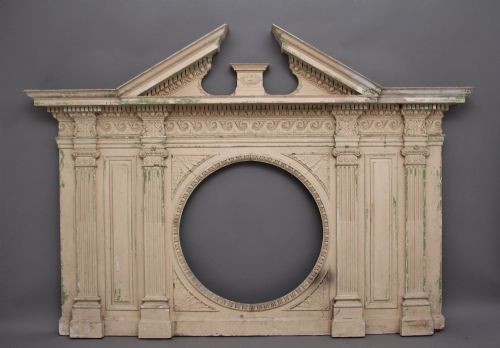
An antique fireplace panel encompasses architectural overmantel mirrors placed above a mantelpiece and portable firescreens designed to shield occupants from the fierce heat of an open fire. Overmantel mirrors frequently appear as tripartite or triptych structures featuring gilded frames, acanthus decoration, and occasionally cresting details.
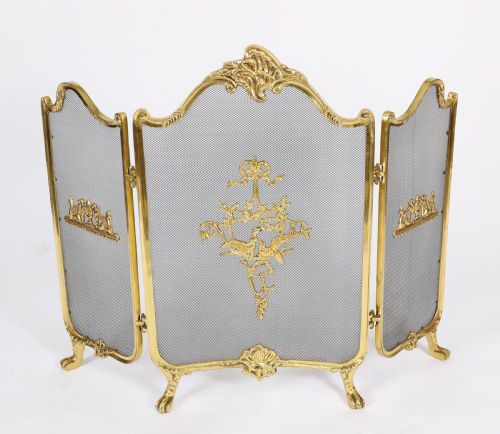
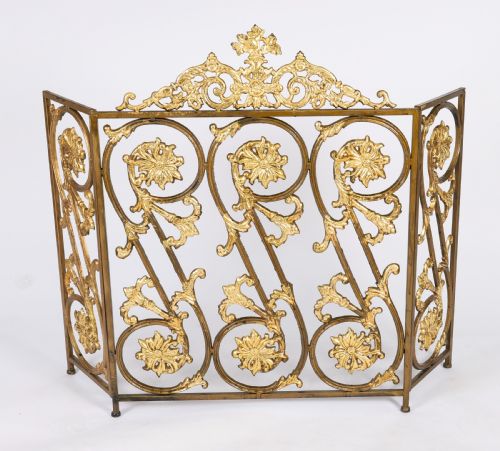
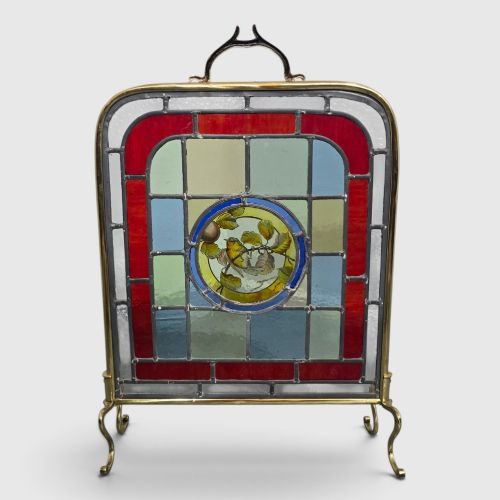
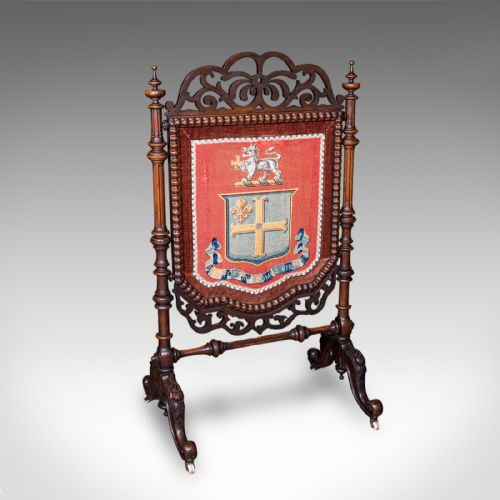
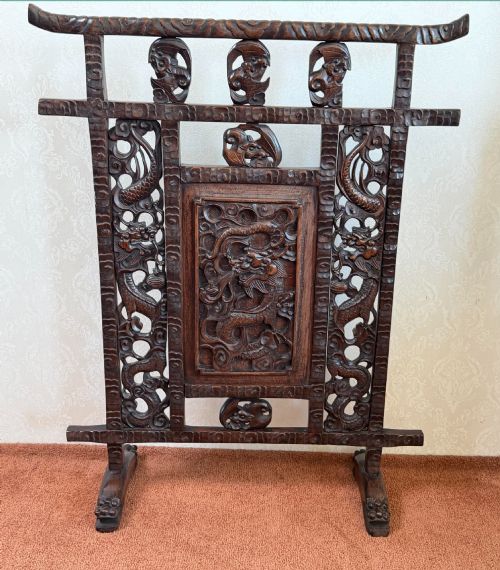
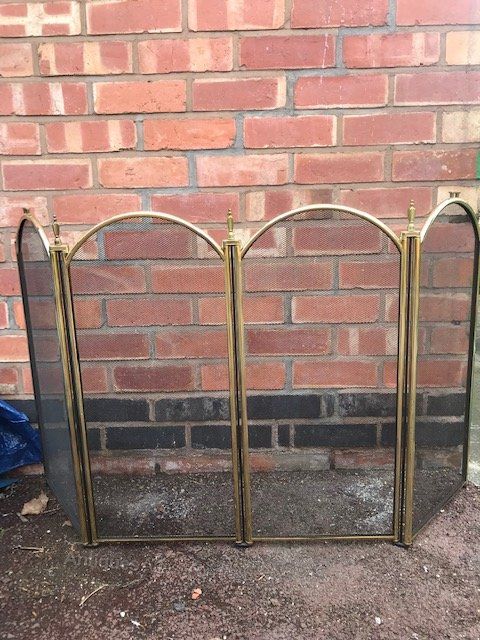
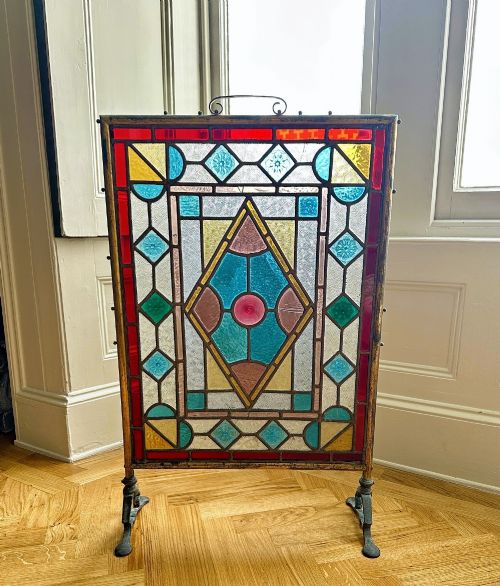
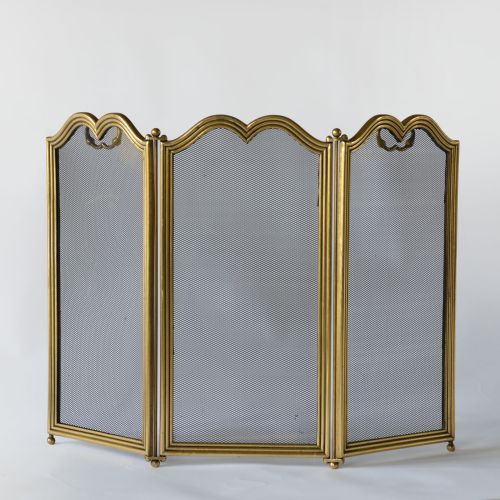
Firescreens take several distinct forms, including folding brass spark guards, pole screens with adjustable embroidered panels, and sturdy wooden frames housing needlework, glass, or tapestry inserts. Materials range from carved oak and walnut to rosewood, brass, copper, and giltwood.
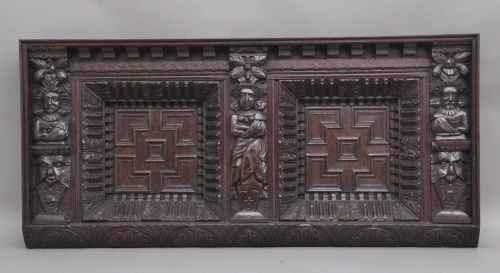
Origins span English, French, Irish, and Chinese workshops, with periods stretching from the seventeenth century through the Victorian era and into the early twentieth century. Buyers encounter architectural oak panels alongside delicate needlework screens and heavy ironwork spark guards.
How they were made
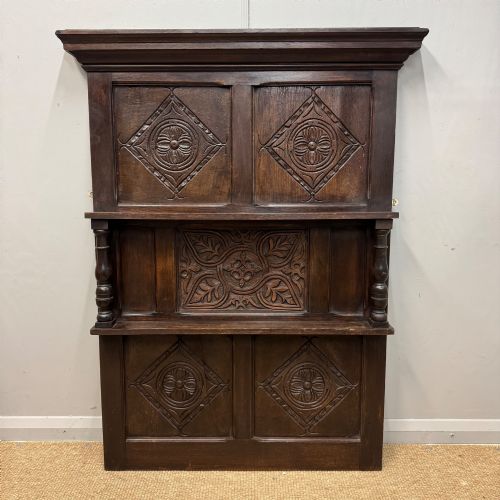
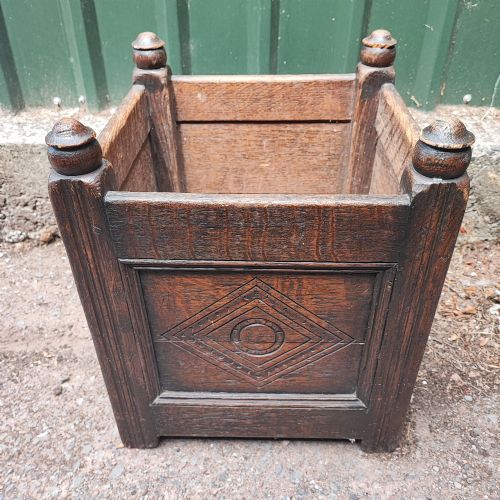
Makers utilised timber such as oak, mahogany, walnut, and rosewood for structural frames, employing traditional joinery and hand-carved ornamentation like acanthus leaves and figural motifs. Giltwood and gesso finishes required meticulous layers applied over a prepared base before gilding.
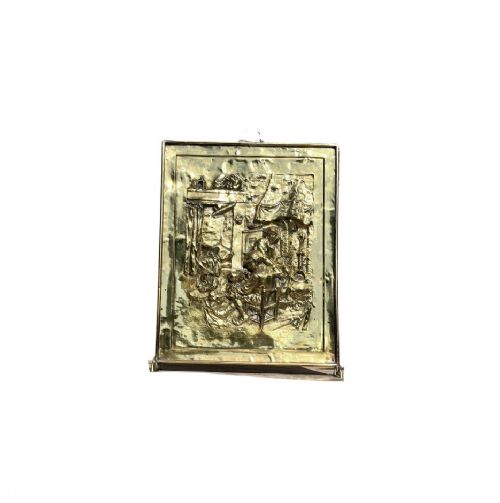
Metalwork firescreens combined brass, copper, and iron, utilising folding hinges, woven mesh, and riveted joints to create durable spark guards. Textile panels featured hand-stitched woolwork, silk embroidery, and needlepoint secured within wooden or brass channels.
Some Victorian pole screens doubled as occasional tables via metamorphic mechanisms, allowing tea to be served right beside the hearth.
What varies in quality
The distinction between ordinary and exceptional examples rests upon the crispness of the carving, the integrity of the original gilding, and the refinement of the joinery. Hand-carved wooden details and intricate needlework demonstrate superior artisan skill compared to mass-produced stamped metal or machine-woven textiles.
Proportion and balance dictate the architectural success of overmantel mirrors and folding screens, where well-considered dimensions and harmonious multi-plate arrangements elevate a piece above simpler utilitarian items.
The Antique Fireplace Panel Glossary
- Overmantel mirror
- A large mirror designed to hang directly above a fireplace mantelpiece. These often feature tripartite glass plates and giltwood frames.
- Pole screen
- A vertical wooden stand with an adjustable sliding panel used to block facial heat from a hearth. The panel typically displays needlework or tapestry.
- Triptych
- A piece composed of three folding sections or three adjacent panels. In mirrors and screens, this format provides angled side wings.
- Needlepoint
- Hand-stitched embroidery worked over a canvas mesh grid. It frequently decorates Victorian and Georgian fire screens.
- Giltwood
- Timber coated with a thin layer of gold leaf or gilt paint. This finish appears frequently on Regency and Victorian mirror frames.
Antique Fireplace Panel: Frequently Asked Questions
How do I choose an overmantel mirror?
Match the width of the mirror to the mantelpiece shelf below, ensuring the frame does not overhang the edges. Consider ceiling height when selecting tall tripartite designs to maintain correct room proportions.
Examine the frame for original gilding and check whether the glass plates show period characteristics such as slight distortion or foxing.
Were firescreens actually used?
Firescreens served a vital domestic purpose before central heating, protecting the face from the intense glare and heat of an open coal or wood fire. Ladies used adjustable pole screens to shield their complexion from excessive warmth.
Folding brass spark guards and heavy iron screens also prevented stray embers from spitting onto expensive carpets and wooden floors.
How do I date a wooden panel?
Examine the timber species, tool marks left during construction, and the style of any carved ornamentation. Oak panels with hand-chamfered edges and pegged joints often point to earlier centuries, whilst rosewood and walnut frequently indicate Victorian manufacture.
Hardware such as hinges, screws, and backboards provide reliable clues regarding the period of assembly or later restoration work.
Can I use a vintage screen daily?
Sturdy brass, iron, and wooden folding screens withstand regular use in front of modern working fireplaces. Ensure metal mesh and hinges remain secure before placing them near heat.
Delicate silk embroidery or fragile antique needlework panels benefit from placement away from direct flames and excessive moisture to preserve the textiles.