


Tudor Carved Wood Panel
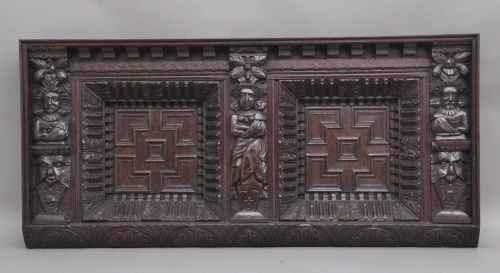
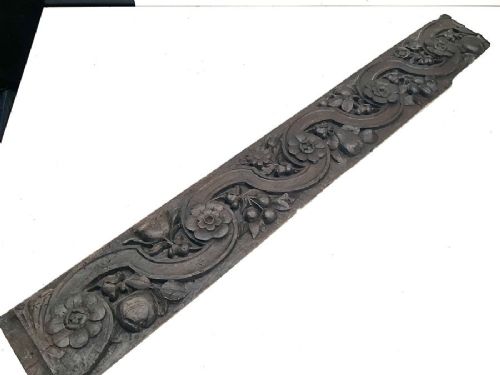
These Tudor carved wood panel examples bring heavy oak and walnut history directly to your walls, carrying the unmistakable weight of sixteenth-century craftsmanship.
Tudor Carved Wood Panel
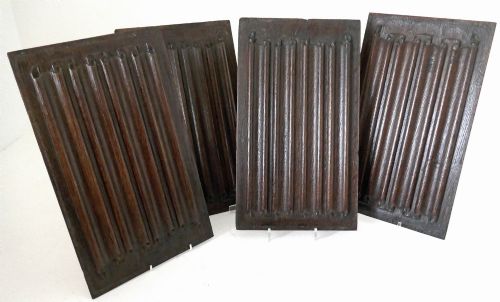
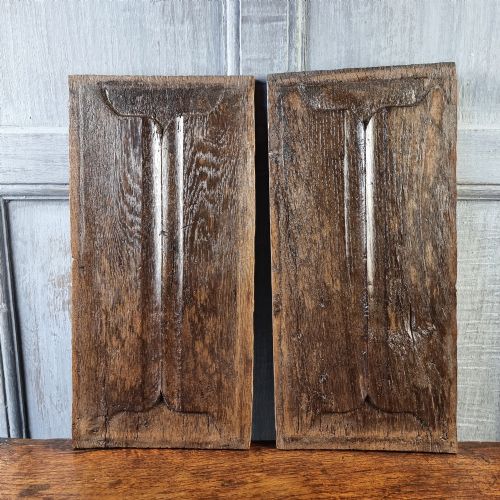
A tudor carved wood panel typically presents as a rigid architectural fragment, often salvaged from larger interior schemes, coffer fronts, or overmantles. When you search for a tudor carved wood panel, you encounter everything from authentic sixteenth-century linenfold designs to later nineteenth-century revival interpretations.
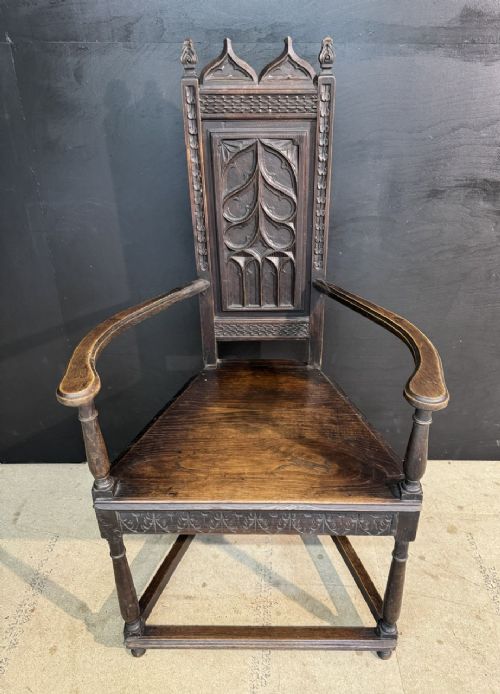
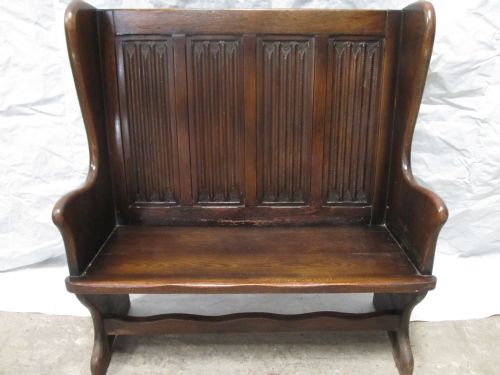
The objects take diverse forms beyond flat sections, appearing within high back settle seats, court cupboards, open bookcases, and wainscot armchairs. Most examples rely heavily on solid oak, though walnut and mixed timber appear alongside polychrome paint and iron hardware.
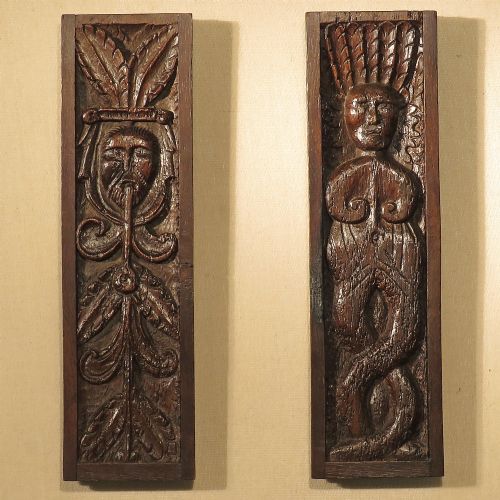
The historical spread spans from pre-sixteenth century work up through seventeenth-century friezes, alongside twentieth-century revivals dated to the nineteen-twenties and thirties. Buyers frequently meet linenfold motifs, green man reliefs, serpent carvings, and figurative biblical scenes such as the circumcision of Christ.
Assessing Quality and Authenticity
Quality rests in the crispness of the hand-carved relief and the integrity of the original timber. Early sixteenth-century work displays deep, confident chisel execution in linenfold or figural panels, whereas revival pieces from the nineteenth and twentieth centuries often exhibit mechanical uniformity.
The presence of period joinery and untouched surface patination separates genuine sixteenth and seventeenth-century survivals from later alterations and overmantle assemblies. Integration into later furniture, such as armchairs and settles, shifts the valuation toward the cohesion of the overall piece.
Listings feature periods ranging from pre-sixteenth century to the nineteen-thirties, executed in solid oak, walnut, and polychrome paint.
The Tudor Carved Wood Panel Glossary
- Linenfold
- A style of wood carving that imitates folded linen fabric, commonly seen on sixteenth-century panels. This motif became a defining characteristic of Tudor interior woodwork.
- Wainscot
- A type of fine oak panelling used on interior walls, or applied to heavy armchairs of the period. It denotes sturdy domestic construction from the sixteenth and seventeenth centuries.
- Overmantle
- The decorative framework situated above a fireplace, frequently incorporating carved wooden panels and friezes. These architectural elements anchor large historical rooms.
- Polychrome
- The practice of decorating architectural woodwork and sculptures in multiple colours using paint. Surviving traces add significant historical value to early panels.
- Coffer
- A heavy wooden chest used for storage, constructed with solid panels and robust framing. The front sections are often salvaged as decorative wall reliefs.
Tudor Carved Wood Panel: Frequently Asked Questions
How do I hang a heavy wooden panel?
These solid oak and walnut panels carry substantial weight and require secure fixing directly into wall studs or masonry using appropriate metal brackets. Professional installation ensures the historic timber remains unstressed.
Avoid relying on simple picture wire attached to fragile elements. Weight distribution must rest entirely on the structural frame of the panel.
Are these panels from the Tudor period?
The selection includes authentic sixteenth-century items alongside nineteenth-century Gothic Revival and nineteen-thirties Tudor Revival pieces. Examining the tool marks and timber shrinkage helps determine the exact age.
Documentation and stylistic analysis clarify whether a piece dates to the original reign or represents a later revivalist tribute.
What is a Green Man carving?
A Green Man depicts a face surrounded by or disgorging foliage, symbolising rebirth and the cycle of growth in medieval and Tudor architecture. These striking reliefs frequently appear on architectural woodwork.
Their inclusion in domestic panels reflects the enduring folk traditions integrated into sixteenth-century design.