


Antique Fireplace Mantle
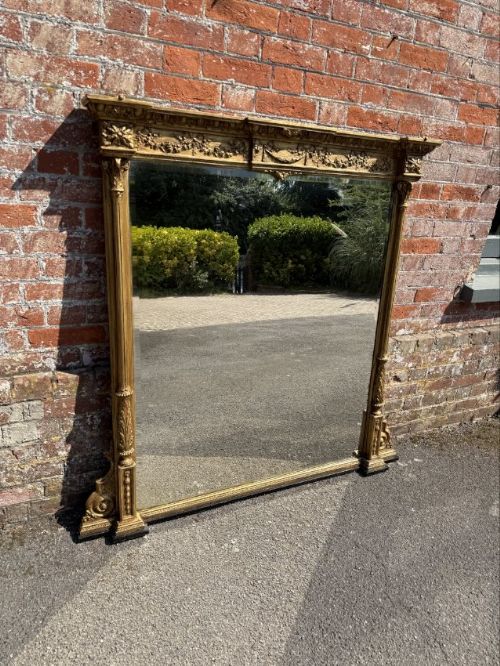
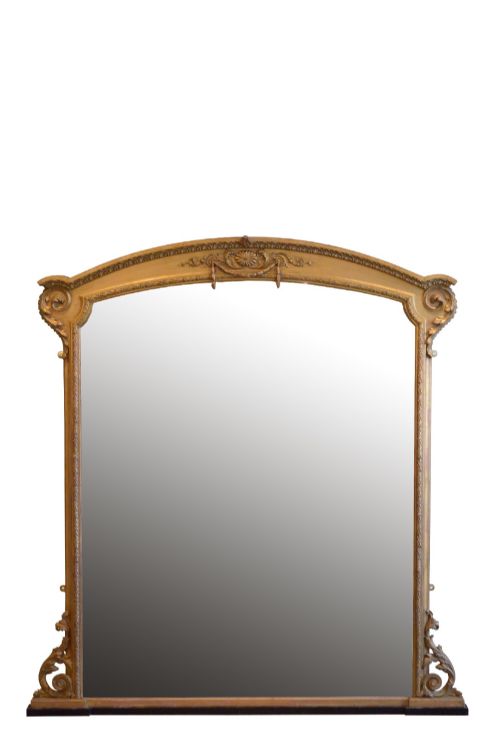
When you search for an antique fireplace mantle, you are looking at substantial mirrors and architectural surrounds designed to anchor the room above the hearth.
Antique Fireplace Mantle
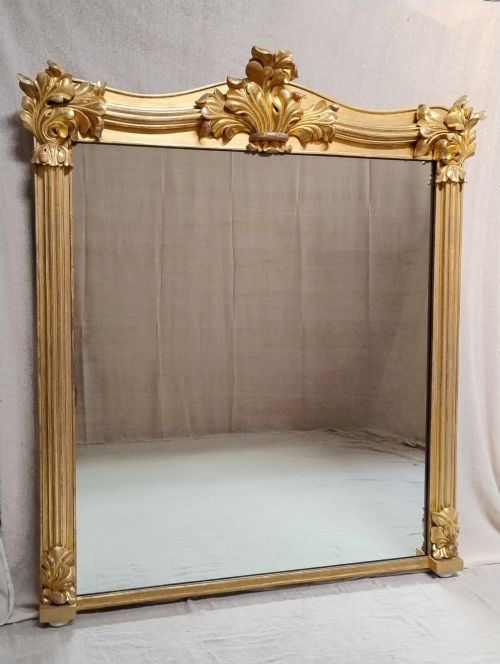
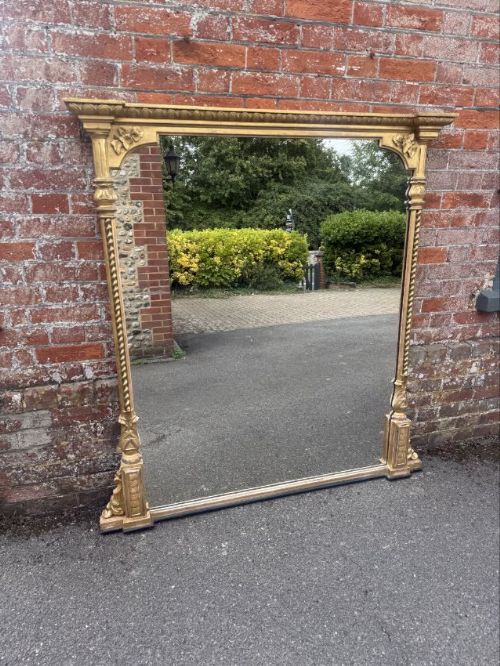
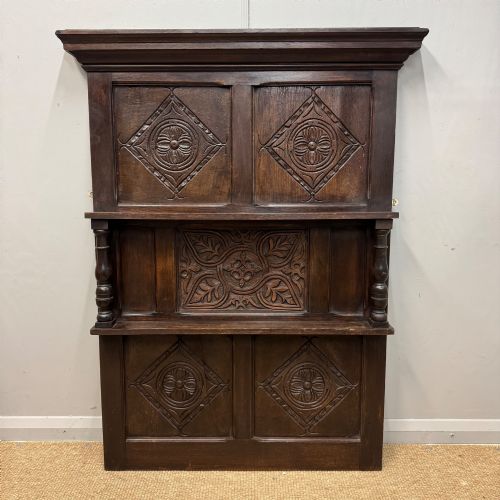
The antique fireplace mantle search phrase covers large overmantel mirrors and architectural fire surrounds designed to sit directly above hearths. Most examples encountered here date from the nineteenth century, including specific Victorian and Regency periods, alongside earlier seventeenth-century oak panels.
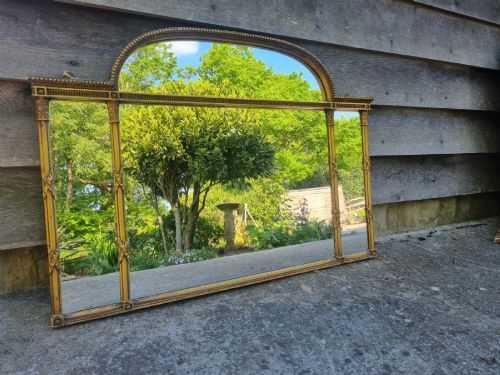
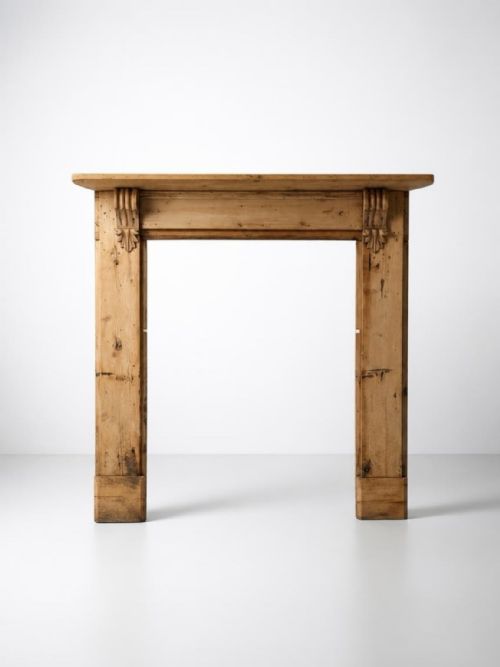
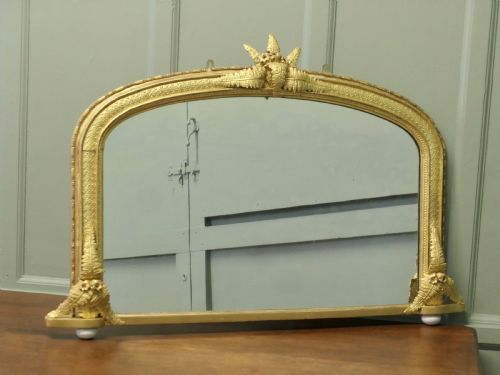
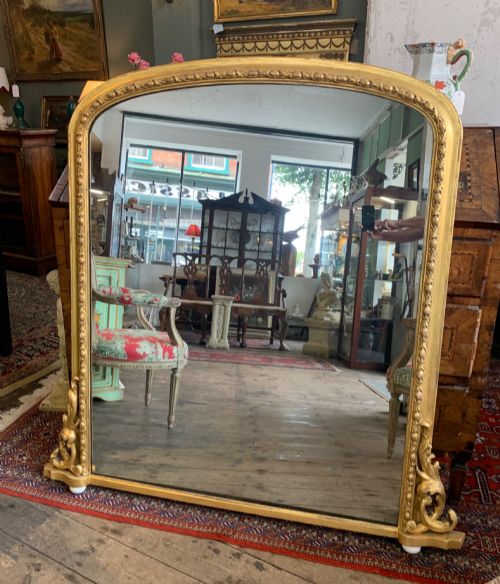
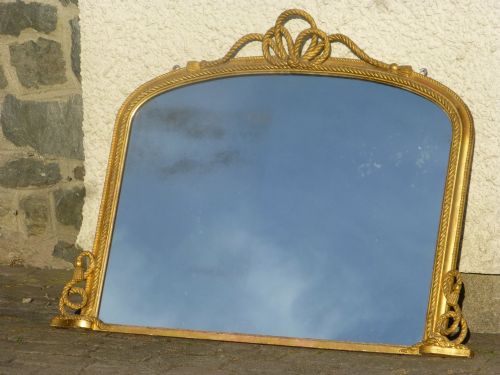
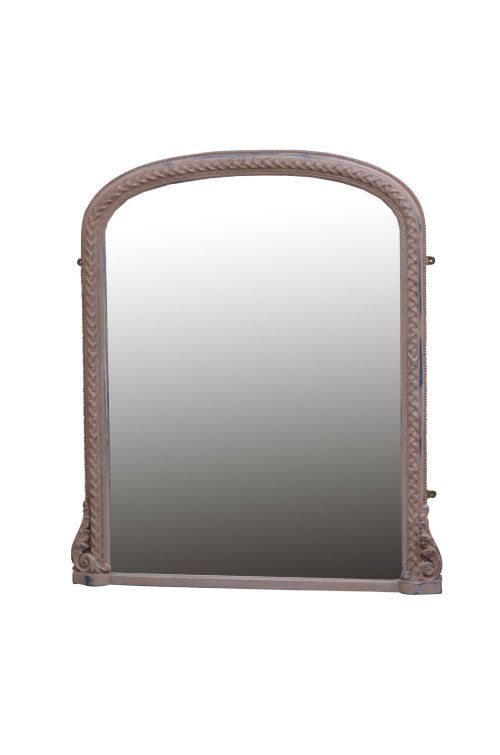
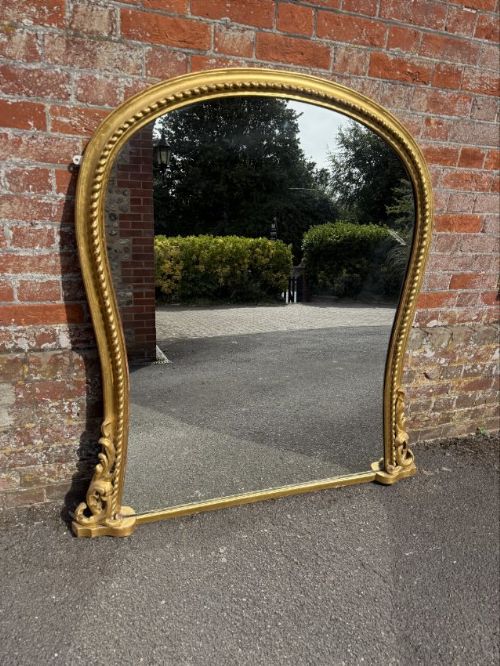
The primary forms on this page divide between gilded overmantel wall mirrors with arched or rectangular plates and timber fire surrounds fashioned from pitch pine, oak, and mahogany.
Materials and Technique
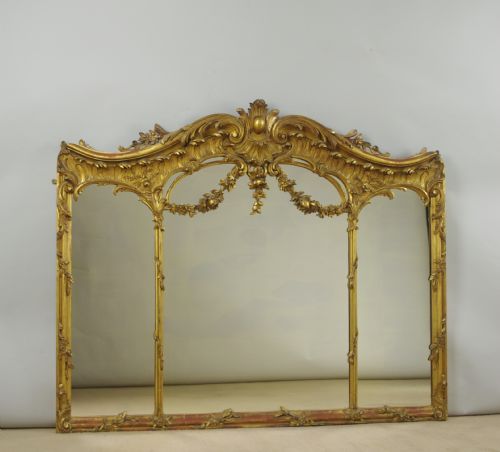
Carved wood and gesso provide the foundation for most gilt mirrors, shaped into rope twists, columns, and ribbed framing before receiving gold leaf. Timber surrounds rely on solid oak, pitch pine, and mahogany, shaped into panels or structural fire surrounds.
Makers integrated mirror glass, sometimes utilising triple plates, alongside painted and silvered surface treatments to catch the light above the fireplace.
Listings span the seventeenth to the twentieth centuries, featuring wood, gesso, giltwood, and mirror glass.
Distinctions in Execution
Quality rests upon the crispness of the carved wood and gesso ornamentation, where deeper relief and careful hand-finishing separate finer items from simpler production. The preservation of original gilding and historic glass plates also shapes the standing of each piece.
Structural integrity in timber surrounds and the depth of the mirror frame moulding dictate how successfully the piece commands the wall space above a hearth.
The Antique Fireplace Mantle Glossary
- Overmantel mirror
- A large mirror specifically proportioned to hang on the wall directly above a fireplace mantelpiece. These pieces often feature low horizontal dimensions or arched tops to follow the architectural lines of the chimney breast.
- Gesso
- A plaster-like mixture applied to wood frames to create a smooth surface for gilding. Artisans carved intricate decorative motifs directly into this layer.
- Giltwood
- Timber that has been coated in gold leaf or gold paint. This technique added reflective brilliance and formal weight to interior architectural fittings.
- Fire surround
- The decorative architectural framework of wood, stone, or iron enclosing the sides and top of a fireplace opening. These surrounds define the visual scale of the hearth within a room.
Antique Fireplace Mantle: Frequently Asked Questions
How do I hang a heavy overmantel mirror?
These large mirrors carry considerable weight due to their wooden frames and thick glass plates. Secure fixings into structural wall studs or masonry are essential to support the load safely above a fireplace.
Professional mirror brackets or heavy-duty French cleats distribute the weight evenly across the frame. Checking the wall construction before purchase ensures the mirror can be mounted securely.
Were these mirrors originally made for fireplaces?
Most overmantel mirrors were constructed specifically to occupy the chimney breast wall directly above the mantelpiece. Their elongated horizontal proportions and arched tops were designed to sit harmoniously above hearth surrounds.
Some pieces doubled as principal wall mirrors in reception rooms, but their dimensions usually correspond to standard nineteenth-century ceiling heights and fireplace widths.
How do I clean antique gilt frames?
Dust accumulated on carved gesso and giltwood requires gentle removal with a soft, dry brush. Moisture can damage fragile water gilding and historic plasterwork.
Avoid chemical cleaning agents or commercial sprays entirely, as these strip the historic gold leaf and underlying gesso. Professional restoration is recommended if the surface shows active flaking.
What indicates a Regency period mirror?
Regency pieces often display classical motifs, restrained architectural lines, and bold column or rope-twist framing in giltwood. The proportions lean towards classical balance and refined neoclassical ornamentation.
Comparing the construction joints, backboards, and gilding technique helps differentiate Regency examples from later Victorian reproductions or revivals.