
Antique Fireplace Kerb
An antique fireplace kerb anchors the hearth, combining practical protection with period character in brass, steel and iron.
Antique Fireplace Kerb
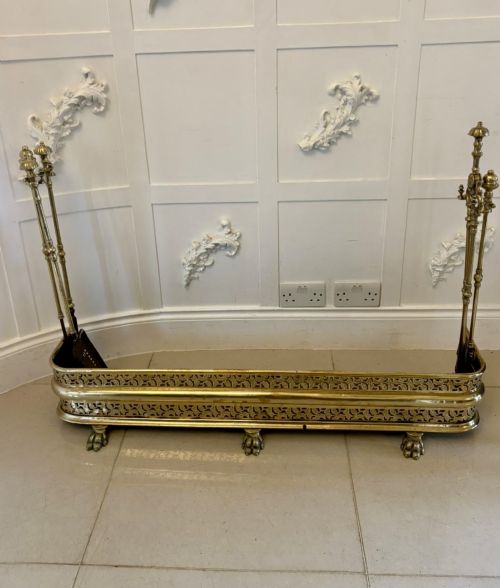
An antique fireplace kerb, also known as a fender, forms a low barrier around the hearth to contain stray embers and frame the fireplace opening. The examples seen on this page span several centuries, with a strong representation of 19th century and Victorian designs alongside Georgian and Edwardian pieces.
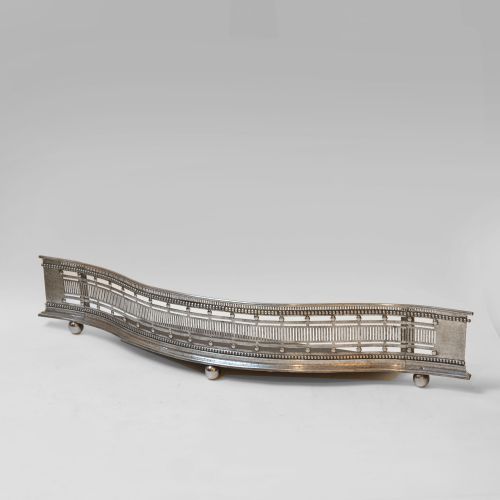
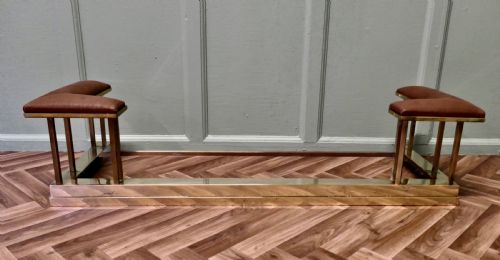
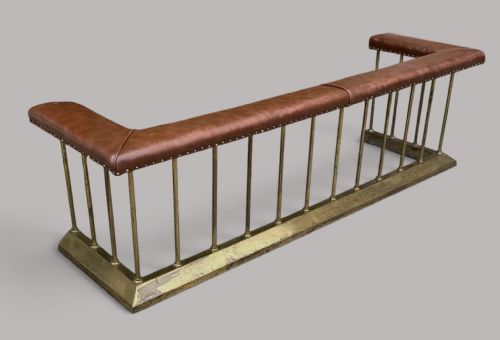
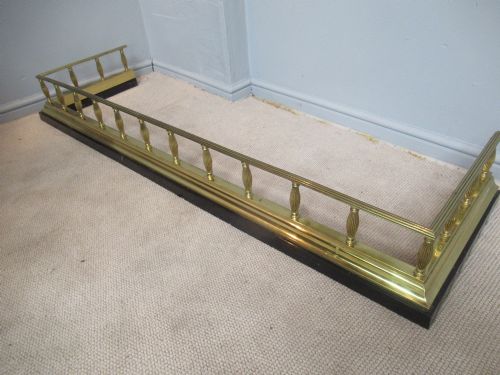
Buyers will encounter various formats, from simple adjustable brass rails to substantial club fenders fitted with leather seats. Forms range from straight serpentine profiles to extended frames designed for grander chimney breasts.
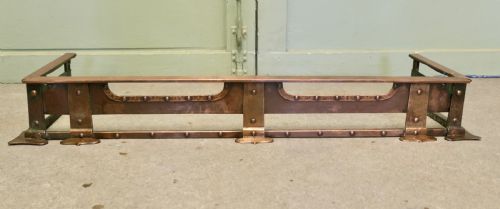
Origin and period dictate much of the character, drawing on styles that shift from Georgian restraint through Victorian ornamentation to the linear work of the Arts and Crafts and Art Nouveau movements.
Materials and construction methods
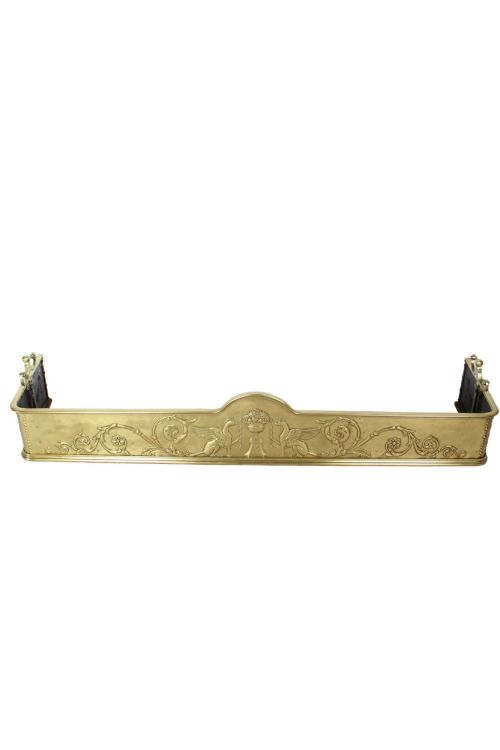
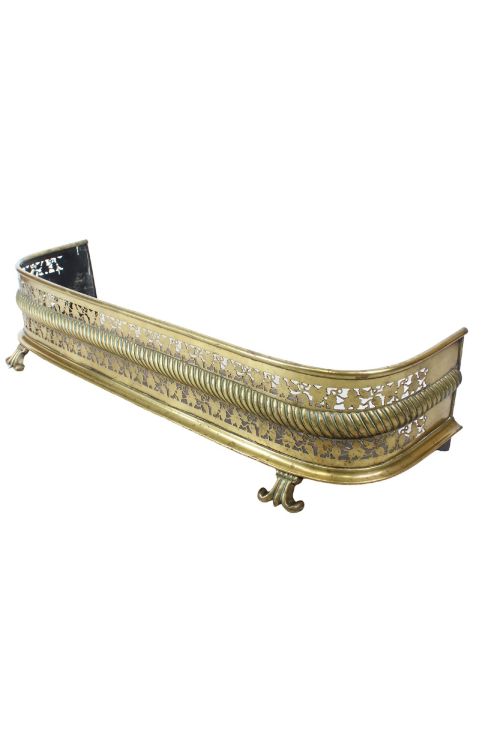
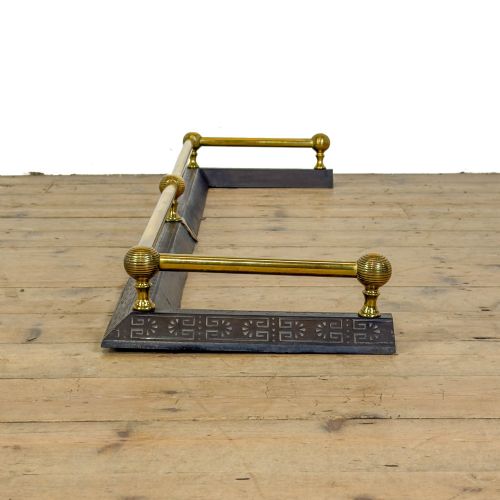
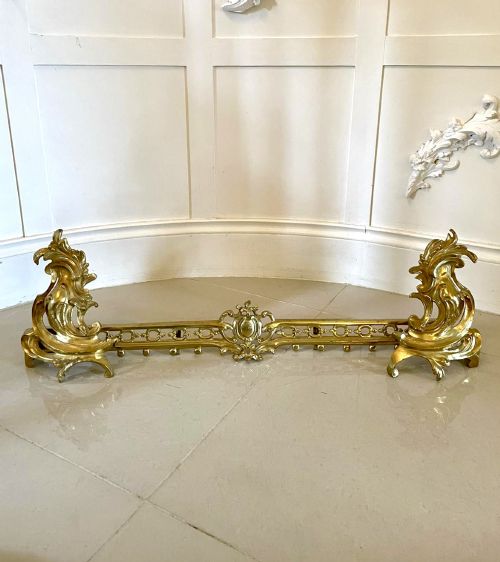
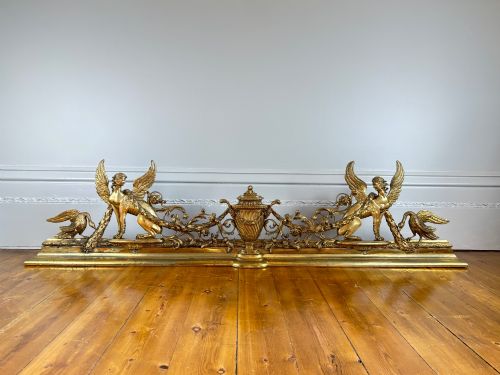
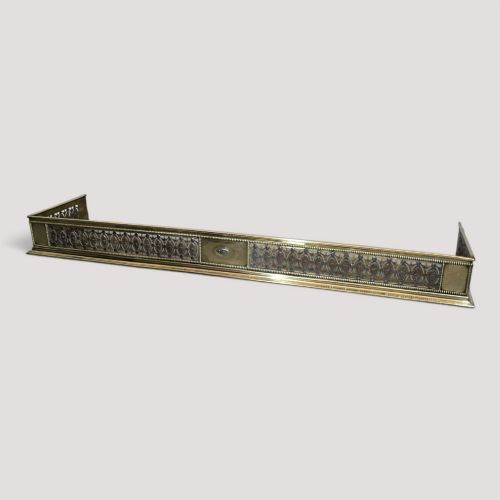
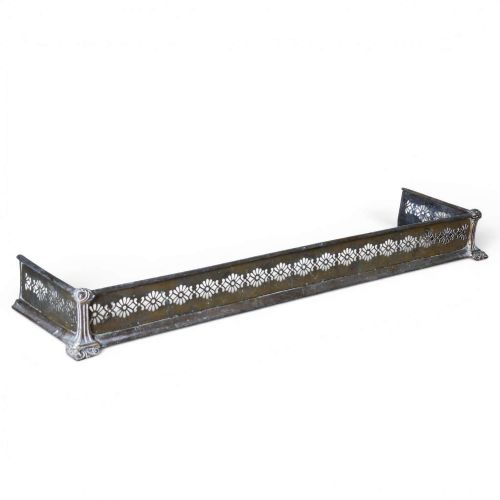
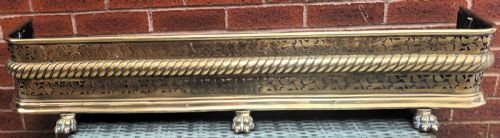
Metalworking defines these pieces, utilising brass, cast iron, steel and copper, often combined within a single frame. Brass components frequently feature piercing, casting or repousse work, whilst steel and iron provide structural weight and rigidity.
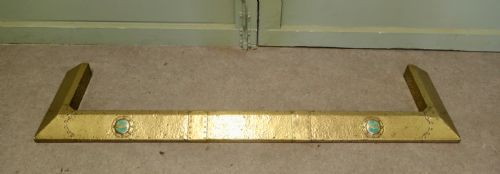
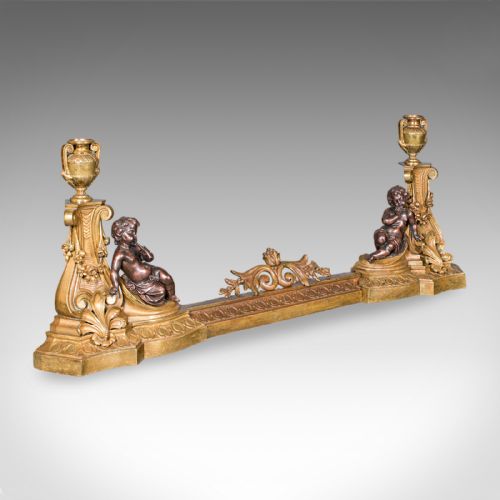
Surface treatments vary according to period, including cut steel studs, gilt bronze highlights and enamel cabochons set into copper or brass bodies. Club fenders incorporate traditional upholstery techniques, pairing metal bases with padded leather seat tops.
Listings feature extensive examples in brass and copper alongside steel and iron, spanning the Georgian, Victorian and Edwardian eras.
Assessing quality in hearth furniture
Quality rests in the weight of the metal gauge and the crispness of the detailing, such as pierced fretwork or hand-beaten copper panels. Heavier frames maintain structural integrity better over decades of hearthside use.
The integrity of joints and the retention of original elements, including fire irons or specific leather upholstery, separate standard utilitarian barriers from exceptional examples.
E F Caldwell New York
The Antique Fireplace Kerb Glossary
- Fender
- A low metal guard placed around the hearth to keep burning fuel and ash contained. It serves both a protective and a decorative function in the room.
- Club fender
- A low, padded-seat hearth surround that allows people to sit close to the fire. They frequently feature leather upholstery over a metal or oak frame.
- Serpentine front
- A curved shape that undulates outward in the centre and inward at the sides. This profile appears frequently on finer Georgian and Victorian steel and brass pieces.
- Pierced brass
- Metal sheet perforated with decorative patterns using saws or punches. This technique lightens the visual weight of heavy brass guards while displaying intricate designs.
- Patera
- A circular ornamental motif resembling a classical libation dish, often pressed or cast into metal fenders. It frequently decorates the corners or central panels of Victorian examples.
Antique Fireplace Kerb: Frequently Asked Questions
What is a club fender?
A club fender is a hearth surround built with integrated upholstered seats on either side. This design allowed Victorians and Edwardians to sit directly beside the fire.
They generally combine a brass or iron base with leather squab cushions, providing functional seating within the living space.
How do I clean antique brass?
Antique brass benefits from gentle dusting and occasional cleaning with appropriate non-abrasive metal polishes. Aggressive scrubbing removes the historical surface patina that collectors value.
Preserving the darkened recesses of engraved or pierced patterns maintains the visual depth of the metalwork.
Are these kerbs adjustable?
Many period fenders incorporate sliding mechanisms to alter the overall length for different fireplace openings. These adjustable models allowed owners to resize the barrier during home moves.
Checking the mechanism ensures the sliding components move smoothly without binding or straining the metal joints.
How do I date a fender?
Dating relies on combining material choices, decorative motifs and construction techniques seen across different design movements. Georgian pieces often display clean steel serpentine fronts, whilst Victorian examples favour heavy pierced brass and Arts and Crafts pieces show beaten copper.
Comparing the specific hardware and joining methods helps narrow down the decade of manufacture.