

Antique Figure Stand
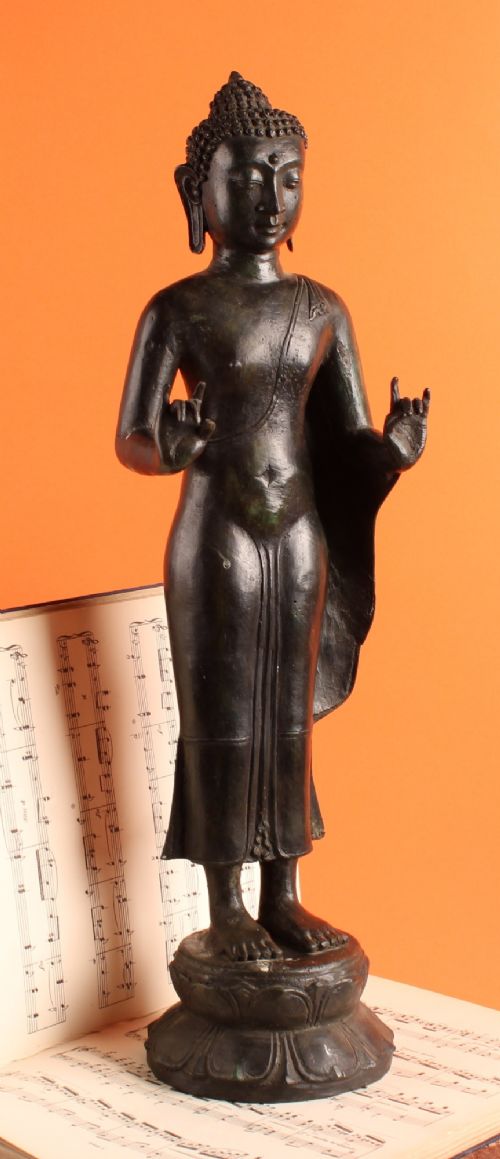
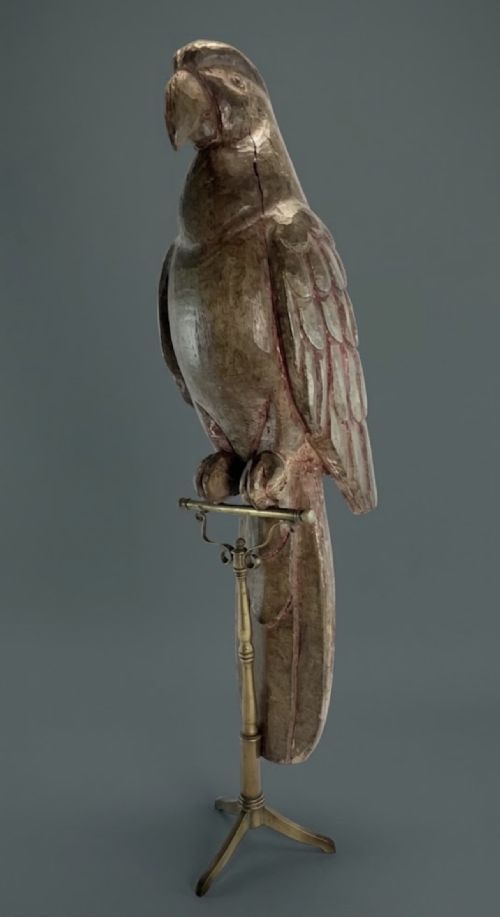
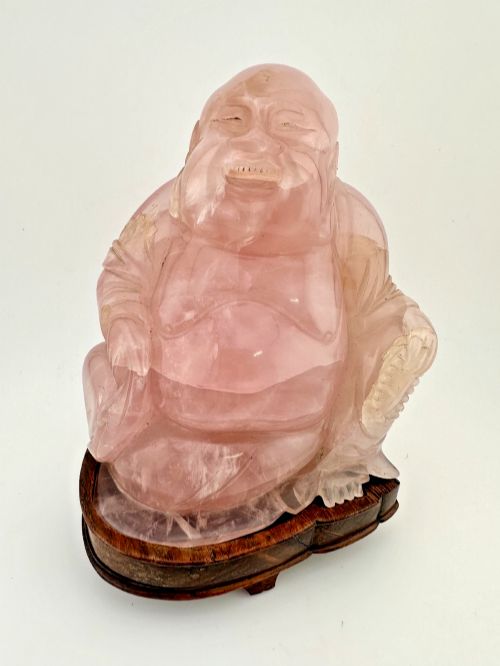
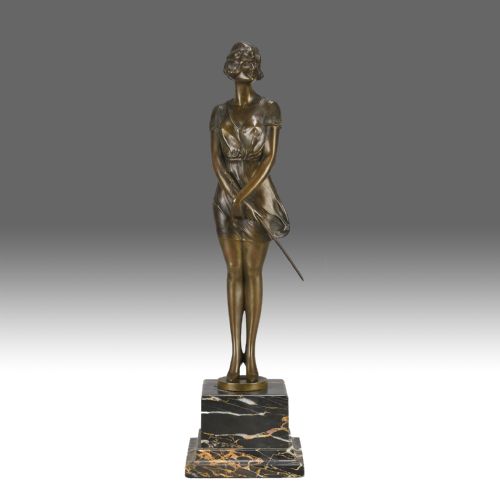
When searching for an antique figure stand, a buyer encounters a diverse group of objects designed to elevate sculptures, clocks or ornamental pieces.
Antique Figure Stand
When searching for an antique figure stand, collectors encounter a varied assortment of elevations, pedestals and platforms designed to support sculptures, lamps, or decorative objects. These items range from dedicated display plinths and torcheres to lower chest-on-stand furniture pieces originating across the eighteenth, nineteenth, and early twentieth centuries.
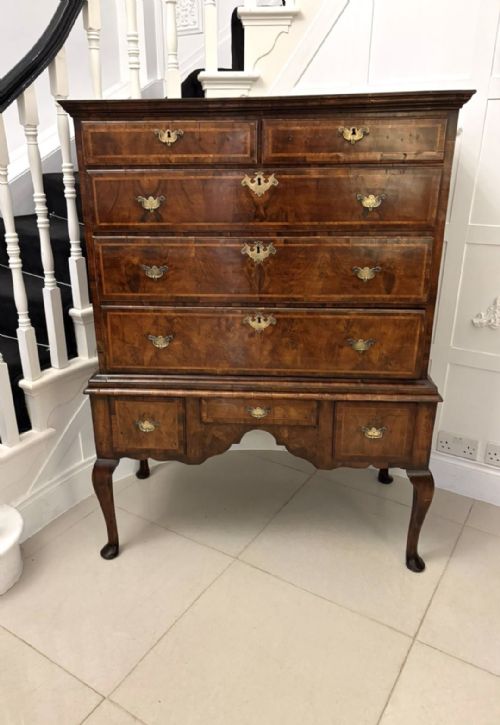
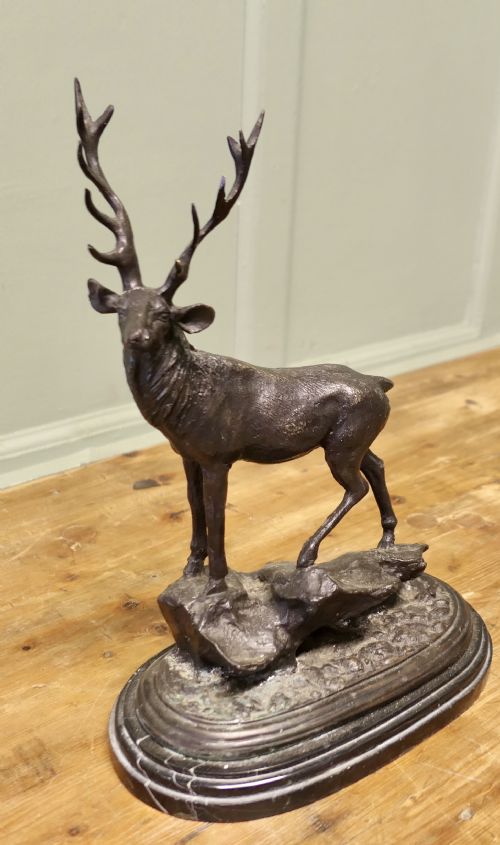
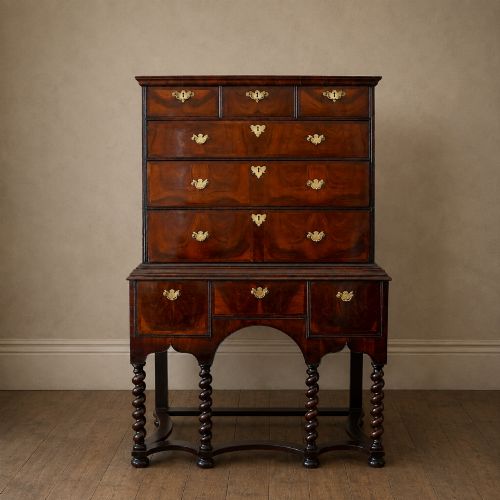
The selection here encompasses everything from small marble plinths used for bronze animalier figures to substantial wooden support structures like walnut chests on stands from the Queen Anne and George I eras. Stylistic influences span from Victorian and Edwardian interpretations to Art Deco designs and Black Forest carvings.
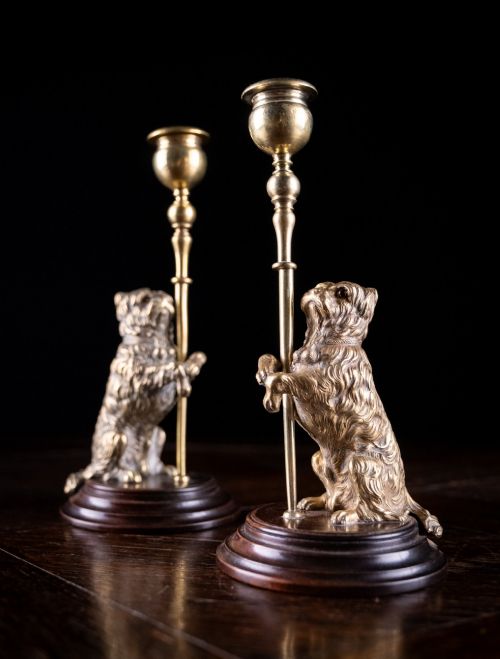
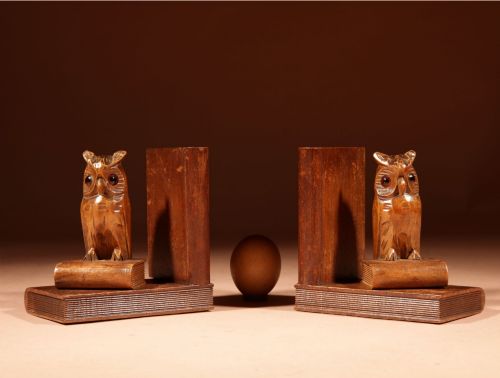
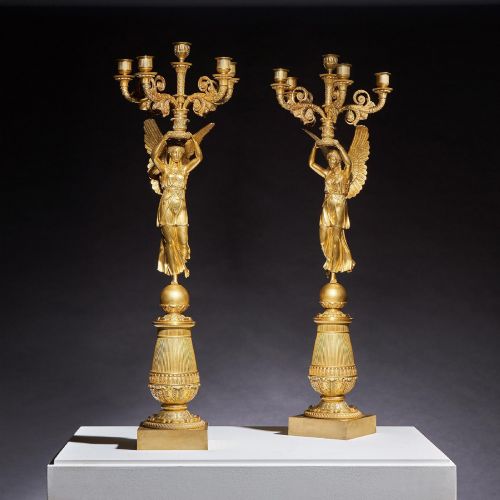
Buyers frequently find that these functional supports share the room with related figural items such as candlesticks, candelabras, and carved wooden bookends where the figure and the stand integrate into a single composition.
How They Were Made
The construction of these supports relies heavily on traditional cabinet-making timbers such as figured mahogany, walnut, and limewood, alongside cast metals like brass, bronze, and gilt bronze. Artisans shaped these materials using period techniques including fine hand-carving, marquetry inlay, and precise joinery for furniture bases.
Metal components, particularly Vienna bronzes and French ormolu, demonstrate complex casting and patination methods typical of the nineteenth and early twentieth centuries. Plaster, terracotta, and hard paste porcelain also appear, showcasing moulded and hand-finished surfaces.
Materials represented across these supports include patinated bronze, figured mahogany, marble, gilt brass, and terracotta.
What Varies in Quality
The distinction between standard examples and top-tier items rests upon the crispness of the carving, the choice of timber figuring, and the fidelity of the bronze casting. Superior pieces display deep, intentional chisel work on carved wood or immaculate chasing on metal mounts.
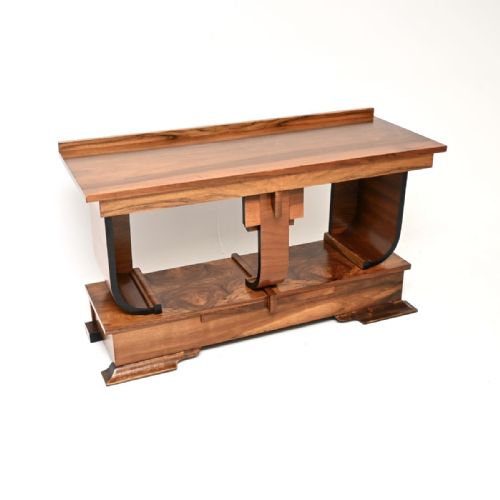
Proportion and structural integrity separate exceptional furniture supports from lesser alternatives, where the grain pattern of burr walnut or figured mahogany is matched symmetrically across the visible surfaces. Signed works by recognised modellers or workshops command attention through superior finishing and heavy, stable weight.
Bruno Zach·Pierre Philippe Thomire·P Granet·Kunio Itô·PJ Mene·Dopmeier
The Antique Figure Stand Glossary
- Torchere
- A tall stand or floor lamp designed to hold a light or a decorative figure at height. These slender supports date frequently from the Edwardian and Victorian periods.
- Ormolu
- Gilt bronze ornamentation applied to furniture or cast into independent candelabras and figures. This technique involves coating cast bronze in a layer of finely ground gold mercury amalgam.
- Chest on Stand
- A case piece consisting of a drawer section elevated upon a separate open leg base. Common in early walnut furniture from the reigns of Queen Anne and George I.
- Black Forest
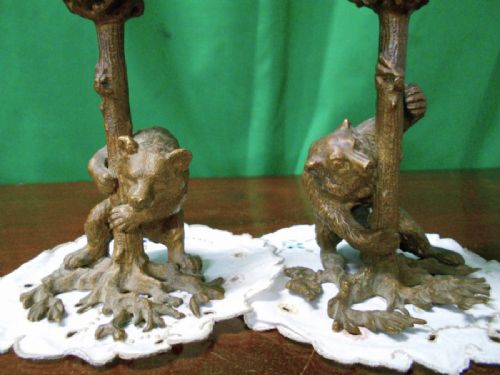
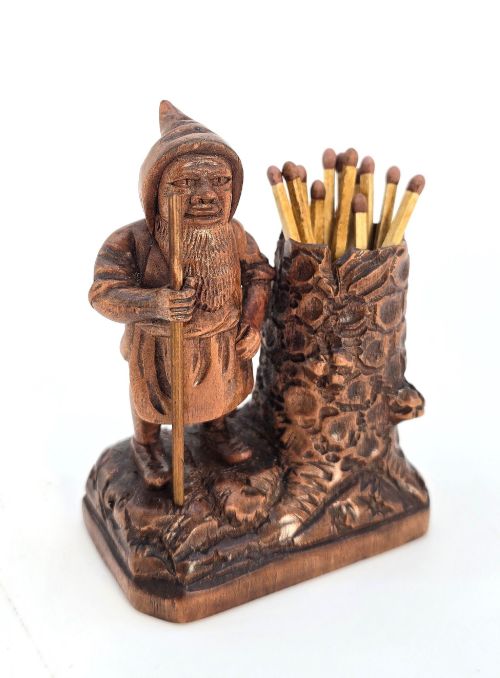
- A style of intricate wood carving originating from central Europe, typically executed in limewood or walnut. Depictions often include bears, owls, and other woodland wildlife incorporated into stands and inkwells.
- Patination
- The natural ageing and surface sheen developed on wood, metal, or leather over decades of handling and exposure. Collectors value untouched surfaces that show the authentic depth of history.
Antique Figure Stand: Frequently Asked Questions
What is an antique figure stand?
An antique figure stand is a dedicated base, plinth, or elevated piece of furniture designed to display a sculpture, bust, or ornamental object. These items elevate artwork to eye level while adding decorative presence to an interior.
Such supports range from small marble bases for cabinet bronzes to tall wooden torchere columns and chest-on-stand furniture from the eighteenth century.
How do I date a walnut chest on stand?
Dating a walnut chest on stand involves examining the timber grain, drawer construction, and leg style. Early eighteenth-century examples from the Queen Anne or George I periods typically feature rich burr walnut veneers and shaped cabriole legs.
Secondary woods, dovetailing techniques, and original brass hardware further help establish whether a piece belongs to the early seventeen-hundreds or later revival eras.
Where should I place a torchere stand?
A torchere stand suits corners, empty wall spaces, or flanking large pieces of furniture where vertical height is needed. They provide an ideal platform for tabletop sculptures, heavy urns, or decorative lamps.
Because many are tall and slender, placement should avoid high-traffic household areas where they might easily be knocked over.
Are bronze figures attached to their stands?
Many nineteenth and early twentieth-century bronze sculptures are permanently secured to marble plinths or integral metal bases using threaded bolts or pins. Other figures remain detachable from their wooden or stone supports.
Checking the underside of the base usually reveals the method of attachment employed by the foundry or maker.