
Antique Figure in Landscape
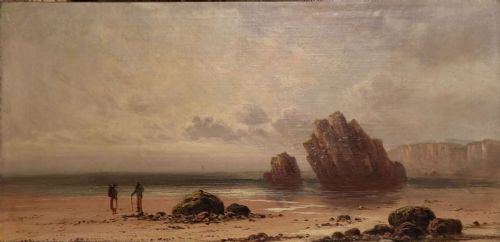
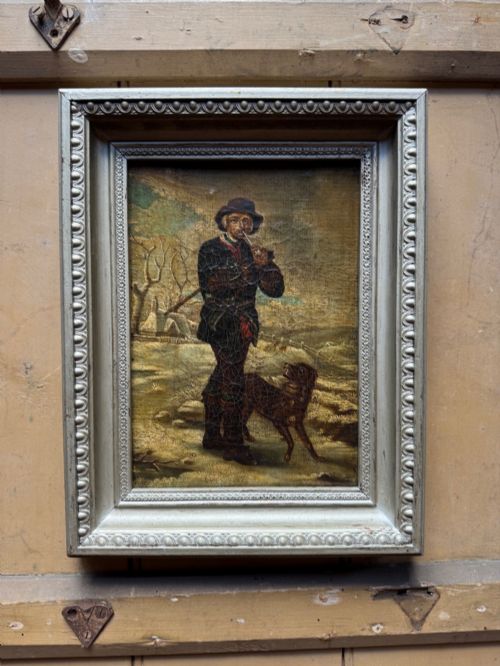
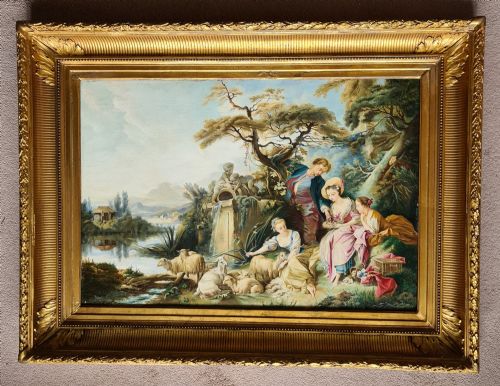
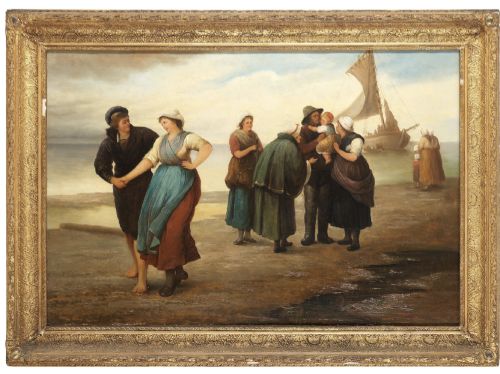
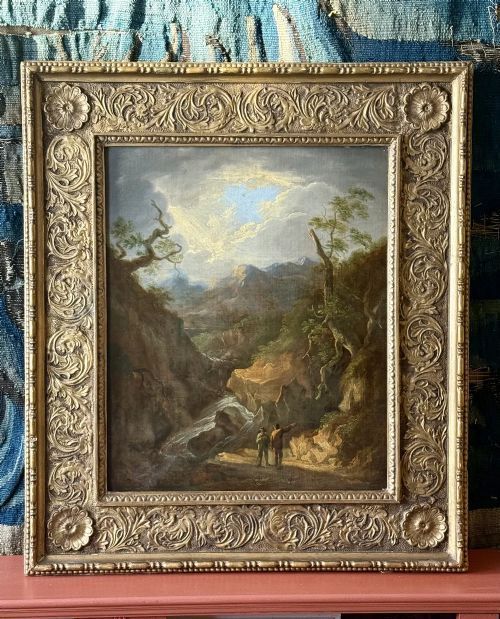
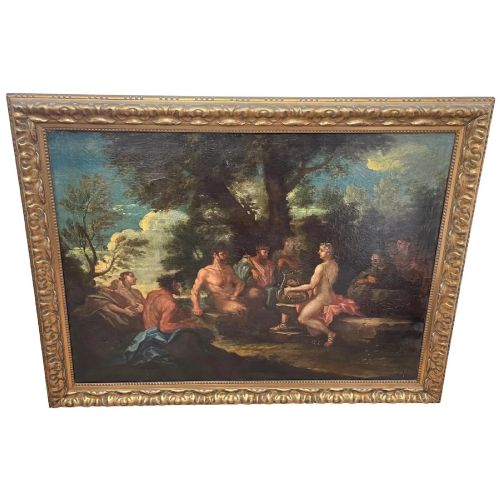
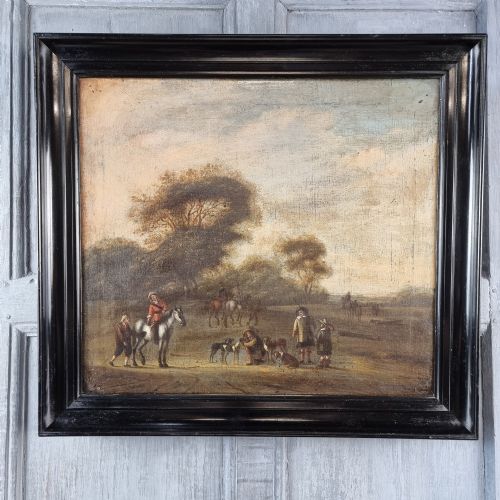
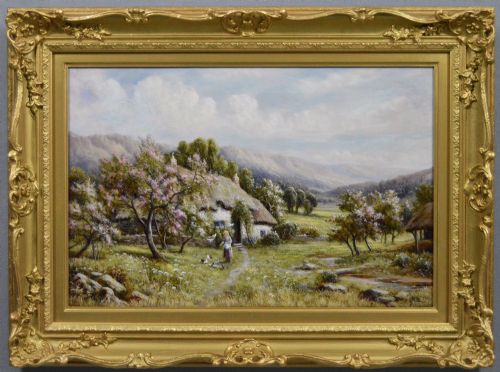
These paintings place human presence into expansive outdoor settings, capturing the quiet scale of nature alongside the everyday lives of travellers, labourers or wanderers.
Antique Figure in Landscape
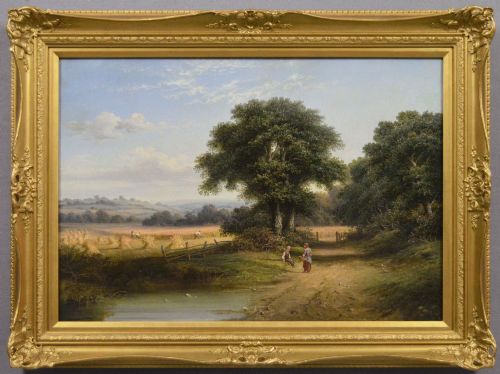
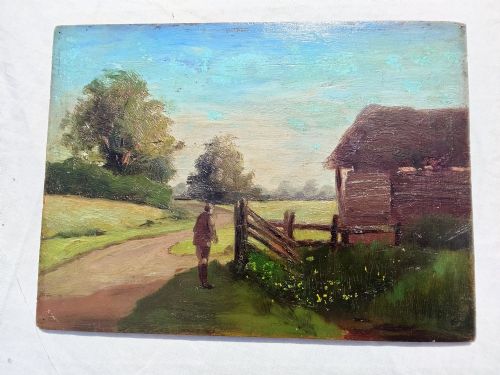
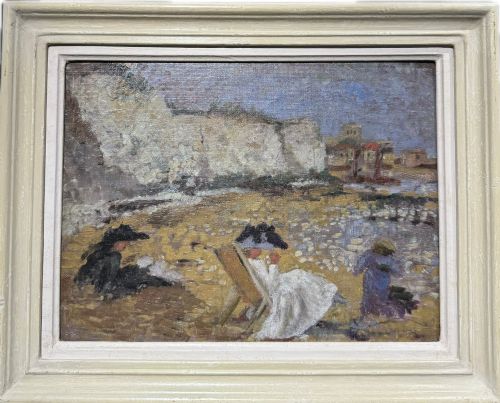
When searching for an antique figure in landscape, a buyer encounters painted compositions spanning several centuries, predominantly originating from British, French, Dutch and Italian schools. These works range from intimate watercolour studies on paper to large oil paintings on canvas and wooden panels.
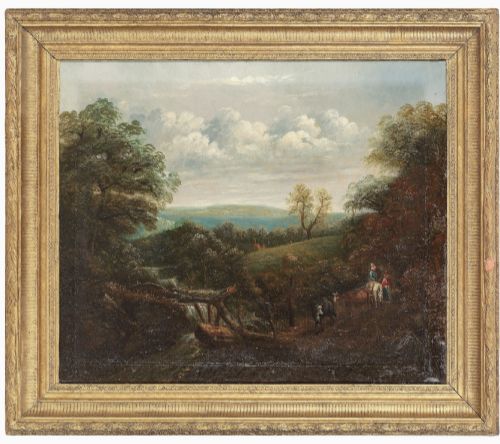
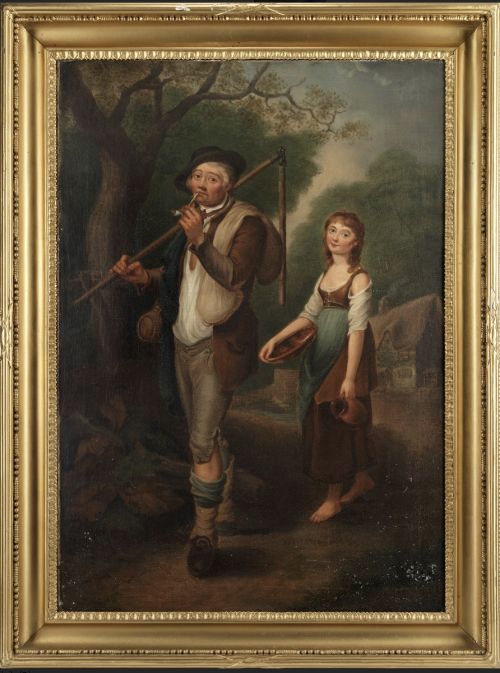
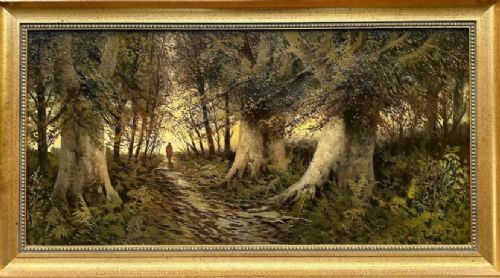
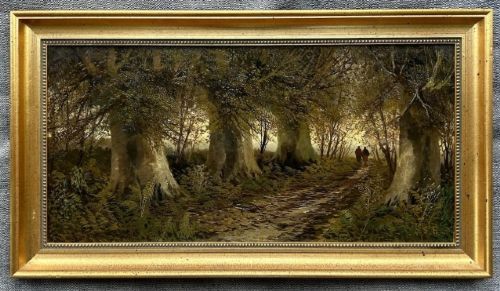
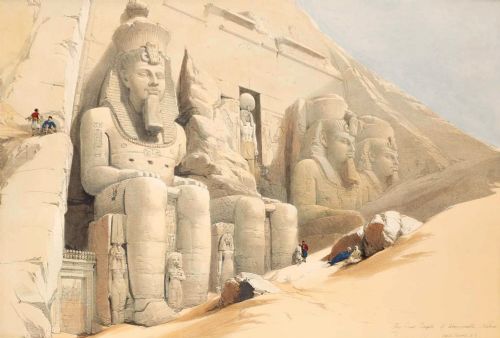
The human subjects often serve to provide scale and narrative interest within pastoral, coastal, wooded or river views. Scenes frequently depict rural workers, fishermen, travellers by a path or couples resting near classical ruins.
Nineteenth-century British and continental examples dominate the selection, though seventeenth-century Dutch Golden Age works and eighteenth-century classical compositions appear regularly. The scale of these pieces varies from small cabinet panels to substantial framed gallery works.
Materials and methods
The physical construction of these artworks relies primarily on oil paint applied to stretched canvas, wooden panels or sturdy card, alongside watercolour pigments on paper. Canvases are typically supported by original wooden stretchers, while panel paintings utilise prepared wood blocks that occasionally exhibit natural shrinkage over time.
Frames form an integral part of the physical object, frequently constructed from moulded giltwood, gesso or carved wood displaying floral and baroque motifs. Pigments were mixed by hand by earlier makers, resulting in rich earth tones and durable varnishes that protect the underlying brushwork.
Listings feature works spanning the seventeenth through the twentieth centuries, utilising oil paint, watercolour, canvas, wood and giltwood.
Distinctions in execution
The standard of an artwork is determined by the dexterity of the brushwork, the handling of natural light and the anatomical proportion of the subjects within their environment. Superior pieces display a confident command of atmospheric perspective, where distant hills and skies dissolve convincingly into light.
The relationship between the human subject and the surrounding terrain reveals the hand of a skilled artist. Masterworks integrate the figures harmoniously into the composition, rather than placing them as isolated additions upon an otherwise finished background.
Thomas Barker of Bath·Benjamin Barker of Bath·David Roberts·Francisco Sancha·Robert John Hammond
The Antique Figure in Landscape Glossary
- Oil on Canvas
- Pigment mixed with drying oil applied to a woven fabric support stretched across a wooden frame. This method allows for subtle blending of tones and rich surface textures.
- Wood Panel
- A rigid wooden board utilised as a painting support before the widespread adoption of canvas. Panels provide a stable, smooth surface that preserves fine detail.
- Giltwood
- Timber carved and coated with a thin layer of gold leaf or gold paint. It is commonly found on traditional frames surrounding antique paintings.
- Gesso
- A plaster-like mixture applied to wood or canvas to prepare a smooth surface for painting or gilding. It provides a bright white base that enhances subsequent layers of colour.
- Norwich School
- A regional movement of painters active in the nineteenth century inspired by the Norfolk landscape and Dutch Golden Age precedents. Members typically depicted local rural views and coastal scenes.
Antique Figure in Landscape: Frequently Asked Questions
What subjects appear in these landscapes?
The human subjects typically include farm labourers, fishermen, travellers on country paths, and couples near cottages or rivers. These figures provide a sense of scale and narrative warmth within the surrounding natural scenery.
Artists across different centuries used these human elements to guide the viewer's eye through valleys, coastlines, and wooded paths, balancing the vastness of the natural world with intimate human activity.
How should I display these paintings?
These artworks require stable environmental conditions away from direct sunlight and damp walls to protect the canvas, wooden panel, and traditional gilt frame. Hanging them at eye level in rooms with minimal humidity fluctuations ensures the preservation of the paint layers.
Pairing the piece with appropriate wall lighting highlights the subtle brushwork and varnish depth without exposing the delicate pigments to excessive heat.
How are different periods identified?
Dating relies on stylistic clues, framing techniques, and the material composition of the canvas or wood panel. Seventeenth and eighteenth-century works often feature classical ruins and darker earth palettes, while nineteenth-century pieces display looser brushwork and varied natural light effects.
Examining the reverse of the canvas, stretcher bars, and panel construction reveals tool marks and ageing patterns characteristic of specific historical eras.