



Italian Impressionist Painting
An italian impressionist painting brings the warmth of Mediterranean light and bustling canals directly onto your wall.
Italian Impressionist Painting
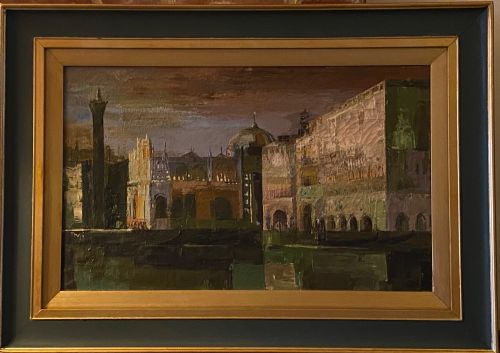
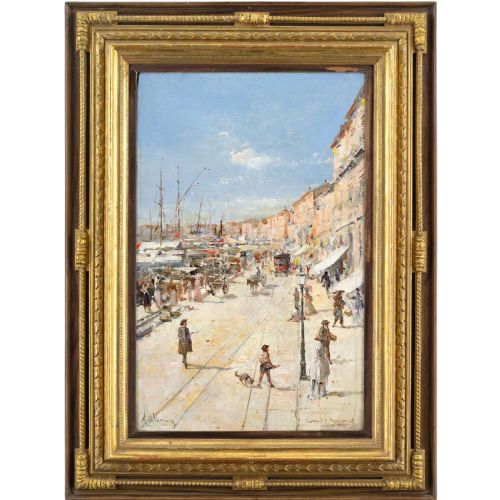
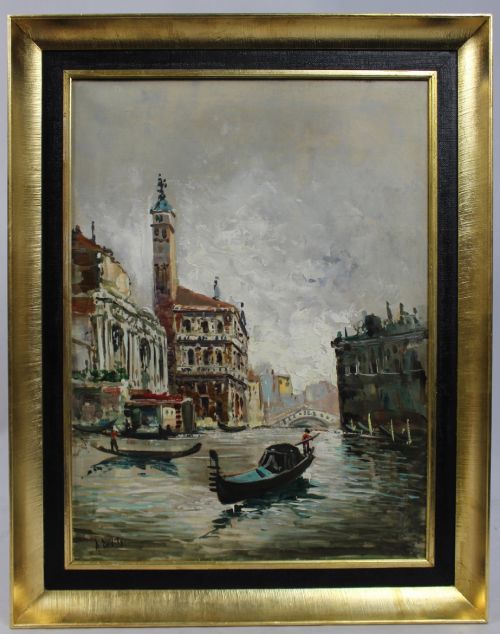
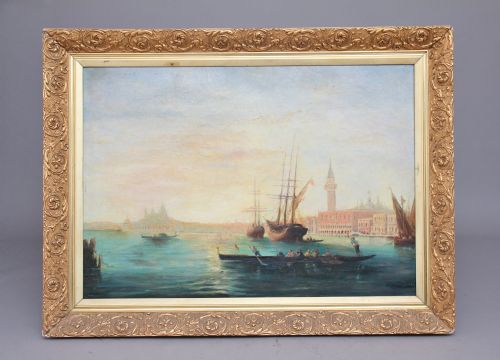
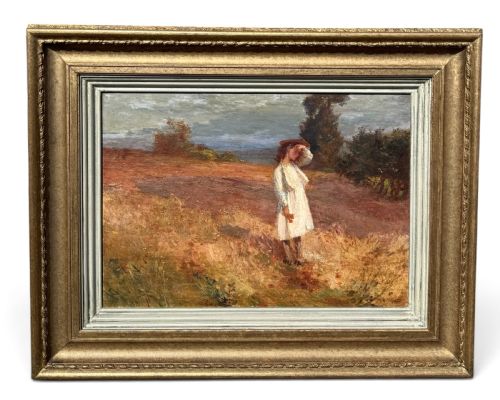
An italian impressionist painting captures light and atmosphere across canals, cityscapes, and portraits, spanning periods from the nineteenth century into the mid-twentieth century. The selection leans heavily toward Venetian scenes, including the Grand Canal, gondoliers, and architectural landmarks rendered in oils and watercolour.
Buyers encounter works by named painters alongside pieces attributed to broader regional schools. Forms range from intimate watercolours on paper to large canvas works framed in giltwood.
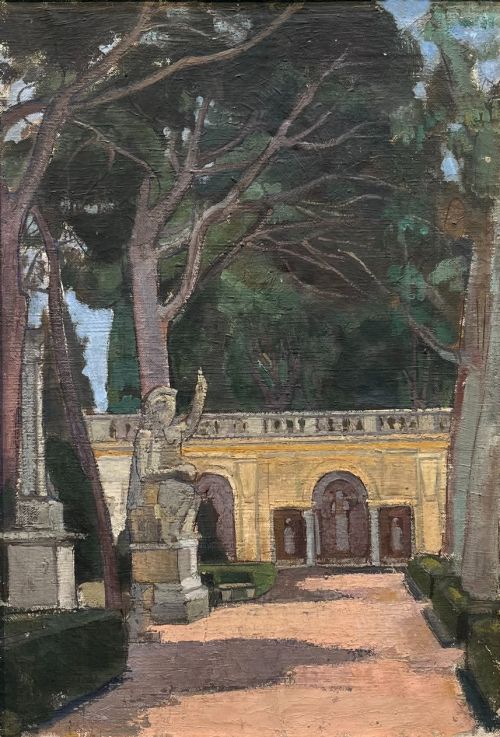
The visual vocabulary relies on loose brushwork and vibrant palettes characteristic of the impressionist movement translated through an Italian sensibility. These artworks function primarily as wall art, bringing historical Italian subjects into domestic spaces.
What varies in quality
Quality rests on the confidence of the brushwork and the artist's command of light and spatial depth within the composition. Stronger examples capture the atmospheric hum of a Venetian lagoon or a busy square with immediacy.
The handling of the medium distinguishes ambitious canvases from routine decorative pieces. Finer paintings show a deliberate arrangement of tone and colour that holds the viewer's eye across the entire surface.
Listings feature works spanning the nineteenth century through to nineteen sixty, utilising canvas, wood, paper, and giltwood.
Augusto Alberici·Antonio DeVity·Umberto Volpato·Attilio Toro·Vincenzo Irolli·Claude Jousset·Vittore Zanetti Zilla·Hercules Brabazon Brabazon·Roberto Venturi·Emanuele Cappello·Henry Wimbush·Charles Clement Calderon·Helen Donald-Smith
The Italian Impressionist Painting Glossary
- Canvas
- A heavy woven fabric stretched across a wooden frame to serve as a support for oil painting. It provides a flexible and durable surface that holds textured brushwork.
- Giltwood
- Wood carved and coated with gold leaf or a gold-coloured metallic finish. Frames made from this material add reflective warmth around the perimeter of a painting.
- Watercolour
- A paint consisting of pigment suspended in a water-based solution, applied to paper. It relies on the white of the paper to show through translucent washes.
- Lagoon
- A stretch of salt water separated from the sea by a low sandbank or coral reef. In these works, it usually refers to the enclosed body of water surrounding Venice.
- Impressionism
- A nineteenth-century art movement characterised by relatively small, thin, yet visible brush strokes and an emphasis on accurate depiction of light.
Italian Impressionist Painting: Frequently Asked Questions
What subjects appear most often?
Venetian canals, gondolas, and historic architecture dominate the subject matter, alongside cathedral views and occasional figural portraits.
These scenes reflect a fascination with Italian light and daily life captured outdoors.
How do I date these paintings?
Dating relies on stylistic clues, framing techniques, and artist signatures recorded across the nineteenth and twentieth centuries.
Many pieces carry specific dates or reflect the distinct modernist shifts of the interwar decades.
Where should I hang these?
These artworks suit living spaces, studies, or hallways where natural light can enliven the oils and watercolours.
Matching the frame to the surrounding interior helps integrate the piece into the room.
Are watercolours as durable as oils?
Watercolours on paper require protection behind glass away from direct sunlight to prevent fading of the pigments.
Oils on canvas offer greater resilience but still benefit from stable indoor humidity and temperature.