



Antique Figure Illustrations
Antique figure illustrations encompass centuries of drawn and printed human forms on paper, offering direct contact with past draftsmen and printmakers.
Antique Figure Illustrations
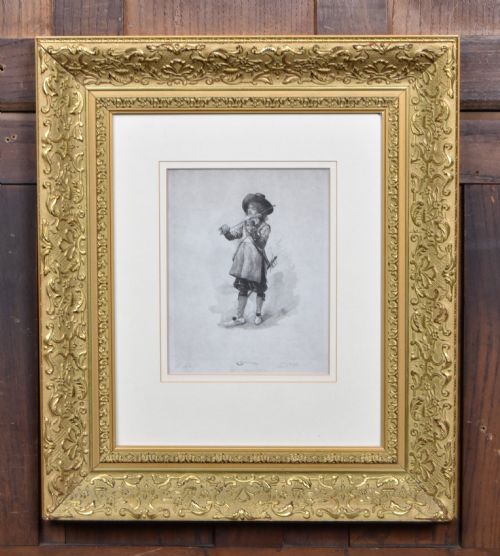
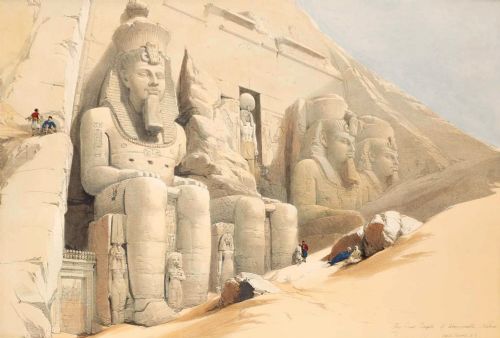
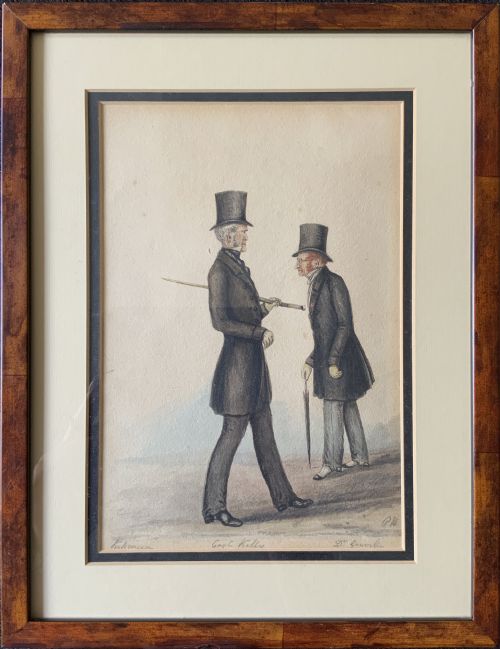
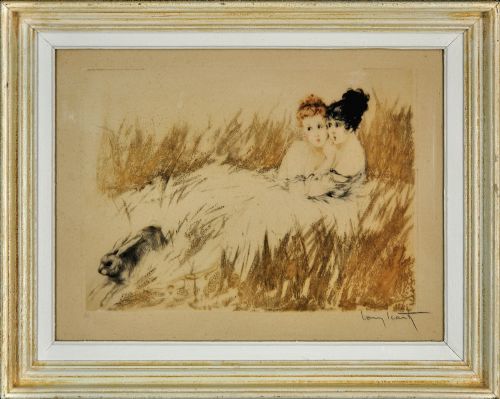
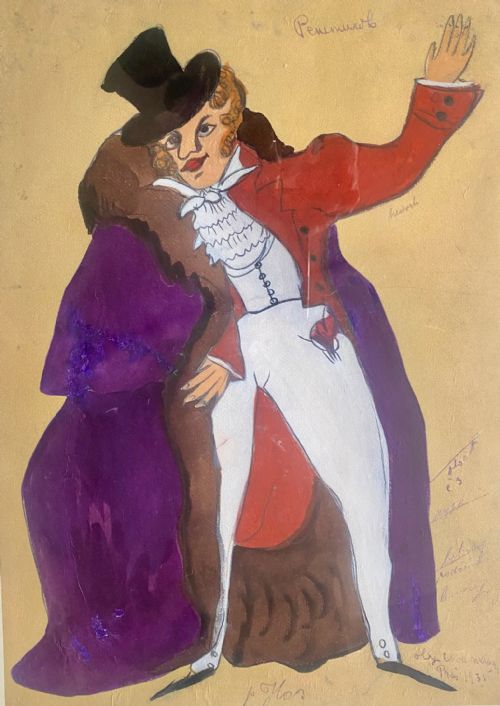
When you search for antique figure illustrations, you encounter works on paper ranging from 18th-century engravings to 1930s drawings. The pieces span individual character studies, classical mythological scenes, anatomical plates, and caricatures framed behind glass.
You meet French school drawings, Chinese pith paper paintings, and Regency pencil sketches of children. These works exist as original paintings, watercolours, hand-coloured etchings, and prints.
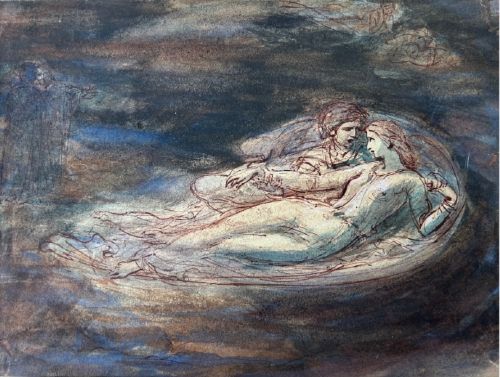
The selection includes Neoclassical Homeric illustrations, Art Deco dancer portraits, and Pre-Raphaelite ink studies. Each item captures human anatomy, costume, or character through the specific lens of its period.
How they were made
Makers utilised paper as the primary support, whether standard drawing sheets, pith paper from plants, or heavier engraving plates. Artists applied ink, watercolour, gouache, graphite, charcoal, chalk, and pencil to build up the human form.
Listings feature paper supports ranging from standard drawing sheets to fragile nineteenth-century Chinese pith paper.
What varies in quality
The quality of an illustration rests on the precision of the draughtsmanship and the clarity of the ink or watercolour application. Confident pencil lines and subtle washes distinguish accomplished hands from stiff amateur attempts.
The survival of the paper sheet and the authenticity of the frame alter the desirability of the piece. Clean margins, stable pigment without fading, and period-appropriate mounting elevate the status of a work.
Francois Boucher·P. Ruiz·David Roberts·Louis Icart·John Flaxman·Albert Terry·Dame Laura Knight·Henry Bird·Eduard Veith·Edward Rooker·Francis Dodd·Cecil CP Lawson
The Antique Figure Illustrations Glossary
- Pith paper
- A delicate material made from the cellular pith of the Tetrapanax papyrifer plant, common in nineteenth-century Chinese export paintings. It accepts vibrant gouache and watercolour pigments with a luminous finish.
- Etching
- A printmaking process where acid bites lines into a metal plate covered with an acid-resistant ground. Ink is then pressed into the grooves and transferred to paper under pressure.
- Wash
- A thin, transparent layer of diluted ink or watercolour applied across paper. Artists use washes to create soft tonal gradations and shadows behind figures.
- Neoclassical
- An artistic style drawing inspiration from the art and culture of classical antiquity. It prioritises severe linear design, heroic figures, and restraint.
- Engraving
- A technique of cutting designs directly into a hard plate using a sharp steel tool called a burin. The resulting lines hold ink for printing clean, precise details.
Antique Figure Illustrations: Frequently Asked Questions
What materials make up these figure illustrations?
The primary support is paper, including specialised pith paper and heavy engraving sheets. Artists worked in ink, watercolour, graphite, charcoal, chalk, and pencil.
Many of these works are housed behind glass within wooden frames. Some prints also incorporate hand-applied watercolour over inked lines.
How do I care for antique works on paper?
Keep paper illustrations away from direct sunlight to prevent the watercolour and ink pigments from fading. Maintain stable room humidity to protect both the paper support and the original wooden frames.
Display the pieces behind glass that offers UV protection. Avoid hanging them in damp rooms or areas prone to temperature swings.
How do I distinguish an original drawing from a print?
Examine the surface of the paper with a magnifier to check for the indented plate marks left by engravings and etchings. Original drawings show the distinct accumulation of graphite, ink, or pigment directly on the fibres.
Prints display uniform dot patterns or continuous inked lines from a printing matrix. Drawings reveal individual hand pressure and subtle corrections beneath the final medium.
What periods do these figure illustrations cover?
The selection spans from the mid-eighteenth century through the Regency era and Victorian period. You also encounter works from the early twentieth century, including Art Deco and 1920s surrealist pieces.
Each era brings distinct stylistic traits, from Neoclassical restraint to Pre-Raphaelite narrative detail. The dates reflect the prevailing artistic movements of their respective decades.