


Framed Satire Prints
These framed satire prints capture centuries of biting social commentary, political skewering, and theatrical caricature preserved behind glass in period timber.
Framed Satire Prints
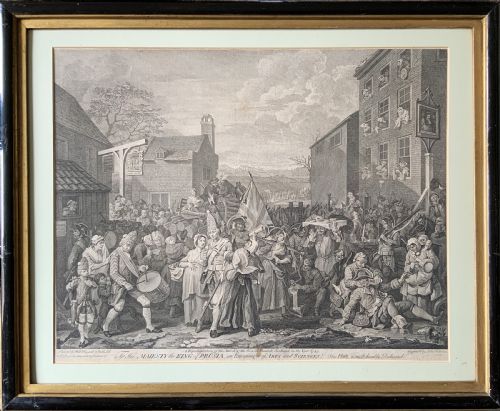
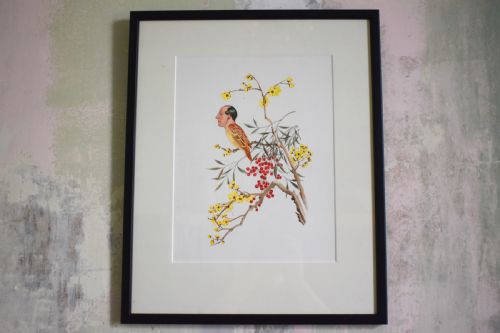
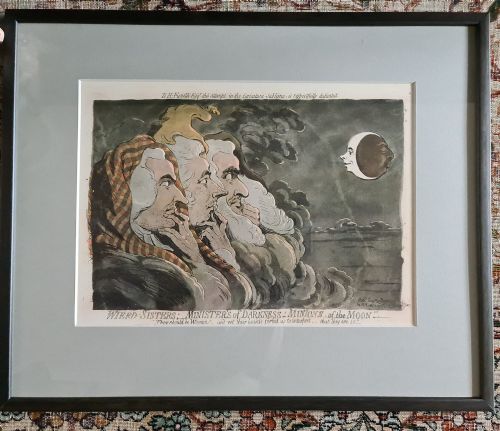
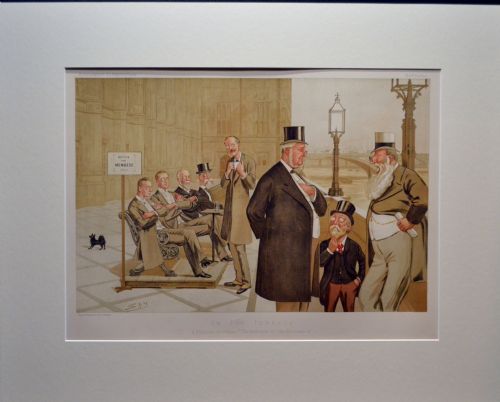
Framed satire prints encompass historical engravings, original watercolours, and political caricatures dating from the eighteenth century through to the early twentieth century. When exploring framed satire prints, buyers encounter works ranging from Georgian social critiques to Victorian parliamentary sketches and First World War commentary.
How they were made
Production relies fundamentally on paper, ink, and watercolour pigment, capturing fine lines through early engraving and hand-applied washes. These printed and painted surfaces require protection, leading to contemporary or period glass glazing.
Framing typically involves timber construction such as maple, providing structural support and aesthetic contrast to the monochrome or hand-tinted works within.
What varies in quality
Quality rests upon the execution of the original draughtsmanship and the clarity of the printed impression or pigment application. Sharpness in eighteenth-century engravings or vibrancy in watercolour caricatures distinguishes superior examples.
The housing also influences overall character, with original maple frames and appropriate glass retention holding greater appeal than later replacements. The historical significance of the subject matter, from political portraiture to theatrical scenes, further elevates certain pieces.
William Hogarth·Luke Sullivan·Thomas Worth
The Framed Satire Prints Glossary
- Engraving
- A printmaking technique where an image is incised into a metal plate with a burin. This method allows for fine, precise lines that define detailed historical satire prints.
- Caricature
- A rendered portrait or scene exaggerating physical traits or behaviours for comic effect. Such works form the core of political and social commentary pieces.
- Watercolour pigment
- Finely ground colour suspended in a water-soluble binder, applied directly to paper by hand. This medium brings vibrant tone to unique satirical drawings.
- Maple
- A dense, pale hardwood frequently utilised for framing prints during the nineteenth century. Its distinctive grain complements historical artwork.
Framed Satire Prints: Frequently Asked Questions
How do I date an old satire print?
Dating relies upon paper characteristics, printing techniques, and internal clues such as costume styles, political events, or specific publication dates inscribed on the margin. Typography and framing methods also offer reliable chronological indicators.
Examinations of the plate marks and watermarks within the paper provide further confirmation of the era in which the print was produced.
Are these prints original?
The inventory includes both original period engravings from the eighteenth and nineteenth centuries and contemporary or later copies of famous satirical works. Each listing specifies whether the piece is a period original or a subsequent framing of a later reproduction.
Buyers should inspect the individual descriptions to distinguish between primary printings by the original artists and later nineteenth-century or twentieth-century impressions.
How should I hang framed prints?
Display these works away from direct sunlight to prevent the fading of watercolour pigments and the yellowing of historic paper. Maintaining stable indoor humidity protects both the delicate paper and the wooden frames.
Securing the frame with appropriate wall fixings ensures the glass and timber structures remain safely supported over time.
What subjects are most common?
The selection covers political satire, social critique, military caricatures, and theatrical scenes from the Georgian era through to the First World War. Common themes include parliamentary figures, imperial politics, and domestic manners.
These varied subjects reflect the shifting anxieties and humour of British and American society across multiple centuries.