


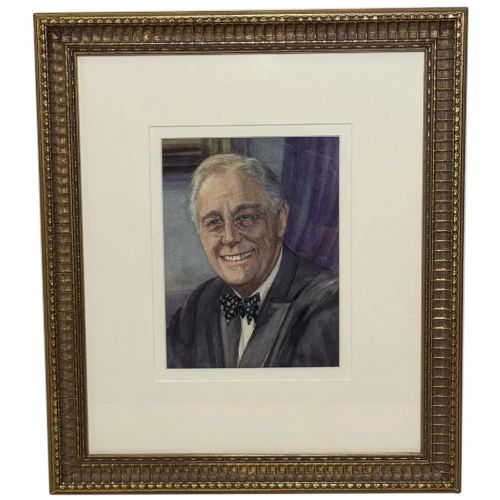

Cream Mounted Artwork
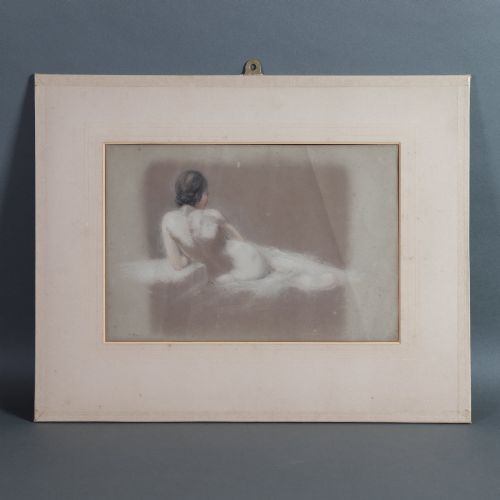
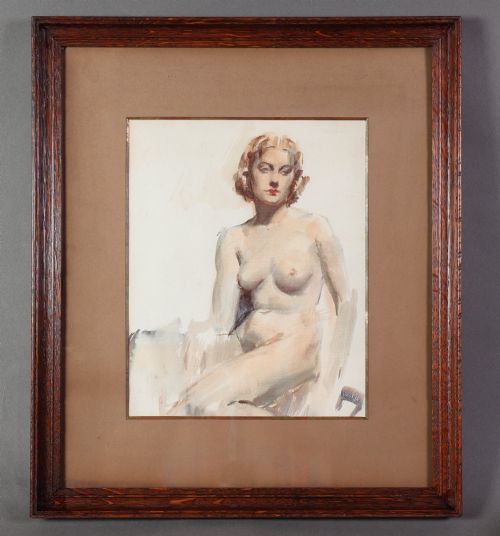
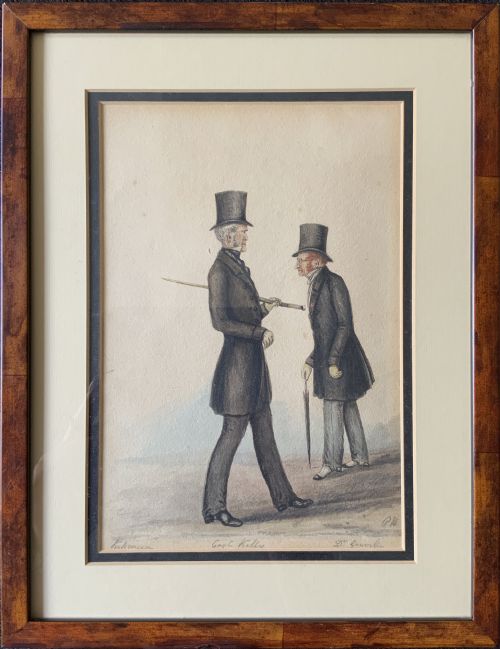
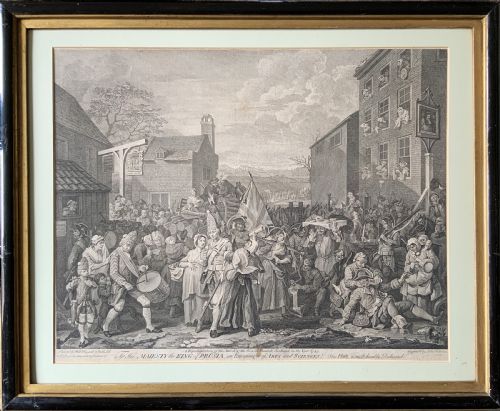
Cream mounted artwork brings together framed paintings, prints and watercolours set against neutral card borders.
Cream Mounted Artwork
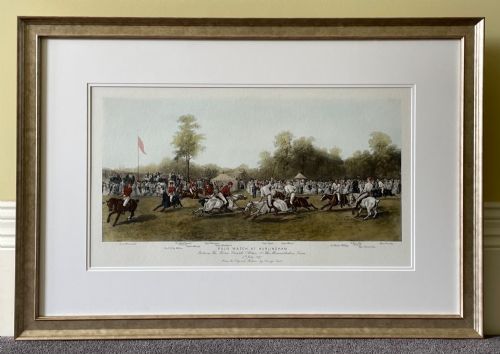
Cream mounted artwork comprises framed wall pieces set within pale paper or card surrounds. When exploring cream mounted artwork, buyers encounter Victorian caricatures, early twentieth-century illustrations, and eighteenth-century engravings.
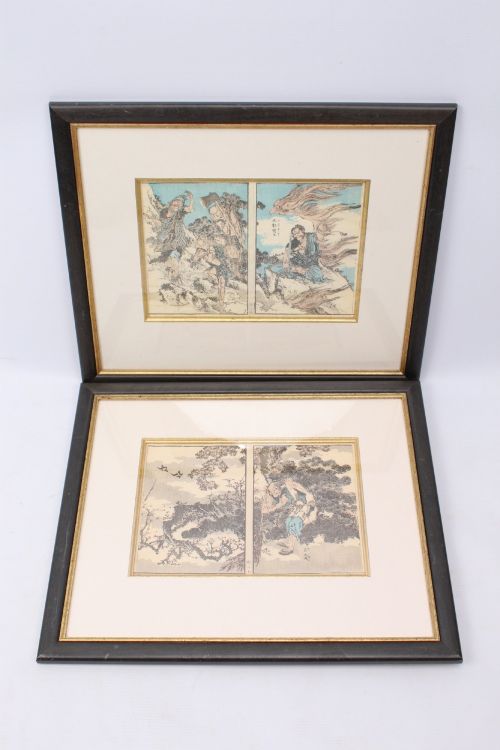
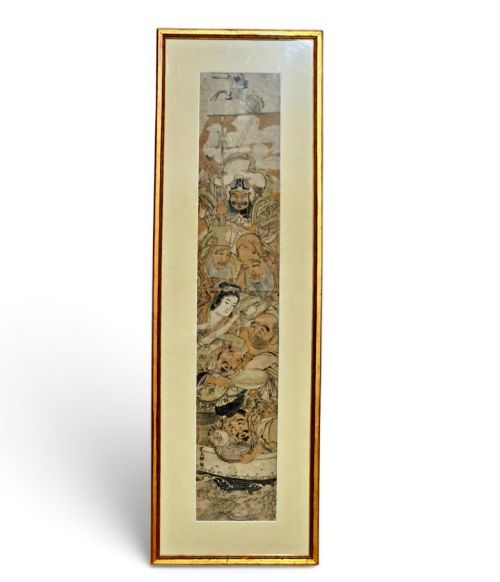
The selection ranges from Japanese woodblock prints to British watercolours and mid-century bird paintings. Pieces typically arrive framed, ready for display upon domestic walls.
Originating across the eighteenth, nineteenth and twentieth centuries, these works span Grand Tour scenes, portraits, and sporting prints. The neutral mounting serves to isolate the image from the outer frame.
Materials and Construction
Works on paper employ watercolour, ink, lithography, and woodblock printing techniques upon card, paper, and glassed frames. Gilt wood and standard timber form the outer housings for these pictures.
Gold leaf occasionally appears upon frames, while illustrations rely on traditional pigments and printing plates. Card mounts provide structural separation between the fragile paper surface and the protective glass.
Listings feature paper, glass, wood, watercolour, gilt wood, gold leaf, ink, and card across various centuries.
Assessing Quality
Quality rests upon the execution of the hand-drawn lines, the vibrancy of the remaining watercolour pigments, and the crispness of early printed impressions. Original works demonstrate deliberate brushwork and confident handling of ink or paint.
The integrity of the paper support and the condition of the framing materials determine the overall retention of the piece. Subtle gradations in tone and careful preservation of the original mount elevate the visual impact of the artwork.
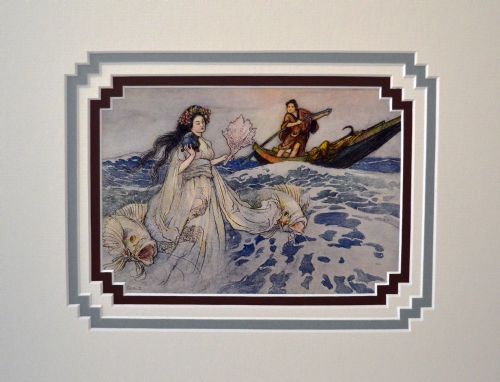
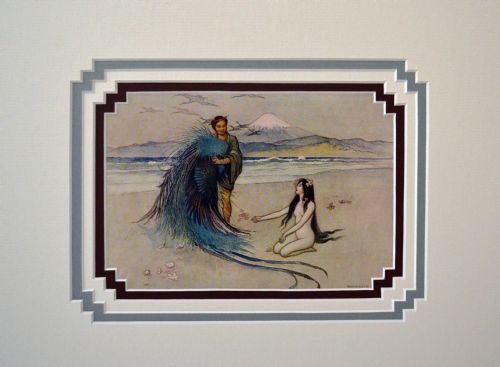
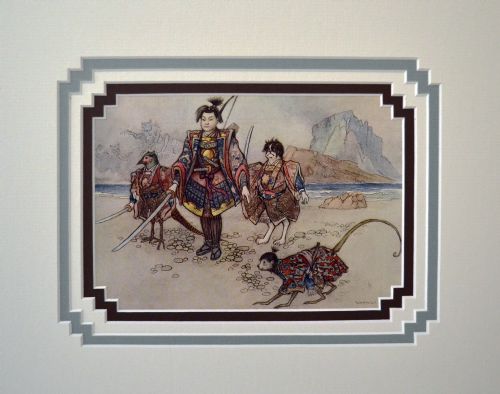
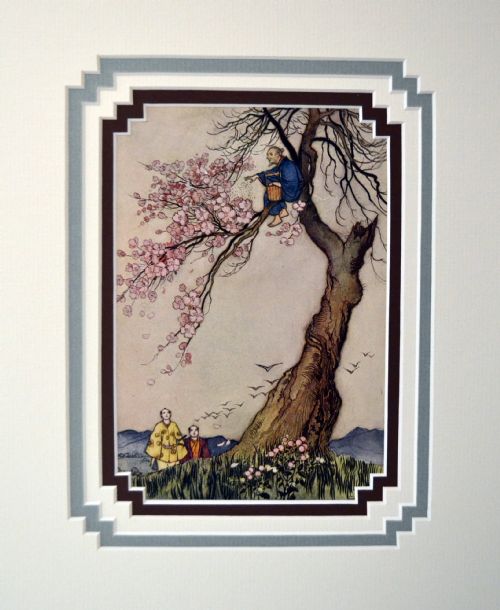
Katsukawa Shunshō·William Etty·William Hogarth·Warwick Goble·Louis Wain·Charles F. Tunnicliffe·Belisario Gioja
The Cream Mounted Artwork Glossary
- Lithography
- A planographic printing process utilising a smooth stone or metal plate to transfer ink onto paper. This technique produced many nineteenth-century prints and illustrations.
- Watercolour
- A painting method where the pigments are suspended in a water-based solution applied to paper or card. It yields translucent washes of colour.
- Woodblock print
- An image created by carving a design into a block of wood, applying ink, and pressing it onto paper. Japanese examples often utilise this method.
- Engraving
- A printmaking technique involving the direct cutting of a design into a metal plate with a burin. The resulting lines hold the ink for the press.
- Grand Tour
- A traditional trip through Europe undertaken by upper-class young men during the eighteenth and nineteenth centuries. Resulting artworks typically depict classical architectural landmarks.
Cream Mounted Artwork: Frequently Asked Questions
How should I hang cream mounted artwork?
Select a wall space protected from direct sunlight to prevent the fading of delicate watercolours and paper supports. Ensure the hanging fixings match the weight of the timber and glass frame.
Maintain a stable indoor climate to protect the paper and card mounts from moisture damage over time.
What periods do these pieces represent?
The selection spans from the eighteenth century through the Victorian era and into the mid-twentieth century. Styles shift from classical Grand Tour watercolours to early twentieth-century illustrations.
Each period utilises distinct printing methods and artistic conventions native to its decade.
Are these works original?
The inventory includes original watercolours, mixed media studies, and period printed editions. Artists applied their hands directly to the paper in the painted examples.
Prints represent authentic historic impressions pulled from plates or blocks during their respective eras.
What frames accompany the artwork?
Pieces arrive within wood frames, occasionally featuring gilt or gold leaf finishes. The internal cream mounts provide a neutral border around the central image.
Glass fronts protect the paper surfaces from dust and environmental handling.