




18th Century Figure Studies
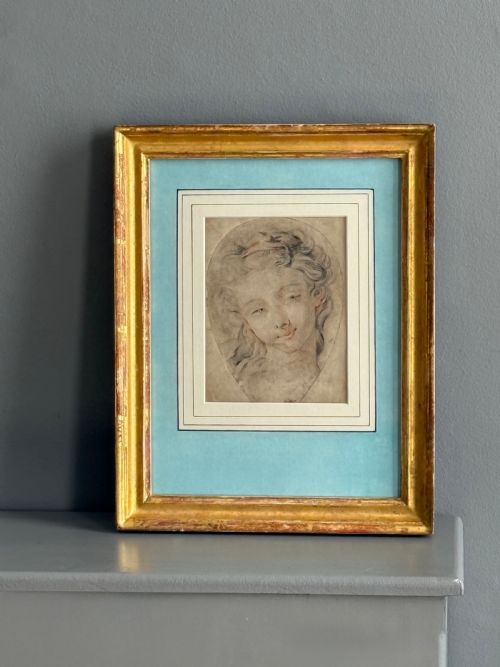
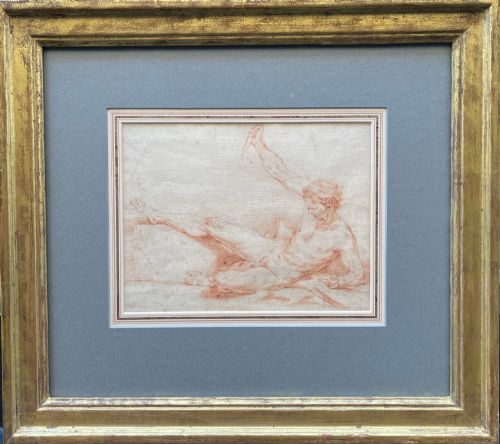
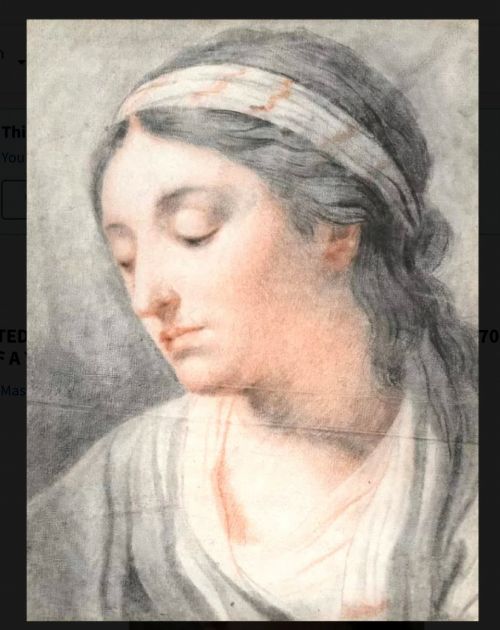
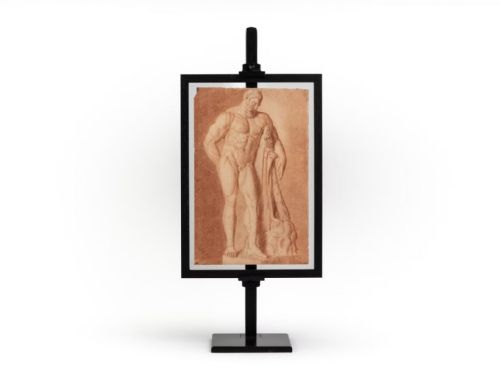
These 18th century figure studies capture the human form through delicate portrait drawings, anatomical illustrations and classical sketches.
18th Century Figure Studies
These pieces encompass framed drawings, portrait studies and sketches created during the eighteenth century across various European schools.
Buyers will encounter French, Italian, German and British works depicting individual heads, anatomical subjects, mythological figures and family groups.
The selection ranges from intimate red chalk drawings on paper to detailed engravings and watercolours executed in Georgian and neoclassical styles.
How they were made
Artists utilised paper as the primary support, applying mediums such as chalk, charcoal, pastel and watercolour to build up the human form.
Some works incorporate engraved lines on paper to record classical deities and anatomical subjects with precision.
Framed presentation often includes wood and glass to protect fragile works on paper, occasionally paired with walnut furniture housing related items.
Some industrious artists drew on both sides of the paper, giving modern admirers a double-sided glimpse into an eighteenth-century sketchbook.
What varies in quality
The sophistication of anatomical rendering and the expressive control of the line separate accomplished academic works from simpler decorative sketches.
Condition of the paper support, preservation of delicate chalk or pastel pigments, and the integrity of early framing elements influence the character of each piece.
Francois Boucher·Hyacinthe Colin de Vermont·Marie Leczinska·Bartolomeo Schedoni·John Hoppner
The 18th Century Figure Studies Glossary
- Chalk drawing
- A work executed primarily with dry mineral or earth pigments shaped into sticks. Red chalk was frequently favoured for preparatory figure studies.
- Recto and verso
- Terms describing the front and back surfaces of a single sheet of paper. Artists often utilised both sides for quick sketches or practice studies.
- Neoclassical
- A style reflecting the revival of classical Greek and Roman art and architecture. It prioritises restraint, linear clarity and noble simplicity.
- Engraving
- A printmaking technique where an artist incises a design onto a metal plate with a sharp tool. Ink is then pressed into the grooves and transferred to paper.
- Pastel
- A medium consisting of powdered pigment combined with a binder. It produces velvety tones and soft transitions well suited to portraiture.
18th Century Figure Studies: Frequently Asked Questions
What mediums were used for 18th century figure studies?
Artists employed paper combined with chalk, charcoal, pastel and watercolour to capture the human form. Engraving was also utilised for printed works depicting classical subjects.
These varied materials allowed creators to produce everything from quick preparatory sketches in red chalk to finished portrait studies.
How should I care for works on paper?
Protect delicate drawings and watercolours from direct sunlight to prevent the fading of chalk, pastel and ink pigments. Maintaining stable indoor humidity prevents paper degradation.
Displaying pieces behind glass with appropriate framing spacers ensures the paper surface does not touch the glazing.
What subjects appear in these figure studies?
Compositions feature individual portrait heads, mythological figures, anatomical illustrations and rustic family groups. Italian and French schools often explored classical deities and academic nudes.
British and German examples record contemporary domestic life alongside traditional portrait studies of young ladies and old men.
How can I tell different national schools apart?
French works frequently reflect rococo and neoclassical elegance through flowing chalk lines and mythological themes. Italian studies often lean towards academic interpretations of classical sculpture like the Farnese Hercules.
German watercolours and British portraits tend to focus on regional subjects and expressive family scenes executed on paper.