






Antique Figural Porcelain Vase
An antique figural porcelain vase marries sculptural form with painted narrative, offering collectors rich detail from nineteenth and early twentieth century workshops.
Antique Figural Porcelain Vase
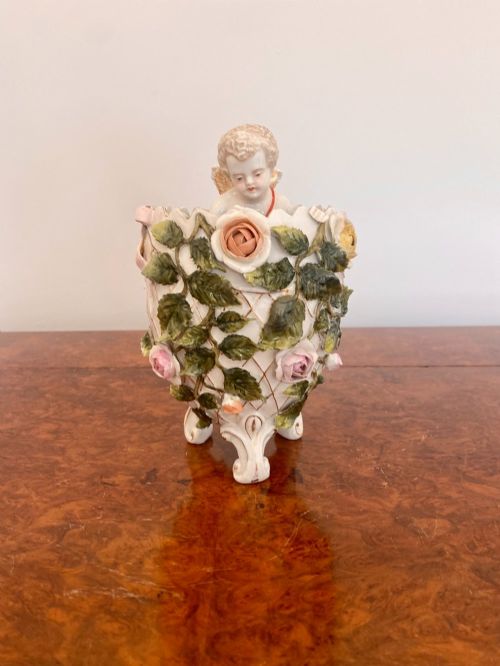
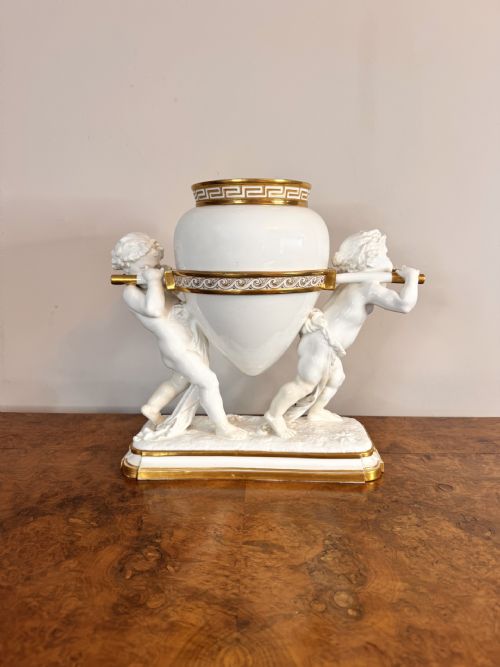
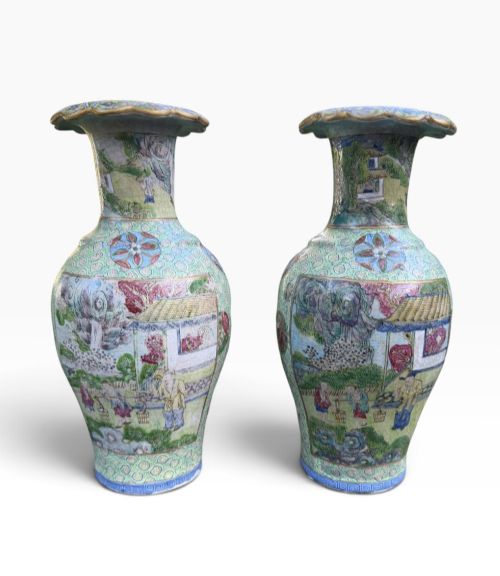
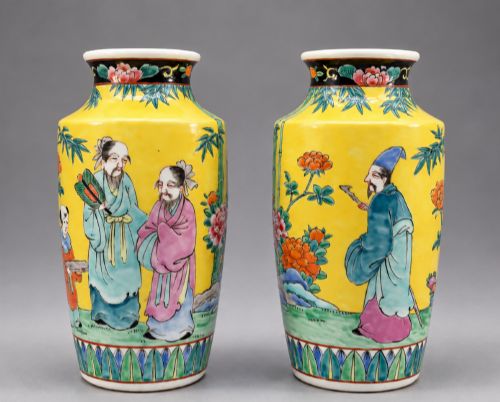
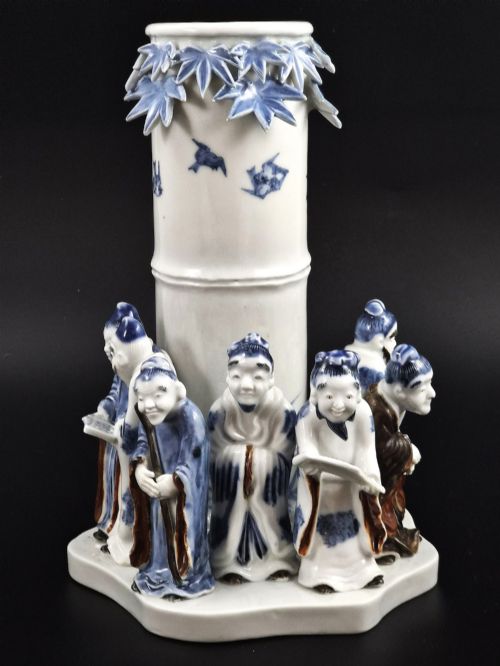
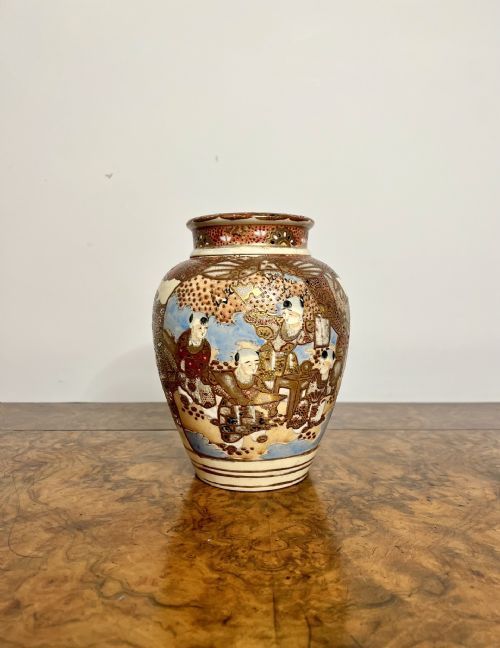
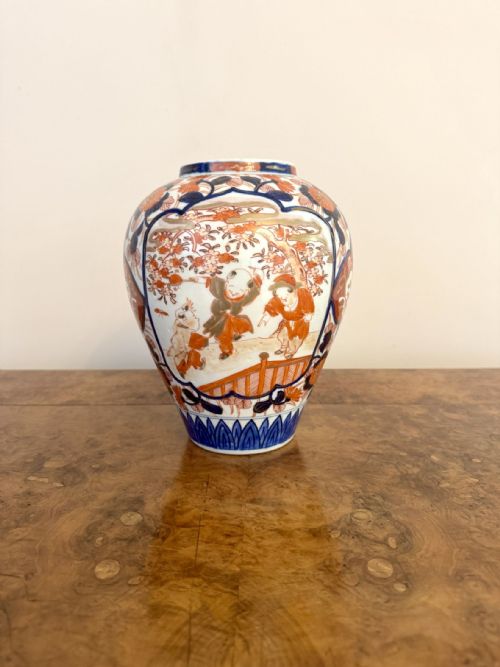
When searching for an antique figural porcelain vase, buyers encounter items ranging from nineteenth century Chinese blue and white vessels depicting figures to Japanese Satsuma wares with detailed figural processions. European continental pieces also appear, including bisque figures and ornate centrepieces featuring cherubs and young boys.
The most common examples on this page date from the nineteenth century and the early decades of the twentieth century. These include baluster vases, ginger jars, and brush pots that incorporate human or celestial figures directly into their painted scenes or moulded bodies.
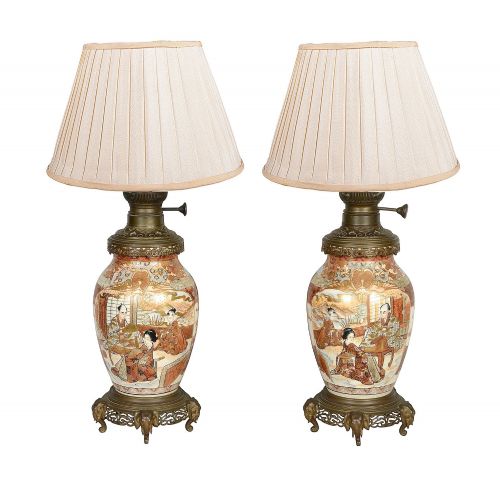
Origins span East Asian traditions, particularly Chinese Qing dynasty styles and Japanese Meiji period Satsuma and Kutani wares, alongside European factories such as Royal Worcester, Royal Dux, and German makers. Forms often double as table lamps or centrepieces, adapting traditional vessels for later decorative use.
Materials and production methods
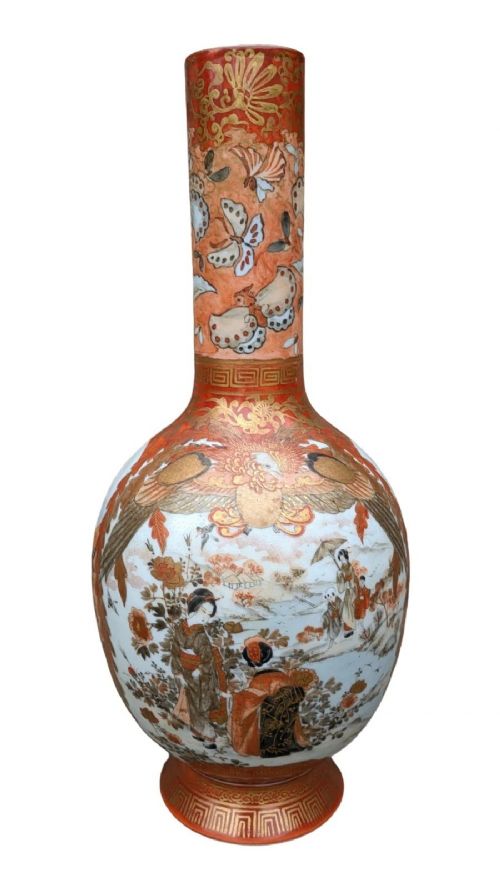
Porcelain and earthenware form the core bodies of these pieces, frequently enhanced with enamel, gold leaf, and gilt accents to highlight figural details. Japanese Satsuma and Kutani wares utilise raised enamel work, known as moriage, alongside fine hand-painted motifs executed by skilled artisans.
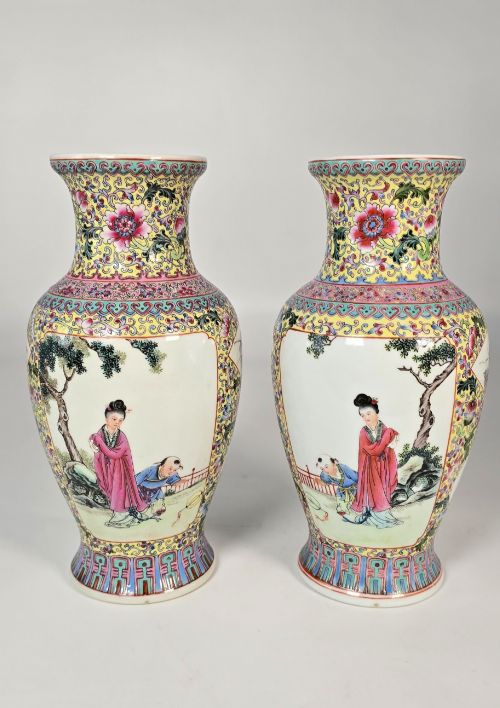
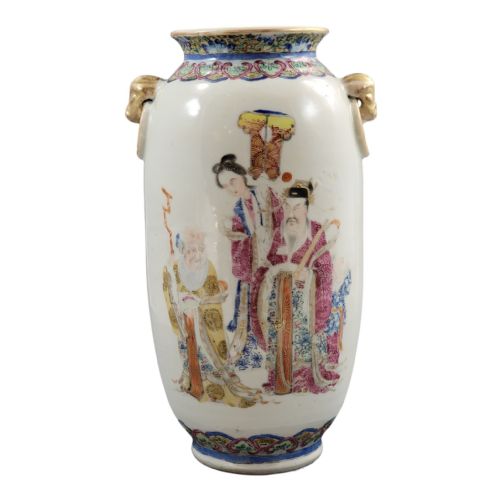
Chinese pieces rely on traditional underglaze blue painting or vibrant famille rose and famille verte enamel palettes applied over a white porcelain base. European factories employ bisque porcelain and hand-painted glazes, sometimes incorporating gilt bronze mounts or wooden stands to complete the composition.
Antique Figural Porcelain Vase Retail Price Guide 2026
Typical asking prices for figural porcelain vase among the pieces listed under this phrase on Sellingantiques today, from the lower quarter to the upper quarter. They describe what is for sale here now, not the wider market.
Listings feature nineteenth century Japanese Satsuma and Chinese Qing dynasty porcelain alongside European bisque figures and earthenware.
Distinctions in craftsmanship
Quality rests upon the precision of the hand-painting and the crispness of moulded figural elements. Finer pieces exhibit controlled brushwork in facial expressions and robes, whereas lesser examples show hurried execution with less definition in the enamel and gilding.
The clarity of the porcelain body and the complexity of the glaze application also distinguish superior items. Signed pieces from established makers or recognised periods command greater attention for their documented provenance and refined decorative programmes.
Kinkozan·Royal Worcester·Ernst Wahliss·Royal Dux·Vion et Baury
The Antique Figural Porcelain Vase Glossary
- Famille Rose
- A palette of opaque enamels dominated by pink or rose colours, widely used in Chinese ceramics from the eighteenth century onward. This technique allows for subtle shading in depictions of scholars and immortals.
- Satsuma
- Earthenware pottery originating from the Satsuma province in Japan, characterised by a crackle glaze and elaborate polychrome and gilt decoration. These pieces frequently portray dense figural processions and court scenes.
- Bisque
- Unglazed porcelain that has been fired once, presenting a matte, marble-like surface texture. It is frequently utilised for European figural vases and sculptural groups to emphasise bodily contours.
- Moriage
- A Japanese ceramic technique involving the application of slip in raised dots or lines to create textured ornamentation. This method adds tangible relief to floral and figural designs.
- Baluster
- A vase shape with a rounded body that tapers towards the base and flares at the neck. The form provides a broad surface area suited to narrative figure painting.
Antique Figural Porcelain Vase: Frequently Asked Questions
How do I identify a Satsuma vase?
Satsuma wares are identifiable by their cream-coloured earthenware bodies covered in a fine network of crackled glaze. They are typically decorated with dense, hand-painted patterns incorporating gold leaf and figural scenes.
Many examples feature maker marks on the base, sometimes attributing the work to notable studios or artists from the Meiji period. The combination of intricate brocade borders and finely drawn figures distinguishes these pieces from standard porcelain.
How should I care for antique porcelain?
Antique porcelain requires gentle handling and placement away from direct sunlight to preserve delicate enamel colours and gold leaf. Dusting with a soft, dry cloth is sufficient for routine maintenance.
Avoid using chemical cleaners or immersing pieces with gilt bronze mounts or wooden stands in water. Stability is key, so display them on secure, level surfaces away from heavy traffic areas.
Are these vases functional or decorative?
Most antique figural porcelain vases serve primarily decorative purposes, designed to be displayed as centrepieces or mantel ornaments. Some nineteenth-century examples have been adapted into table lamps with electrical wiring.
While traditional vessels held flowers or brushes, their age and delicate painted surfaces mean they are generally appreciated for their artistry rather than daily utility. Collectors display them to highlight their historical craftsmanship and sculptural forms.