

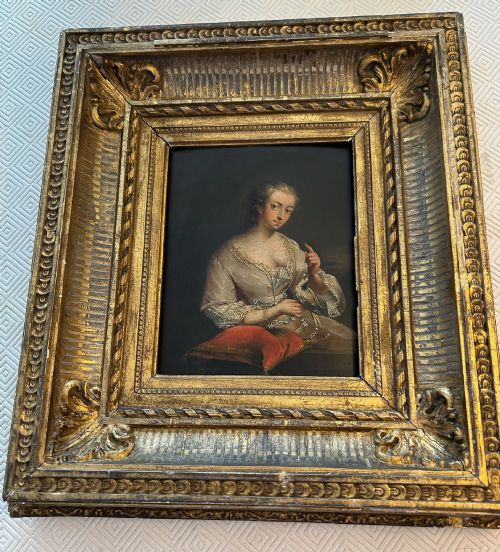
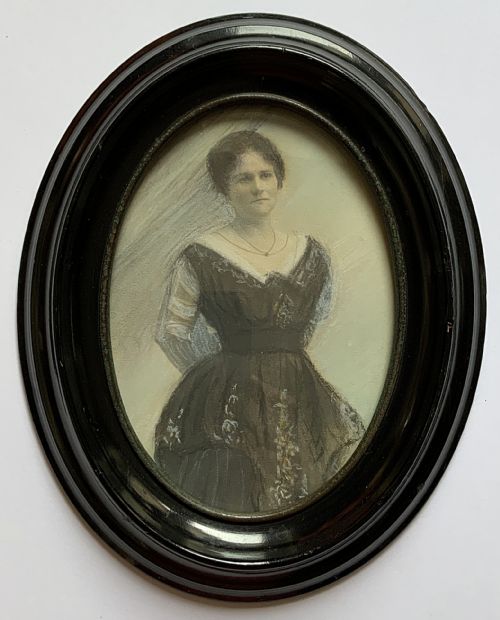
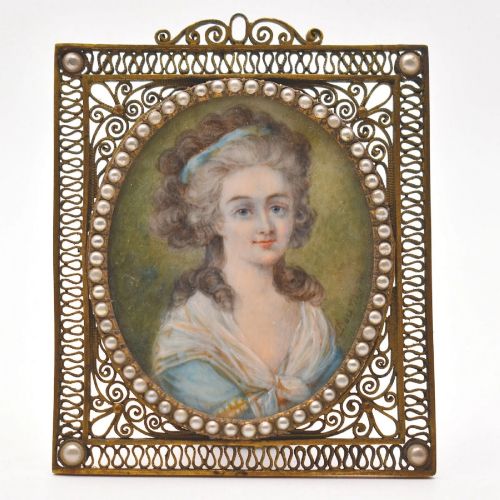
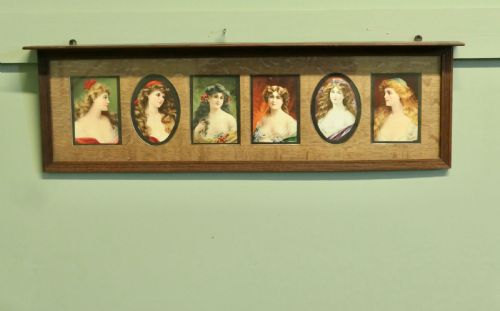


Antique Female Portrait Miniature
These small likenesses pack intimacy into a palm, offering an antique female portrait miniature for a desk or wall.
Antique Female Portrait Miniature
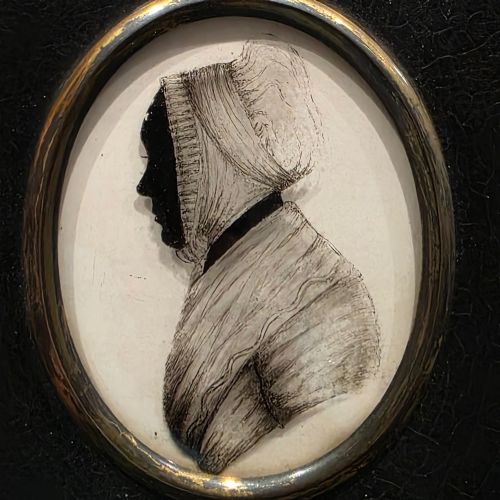
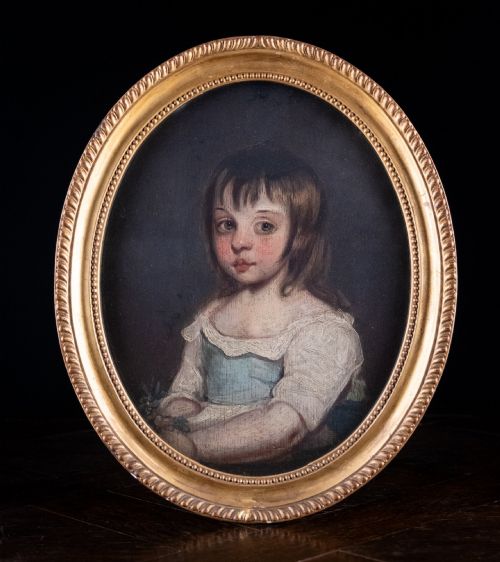
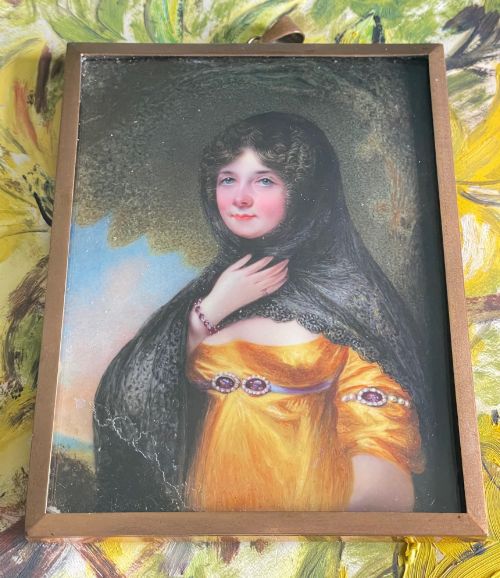
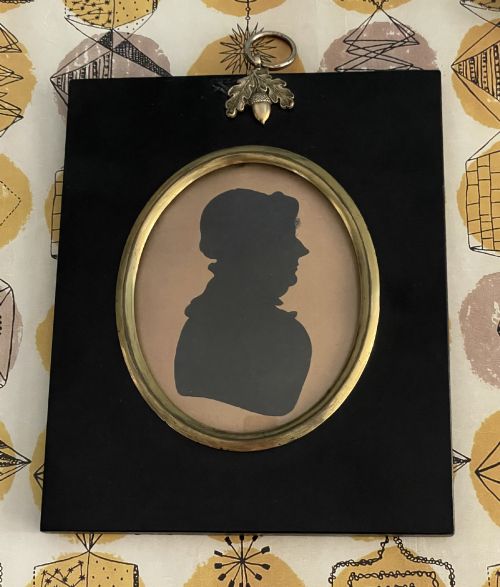
An antique female portrait miniature captures women from past centuries on a small scale, designed to be held or hung in tight spaces. You will most frequently meet 19th-century and Georgian examples on this page, often framed in wood or gilt metal.
The subjects range from named sitters like Mrs Grace Williams to unknown country girls, rendered in media from watercolour to enamel. Styles stretch from Neoclassical and French Rococo to Victorian and Art Deco.
Most pieces arrive framed, sometimes in rosewood or ebonised surrounds, preserving the delicate paper, vellum or glass surfaces inside. They function equally well as standalone wall art or grouped in sets.
Materials and construction
Artists painted these small portraits using watercolour, gouache, pastel or enamel on supports such as paper, vellum, ivory and card. Some pieces employ plumbago or reverse painting on glass to build monochrome or coloured likenesses.
Listings span the 18th, 19th, and early 20th centuries, utilising watercolour, glass, ivory, and brass.
Judging the work
Quality rests in the precision of the brushwork and the psychological depth of the sitter's expression. A master hand captures personality and texture in a space the size of a postage stamp.
The setting matters just as much as the paint surface, with original gilt frames and pressed glass surrounds elevating the piece. Finer works display controlled detail in lace, hair and costume rather than rushed strokes.
Horace Hone·James Gillespie·John Taylor·Christian Friedrich Zincke·Nicolas Freese·Albin R Burt·James Ferguson·Emma Kendrick·Ozias Humphry
The Antique Female Portrait Miniature Glossary
- Plumbago
- A graphite drawing technique popular in the 18th century. It creates finely detailed monochrome portraits that resemble engravings.
- Vellum
- Prepared calfskin used as a painting surface. It provides a smooth, luminous base for delicate watercolour miniatures.
- Reverse painted
- An artwork applied to the back of a piece of glass and viewed from the front. This technique protects the pigment and adds depth.
- Gouache
- An opaque watercolour paint used to build dense, matte colour. It allows for sharp highlights on miniature costumes.
- Silhouette
- A solid profile portrait filled in with black pigment or cut from paper. They often feature gilded embellishments.
Antique Female Portrait Miniature: Frequently Asked Questions
How were these miniatures displayed?
People hung them in small clusters on drawing-room walls or kept them tucked inside pocket watches and fitted leather cases. They served as portable tokens of affection and remembrance.
Today, they suit narrow wall spaces, bookshelves or desktop easels where viewers can examine the fine brushwork up close.
Are all these portraits painted?
While watercolour and enamel dominate, many pieces use alternative techniques. You will find silhouettes in ink and cut paper, alongside pressed glass paste cameos.
Every medium offers a different texture, from the flat matte finish of gouache to the glossy sheen of reverse painting on glass.
How do I date a miniature?
Clothing, hairstyles and framing styles offer the clearest clues to age. Regency pieces often show high waistlines and gathered curls, while Victorian works feature ornate brooches and parted hair.
Signatures, inscriptions on the reverse, and the type of housing wood help narrow down the decade.
Can I group them together?
These small works look striking when hung as a gallery wall of matched frames. Historical collectors often gathered dozens into a single room.
Keep them out of direct sunlight to protect the fragile watercolours and paper supports from fading.