








Antique Female Nude Statue
When you search for an antique female nude statue, you encounter bronze, marble, and alabaster figures shaped across the nineteenth and twentieth centuries.

Antique Female Nude Statue
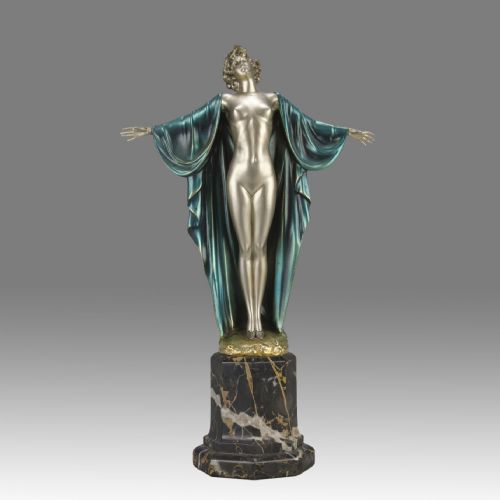
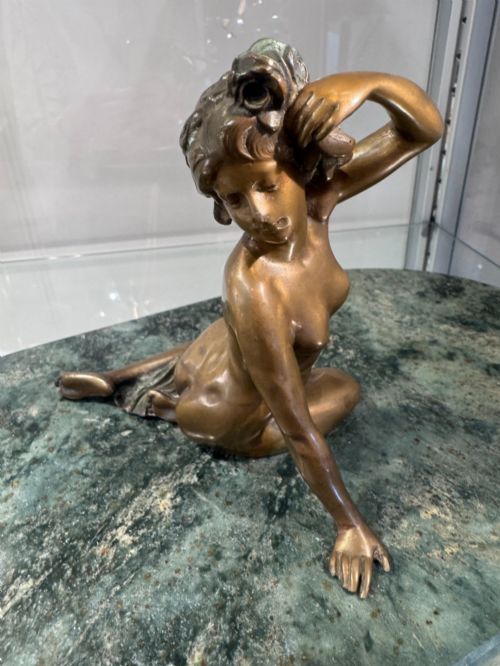
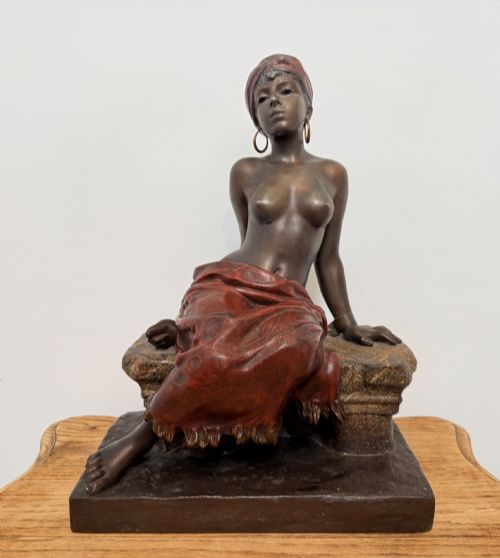
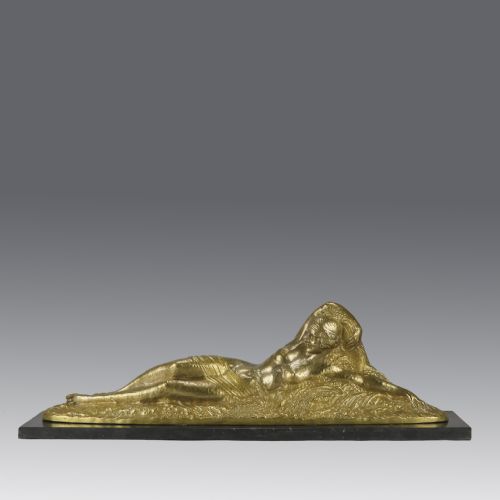
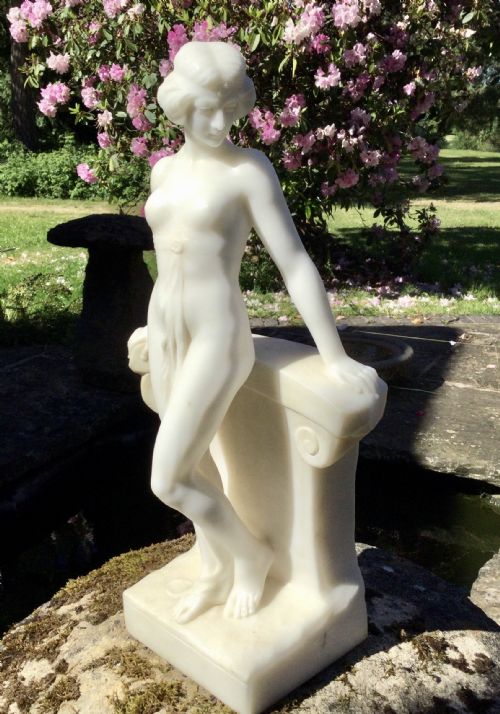
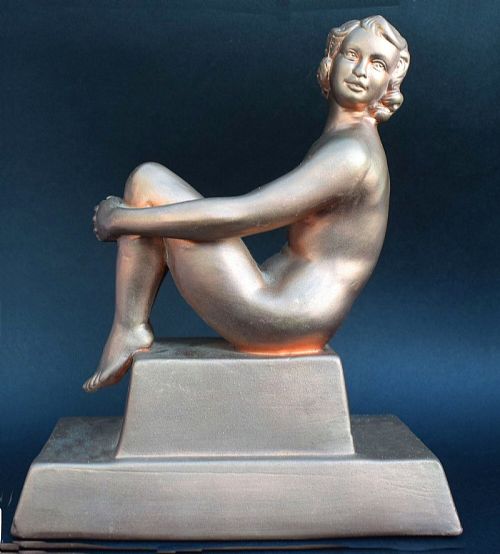
An antique female nude statue spans multiple historic periods, stretching from nineteenth century classical interpretations to Art Deco creations of the 1930s. The selection on this page includes bronze figures, marble carvings, alabaster studies, and table lamps cast or carved across France, Austria, and England.
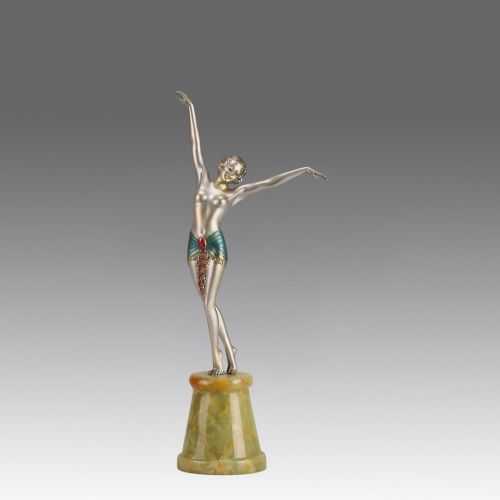
Most pieces you meet here date from the late nineteenth century through to the interwar period. Forms range from standing maidens and reclining figures to dancers caught in motion, often mounted upon marble or onyx bases.
Materials and casting methods
Foundry methods dictate the execution of metal works, utilising bronze, patinated metal, and cold-painted techniques applied to cast figures. Surfaces often display applied patination, gilt finishes, or polychrome enamel paint over the metal base.
Carved pieces rely on softer stones, combining marble, onyx, and alabaster with occasional limewood or terracotta. Artisans shaped these materials into figures and busts, fixing them securely to stone plinths or incorporating them into functional table lamps.
Materials recorded across the inventory include bronze, patinated metal, marble, onyx, alabaster, porcelain, enamel, and limewood.
Factors influencing execution
Quality rests in the crispness of the cast and the sensitivity of the hand-finishing work across the metal or stone. Finer examples show precise anatomical definition and careful chasing of the surface details before patination is applied.
The choice of base materials and the integration of the figure with its mount also dictate the standard of the piece. Superior sculptures display harmonious proportions between the main figure and the marble, onyx, or bronze elements supporting it.
Rudolf Küchler·Ferdinand Barbedienne·Ferdinand Preiss·E Villanis·Josef Lorenzl·Demetre Chiparus·Bergman Vienna·Fritz Kochendorfer·Hector Lemaire·S. Kinsburger·Aristide Maillol·Hebrard·Royal Worcester·Hans Müller·Pierre Le Faguays·Claire Jeanne Roberte Colinet·Edmond Leveque·Paul de Boulogne·Franz Bergman
The Antique Female Nude Statue Glossary
- Cold-painted bronze
- A manufacturing method where paint is applied to a cold bronze casting rather than fired in a kiln. This technique gained widespread popularity in Austrian workshops around the turn of the twentieth century.
- Patination
- The chemical or natural alteration of a metal surface over time or through intentional treatment. Artists used various chemical solutions to achieve specific colours and tones on bronze sculptures.
- Spelter
- A zinc alloy frequently utilised as a less costly alternative to bronze for figures during the Art Deco period. It often received copper or bronze-toned plating to mimic true metal casting.
- Grand Tour
- A traditional trip through Europe undertaken by nineteenth century travellers acquiring classical souvenirs. Figures purchased on these journeys frequently reproduced ancient sculptural works.
- Chasing
- The manual refinement of a metal casting using small punches and hammers to sharpen details. Master artisans performed this step after the foundry work and before applying the final patina.
Antique Female Nude Statue: Frequently Asked Questions
How were these figures displayed originally?
These sculptures typically stood upon mantelpieces, desks, or pedestals within private drawing rooms. Many were mounted on heavy marble or onyx bases to provide stability and visual weight in domestic interiors.
Some examples also served functional roles, functioning as table lamps or car mascots. Their placement reflected the tastes of collectors who favoured classical antiquity or modern decorative arts.
What is the difference between bronze and spelter?
Bronze is a durable alloy of copper and tin that accepts fine detail and deep patination. It was the preferred medium for top-tier nineteenth and twentieth century sculptors.
Spelter is a softer, zinc-based metal alloy that was cheaper to produce during the Art Deco era. Figures cast in spelter are lighter and often rely on applied surface coatings rather than chemical patination.
How do I distinguish Art Nouveau from Art Deco pieces?
Art Nouveau figures, dating around 1900, feature flowing, organic lines inspired by natural forms. They frequently depict unhurried female figures with long, swirling hair and soft drapery.
Art Deco pieces from the 1920s and 1930s lean towards geometric shapes, stylised motion, and sharp angles. Dancers and athletic figures dominate this later period, often captured mid-stride or in energetic poses.
Where were most of these statues manufactured?
France and Austria served as the primary centres of production for European bronze and carved figures. Foundries in Paris and Vienna employed skilled sculptors and metalworkers to cast and finish these works.
Other notable pieces originated in workshops across England and Germany. Regional makers often adapted prevailing continental styles to suit local manufacturing traditions.