


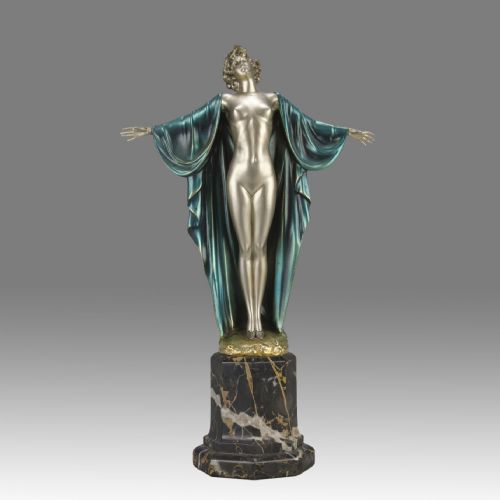
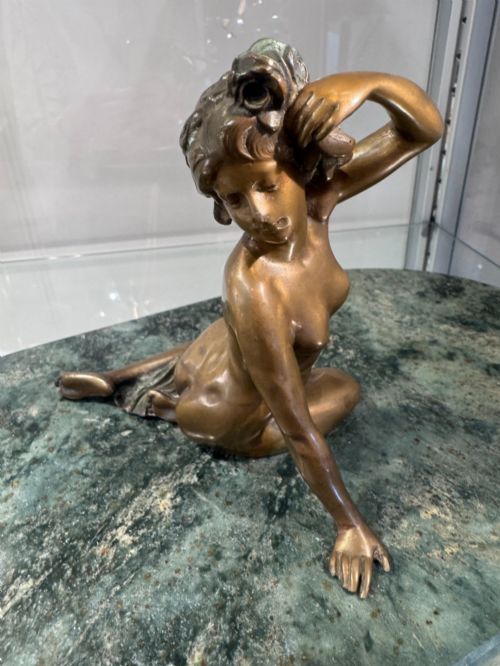
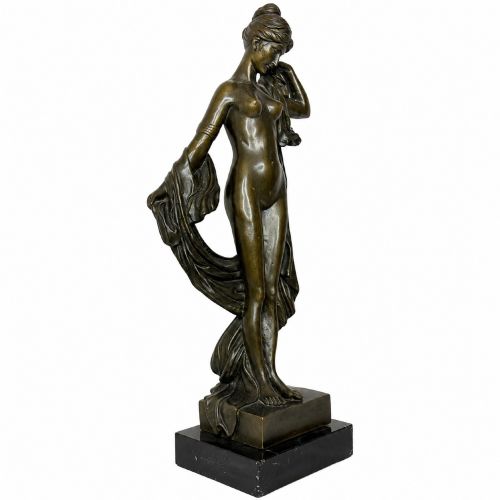
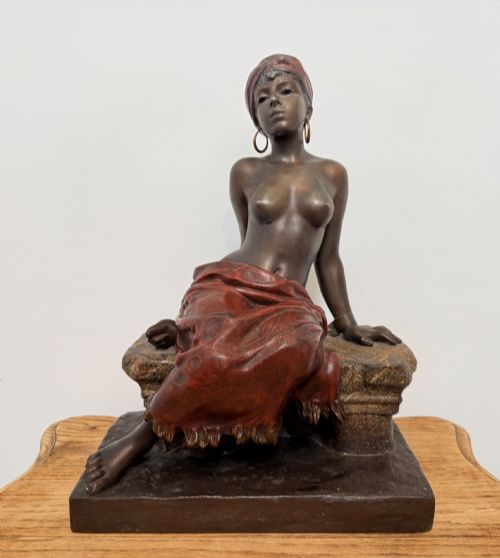
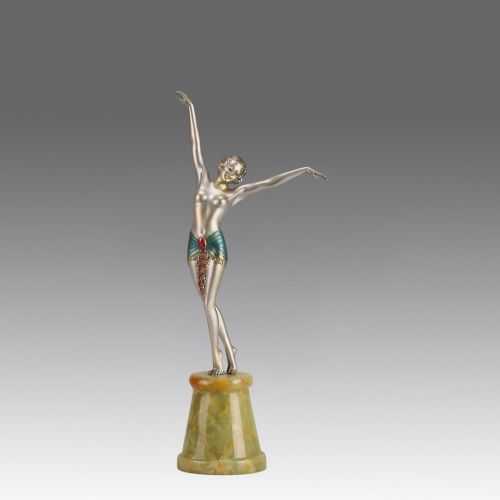
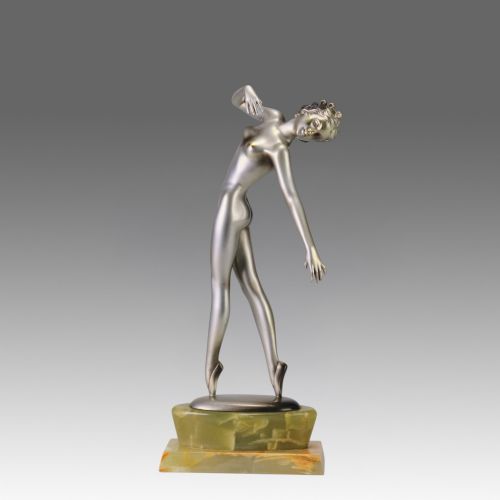
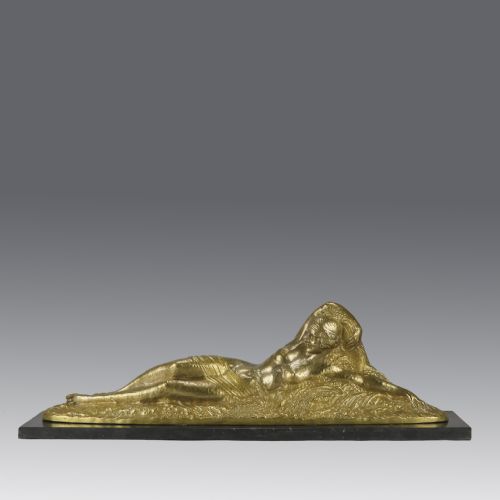
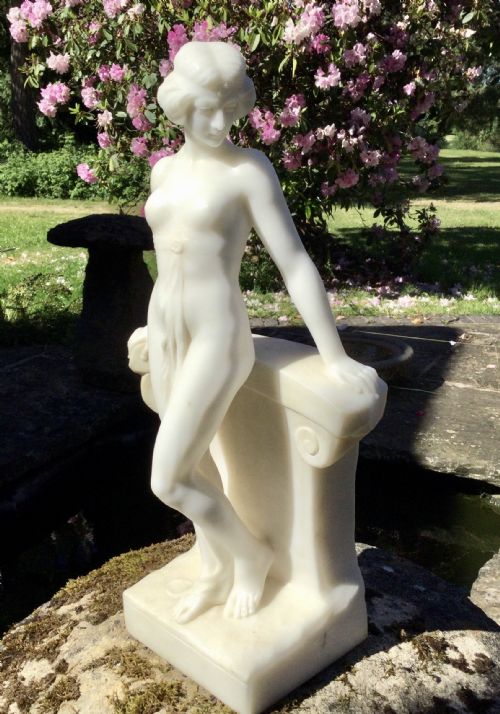


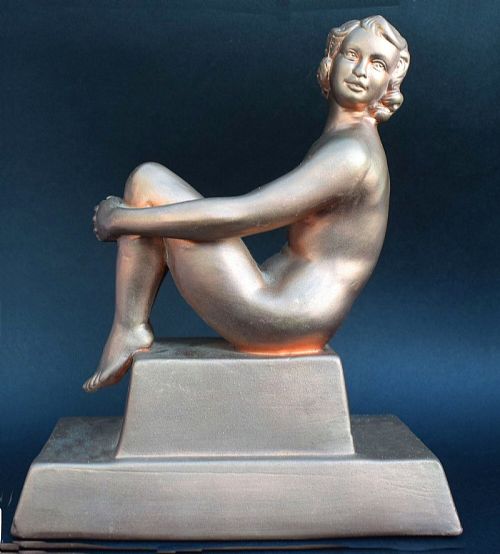


Antique Female Nude Sculpture
When you search for antique female nude sculpture, you find bronze figures, marble carvings and painted works spanning from the nineteenth century into the art deco era.

Antique Female Nude Sculpture
An antique female nude sculpture captures the human form through classical, art nouveau and art deco lenses, taking the shape of standing maidens, dancers and mythological figures. You will frequently encounter bronze and marble pieces from French and Austrian studios dating from the late nineteenth century to the nineteen-thirties.
These works range from cabinet statuettes and desk ornaments to monumental cast figures mounted on marble bases. The subjects span allegorical studies of morning and spring alongside orientalist dancers and mythological characters like Venus and Ariadne.
Makers utilised various physical forms, including cold-painted metal, carved alabaster and opalescent glass, to render the human body. Pieces often bear foundry marks, artist signatures or distinct patination that help date the object.
What Varies In Quality
Quality rests in the crispness of the casting and the sensitivity of the hand-finishing, where superior examples display realistic musculature and facial expression. The quality of the base material, such as veined marble or heavy multi-layered onyx, also separates standard production pieces from master foundry editions.
Signatures, foundry stamps and publisher marks indicate higher workshop standards and better control over the final patina or cold-painted surface. Pieces cast by renowned foundries or modelled by listed sculptors retain greater definition in hair, drapery and hands.
The selection includes prominent art deco and art nouveau figures modelled by noted European sculptors.
Ferdinand Barbedienne·Ferdinand Preiss·Josef Lorenzl·Demetre Chiparus·Franz Bergman·Claire Jeanne Roberte Colinet
The Antique Female Nude Sculpture Glossary
- Cold-painted bronze
- A technique where paint is applied to a cold bronze casting rather than fired in a kiln. This method allows for intricate multi-coloured clothing and skin tones.
- Lost-wax casting
- A process where a molten metal is poured into a mould created by surrounding a wax model with a ceramic shell. The wax melts away, leaving a precise metal replica.
- Patination
- The chemical treatment or natural weathering applied to the surface of bronze to alter its colour. Artists use this to create warm brown, green or dark tones.
- Spelter
- An alloy of zinc and lead used as a cheaper alternative to bronze during the nineteenth and twentieth centuries. It often received a bronze-like metallic coating.
- Grand Tour
- The nineteenth-century practice where affluent travellers collected small-scale classical sculptures in bronze and marble as souvenirs. These pieces often depicted famous ancient statues.
Antique Female Nude Sculpture: Frequently Asked Questions
What is the difference between bronze and spelter?
Bronze is a durable copper alloy that accepts detailed chasing and rich patination without degrading over time. Spelter is a softer, lighter zinc alloy that was frequently utilised for more affordable figures.
You can often distinguish them by weight, magnetism and the colour of any exposed metal underneath the surface coating. Spelter is lighter and more brittle than genuine bronze.
How can I tell art nouveau from art deco?
Art nouveau pieces feature flowing, organic lines inspired by natural forms like whipped curves, flowers and cascading hair. These works date primarily from the turn of the twentieth century.
Art deco figures lean towards geometric symmetry, stylised drapery and dynamic movement associated with the nineteen-twenties and thirties. The postures in art deco often appear more angular and streamlined.
Where were cold-painted bronzes made?
Vienna served as the primary centre for cold-painted bronze production during the late nineteenth and early twentieth centuries. Numerous specialised workshops and foundries operated in the city.
These Viennese workshops exported figures worldwide, depicting dancers, orientalist subjects and animals. Many pieces carry small stamped numbers or foundry marks hidden beneath the base.