


Antique Faun Statue
An antique faun statue brings classical mythology into a room, capturing the lively spirit of ancient sculpture through enduring metal and stone.
Antique Faun Statue
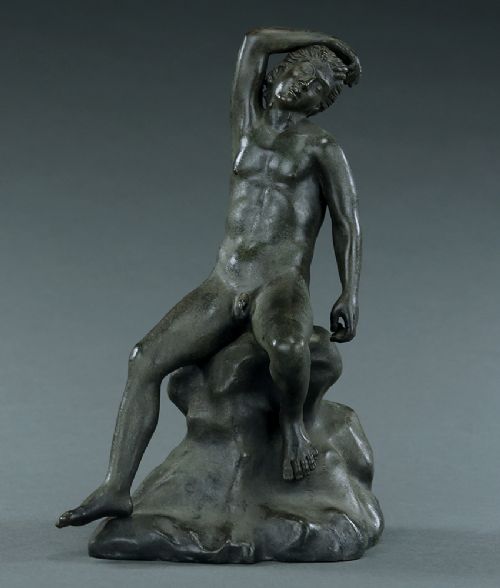
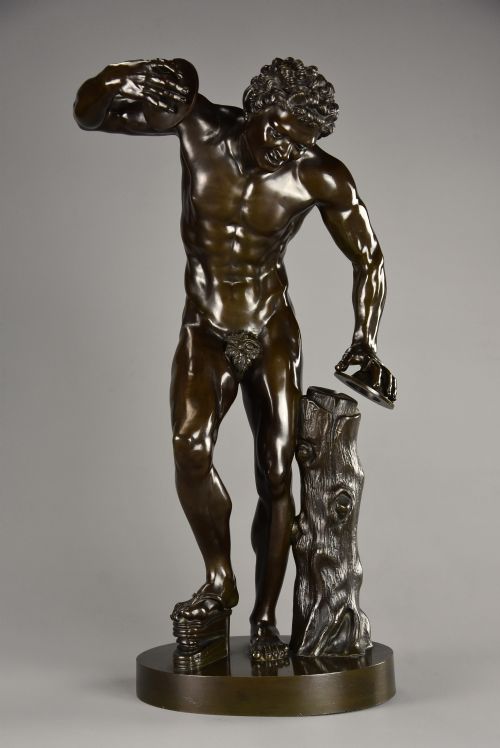
An antique faun statue represents mythological half-man, half-goat figures, often depicted dancing, playing pipes or holding wine. These sculptures draw heavily from classical antiquity and discoveries at sites like Pompeii.
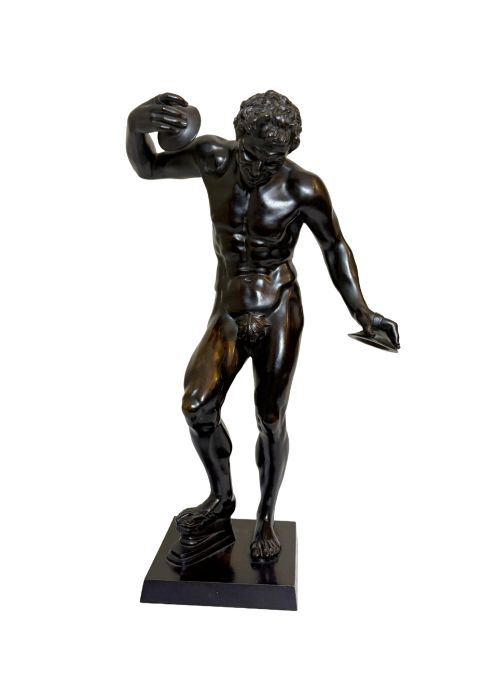
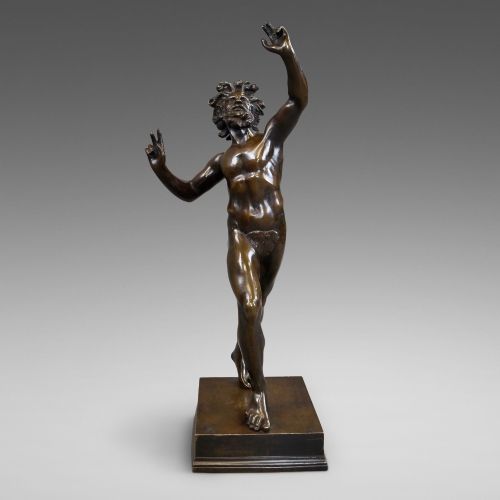
The most common version met on this page is the Grand Tour souvenir cast in bronze, produced across the nineteenth century for travellers returning from Italy. Such pieces replicate famous ancient marbles found in Neapolitan museums.
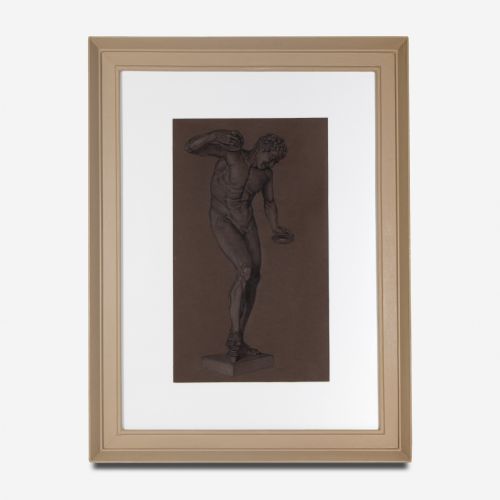
Other forms appearing alongside these bronzes include garden statues, framed artworks, plaster casts and carved wood figures. Dating spans widely across the nineteenth century, with occasional pieces stretching into the early twentieth century.
Materials and construction
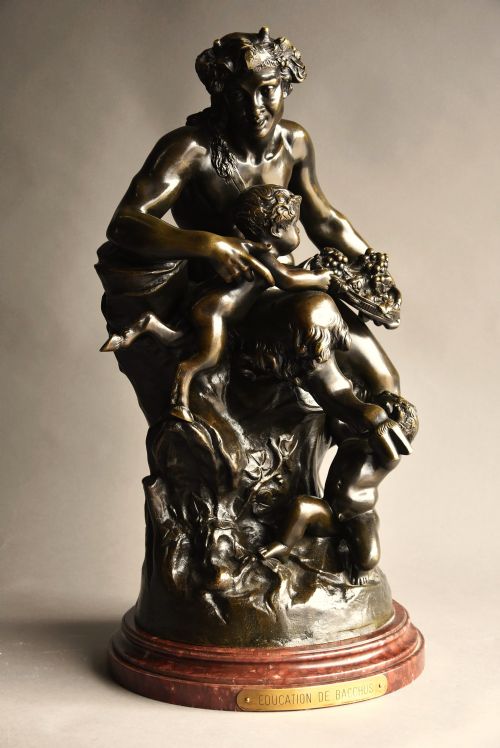
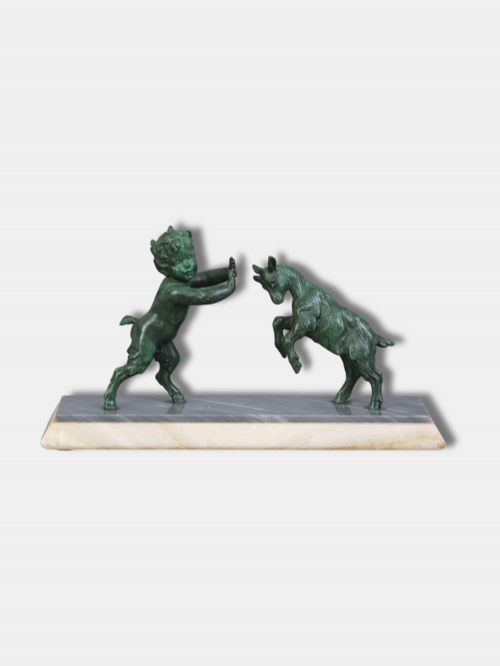
Bronze serves as the primary medium, shaped through traditional casting methods to capture musculature, hair and drapery with precision. Workshops often applied patination, ranging from dark brown tones to verdigris and green finishes, to simulate ancient burial effects.
Marble and other stone materials provide stable bases or alternate sculptural mediums for classical figures. Supplementary works utilise paper, charcoal, wood, glass and plaster, reflecting the diverse approaches of nineteenth-century artisans and academies.
Listings feature bronze, marble, plaster, and wood objects spanning the nineteenth century.
What distinguishes finer examples
The precision of the chisel work and the sharpness of the casting define the upper tier of these sculptures. Finer pieces retain crisp details in the facial expressions, fingers and instrumentation, whereas lesser casts appear soft and muddled in the transitions.
Foundry marks, signatures and stamps from known makers elevate an individual piece, demonstrating documented artistry rather than anonymous mass production. The depth and stability of the patination also indicate how well a bronze has aged and been maintained over generations.
Claude Michel Clodian·Emile Carlier·Duchemin·Augusto Rivalta
The Antique Faun Statue Glossary
- Patination
- The chemical or natural alteration of a metal surface over time, creating colour variation. Makers deliberately applied patinas to evoke the appearance of ancient excavated bronzes.
- Neoclassical
- An artistic movement reviving the styles and subjects of ancient Greece and Rome. This aesthetic heavily influenced nineteenth-century sculptors portraying mythological figures.
- Verdigris
- A green patina formed naturally on copper, brass or bronze through atmospheric exposure. Nineteenth-century founders often replicated this hue intentionally on Grand Tour souvenirs.
Antique Faun Statue: Frequently Asked Questions
What is a Grand Tour faun statue?
A Grand Tour faun statue is a nineteenth-century souvenir cast in bronze for travellers visiting Italian museums. These smaller pieces replicated famous ancient sculptures discovered at archaeological sites like Pompeii.
Collectors bought them to display classical taste and education in their homes. They capture the spirit of ancient art in a portable scale.
How do I identify the period of a bronze faun?
Dating relies on the casting quality, the character of the patination, and any foundry stamps or signatures on the base. Most pieces date from the nineteenth century, aligning with revival styles and archaeological excavations.
Examining the tool marks and the composition of the metal helps differentiate mid-century casts from later reproductions. Stylistic cues also link pieces to specific revival movements.
Where were these statues displayed historically?
Owners typically placed these sculptures on libraries, desks, mantelpieces or within dedicated cabinets of curiosities. Their compact size made them ideal focal points for studies and drawing rooms.
Larger versions occasionally appeared in gardens or larger hallways, depending on the material used. They served as conversation pieces reflecting classical learning.