





Antique European Wall Textile
An antique european wall textile brings centuries of woven artistry into a room, offering rich textures from Renaissance and Baroque workshops.
Antique European Wall Textile
An antique european wall textile encompasses woven tapestries, framed textile panels, and folk art objects spanning from the sixteenth century through the early twentieth century.
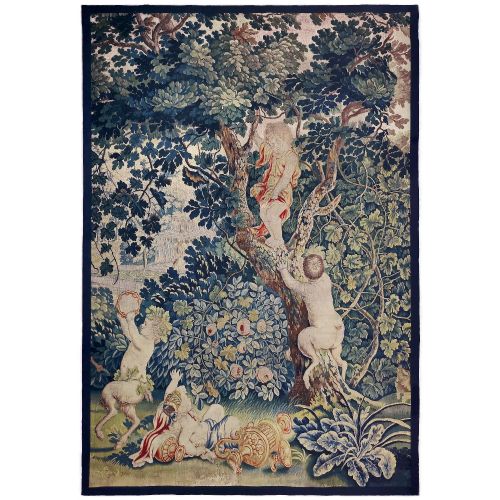
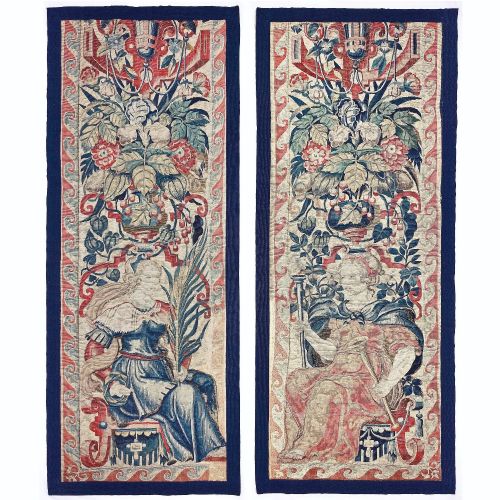
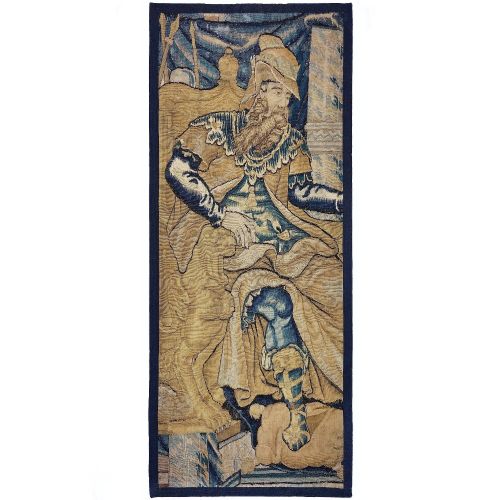
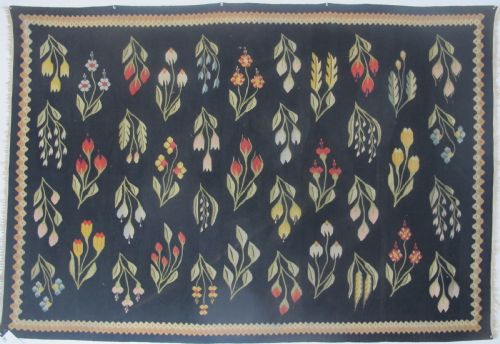
The pieces most frequently met on this page include seventeenth-century Flemish verdure panels, sixteenth-century border fragments, and Eastern European folk art pieces from around nineteen ten.
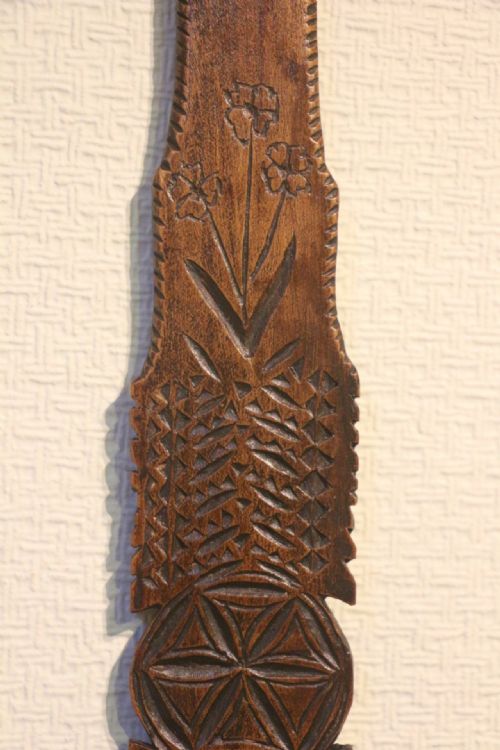
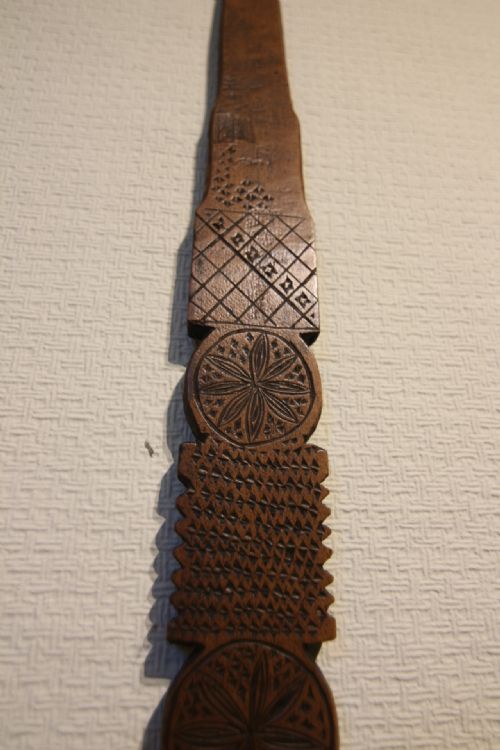
Collectors encounter both large wall hangings and smaller decorative items such as North German tapestry cushions and carved hardwood distaffs.
Materials and construction methods
The construction of these textiles relies heavily on natural fibres such as wool, silk, and linen, often enriched with metallic thread for added lustre.
Wooden elements, including carved hardwood and framed supports, appear alongside glass in mixed-media pieces and folk art objects.
Weaving techniques range from intricate Flemish verdure methods to regional folk art traditions found across Europe.
Antique European Wall Textile Retail Price Guide 2026
Typical asking prices for european wall textile among the pieces listed under this phrase on Sellingantiques today, from the lower quarter to the upper quarter. They describe what is for sale here now, not the wider market.
Someone spent hours carving intricate patterns into a humble nineteenth-century distaff just to spin flax in style.
Assessing quality in historical textiles
Quality rests upon the fineness of the weave and the complexity of the design, distinguishing grand Flemish panels from simpler regional works.
The survival of original metallic threads and vibrant dyed wools elevates a textile above pieces showing severe fading or extensive later reweaving.
The Antique European Wall Textile Glossary
- Tapestry
- A form of textile art traditionally woven on a vertical loom. These works display pictorial or decorative scenes using coloured warp and weft threads.
- Verdure
- A type of tapestry featuring lush plant and foliage motifs. They frequently depict forest scenes or stylized garden landscapes.
- Border panel
- A narrow section originally designed to frame a larger central tapestry. These pieces often display repeating floral or geometric patterns.
- Distaff
- A tool used in spinning to hold flax or wool. Folk art examples are often intricately carved from hardwood.
Antique European Wall Textile: Frequently Asked Questions
How do I hang a heavy textile safely?
Hanging a heavy textile requires distributing the weight evenly across the top edge. A common method involves stitching a fabric sleeve to the reverse and sliding a flat wooden batten through it.
Ensure the wall fixings are secured into solid masonry or wall studs rather than plaster alone. Avoid using direct nails or pins that pierce the historic fabric.
How do I clean an old textile?
Historic textiles generally cannot withstand standard washing methods due to fragile fibres and historic dyes. Gentle surface dusting with a soft brush or low-suction vacuum through mesh is the safest approach.
Professional textile conservators should handle any deep cleaning or restoration. Household detergents and water will cause irreversible shrinkage and colour bleeding.
What is a verdure tapestry?
A verdure tapestry depicts a stylized landscape dominated by trees, foliage, and sometimes animals or distant buildings. These pieces were immensely popular in Flemish workshops during the sixteenth and seventeenth centuries.
The palette typically relies on greens, browns, and blues to create a dense woodland atmosphere. They served both decorative and insulating purposes in large rooms.
How are sixteenth and seventeenth-century pieces dated?
Dating relies on stylistic analysis of the weave, iconography, and the specific types of looms used during particular periods. Flemish workshops, for example, employed distinct border designs and colour palettes that evolved over decades.
Material analysis of the wool and metallic threads also aids experts in confirming the era of production. Comparing surviving fragments to museum archives provides further verification.
Can I use tapestry cushions daily?
Using antique tapestry cushions requires careful placement to minimise friction and wear on fragile threads. Displaying them gently on a bed or a seldom-used chair preserves the delicate wool and silk fibres.
Direct sunlight and heavy sitting will accelerate the degradation of the historic weave. Rotating the cushions periodically ensures even exposure to ambient light.