





Flemish Wall Hanging Panel
These flemish wall hanging panel examples bring centuries of woven and carved artistry into a room, offering rich historical texture for the collector.
Flemish Wall Hanging Panel
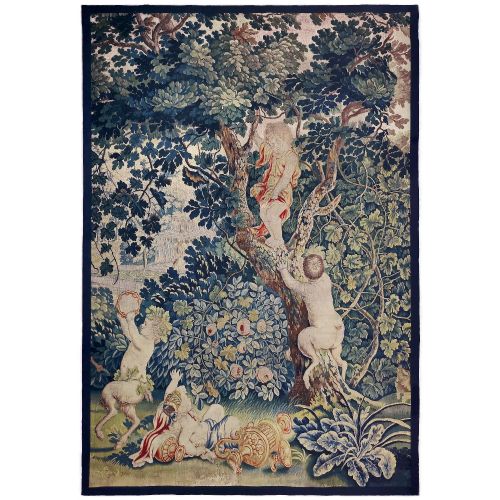
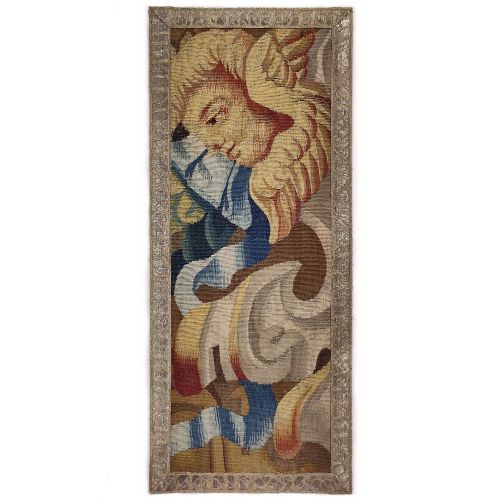
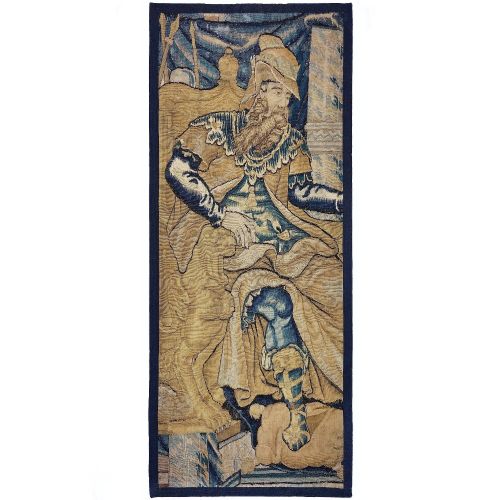
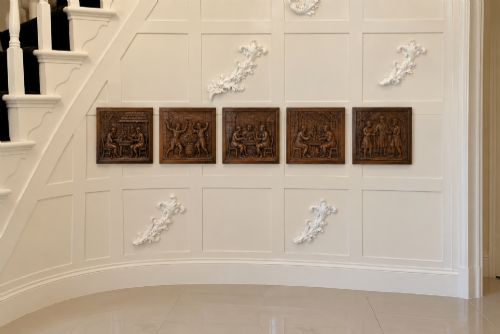
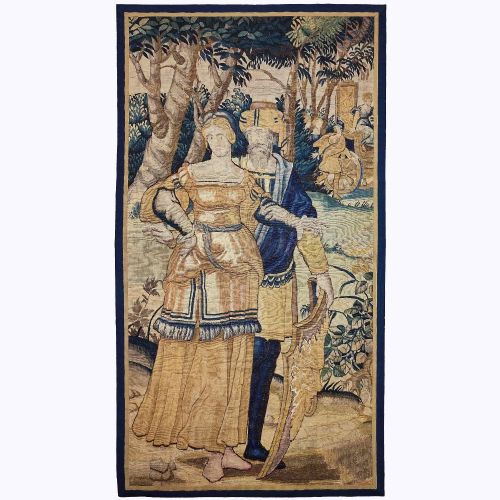
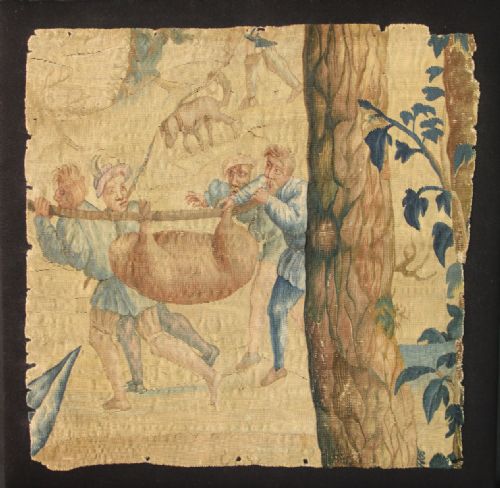
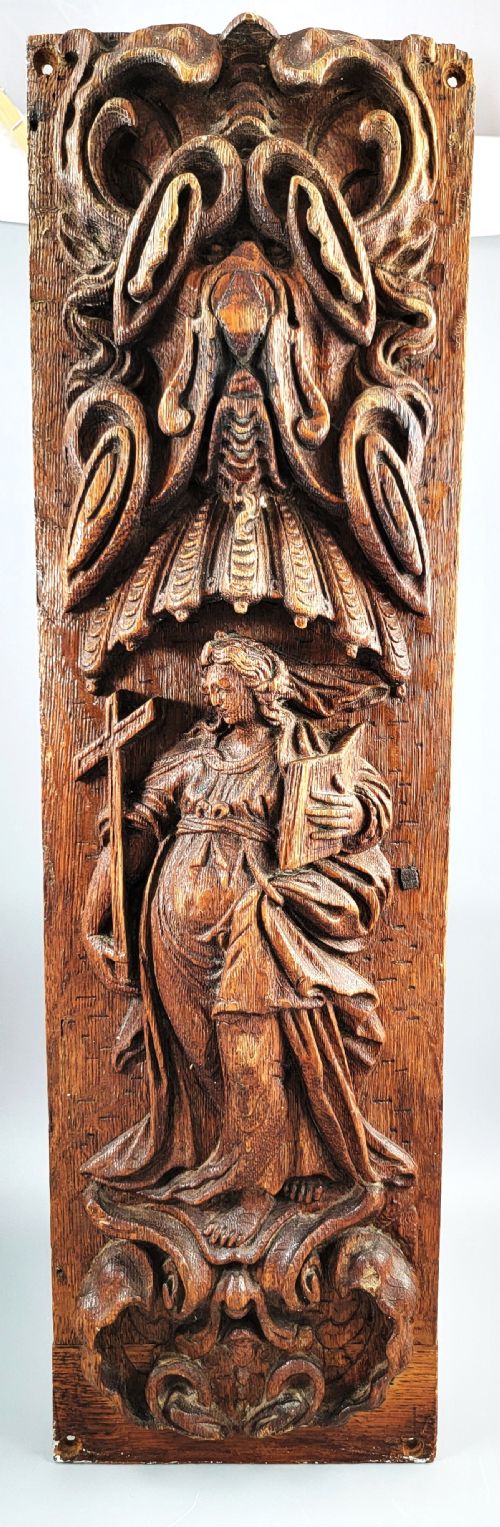
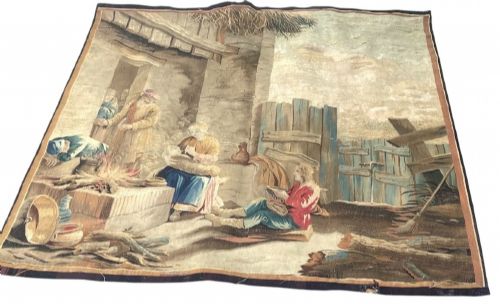
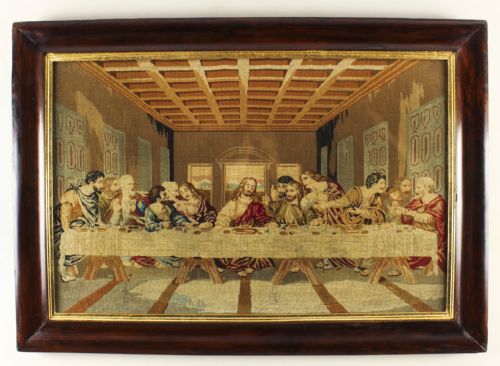
A flemish wall hanging panel encompasses woven textile art and carved wooden decorative elements originating from historical European traditions. Buyers seeking these items encounter woven tapestry fragments, verdure landscapes, and carved oak tavern or allegorical scenes.
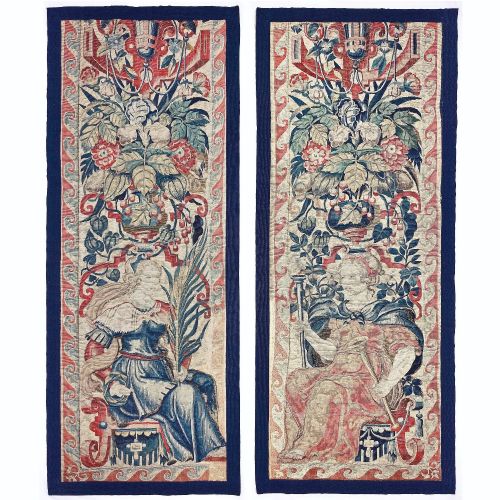
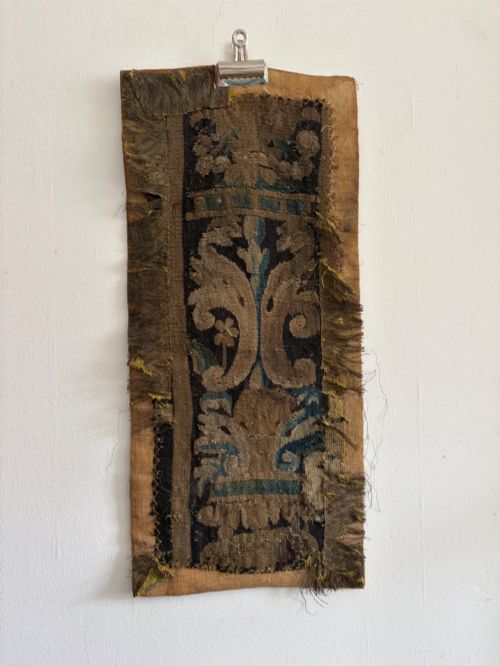
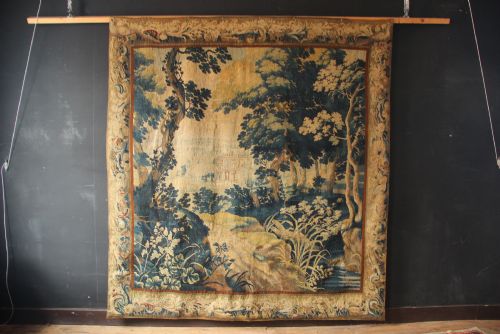
The most common examples on this page date from the sixteenth, seventeenth, and eighteenth centuries, executed in Renaissance and Baroque styles. Pieces range from large verdure tapestries and pairs of border fragments to nineteenth-century revival oak panels.
Textile forms often utilise mounted linen backings for structural support, while wooden panels present detailed relief carving. Each object displays the distinctive craftsmanship of Flemish workshops across multiple centuries.
Distinctions in Quality
Quality rests in the fidelity of the woven imagery, the density of the wool and silk thread count, and the depth of the carved oak relief. Superior textile fragments retain vibrant verdure tones and clear figural outlines despite centuries of ageing.
The integrity of the original material separation, such as intact borders versus heavily altered fragments, dictates the standing of the piece. Conservation methods, including mounting to linen, influence how cleanly the artwork presents on a wall.
Flemish Wall Hanging Panel Retail Price Guide 2026
Typical asking prices for flemish wall hanging panel among the pieces listed under this phrase on Sellingantiques today, from the lower quarter to the upper quarter. They describe what is for sale here now, not the wider market.
Materials documented across the available inventory include wool, silk, linen, gold leaf, and solid oak.
The Flemish Wall Hanging Panel Glossary
- Verdure tapestry
- A textile featuring plant motifs, foliage, and often woodland landscapes with birds or animals. These scenes dominated Flemish production during the seventeenth and eighteenth centuries.
- Border fragment
- A surviving section cut or separated from the main field of a larger tapestry. These strips often display repeating floral or geometric patterns.
- Baroque
- An ornate artistic style prevalent in the seventeenth century, characterised by drama, deep relief carving, and dynamic movement. It heavily influences many panels from this period.
- Tapestry
- A form of textile art woven on a vertical or horizontal loom using coloured yarns. Historical examples typically depict mythological, religious, or pastoral narratives.
- Relief carving
- A sculptural technique where figures and designs project from a flat wooden background. Oak panels frequently utilise this method to render tavern scenes and allegories.
Flemish Wall Hanging Panel: Frequently Asked Questions
How do I hang a tapestry panel?
Textile panels are frequently mounted onto a supportive linen backing or attached to a discreet wooden batten to distribute the weight evenly across the fabric.
Heavier carved wooden panels utilise integrated rear brackets or secure wall fixings designed to support solid oak structures safely.
What is a verdure tapestry?
A verdure tapestry depicts lush green landscapes, foliage, trees, and occasionally small animals or distant architectural elements. These pieces were designed to bring natural scenery into domestic interiors.
They represent some of the most recognisable woven survivals from Flemish workshops.
How are textile fragments mounted?
Older fragments are carefully stitched onto a stable linen support to prevent the historical wool and silk threads from tearing under their own weight.
This conservation technique secures the textile flat while preserving the original edges and remaining border details.
Can I date a carved oak panel?
Carved wooden panels are dated by analysing the depth of the relief work, the style of the figures, and the tool marks left by the carver. Comparing the subject matter to known seventeenth-century motifs helps confirm the period.
Oak grain patterns and the natural oxidisation of the timber also provide clues to the age of the wood.