

Antique Equestrian Ornament
When you seek an antique equestrian ornament, you look for a solid metal casting or hand-painted ceramic that captures the horse and rider in enduring form.
Antique Equestrian Ornament
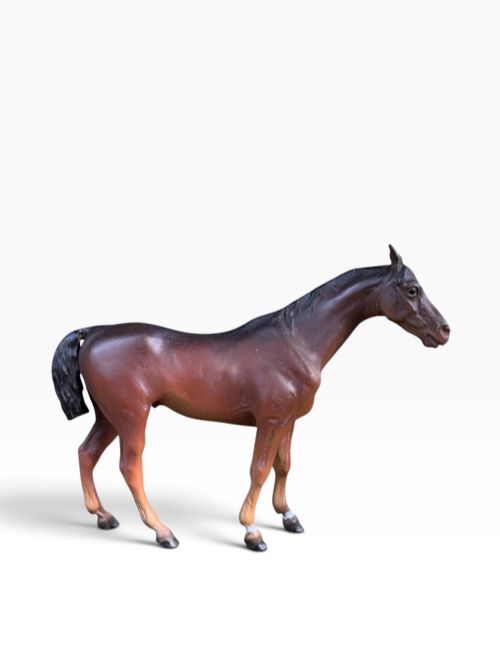
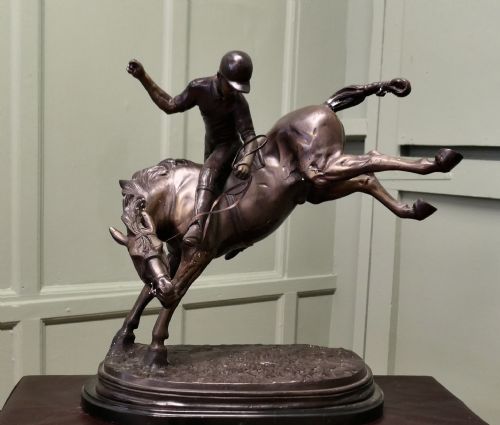
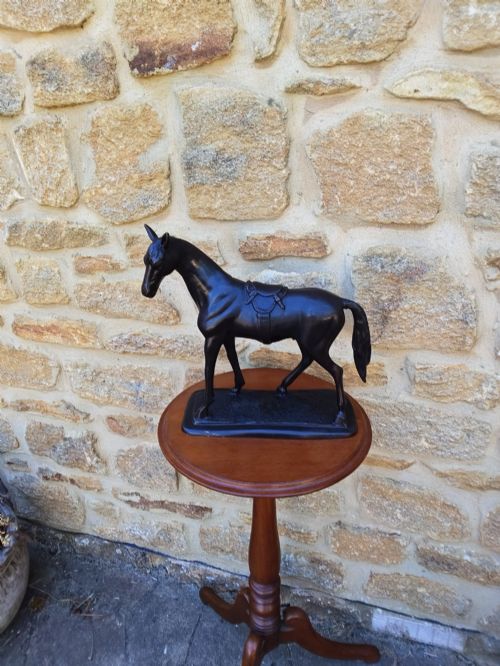
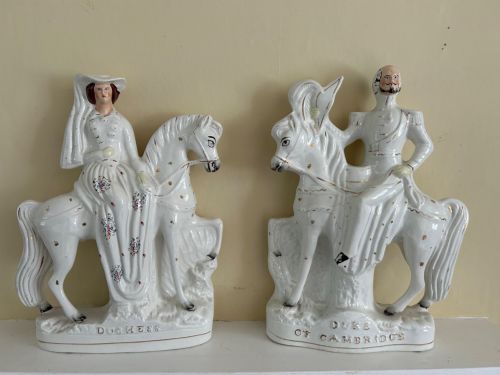
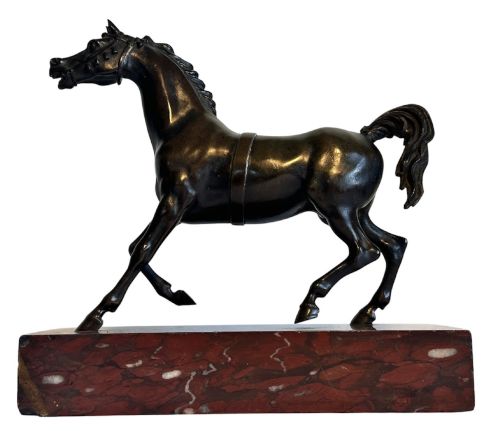
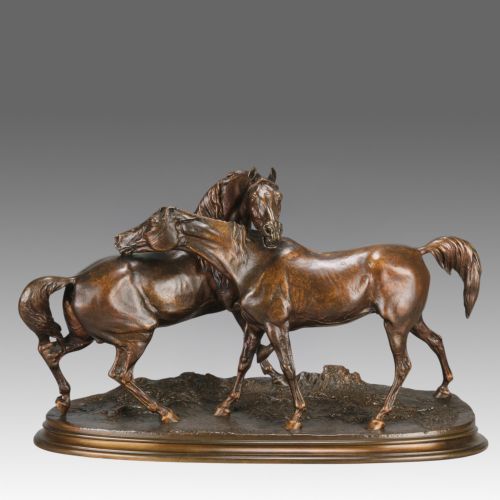
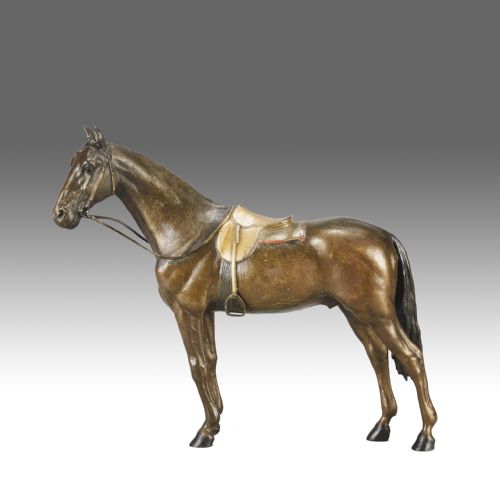
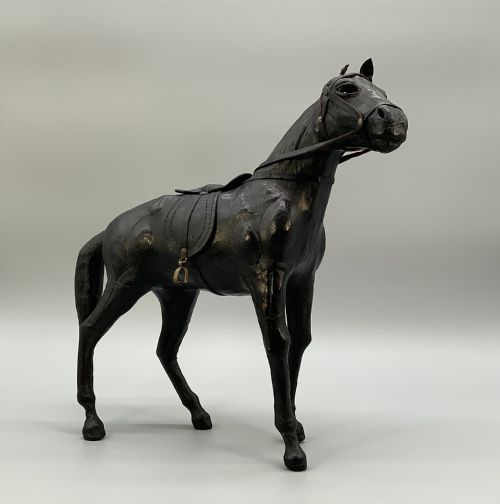
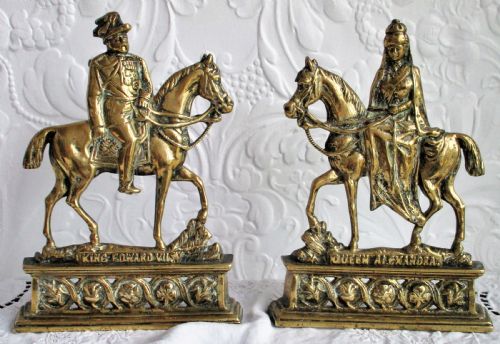
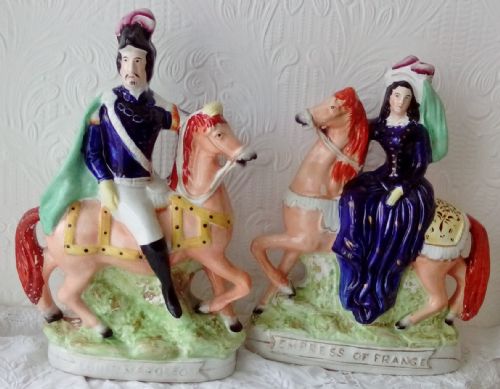
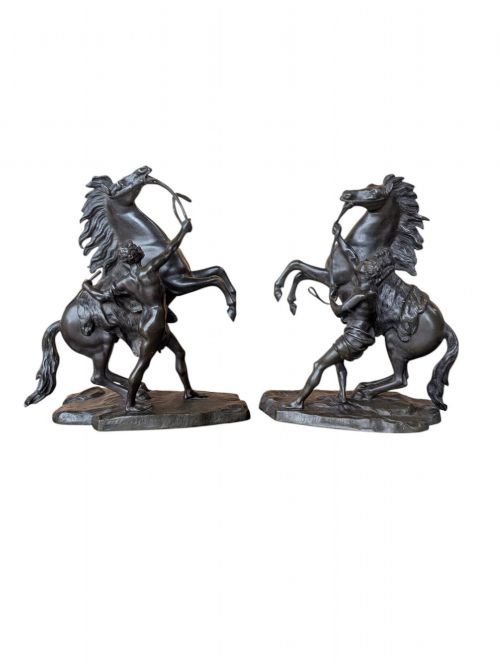
An antique equestrian ornament encompasses sculptural depictions of horses, riders, and related subjects intended for display rather than functional tack. You will frequently encounter Victorian Staffordshire pottery flatbacks, heavy brass doorstops, and French bronze animalier studies across these listings.
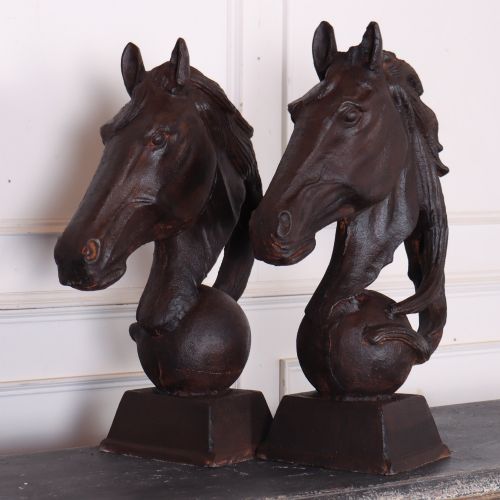
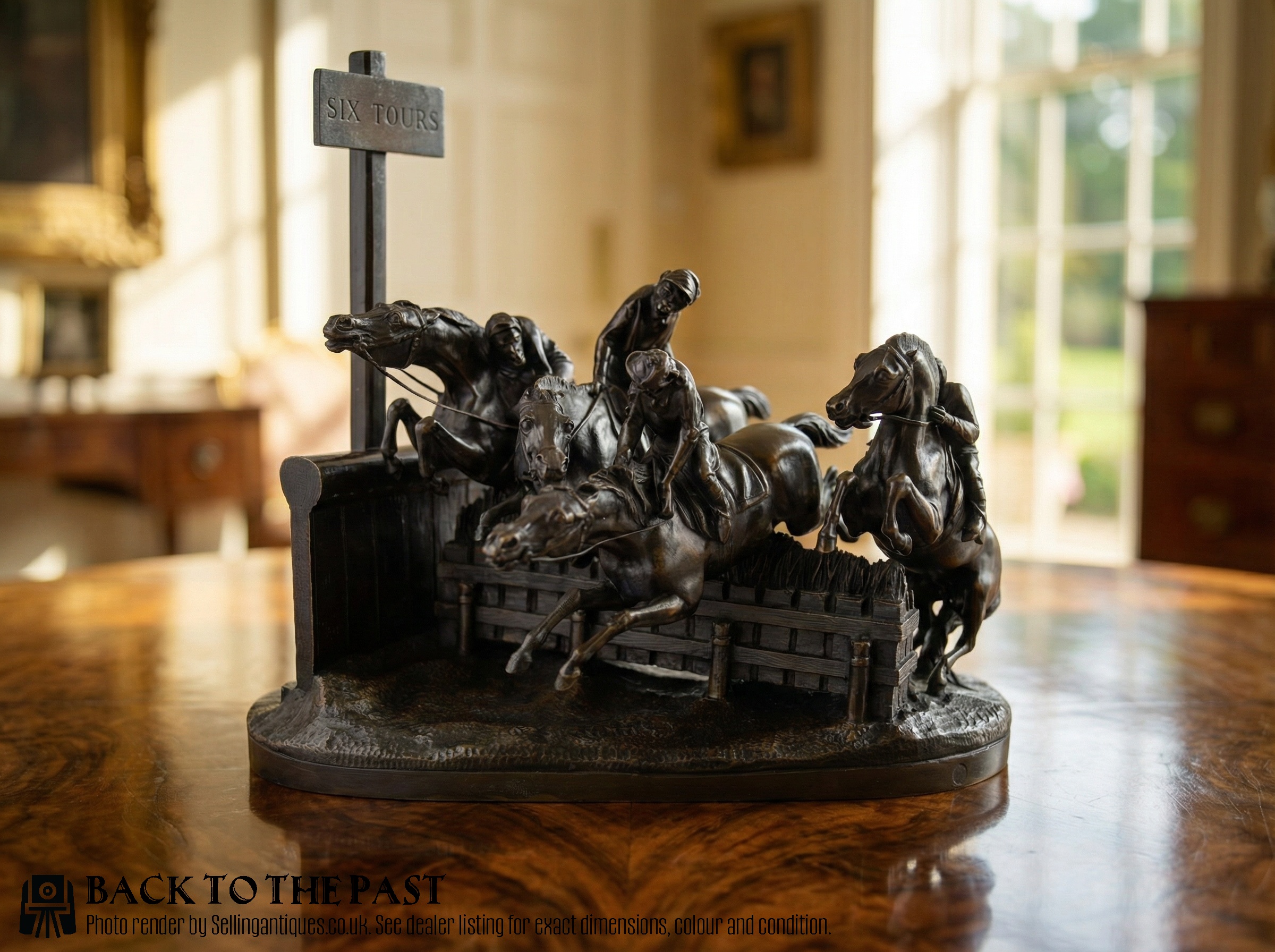
The objects range from utilitarian cast iron hitching posts and doorstops to desk paperweights and mantel sculptures. Subjects span military figures, jockeys, polo players, and wild stallions dating from the nineteenth and early twentieth centuries, alongside occasional earlier ceramic interpretations.
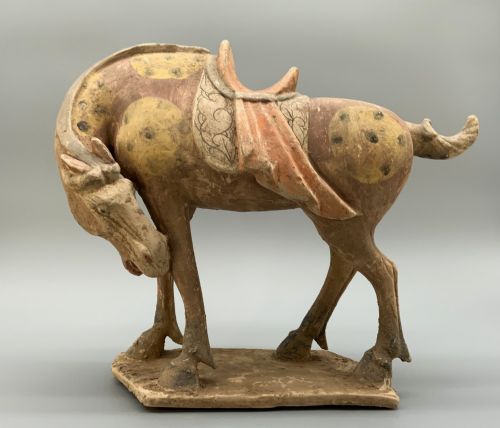
Moulders and ceramicists produced these pieces to commemorate notable historical figures, royal personages, and celebrated racehorses. The selection here reflects diverse origins, moving from English Staffordshire potteries to continental bronze foundries.
How They Were Made
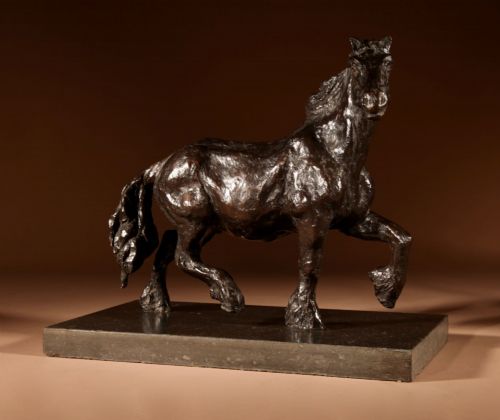
Foundries manufactured metal ornaments using traditional bronze and brass casting techniques, often mounting heavier bronzes upon shaped marble bases. Artisans finished certain bronzes with cold-painted pigments or gilt ormolu details to enhance surface realism.
Potters shaped earthenware and ceramic figures by hand or in press moulds before applying underglaze paints, enamels, and distinctive glazes. Cast iron pieces required robust sand-moulding processes to withstand everyday use as doorstops or hitching posts.
Materials span bronze, earthenware, brass, enamel, glaze, marble, cast iron, and paint across the nineteenth and early twentieth centuries.
What Varies in Quality
The precision of the casting and the crispness of the chiselling separate standard metalwork from finer sculptural studies. Master founders preserved delicate musculature and facial expressions, whereas simpler pieces relied on heavier, less detailed mouldings.
In ceramics, the finesse of the hand-painting and the clarity of the glaze dictate the grade of the work. Early earthenware figures display careful underglaze decoration that avoids the blurred lines found on lesser mass-produced items.
P J Mêne·Franz Bergman·Charles Crozatier
The Antique Equestrian Ornament Glossary
- Animalier
- A nineteenth-century sculptural style focused on realistic depictions of animals. Practitioners captured native and exotic beasts with close anatomical attention.
- Flatback
- A ceramic figure moulded with a decorated front and a mostly flat, unglazed rear designed for placement against a wall. This technique saved time and material during manufacture.
- Ormolu
- Gilt bronze ornamentation applied to furniture or sculptures. The technique involves treating metal with a mercury and gold amalgam to produce a rich golden surface.
- Sancai
- A traditional three-colour lead glaze used on Chinese pottery. Potters typically applied amber, green, and creamy white tones.
Antique Equestrian Ornament: Frequently Asked Questions
What materials were used for these ornaments?
Makers utilised bronze, brass, cast iron, and earthenware across the various decorative objects listed here.
Surfaces frequently received hand-painted enamels, cold-painted highlights, or traditional ceramic glazes.
How do I identify a Victorian Staffordshire piece?
Victorian Staffordshire figures typically present as earthenware flatbacks depicting notable personalities, royals, or riders on horseback.
They rely on hand-painted details and distinct moulded forms intended for display on mantelpieces.
Were brass horse ornaments used in homes?
Heavier brass and cast iron pieces served practical purposes as doorstops and door keepers in nineteenth-century domestic settings.
Lighter bronzes and marble-mounted sculptures functioned purely as decorative ornaments for desks and mantelpieces.
What is an animalier bronze sculpture?
Animalier bronzes emerged in nineteenth-century France to celebrate the dynamic musculature and movement of horses and wild animals.
Foundries cast these studies with high attention to anatomical detail, often signing them after prominent sculptors.
How do I care for antique bronze and brass?
Metal sculptures require gentle dusting with a soft dry cloth to protect the underlying patina and any applied cold-painted pigment.
Avoid abrasive cleaners or polishes that might strip historic finishes from bronze and brass surfaces.