


Antique Brass Decor
Antique brass decor encompasses utilitarian items transformed into decorative metalware through centuries of domestic life.
Antique Brass Decor
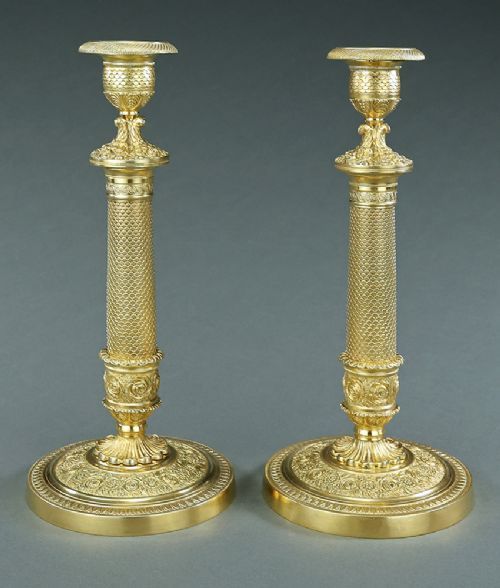
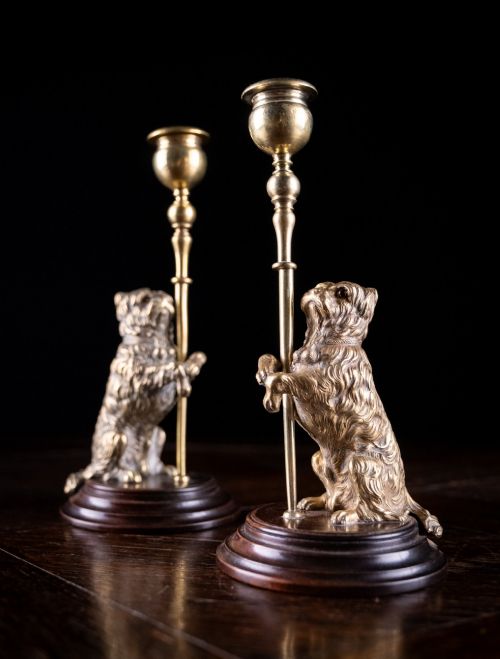
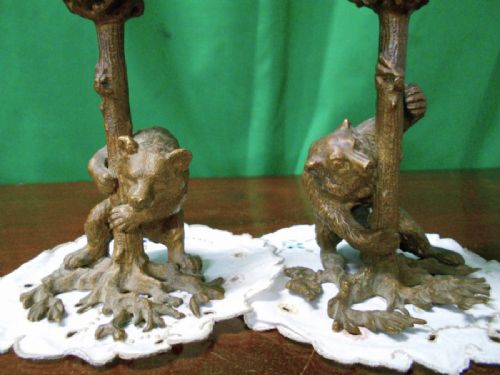
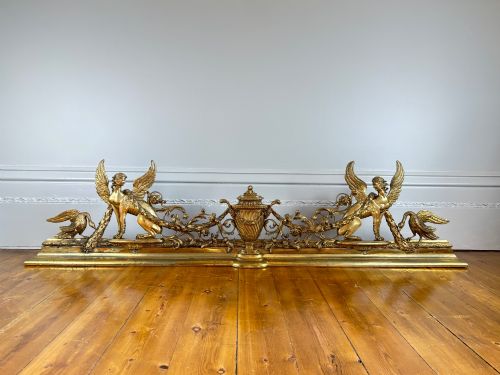
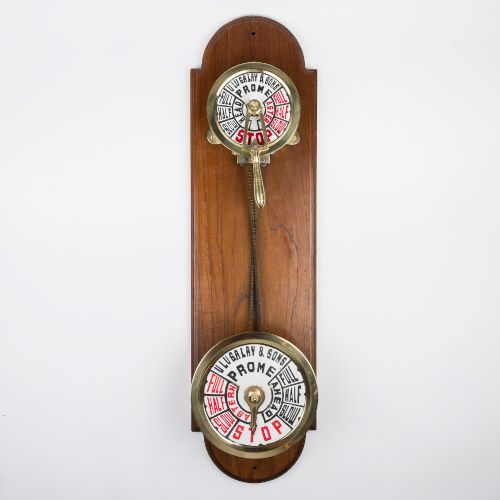
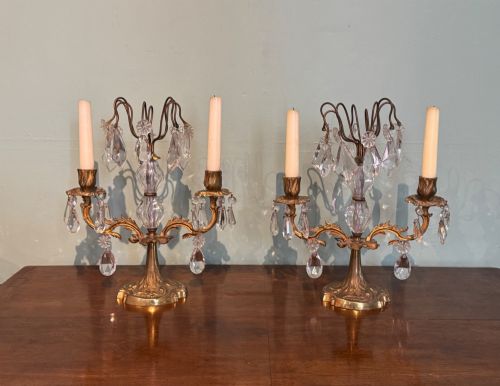
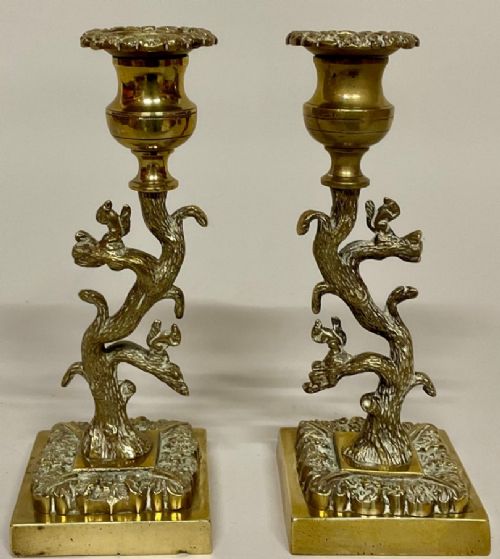
Antique brass decor covers a diverse range of metal objects shaped for domestic utility and ornament from the eighteenth century into the twentieth century. Buyers encounter functional household metalware repurposed for display, including candlesticks, fireplace fenders, doorstops, planters and barometer cases.
The material appears across multiple stylistic movements, from Georgian simplicity through Victorian exuberance to Edwardian refinement and Mid-Century Modern design. English, French and Asian workshops generated these decorative items using cast, beaten and engraved metal.
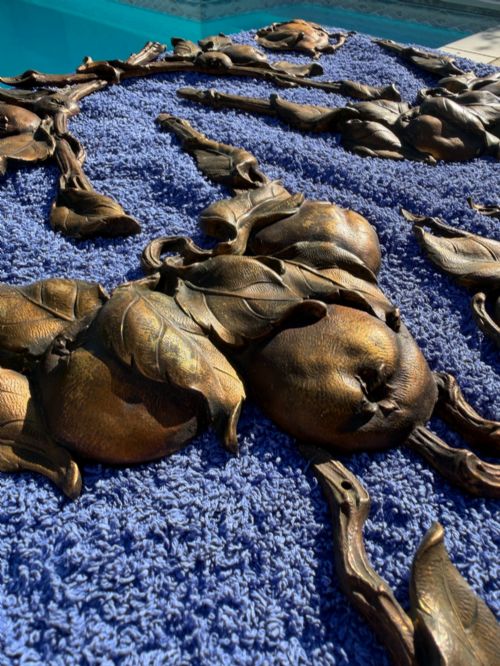
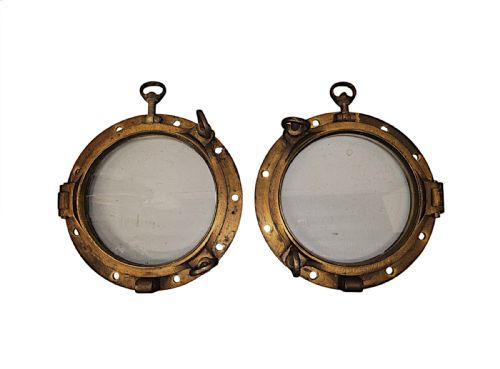
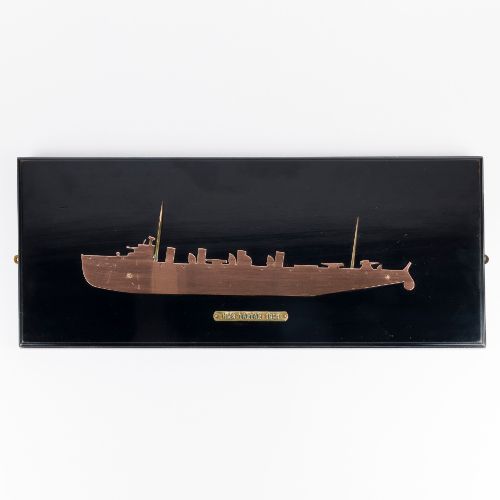
Candlesticks and hearth accessories dominate the selection, alongside decorative boxes, architectural salvage and wall pieces. Pieces bridge the gap between practical utility and interior decoration.
How they were made
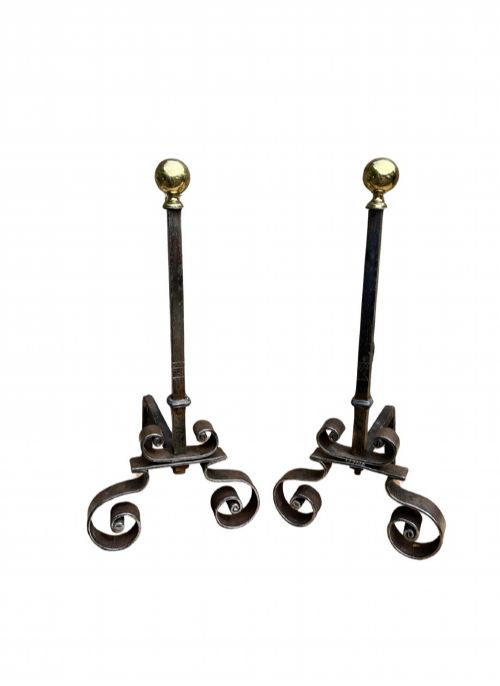
Metalworking techniques combine casting, hammering and chasing to shape copper alloys into decorative forms. Makers utilised sand casting for heavy items like fire dogs and andirons, producing solid structures with textured surfaces.
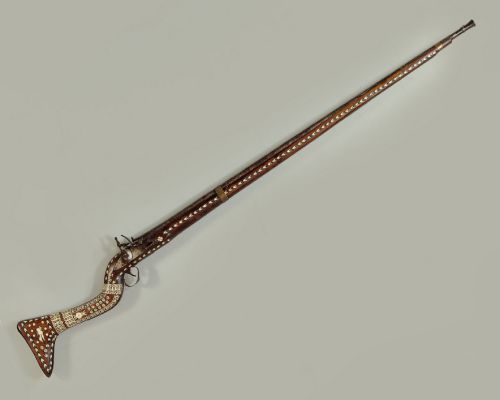
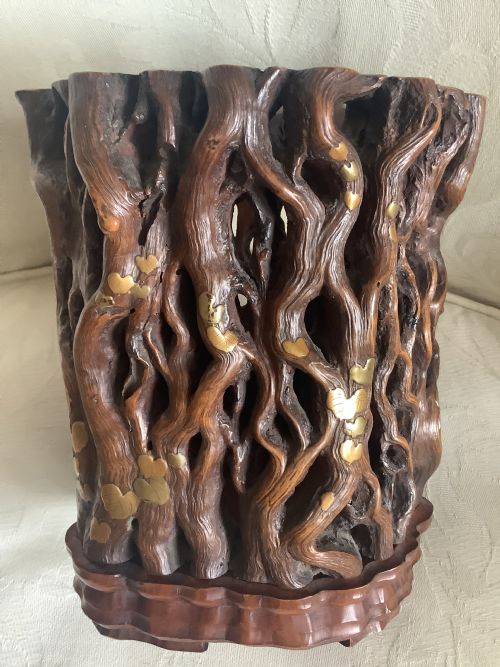
Secondary materials supplement the metalwork across various objects. Oak, mahogany, glass, iron and lacquer integrate with brass mounts, hinges and decorative pinwork to form composite decorative pieces.
Listings feature items spanning the eighteenth, nineteenth and twentieth centuries, utilising brass, bronze, copper-alloy, glass and oak.
What varies in quality
The standard of chasing and finishing separates mass-produced foundry output from individual studio work. Crisp detailing on cast ornamentation and balanced proportions indicate superior craftsmanship.
Material thickness and weight distinguish robust items from lighter substitutes. Original components, such as unreplaced screws and matching pairs, retain historical integrity better than assembled sets.
The Antique Brass Decor Glossary
- Ormolu
- Gilded bronze or brass applied to furniture mounts and decorative objects. The technique involves applying a gold amalgam to the metal base before heating.
- Andiron
- A horizontal metal support raised on legs, used to hold logs in an open fireplace. Pairs typically feature decorative cast fronts facing the room.
- Fender
- A low metal guard placed around a hearth to contain falling embers. Examples range from pierced brass plates to heavy cast frames.
- Chamberstick
- A short candlestick fitted with a wide drip pan and a loop handle for carrying about a house. These portable lights date largely from the eighteenth and nineteenth centuries.
- Martingale
- A strap linking a horse girth to its bridle, frequently decorated with mounted brass plaques known as horse brasses. Collectors prize these stamped brass discs for their varied regional and commemorative motifs.
Antique Brass Decor: Frequently Asked Questions
How do I clean antique brass?
Surface dust accumulates on metalwork over decades, requiring only a soft dry cloth for routine maintenance. Avoid harsh chemical polishes that strip away the natural dark oxidation accumulated over centuries.
Gentle wiping preserves the historical patina that distinguishes old metalware from modern reproductions. Excessive cleaning diminishes both visual depth and collector interest.
How do I date an old brass candlestick?
Manufacturing methods reveal the chronological origin of turned and cast lighting. Early pieces feature seamed construction and heavier bases, while nineteenth-century examples often include ejector mechanisms to push out remnants of wax.
Base shapes shift from square Georgian profiles to weighted Victorian saucers and slender Edwardian stems. Comparing stylistic details against documented foundry marks narrows the decade of production.
What is the difference between brass and bronze?
Copper alloys comprise both metals, but their primary secondary elements diverge. Brass relies on a mixture of copper and zinc, producing a bright golden tone utilised for domestic hardware and candlesticks.
Bronze combines copper with tin, resulting in a darker, denser material suited to sculptural castings and decorative mounts. Antique descriptions occasionally blur these categories based on visual appearance rather than metallurgical composition.
Where were these decorative items made?
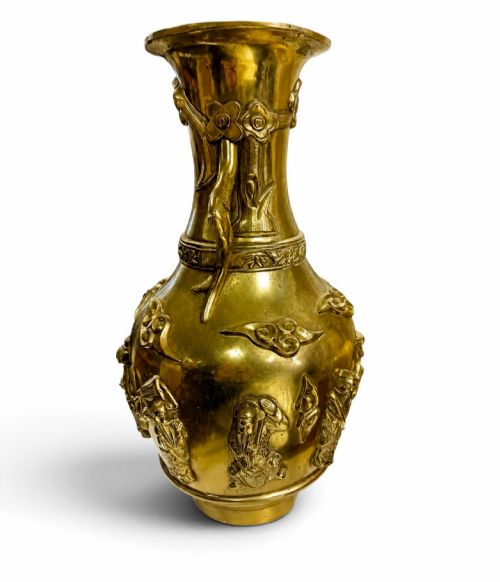
European workshops in England, France and the Netherlands produced the majority of domestic metalware seen in early collections. Regional casting centres developed distinct styles, from English country house doorstops to French ormolu mounts.
Imported items from Asian trading partners, including Chinese bronze vessels and Indian engraved brass trays, expanded nineteenth-century interior aesthetics. Local guild traditions dictated the specific finishing techniques applied in each region.