




Middle Eastern
A middle eastern antique brings the intricate geometries and rich metalwork of the Levant, Persia, and Ottoman lands straight into a modern interior.
Middle Eastern
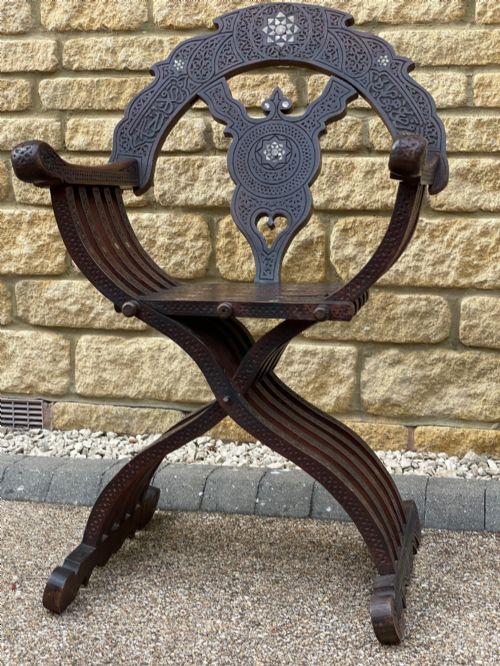
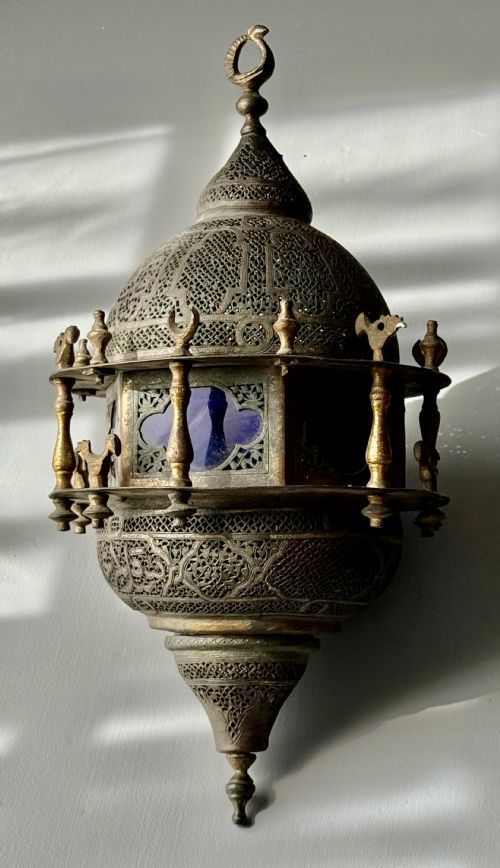
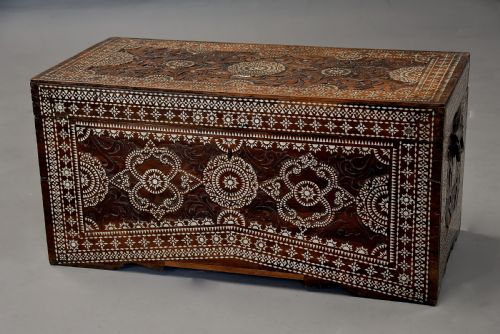
A middle eastern antique encompasses a diverse array of furnishings, textiles, and decorative objects originating from the Near East and surrounding regions during the nineteenth and early twentieth centuries. Buyers frequently encounter utilitarian and decorative metalwares, alongside intricately inlaid wooden furniture such as octagonal side tables, folding Damascus tables, and storage trunks.
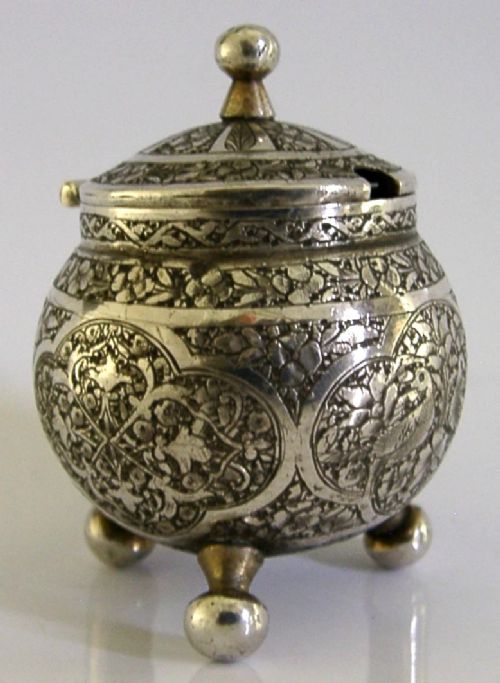
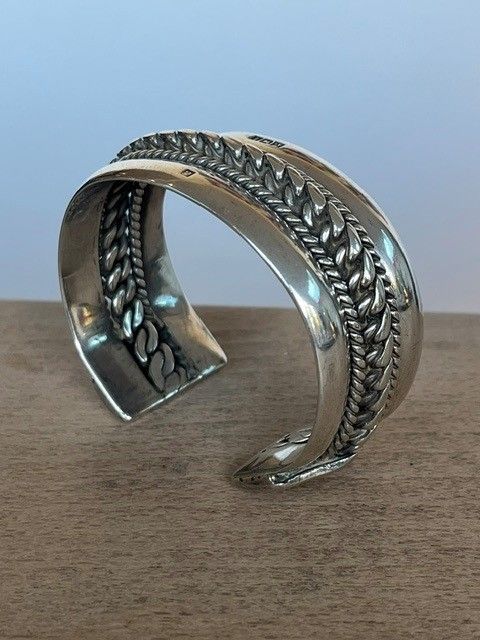
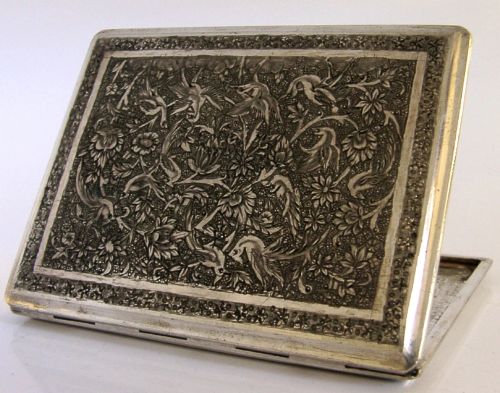
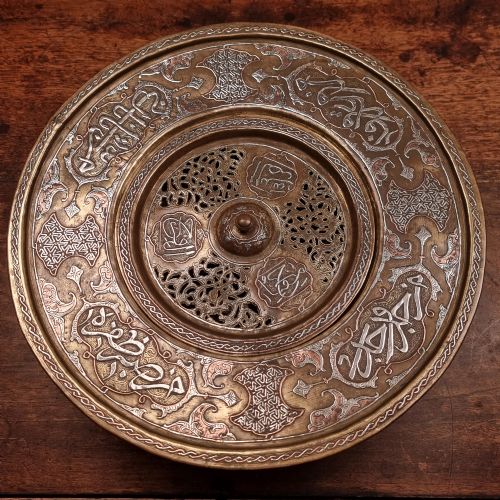
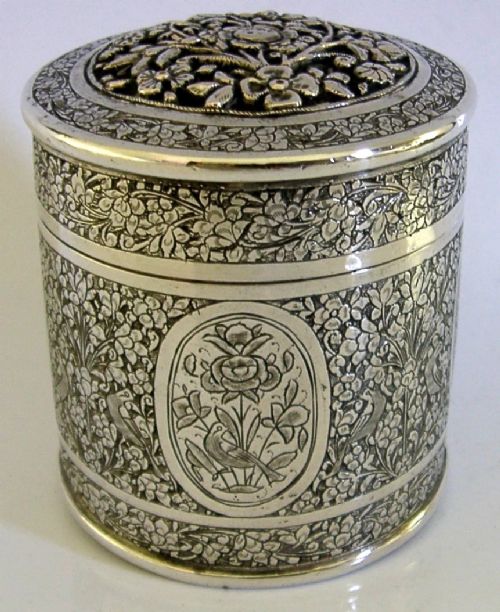
Textiles form a substantial portion of available items, ranging from nomadic prayer rugs and flatweave bags to colourful wool carpets bearing traditional tribal patterns. Metalwork spans heavy brass trays, Cairo ware chargers, engraved copper jugs, and solid silver tea caddies, mustard pots, and cigarette cases.
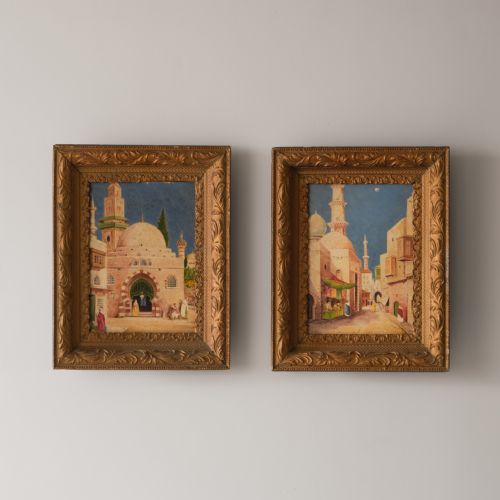
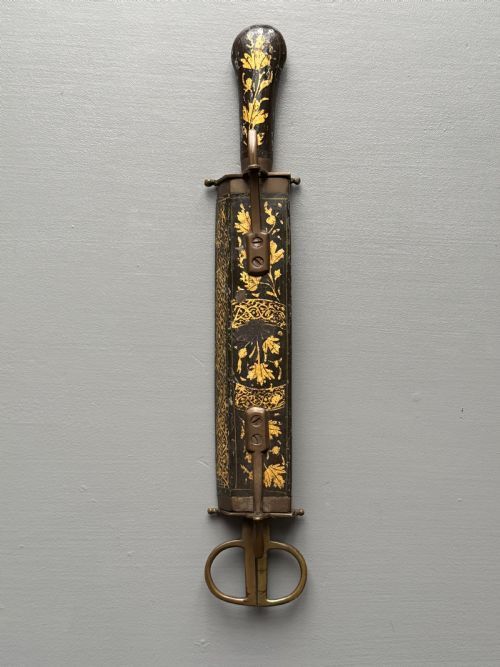
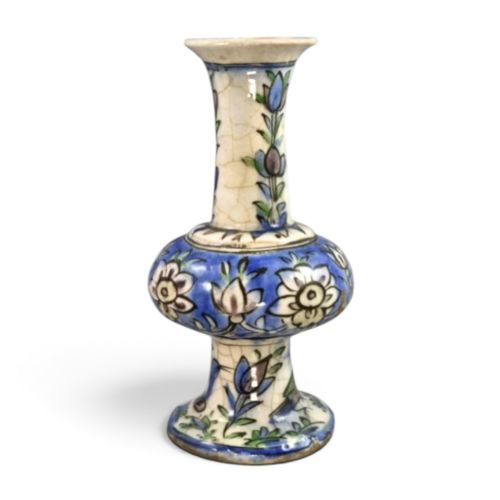
The material record also includes glazed ceramic vases, papier-mâché dagger sets, bone and mother-of-pearl mirrors, and naive paintings depicting regional scenes. These objects reflect a blend of Ottoman, Mamluk Revival, Moorish, and Qajar Persian design traditions produced across various urban workshops and tribal communities.
How they were made
Woodworking traditions rely heavily on geometric parquetry and intricate inlay techniques utilising mother-of-pearl, bone, and contrasting hardwoods to create complex star and polygon motifs on chairs, tables, and cabinets.
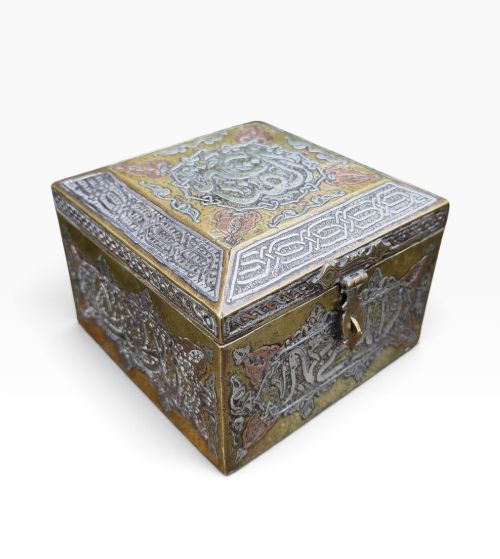
Metal objects demonstrate advanced skills in casting, hammering, and engraving, often incorporating mixed metals such as copper and white-metal inlays embedded into brass surfaces to form calligraphic bands and floral scrolls.
Textile production involves hand-knotting wool and weaving flatback carpets using natural dyes to achieve deep colour saturation in nomadic and village rugs from regions like Persia and Anatolia.
What varies in quality
Metalwork quality rests upon the depth of the hand-engraving and the harmony of mixed-metal inlay, with heavy gauge brass and solid silver demonstrating superior substance compared to thin stamped sheets.
Textiles are judged by the fineness of the knot count, the integrity of the wool pile, and the complexity of the dye work, which determine the crispness of the geometric design.
The Middle Eastern Glossary
- Mashrabiya
- An architectural element featuring interlaced wooden turned lattice work used for windows or room dividers. It regulates light and airflow while maintaining privacy.
- Cairo ware
- Western-inspired or local brass and mixed-metal wares featuring intricate silver and copper inlay produced in Egypt during the late nineteenth and early twentieth centuries. These decorative items often display dense Islamic geometric and calligraphic motifs.
- Qajar
- Pertaining to the Iranian dynasty ruling from the late eighteenth to the early twentieth centuries, known for distinct polychrome ceramics and papier-mâché items. Objects from this period frequently feature human figures and floral portraits.
- Mihrab
- A semicircular niche in the wall of a mosque that indicates the direction of Mecca, frequently depicted on prayer rugs. Nomadic weavers integrated this architectural motif into portable carpets.
- Kursi
- A low hexagonal wooden or metal-inlaid occasional table designed for sitting or domestic utility. These tables often feature openwork panels and folding frames.
Middle Eastern: Frequently Asked Questions
How do I care for inlaid wooden furniture?
Keep wooden pieces away from direct heat sources and sudden humidity changes to prevent the delicate mother-of-pearl and bone inlay from lifting out of the channels.
Apply a minimal amount of microcrystalline wax occasionally to nourish the timber without damaging the porous inlay materials.
Are brass trays meant to be polished?
Polishing brass trays back to a bright yellow shine often strips away centuries of accumulated patination that highlights the engraved recessed details.
Most collectors prefer to leave the dark oxidation intact within the incisions to maintain the contrast of the decorative motifs.
Where were Cairo ware items made?
Cairo ware was manufactured primarily in Egyptian workshops catering to both domestic buyers and European travellers undertaking the Grand Tour during the Victorian era.
These pieces combine traditional Islamic metalworking techniques with forms familiar to Western households.
How can I identify a genuine nomadic rug?
Nomadic carpets display irregularities in symmetry, hand-spun wool textures, and spontaneous colour shifts known as abrash resulting from small dye batch variations.
Tribal pieces like Baluch or Kurd bags also feature characteristic plain-weave backs designed for practical utility during transport.