
Antique English Glass
Antique English glass spans functional drinking vessels and decorative table pieces crafted across Georgian, Victorian, and later eras.
Antique English Glass
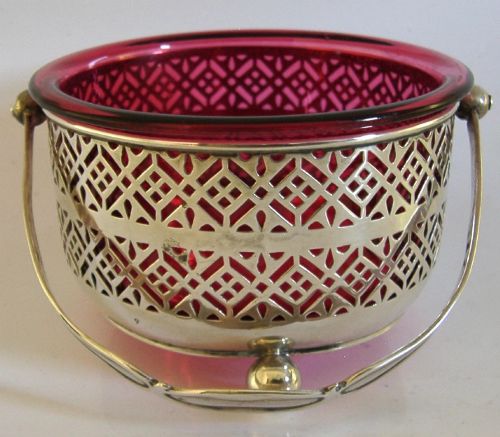
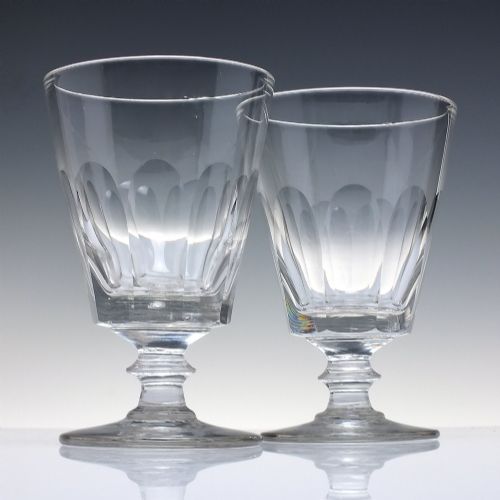
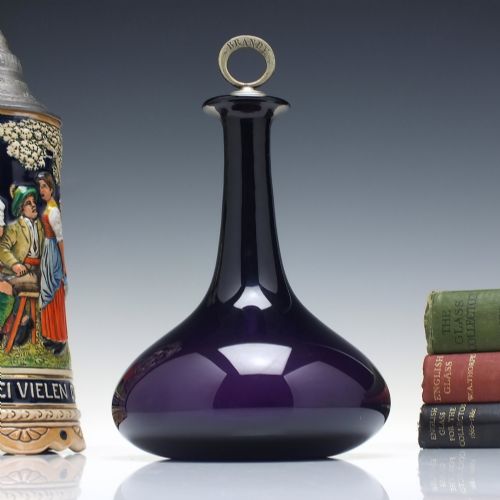
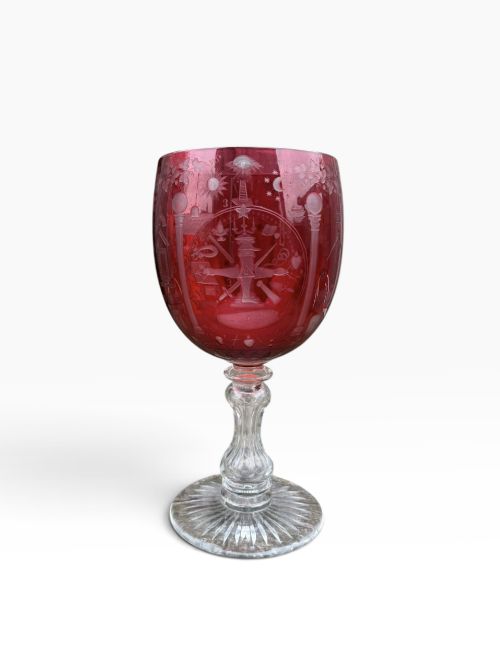
When seeking antique English glass, collectors encounter a diverse range of functional and decorative items produced across multiple centuries. Drinking vessels dominate the early periods, featuring forms such as wine glasses, rummers, decanters, and carafes shaped by Georgian and eighteenth-century traditions. Later Victorian pieces introduce vibrant hues and specialised objects, including cranberry glass, vaseline glass, epergnes, and bells.
Beyond tableware, the category extends to household items and scientific aids like magnifying glasses, inkstands, and apothecary bottles. The pieces reflect shifts in domestic life and manufacturing capabilities from the Georgian era through to the Edwardian period and the early twentieth century. Each object demonstrates the distinct decorative priorities of its respective decade, whether through delicate twist stems on drinking glasses or robust cut crystal.
Materials and production methods
The composition of these objects relies heavily on lead glass and lead crystal, which provided manufacturers with the weight, clarity, and brilliance necessary for deep cutting and light reflection. Skilled artisans manipulated molten material using techniques such as blowing, moulding, and freehand forming to create complex stems and vessels. Colour was introduced through specific metallic oxides, producing distinctive cranberry, amethyst, and green tones seen in nineteenth-century examples.
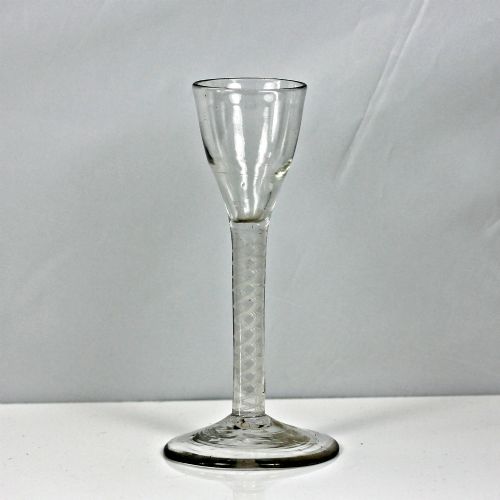
Surface decoration further distinguishes the manufacturing process, incorporating intricate engraving, faceting, and optical blowing techniques like the wrythen ribbed pattern. Drinking glasses frequently utilised air twist and opaque twist stems, formed by trapping threads of air or white enamel within the molten stem during drawing. These methods required precise temperature control and steady hands, leaving subtle individual variations that mark each piece as handmade.
Drinking toasts became so enthusiastic in the eighteenth century that heavy-based firing glasses were invented to survive being slammed onto tables.
Evaluating craftsmanship and condition
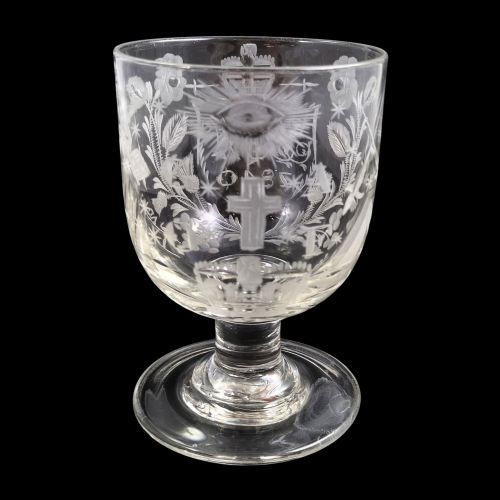
Quality in antique English glass rests on the clarity of the metal, the balance of the form, and the precision of any decorative work. Superior drinking vessels display thin, even walls and well-proportioned stems without cloudiness or excessive internal bubbles in the material. Engraved ornamentation on rummers or decanters shows confident, crisp lines rather than shallow or hesitant scoring.
The integrity of the form also dictates standing, particularly on items with applied elements like handles, prunts, or folded feet. Finer examples maintain crisp rims and stable bases that sit flat without excessive wobble. Preservation of the original surface finish, free from heavy scratching or dulling, preserves the piece's integrity and visual appeal.
The Antique English Glass Glossary
- Air twist
- A decorative stem feature containing elongated spiral air bubbles trapped within the transparent glass rod. This technique was achieved by drawing twisted canes while hot.
- Opaque twist
- A stem formation created by incorporating white or coloured enamel glass rods into the clear metal during the pulling process. It forms intricate lattice or thread patterns.
- Rummer
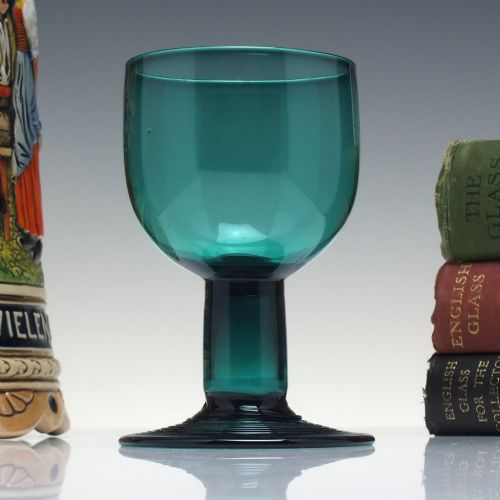
- A large, sturdy drinking glass popular in the late eighteenth and nineteenth centuries, typically featuring a short stem and a capacious bowl. They served ale, wine, or punch.
- Wrythen
- A surface pattern of spiral ribs or flutes moulded into the body of a vessel. The effect was produced by twisting the glass while semi-molten.
- Firing glass
- A heavy-based drinking glass used during Masonic and fraternal toasts in the eighteenth century. The thick foot produced a distinct sharp sound when struck against a wooden table.
- Vaseline glass
- A transparent yellowish-green glass coloured with uranium oxide that exhibits a bright green fluorescence under ultraviolet light. It gained immense popularity during the Victorian era.
Antique English Glass: Frequently Asked Questions
What is lead crystal?
Lead crystal is a type of glass containing a significant proportion of lead oxide, which increases weight, refractive index, and overall brilliance.
This composition allows artisans to cut deep facets that catch the light far better than standard soda-lime glass.
How do I date old glass?
Dating relies on identifying stylistic markers, manufacturing techniques, and pontil marks left on the base where the punty rod was detached.
Changes in vessel shapes, stem construction, and colour chemistry across the eighteenth and nineteenth centuries provide reliable chronological anchors.
What is a rummer used for?
A rummer is a robust drinking vessel traditionally used for serving ale, stout, or casual wines during communal gatherings.
Their thick walls and stable bases made them practical for everyday tavern and domestic use.
How should I clean antique glass?
Cleaning requires warm water and mild soap applied gently with a soft cloth, avoiding abrasive pads or harsh chemical detergents.
Submerging antique pieces in hot water should be avoided to prevent thermal shock and potential cracking of fragile historical material.