




Antique English Colour Engravings
Antique english colour engravings bring historical cartography and domestic scenes onto paper with hand-applied pigment.
Antique English Colour Engravings
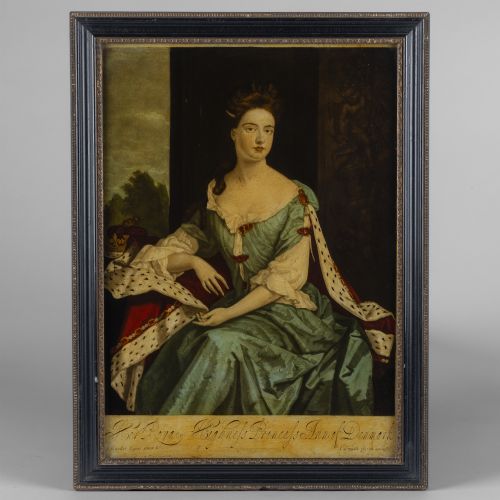
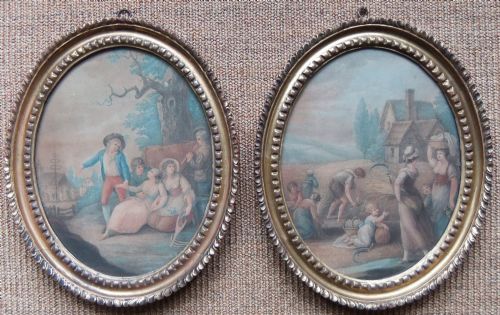
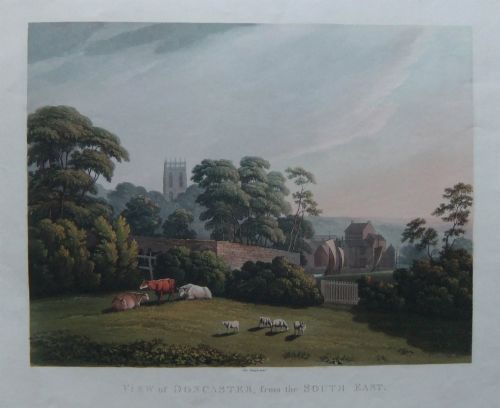
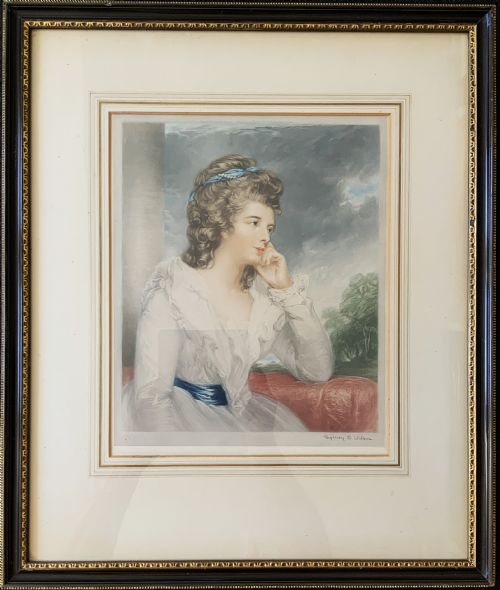
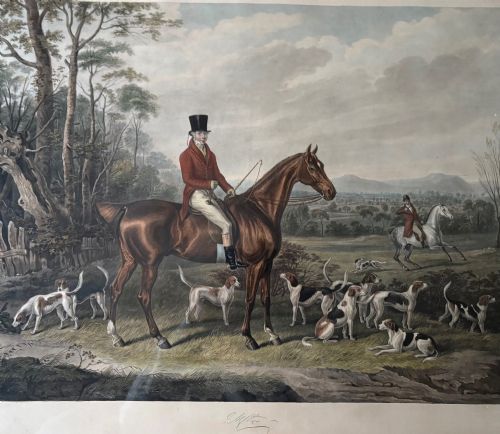
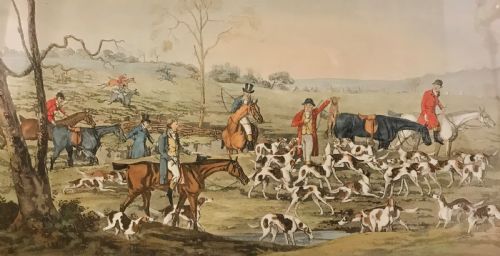
Antique english colour engravings encompass county maps, portraits, sporting scenes and domestic subjects captured on paper through various printed plates. These works span from the seventeenth century through the Victorian era, recording topography and popular culture.
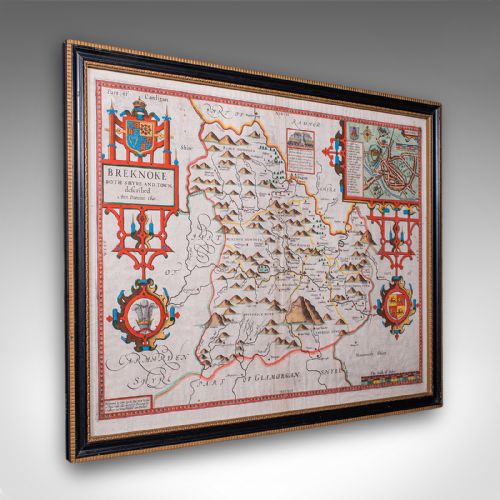
Buyers seeking antique english colour engravings will find county cartography by makers such as John Speed and Robert Morden alongside stipple engravings and mezzotints. Many examples retain their period frames in wood or gilt wood.
The selection ranges from early seventeenth-century atlas plates to nineteenth-century sporting lithographs and hand-coloured prints. Subjects frequently depict regional landscapes, rural pursuits and historical figures.
How they were made
The creation of these works relies on ink applied to engraved metal plates or stones, transferred onto paper under pressure. Artisans often finished the monochrome impressions by hand using watercolour pigment.
Framing materials such as glass, wood and gold leaf protect the fragile paper surfaces and hand-coloured details from environmental damage over the centuries.
Antique English Colour Engravings Retail Price Guide 2026
Typical asking prices for english colour engravings among the pieces listed under this phrase on Sellingantiques today, from the lower quarter to the upper quarter. They describe what is for sale here now, not the wider market.
John 'Mad Jack' Mytton makes an unexpected literary appearance alongside nineteenth-century aquatints and wax seals.
What varies in quality
Quality depends upon the clarity of the plate impression and the precision of the hand-applied pigment. Crisp lines and carefully saturated watercolour washes distinguish superior plates from heavy or faded printings.
The significance of the cartographer or artist influences the standing of a piece, alongside the preservation of the original paper and contemporary framing materials.
John Speed·Robert Morden·Thomas Kitchin·Jan Blaeu·Christopher Saxton·Sydney Wilson·E. Jackson Stodart·Robert Sayer·Charles Hunt·Francis Calcroft Turner·William Powell Frith
The Antique English Colour Engravings Glossary
- Engraving
- A printmaking technique where an artist cuts lines directly into a metal plate to hold ink. This method produces sharp, precise details on paper.
- Mezzotint
- A printmaking process that achieves rich tonal gradations by roughening the metal plate with a rocker. It allows for deep shadows and soft transitions.
- Stipple engraving
- A method using dots of various depths and densities to create tonal effects rather than continuous lines. It gained popularity for soft portraits and genre scenes.
- Lithography
- A planographic printing process based on the repulsion of oil and water on a limestone block or metal plate. It enabled detailed multi-colour reproduction.
- Cartography
- The science and art of mapmaking, seen here in engraved county maps decorated with cartouches and hand-applied colour.
Antique English Colour Engravings: Frequently Asked Questions
How do I date an engraved map?
Dates are often established by internal cartographic evidence, publishing details in the margin, and the styling of the title cartouche. Comparing the geographical boundaries depicted to known historical surveys narrows the timeframe.
Paper stocks and watermark examinations further assist specialists in confirming whether a print originates from an initial seventeenth-century run or a later edition.
What is a stipple engraving?
Stipple engraving is a technique where the image is built up using thousands of tiny dots rather than continuous lines. This creates delicate tonal gradations well suited for portraits and illustrative scenes.
Printers often combined this dotted plate method with hand-applied watercolour washes to achieve realistic flesh tones and softer fabric textures.
Are these prints hand-coloured?
Many examples feature pigment applied by hand onto the printed monochrome base. Artisans used fine brushes to add watercolour tints to maps, costumes and sporting scenes after printing.
This manual embellishment means surviving copies of the same plate can exhibit subtle variations in colour palette and intensity.
How should I frame paper art?
Paper works require conservation-grade mounting materials that prevent direct contact with glass and protect against acid degradation. Keeping pieces away from direct sunlight preserves the fugitive watercolours and inks.
Period frames in wood or gilt wood add historical context but should be checked to ensure the internal backing boards meet modern preservation standards.