
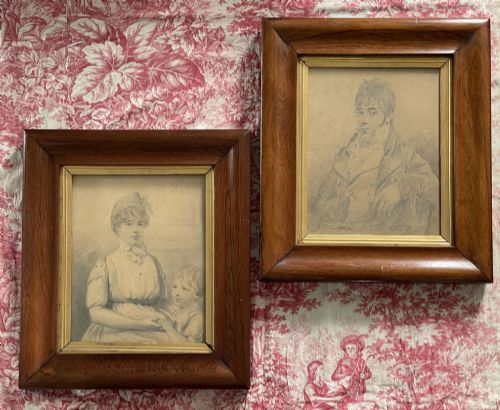
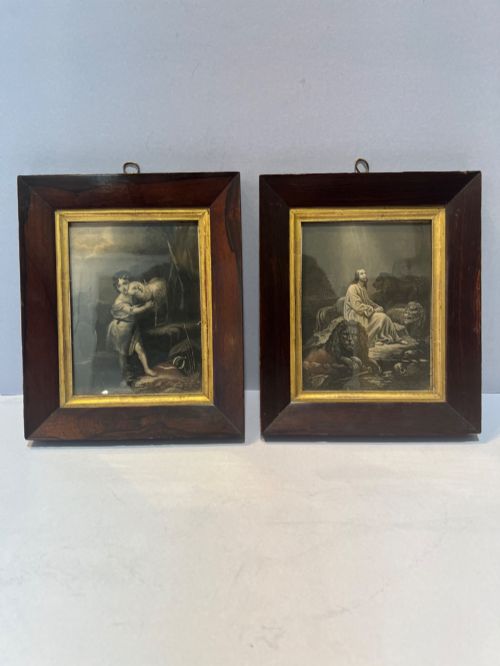


Georgian Wall Art Pair
A georgian wall art pair brings balanced symmetry and historic character to a room, offering matched companion pieces from centuries past.
Georgian Wall Art Pair
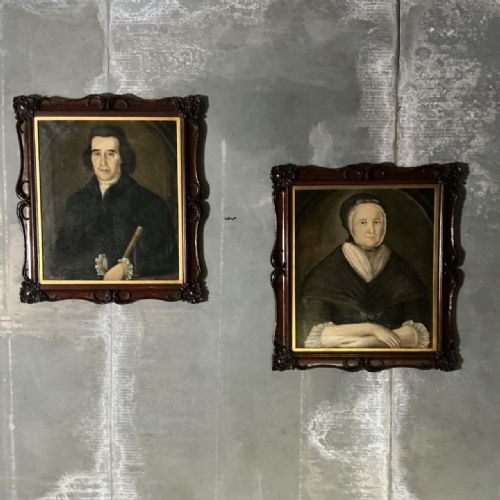
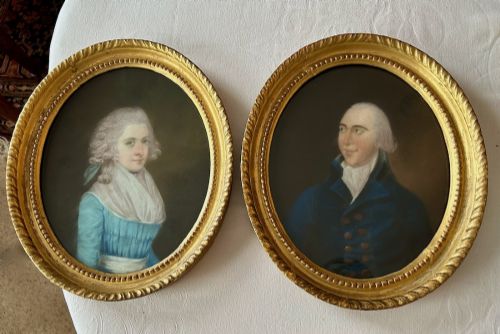
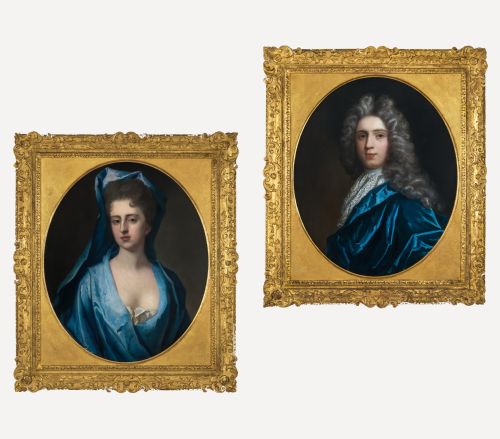
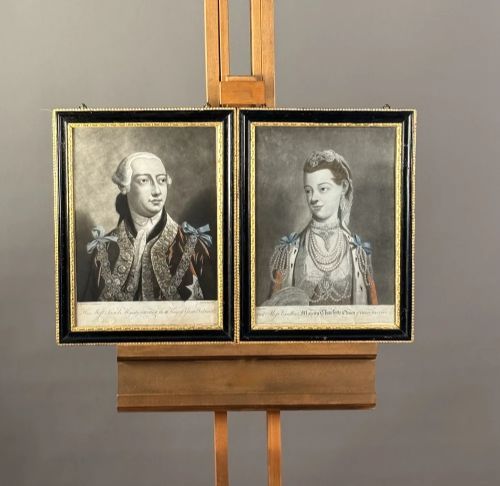
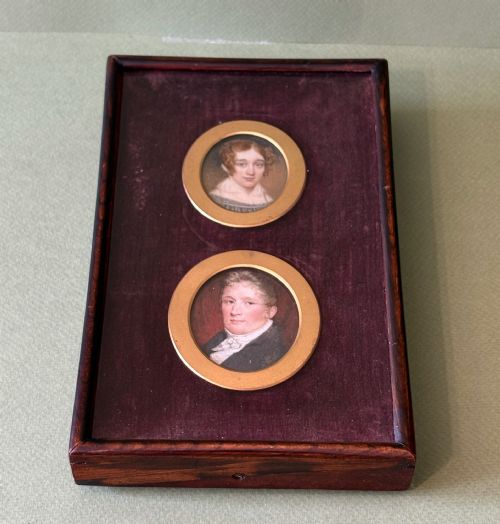
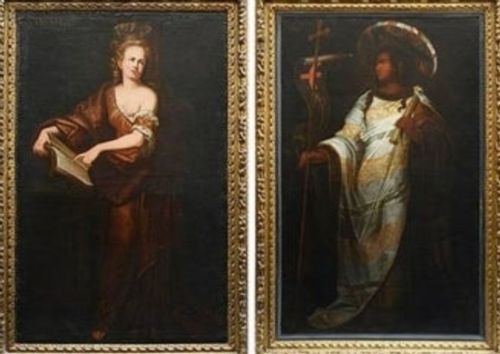
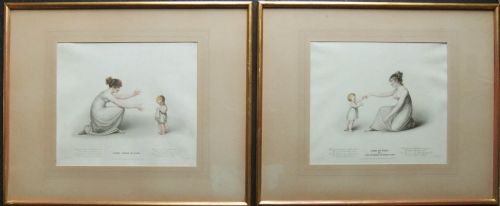
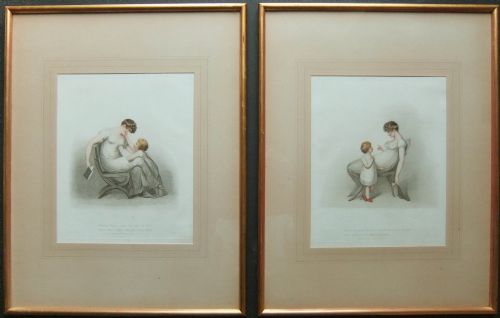
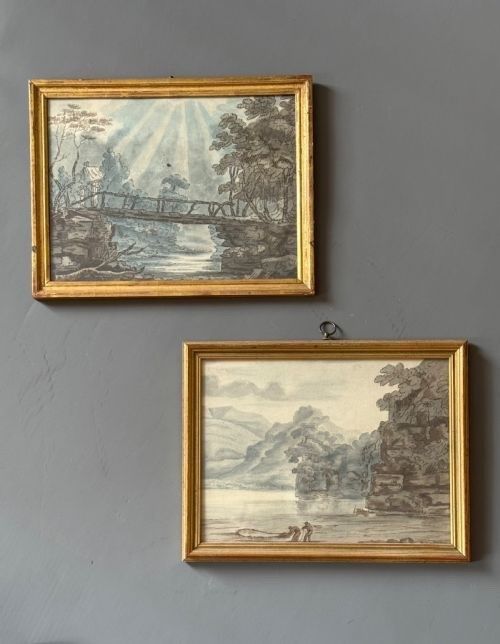
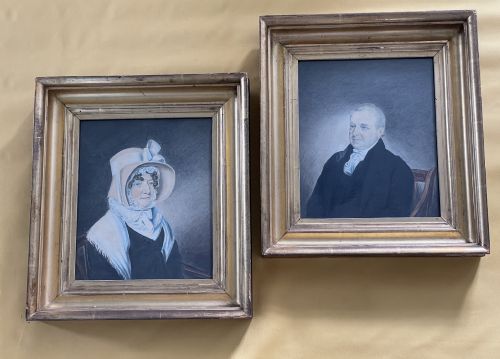
A georgian wall art pair consists of matched companion visual works designed to hang together, bringing a balanced sense of symmetry to a room. Buyers searching this phrase will find a variety of matched pieces, predominantly portrait oils, botanical prints, landscapes, and enamel plaques.
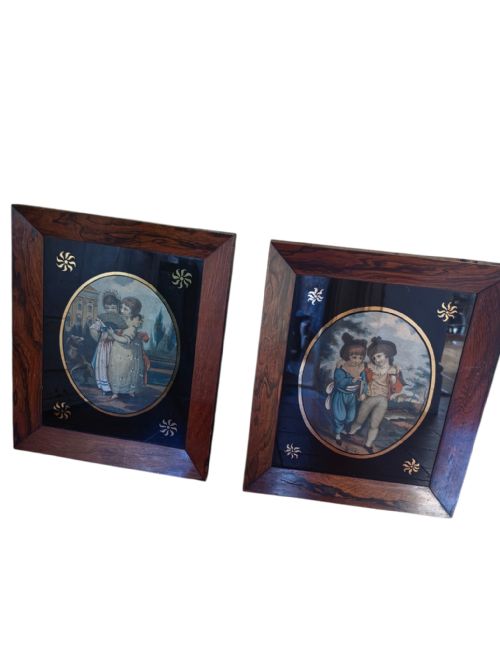
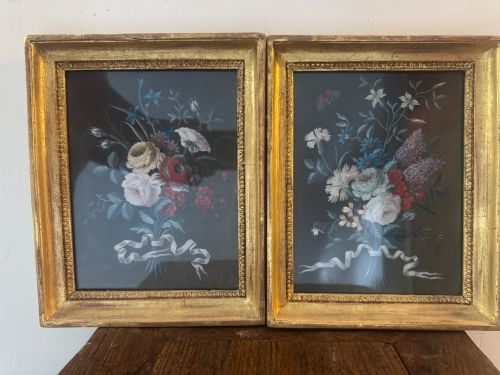
The materials span from delicate watercolours and paper engravings to oil paintings on canvas and glass panels. Frames in wood, rosewood, and giltwood complete the presentation of these historic matched sets.
Origins stretch across the eighteenth and nineteenth centuries, taking in Georgian, Regency, and Neoclassical styles. English and continental schools provide the core of the available works.
How they were made
Works on paper utilise hand-coloured engraving, mezzotint, and pen and ink techniques, often paired with detailed watercolour or gouache pigments. Silkwork pictures employ intricate needlework techniques such as long stitch to build texture.
Painting relies upon oil on canvas, reverse painting on glass, and enamel applied to metal plaques. Frames utilise carved wood, rosewood, and gold leaf gilding to house the art securely.
Several pairs depict unexpected subjects, including silkwork pictures, wooden-legged soldiers, and engravings of hippos.
What varies in quality
Quality rests upon the crispness of the line in engravings and the fineness of the brushwork in oil or watercolour portraits. The depth of colour and preservation of the original pigment heavily influence the overall standard.
The integrity of the original framing, whether rosewood or giltwood, contributes significantly to the integrity of the piece. Superior examples retain their original surface without heavy restoration or later interventions.
Michael Dahl·Thomas Murray·Thomas Frye·Richard Purcell·Adam Buck·Robert Sayer·Giovanni Paolo Panini·George Hargreaves·John Boydell·Ozias Humphry
The Georgian Wall Art Pair Glossary
- Mezzotint
- A printmaking process where the copper plate is roughened to achieve rich tonal gradations in dark areas. It was widely used for reproducing portraits.
- Giltwood
- Timber that has been coated with gold leaf or gold paint. This technique was standard for decorative frames of the period.
- Reverse glass painting
- An artistic method where the image is painted directly onto the back of a glass pane and viewed from the front. The finished work possesses a distinct glossy finish.
- Silkwork picture
- An embroidery creation using silk threads on a fabric ground to depict pictorial scenes. These were popular domestic craft projects in the Georgian era.
- Enamel plaque
- A fused glass coating applied to a metal base, often painted with miniature scenes or portraits. South Staffordshire was a notable centre for this production.
Georgian Wall Art Pair: Frequently Asked Questions
How do I hang a pair?
Hang the two pieces at eye level with equal spacing between them to maintain visual balance on the wall. Aligning the top edges creates a clean, intentional look.
Ensure the wall fixings are secure, particularly for heavier oil paintings and giltwood frames. Matching companion pieces work best when centered over a fireplace, console table, or sideboard.
Are these works originals?
The selection includes original hand-drawn watercolours, unique oil paintings, and period engravings produced in historic print runs. Each listing details the specific medium and creation method used.
Engravings and mezzotints are period multiples rather than unique works, printed from copper plates during the eighteenth or nineteenth centuries. Original paintings and drawings exist as singular historic artefacts.
How do I care for paper art?
Protect watercolours, prints, and drawings from direct sunlight to prevent the fading of delicate pigments and paper discolouration. Acid-free backing materials help preserve the integrity of older paper.
Keep the pieces away from areas of high humidity and sudden temperature changes, which can warp paper and damage wooden frames. Dust the frames gently with a dry, soft cloth.
What frames are original?
Period frames often show age-appropriate wear to the gilding, minor shrinkage cracks in the wood, and historic backing boards. These signs indicate that the frame has housed the artwork for generations.
When inspecting giltwood or rosewood surrounds, look for consistency in the joinery and finish that matches the era of the art. Replacement frames are common in older works due to centuries of handling.