
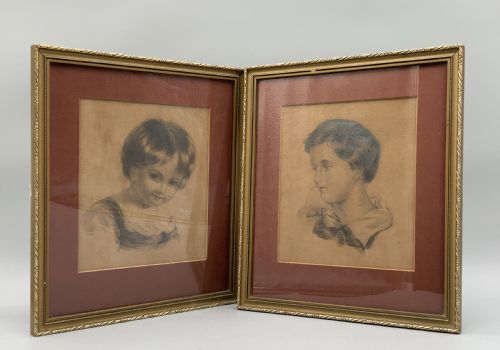
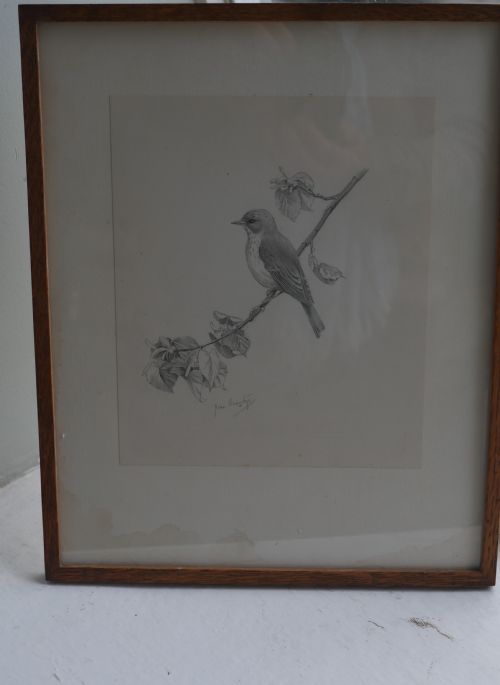


Antique Graphite Sketch
An antique graphite sketch captures direct hand-drawn detail on paper from centuries past, offering intimacy and immediacy that finished oils lack.
Antique Graphite Sketch
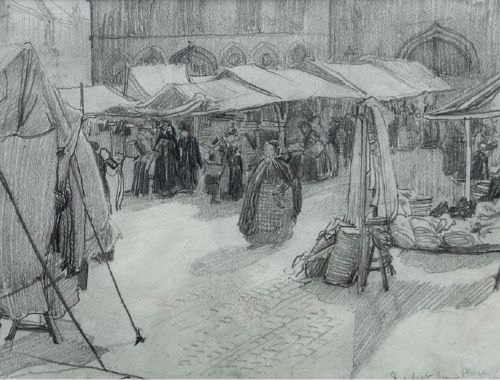
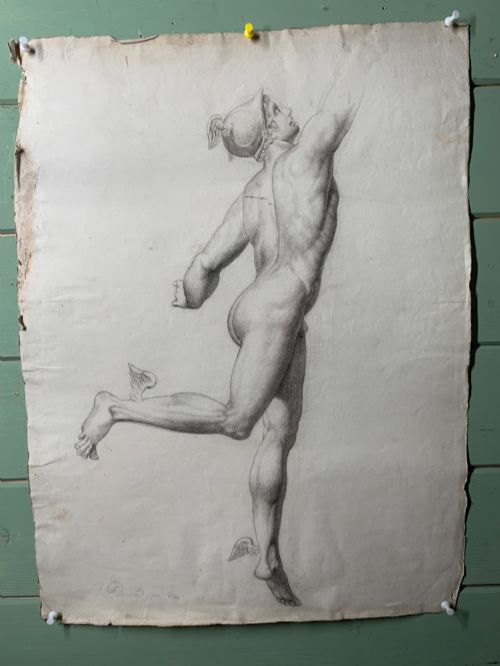
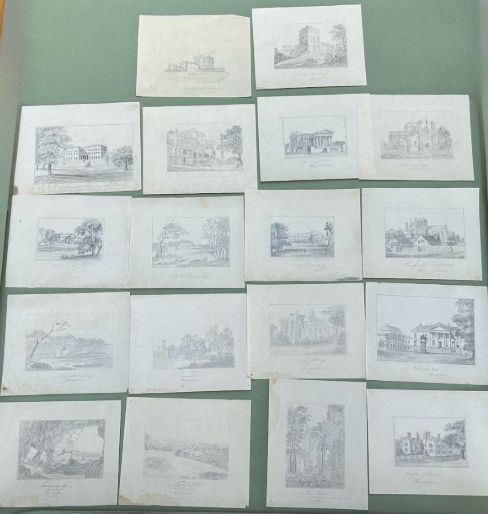
When you search for an antique graphite sketch, you encounter original works on paper spanning the eighteenth, nineteenth, and early twentieth centuries. These pieces range from rapid preparatory studies and academic life drawings to finished portraits and architectural recordings.
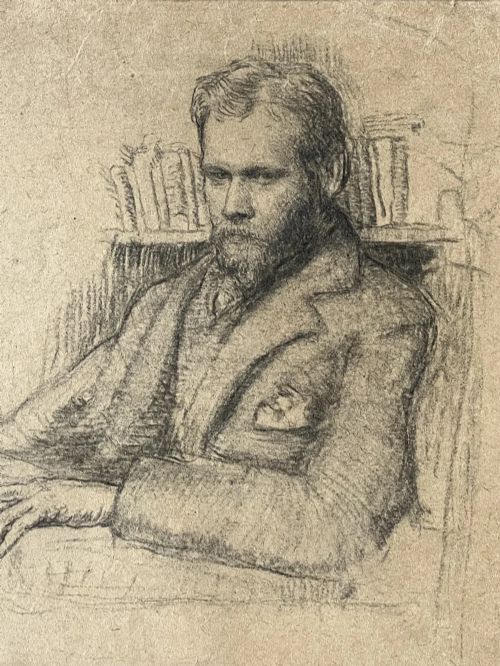
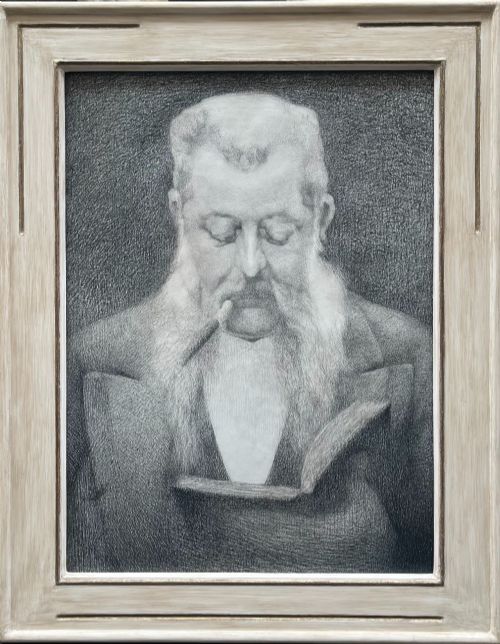
The most common examples on this page date from the nineteenth century, encompassing Victorian portraiture, academic studies, and landscapes executed in pencil or graphite.
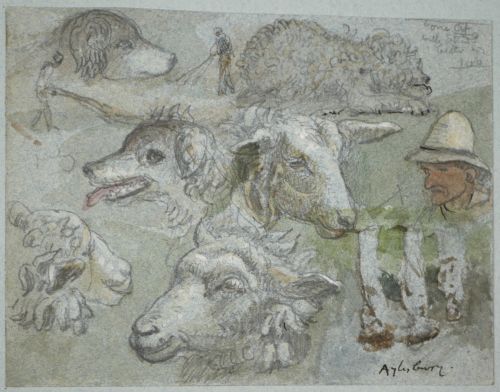
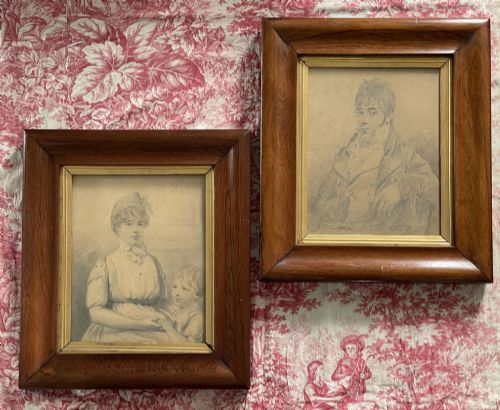
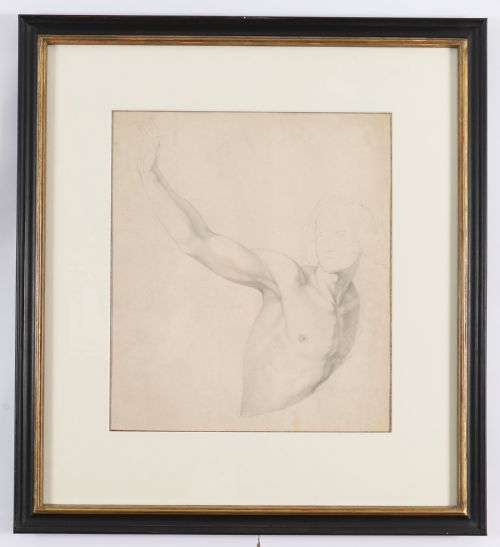
Subjects vary widely, including figural studies after classical masters, architectural scenes, animal studies, and detailed family portraits reflecting historical periods from the Georgian era to the early twentieth century.
Materials and Technique
These works are executed primarily with graphite or pencil on paper, occasionally supplemented by chalk, charcoal, ink, or watercolour washes to add tone and depth.
Many historical pieces are housed behind glass within wooden frames, sometimes accented with gold leaf or gilt details that complement the monochrome palette of the drawing.
Academic life studies and detailed animal portraits, including horses and dogs, appear frequently alongside human subjects across the nineteenth-century entries.
Judging Quality
Quality rests on the sureness of the draughtsmanship, where confident line work and proportion separate skilled academic execution from lesser amateur efforts.
Condition of the paper support, the subtlety of tonal shading, and the strength of the provenance or attribution to a named hand also distinguish superior pieces.
Henry Percy Huggill·James Smetham·Augustus John·James Ferguson·Sir Francis Leggatt Chantrey·Ozias Humphry·Henri Josephe Hesse·Fred Lawson·Sir Nathaniel Dance-Holland·Henry Edridge
The Antique Graphite Sketch Glossary
- Graphite
- A form of crystalline carbon used in pencils, leaving a grey metallic mark on paper. It allows for both fine linear precision and broad tonal shading.
- Academic Realism
- A style resulting from rigorous training in European art academies, focusing on accurate anatomical study and classical proportion.
- Plumbago
- An early term for graphite, often used to describe highly finished seventeenth and eighteenth-century monochrome portrait drawings.
- Grisaille
- A painting or drawing executed entirely in shades of grey or neutral monochrome, often used to emulate sculpture or as a preparatory underpainting.
- Symbolist
- An art movement of the late nineteenth century focusing on metaphorical images, dreams, and subjective emotional expression rather than strict realism.
Antique Graphite Sketch: Frequently Asked Questions
What is an antique graphite sketch?
An antique graphite sketch is an original drawing on paper created using pencil or graphite, typically dating from the eighteenth to the early twentieth century.
These works capture the immediate hand of the artist, serving either as preliminary studies for larger paintings or as finished standalone artworks.
How should I frame and display these drawings?
Drawings on paper require conservation-grade framing behind glass to protect the delicate surface from dust, handling, and atmospheric pollutants.
Keep graphite works away from direct sunlight to prevent the paper from yellowing and the graphite from fading over time.
How do I identify the period of a sketch?
Dating relies on stylistic clues, costume details in portraits, paper characteristics, and occasionally inscriptions or signatures left by the artist.
Academic life studies and romantic landscapes often carry distinct compositional traits tied to Georgian, Regency, or Victorian aesthetics.
Are these sketches one-of-a-kind?
Every graphite sketch listed is a unique, hand-drawn original created directly by the artist rather than a mechanical reproduction.
Even works sharing similar academic subjects or commissioned portrait styles possess individual variations in touch and line.