

Gilded Frame Pastoral Art
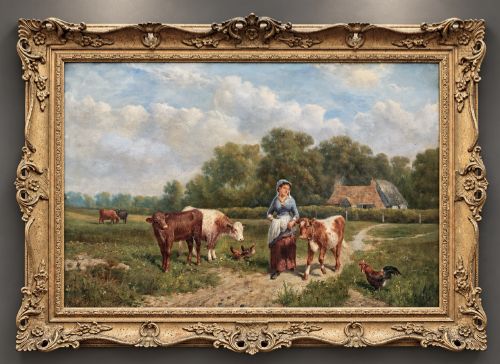
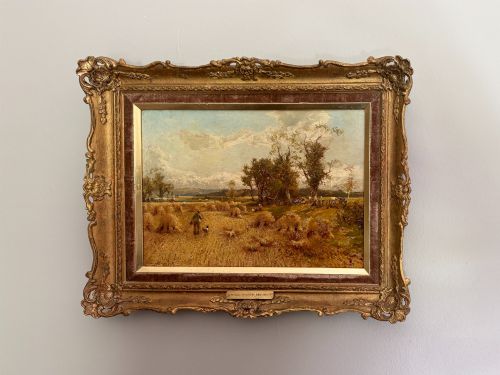
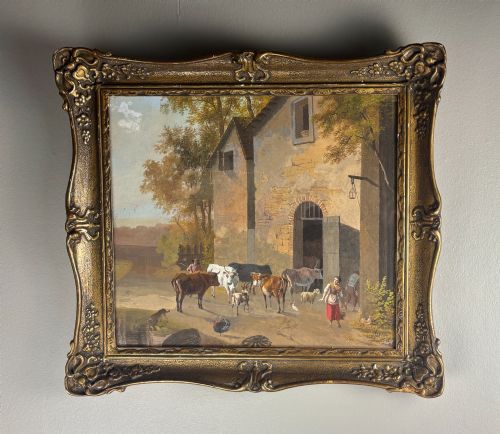
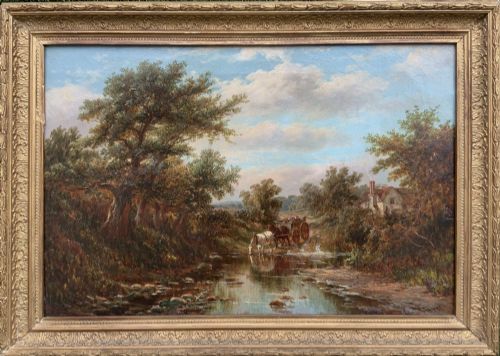
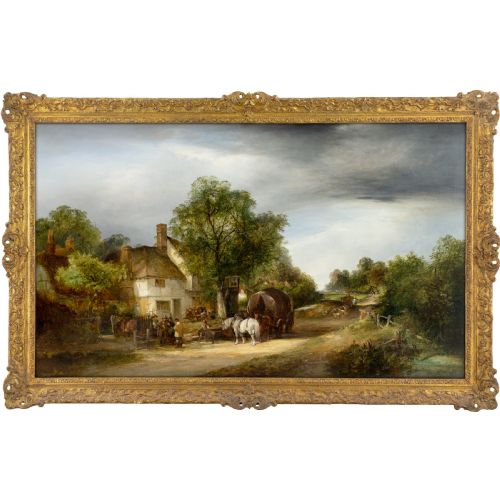
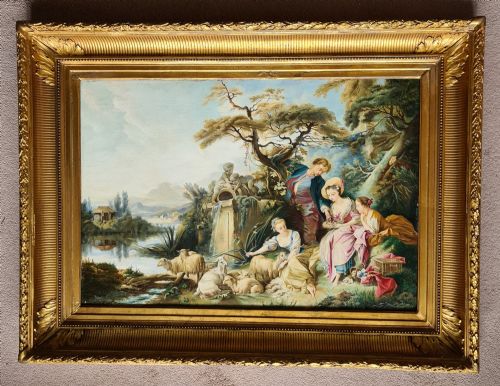
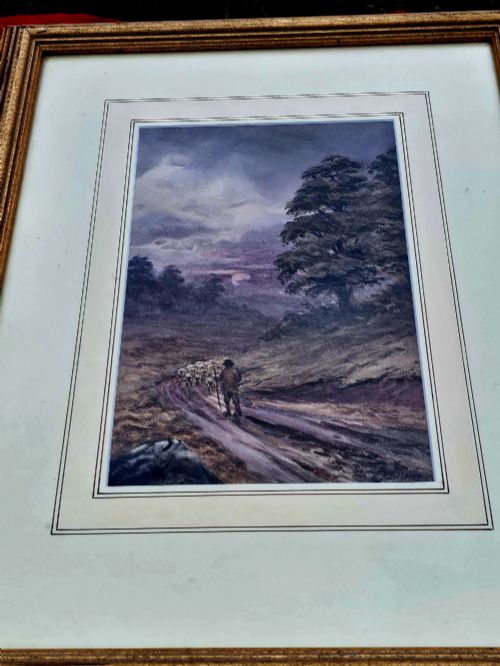
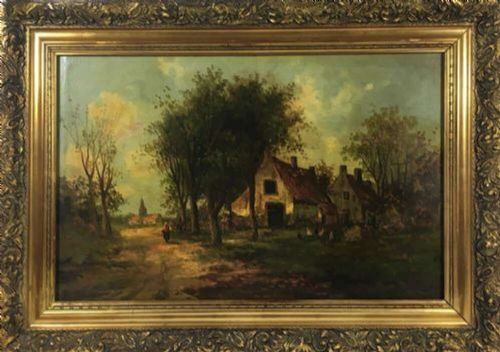
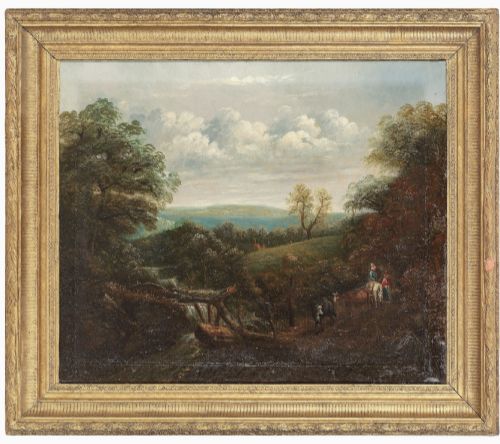
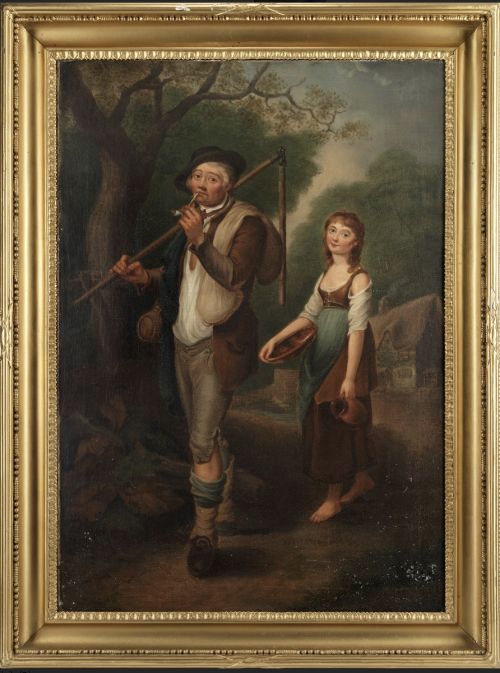
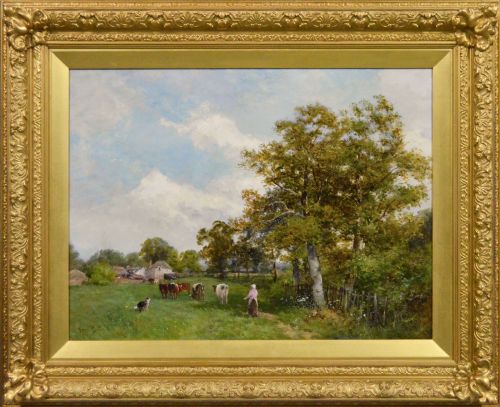
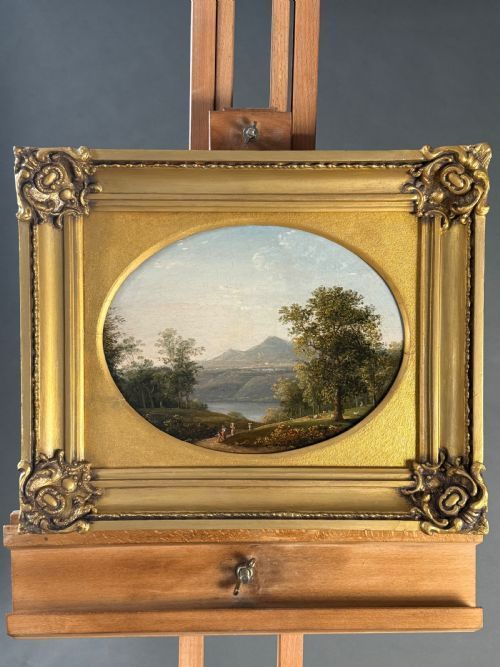
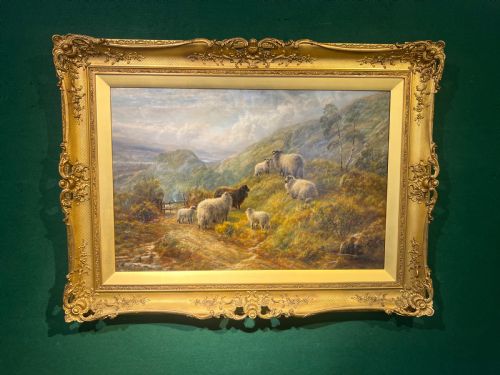
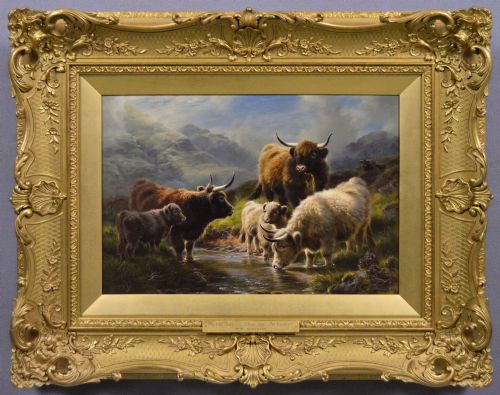
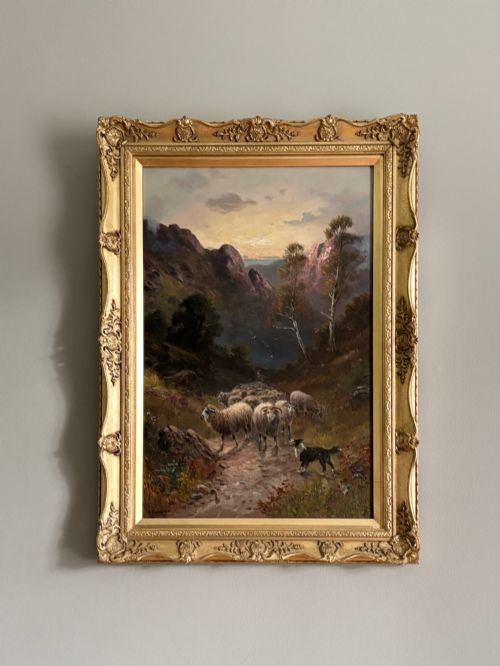
These gilded frame pastoral art pieces bring rural idylls into the room through traditional oil paintings and watercolours enclosed in ornate wooden borders.
Gilded Frame Pastoral Art
When you search for gilded frame pastoral art, you encounter rural scenes of shepherds, livestock, and country paths produced during the eighteenth, nineteenth, and early twentieth centuries. These works reflect a widespread cultural fascination with an idealized countryside, capturing quiet moments beside rivers, farmyards, and mountain tracks.
The physical objects combine painted imagery with ornate framing, utilising gold leaf and gesso mouldings to highlight the composition. Works span various regional schools across Britain and continental Europe, including English countryside views, French farmyard landscapes, and Italianate classical compositions.
Most examples rely on traditional oil on canvas or delicate watercolour mediums, often housed behind glass within their original surrounds. Subject matter frequently centres on domestic animals, figures resting by ponds, and seasonal agricultural labour set against picturesque natural backdrops.
Materials and construction methods
Painters applied oil and watercolour pigments to prepared canvas, wood panels, or paper supports, building depth through layered brushwork. Frames were constructed from timber carcasses coated in gesso, a plaster-like mixture carved and gilded with thin layers of gold leaf.
Mouldings incorporated elaborate floral or scrollwork designs typical of Victorian, Georgian, and Rococo aesthetics, securing the artwork safely within the surround. Reverse glass paintings utilised specialised printing and painting techniques directly onto the rear surface of the glass pane before sealing.
Current listings feature nineteenth-century oil on canvas works alongside eighteenth-century reverse glass prints and watercolours.
Assessing quality and execution
Execution quality reveals itself in the handling of light, atmospheric perspective, and anatomical precision within the painted figures and animals. Finer works display confident brushwork and nuanced tonal gradations that create genuine depth, whereas simpler pieces rely on formulaic compositions.
The craftsmanship of the frame forms an integral part of the overall standard, with hand-carved gesso details and intact original gilding elevating the piece. The survival of the untouched mounting and backing paper alongside the canvas indicates careful preservation over generations.
Francois Boucher·Thomas Barker of Bath·David Bates·JACOB PHILIPP HACKERT·William Watson Jnr·Miles Birkett Foster·Henry Schouten·Charles Zacharie Landelle·Margaret Maitland Howard·Thomas Baker of Leamington·Franz van Severdonck·Alfred Augustus Glendening Jnr·Friedrich von Kaulbach·Jean-baptiste Joseph Pater·Eugene Verboeckhoven·Claude Lorrain·Andre de Moller·Sidney Richard Percy·Willem Anton Alexander Knip·Francis Wheatley
The Gilded Frame Pastoral Art Glossary
- Gesso
- A plaster mixture applied to wood frames as a smooth base for subsequent gilding. It is often moulded into decorative relief patterns.
- Giltwood
- Timber that has been coated with a thin layer of gold leaf or metallic paint. This finish creates a reflective and decorative border for the artwork.
- Pastoral
- An artistic genre depicting rural life, shepherds, and agricultural landscapes in an idealized manner. These scenes emphasise harmony between humans, animals, and nature.
- Watercolour
- A painting method where pigment is suspended in a water-based solution and applied to paper. It yields translucent tones and delicate washes.
- Verre Églomisé
- A cold decoration technique involving the application of gold or silver leaf onto glass, combined with etching and painting on the reverse side.
Gilded Frame Pastoral Art: Frequently Asked Questions
How do I date an antique pastoral painting?
Dating relies on examining the stretcher frames, canvas types, and pigment signatures alongside stylistic clues such as clothing fashions and landscape conventions.
Secondary evidence like inscriptions, framer stamps, and exhibition labels on the reverse provide reliable chronological anchors.
What subjects define pastoral art?
Typical subjects include shepherds tending flocks, cattle resting by rivers, farm labourers returning from fields, and quiet country cottages.
These motifs reflect historical desires for rustic simplicity and picturesque harmony away from industrial centres.
How should I care for oil paintings in gilded frames?
Keep paintings away from direct sunlight, high humidity, and rapid temperature fluctuations to prevent canvas slackening and paint cracking.
Dust frames gently with a soft, dry brush, avoiding liquid cleaners that can damage fragile water-based gesso and gold leaf.
What is the difference between oil and watercolour versions?
Oil paintings utilise viscous pigments on canvas or wood panels, offering rich textures, deep tones, and high durability over centuries.
Watercolours employ delicate pigments on paper under glass, requiring protective framing to prevent fading and moisture damage.