
Antique English Ceramic Tableware
When you handle antique english ceramic tableware, you notice how porcelain, creamware, and ironstone carry centuries of dining history.
Antique English Ceramic Tableware
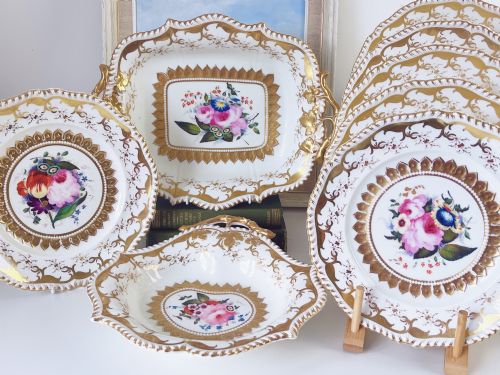
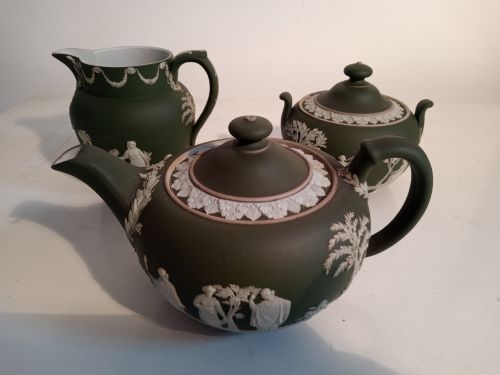
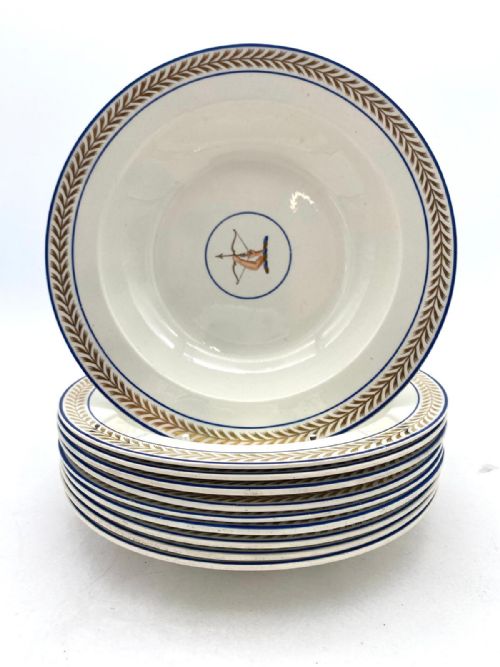
Antique english ceramic tableware encompasses functional and decorative vessels used for dining and service across the eighteenth and nineteenth centuries. Buyers encounter diverse forms here, ranging from comprehensive dinner and dessert services to individual tureens, sauce boats, plates, and teasets.
The selections span distinct periods from the Georgian era through the Victorian period, reflecting evolving domestic habits and dining rituals. Pieces originate from prominent factories and potteries, showing the breadth of domestic production during these centuries.
How they were made
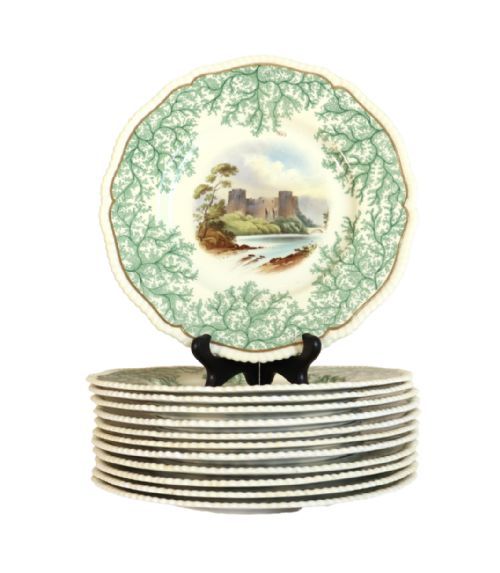
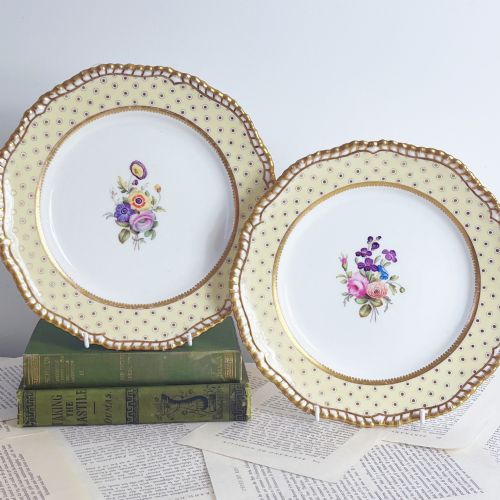
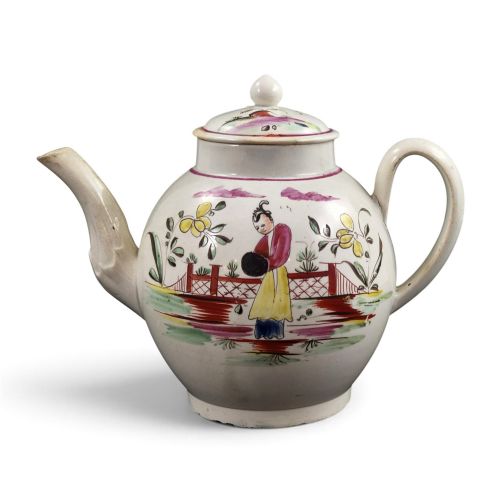
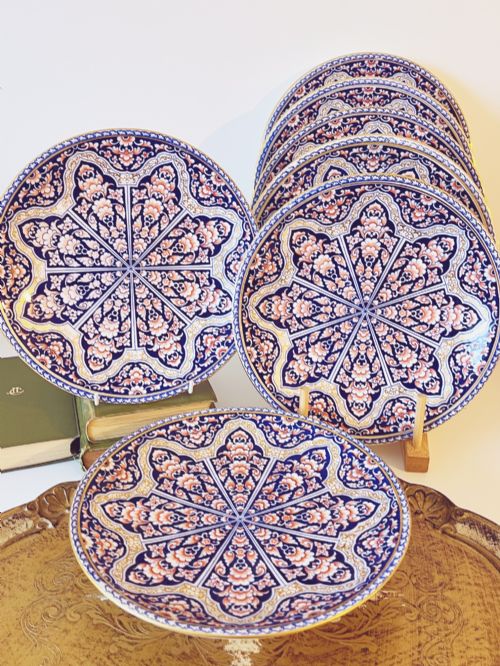
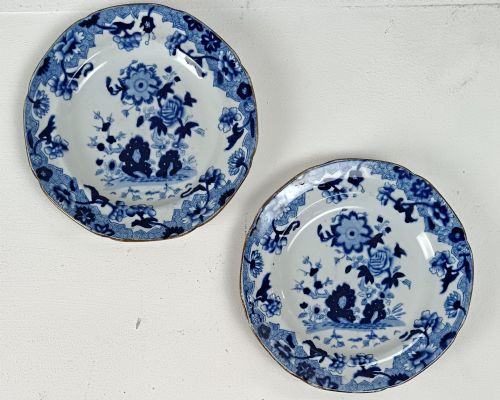
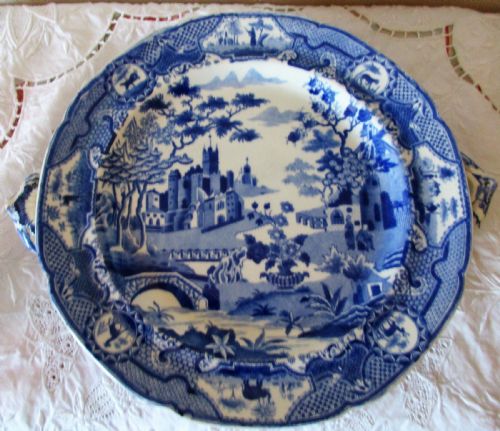
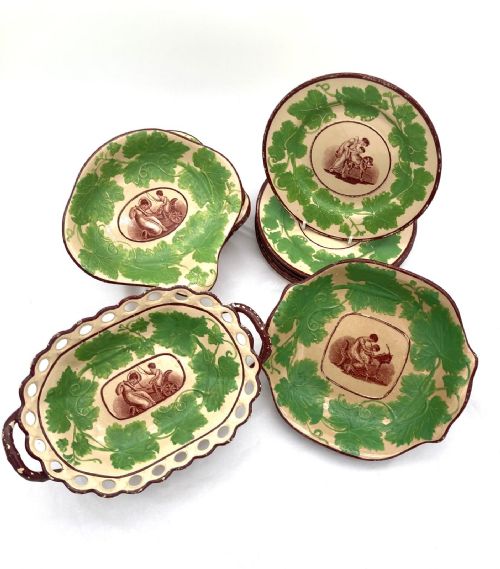
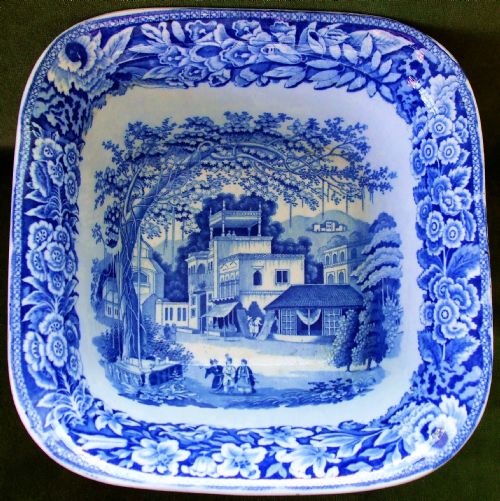
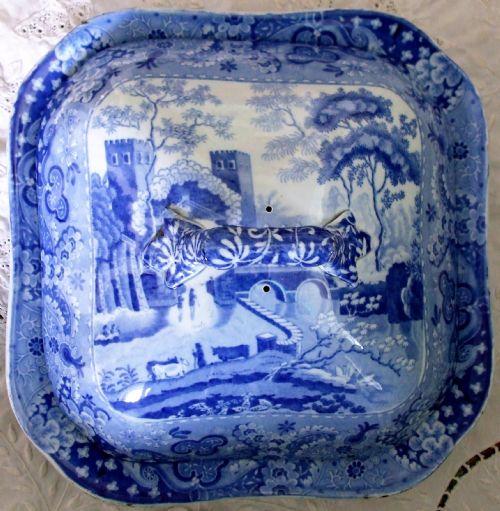
Potters shaped these wares from earthenware, bone china, porcelain, creamware, and ironstone, applying glazes and enamels before firing in kilns. Many surfaces received hand-painted decoration or blue and white transfer printing to achieve detailed figurative and botanical scenes.
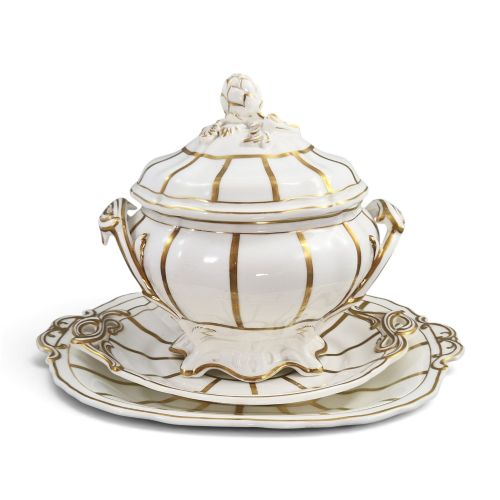
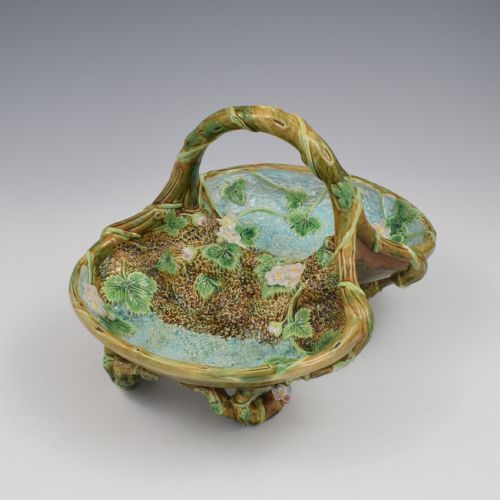
Gilt and gold leaf accents appear on finer porcelain and bone china services, while specialised wares utilise majolica or stoneware bodies. Makers combined these materials with techniques like moulding and casting to produce durable serving dishes and delicate teaware alike.
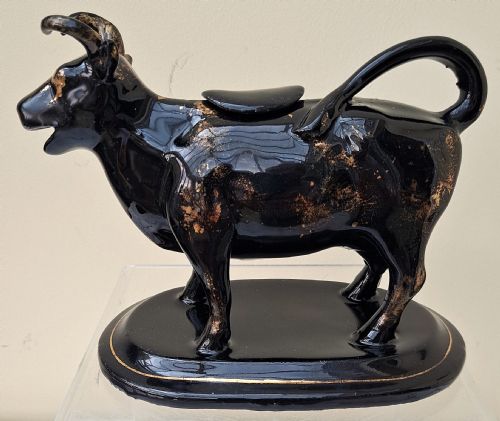
Cow creamers permitted Georgian tea drinkers to pour milk directly from a ceramic bovine's mouth.
What varies in quality
Quality rests upon the crispness of the transfer print, the precision of the hand-painting, and the preservation of the glaze and gilding. Superior services maintain uniformity across large sets of plates and tureens, whereas lesser examples show uneven firing or fading to the enamel colours.
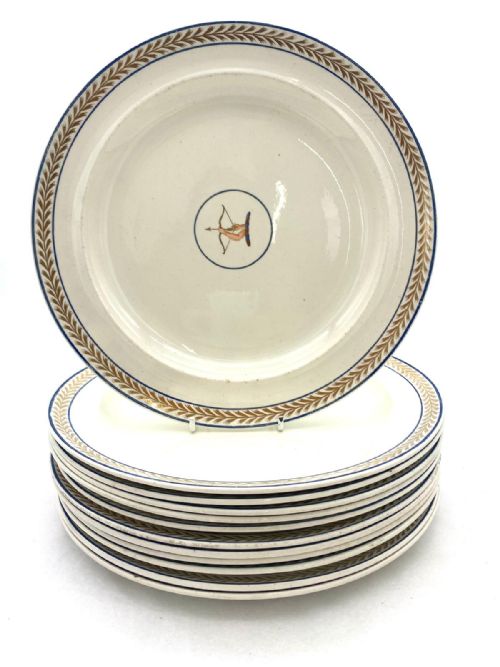
The reputation of the manufactory and the complexity of the pattern dictate the standing of a piece within its period. Intricate armorial crests or detailed botanical studies distinguish exceptional table services from standard utilitarian production.
Grainger Lee And Co·Spode·Royal Crown Derby·Wedgwood·Davenport·George Jones·J And R Riley·J And R Clews·Copeland·Mintons·John Ridgway·Bow Porcelain·Doulton Lambeth·Worcester·Booths·Coalport·Chamberlain Worcester·Caughley
The Antique English Ceramic Tableware Glossary
- Creamware
- A light-coloured refined earthenware developed in the eighteenth century, celebrated for its smooth glaze and warm tone.
- Ironstone
- A heavy, durable type of earthenware patented in the nineteenth century to resist chipping during daily table use.
- Transfer printing
- A decoration technique where an engraved copper plate transfers a design onto paper and then onto the ceramic surface.
- Tureen
- A deep covered vessel designed for serving soups, sauces, or vegetables at the dining table.
- Sucrier
- A small lidded pot or bowl specifically made for holding table sugar during tea service.
Antique English Ceramic Tableware: Frequently Asked Questions
How do I care for antique ceramic tableware?
Wash these pieces gently by hand using mild soap and warm water rather than placing them in a dishwasher. Avoid sudden temperature changes to protect the old glaze and any delicate gilding.
Store plates with felt dividers between them to prevent surface scratching. Keep delicate teaware out of direct sunlight to preserve hand-painted enamel colours over time.
Can I still use these pieces for dining?
Most eighteenth and nineteenth-century tableware can be used for special occasions, provided you handle them with care. Check each item for stability and avoid serving highly acidic foods that might affect aged glazes.
Hand-washing is essential after use, and thermal shock should be avoided. Many collectors prefer to display them or reserve them for light dining rather than heavy daily service.
How do I date an antique ceramic piece?
Look for factory backstamps, impressed marks, and pattern numbers beneath the glaze. These indicators often correspond to specific operational years of the pottery or specific registration dates.
Stylistic clues such as shape, paste composition, and the presence of transfer printing versus hand-painting also help narrow down the decade. Comparing forms to documented examples from known makers confirms the timeline.
What is the difference between porcelain and ironstone?
Porcelain is a vitrified, translucent ceramic fired at high temperatures, resulting in a fine and delicate body. It was typically reserved for finer teaware and dessert services.
Ironstone is a dense, opaque earthenware designed for durability in heavy dinner services. It feels heavier in the hand and resists everyday wear much more robustly than porcelain.