


Antique Enamel Metalwork
When you search for antique enamel metalwork, you enter a world of fused glass and forged copper, brass, and bronze designed to catch the light.
Antique Enamel Metalwork
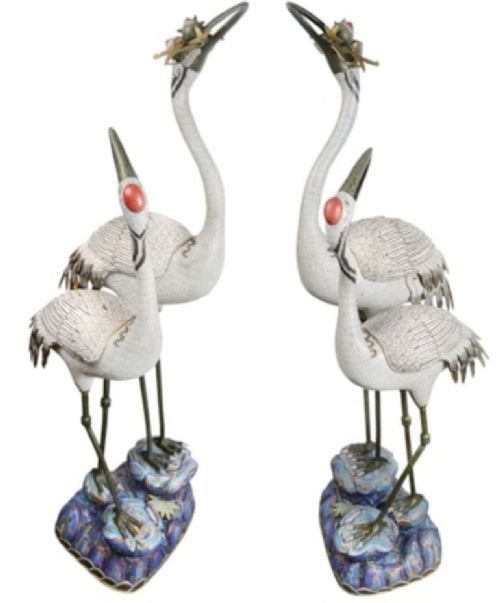
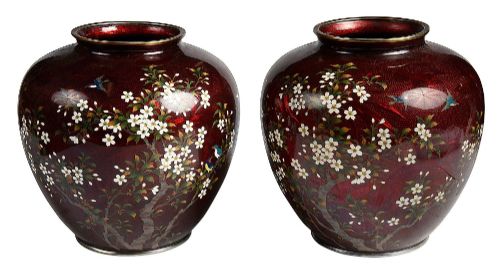
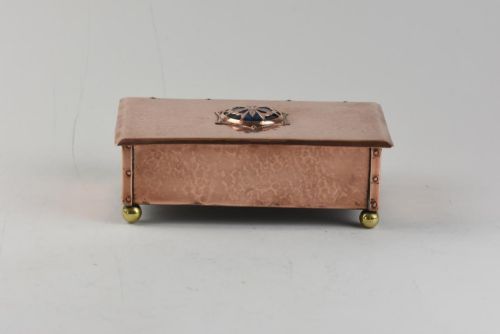
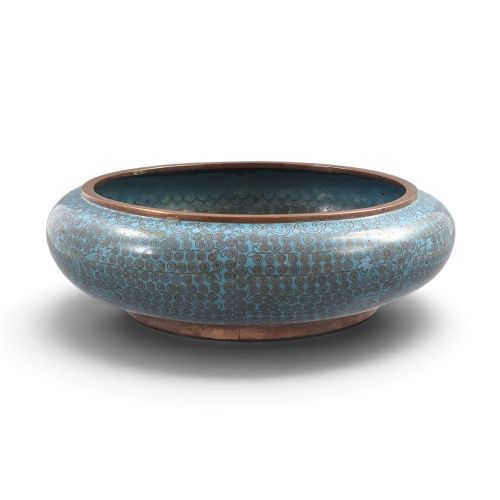
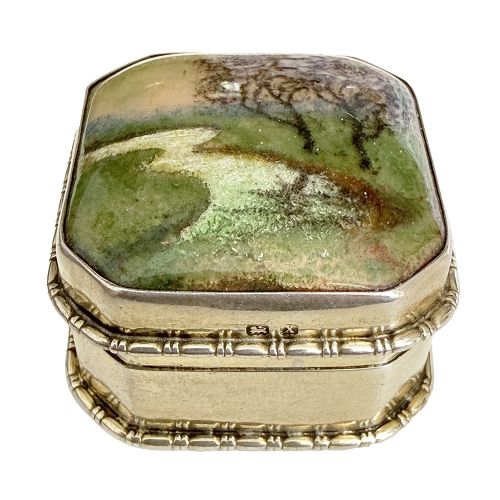
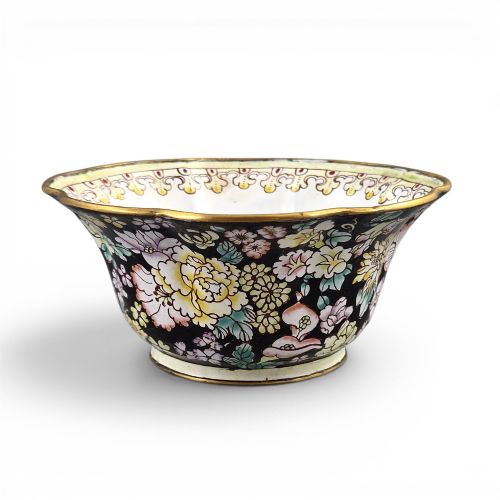
Antique enamel metalwork encompasses decorative vessels, tableware, and desk items created across Asia and Britain from the mid-nineteenth century through the early twentieth century. The selection leans heavily toward Japanese Meiji period chargers, trays, and vases alongside Chinese bronze censers and British Arts and Crafts copper boxes.
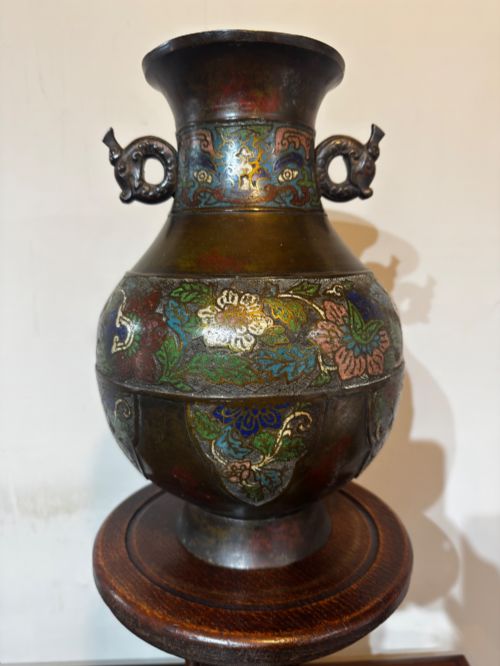
Buyers encounter decorative bowls, large palace vases, lidded pots, and scholarly brush washers formed from base metals and embellished with coloured glass pastes. These objects range from modest pill boxes to temple water dispensers spanning nearly a metre in height.
How they were made
Craftsmen built these items using copper, brass, bronze, pewter, and silver as structural foundations, applying powdered glass enamels directly onto the metal surface or into recessed channels. Techniques include cloisonne, where thin metal wires form the design cells, and champleve, where troughs are carved into the bronze before firing.
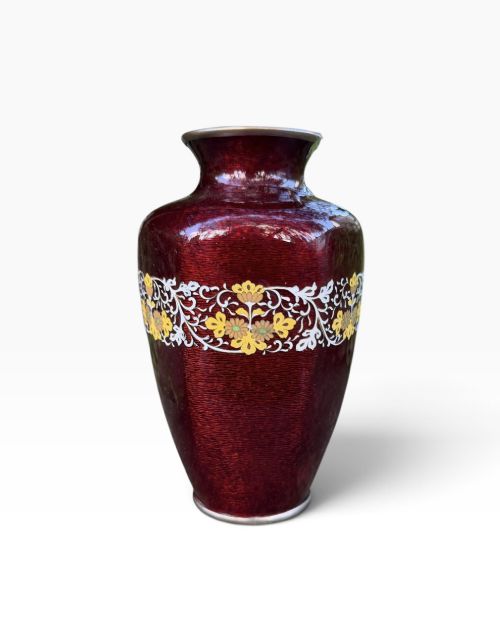
Makers fused the vitreous pastes through high-temperature kilns, subsequently polishing the hardened enamel surfaces flush with the wire grids or metal partitions. British Arts and Crafts makers often mounted central enamel cabochons onto hammered copper, while Japanese workshops utilised silver wire and translucent ginbari grounds.
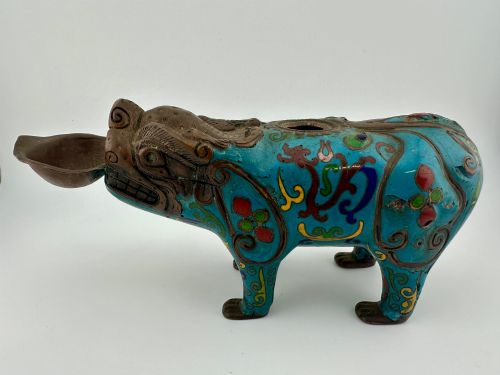
Owning a monstrous bronze beast censer means keeping a mythical guard on the mantelpiece who looks mildly displeased about the room layout.
What varies in quality
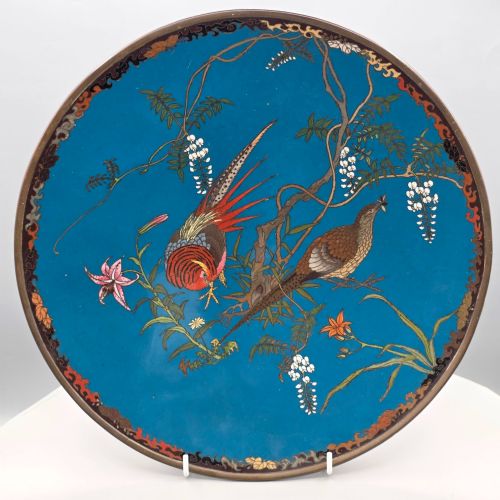
Quality rests in the precision of the wirework, the depth of the colour palette, and the discipline of the final polish. Finer Japanese Meiji pieces demonstrate microscopic wire cells forming complex avian or dragon motifs without distortion or pitting in the enamel fields.
Substantial bronze castings and heavy gauge copper foundations separate superior British and Asian examples from lighter, hastily assembled wares. The integration of maker signatures, special silver wire foundations, and nuanced basse-taille backgrounds elevate individual vessels above standard production.
Fleetwood Varley·Archibald Knox·Liberty and Co·Ando Jubei·Kinkozan
The Antique Enamel Metalwork Glossary
- Cloisonne Enamel
- A technique where thin metal wires are soldered to a metal base to create compartments filled with enamel paste. These cells hold the vitreous colours during the kiln firing process.
- Champleve
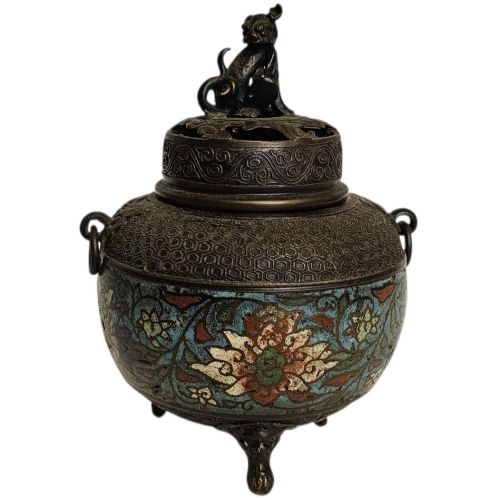
- A method where troughs or cavities are carved directly into a bronze or metal surface to receive the enamel powder. The surrounding metal forms raised lines outlining the design.
- Ginbari
- A Japanese foil-backed enamelling technique where a textured metallic foil is applied beneath translucent coloured enamel. This creates a shimmering, patterned depth beneath the surface.
- Cabochon
- A polished, convex gem or enamel piece cut without facets and usually mounted centrally. They appear frequently on British metalwork boxes and bowls.
- Censer
- A vessel designed for burning incense, commonly cast in bronze or brass with pierced lids. Many feature mythical beasts or tripod supports.
Antique Enamel Metalwork: Frequently Asked Questions
How do I clean antique enamel metalwork?
Dust surfaces gently with a soft, dry cloth to protect the delicate glass pastes and metal patinas. Avoid chemical polishes and water immersion, which can damage exposed wirework and enamel.
Keep pieces away from direct sunlight and high humidity to prevent stress on the fused glass layers. Professional conservation is recommended for any structural restoration.
What is the difference between cloisonne and champleve?
Cloisonne relies on thin metal wires soldered onto the surface of a copper or bronze vessel to form individual design cells. These wire outlines stay visible on the finished piece.
Champleve involves carving or etching the design directly into the thick metal body to create recessed troughs for the enamel. The metal itself forms the thick boundaries between the coloured areas.
Where were Japanese Meiji enamels made?
Production centres developed across Japan during the Meiji period, with Kyoto and Nagoya emerging as primary hubs for advanced metalwork and cloisonne. Workshops refined techniques that allowed for extraordinarily detailed pictorial chargers and vases.
Master craftsmen exported these refined decorative items globally, winning medals at international expositions during the late nineteenth century.