

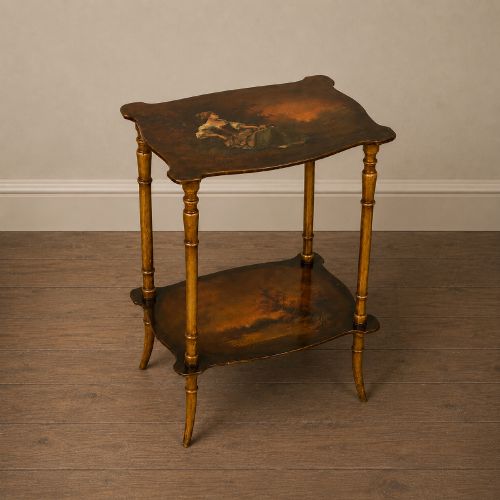
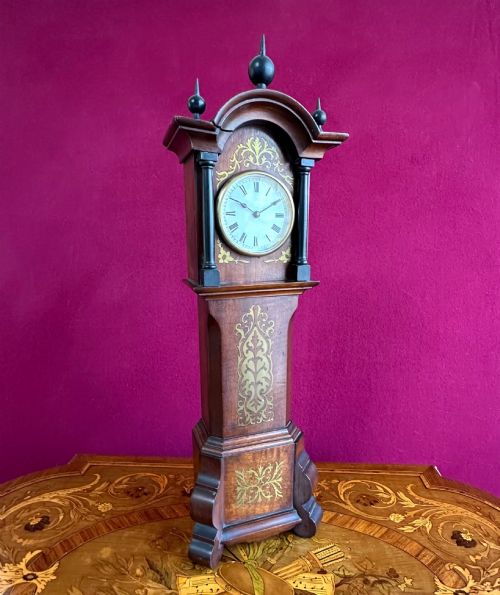
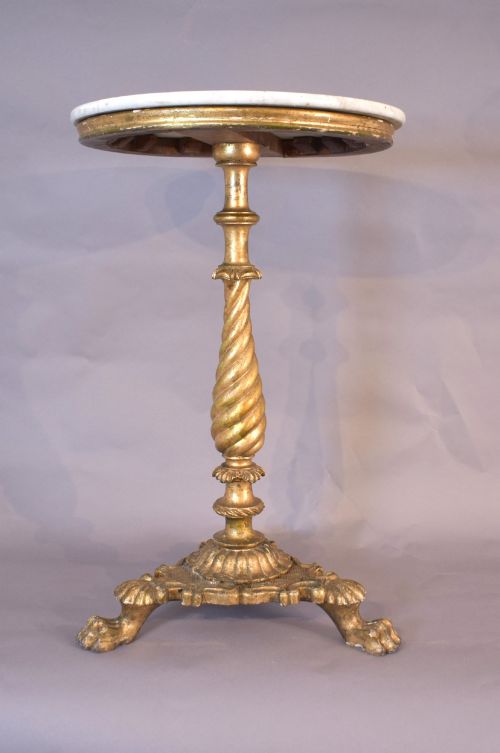
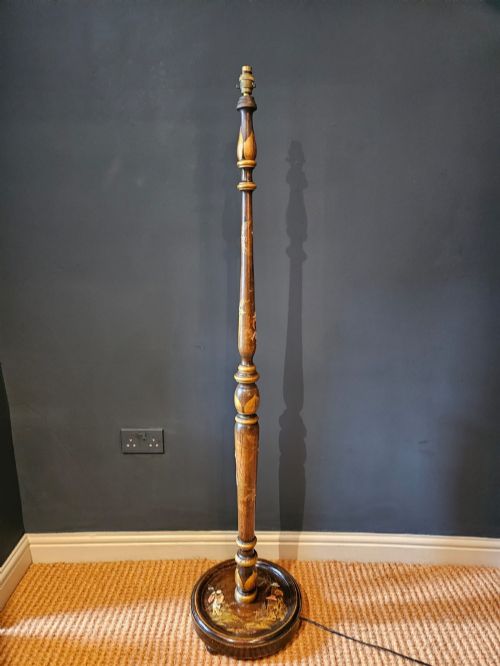
Gilt Wood Stands
These gilt wood stands combine structural support with rich surface gilding, offering both function and ornamental weight.
Gilt Wood Stands
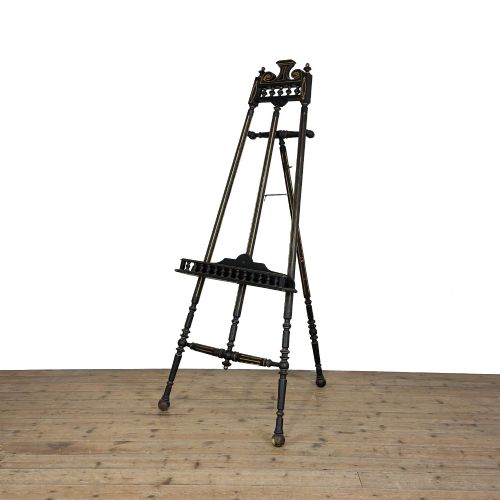
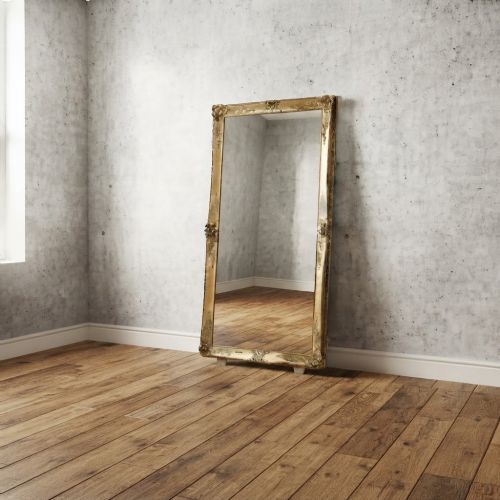
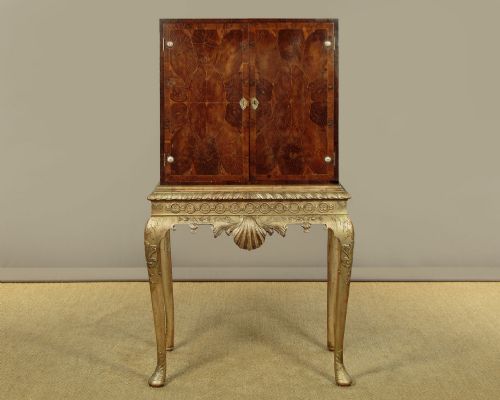
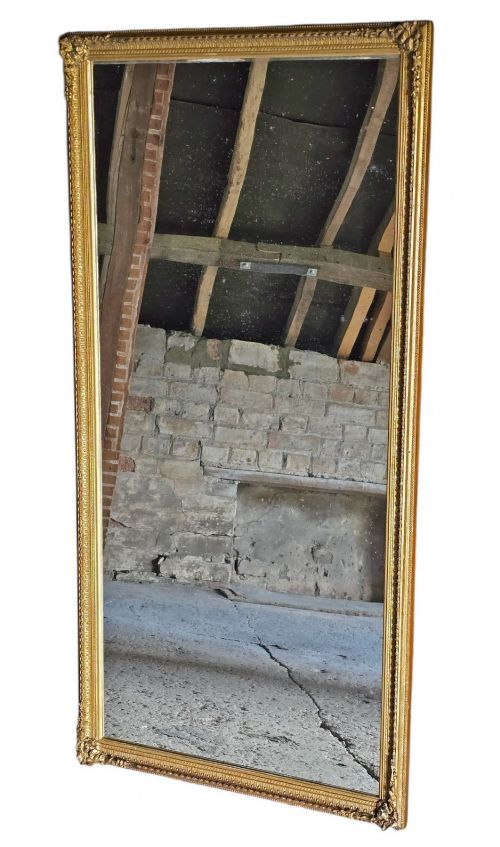
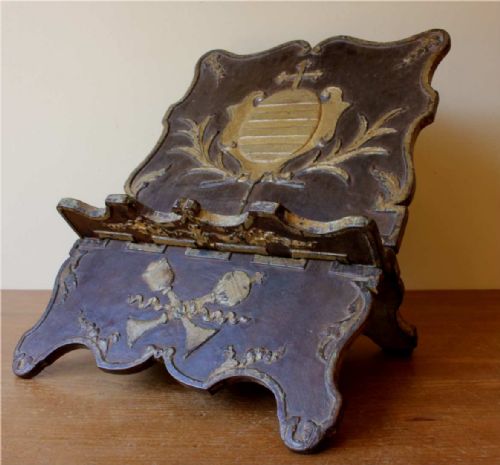
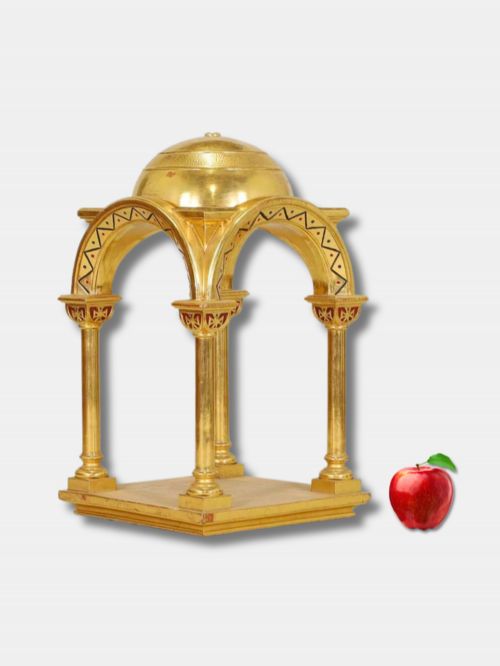
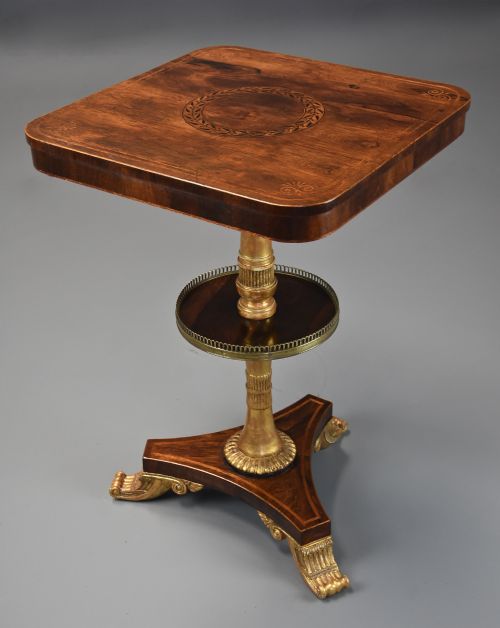
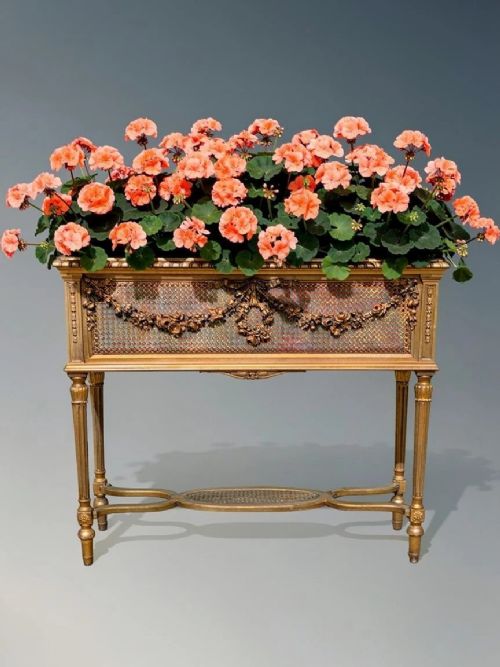
Gilt wood stands encompass a diverse group of furnishings designed to elevate objects, lamps, mirrors, and plants within a room. The items found here range from nineteenth-century torchieres and plant stands to occasional tables, cabinets on stands, and devotional misses rests.
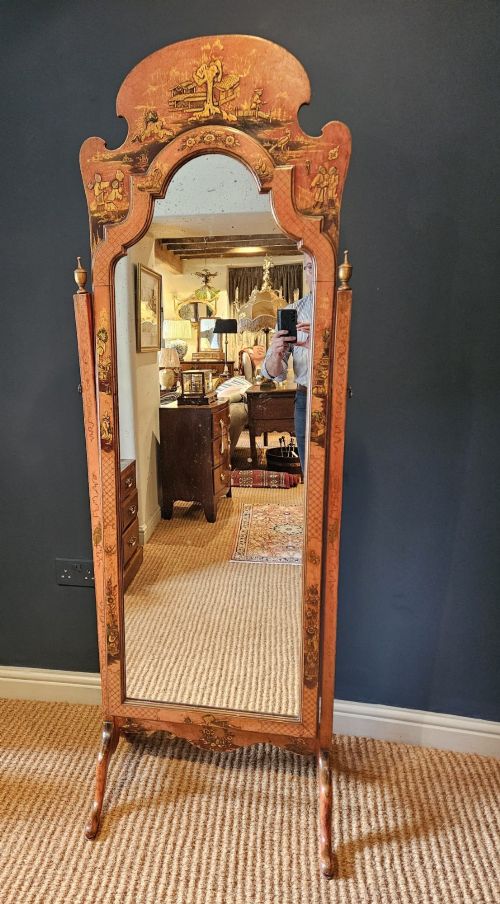
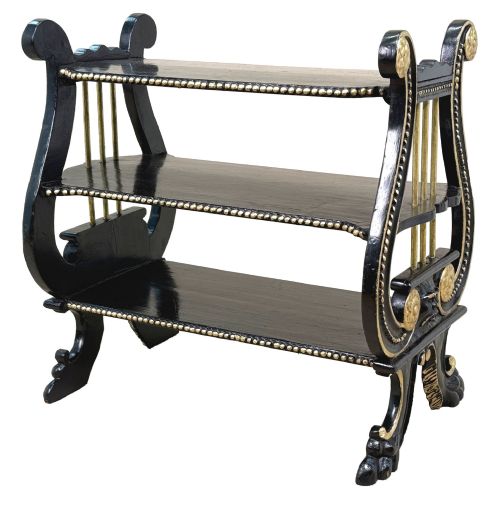
Most pieces date from the nineteenth and early twentieth centuries, drawing on styles such as French Rococo, Italian Baroque, and Chinoiserie. Buyers encounter formats like tripod tables, marble-topped pedestals, and multi-tiered etageres.
The assortment balances functional display pieces with decorative furnishings intended to catch candlelight or daylight in principal rooms. Their varied forms reflect changing domestic requirements for presenting decorative objects across multiple design periods.
Materials and Techniques
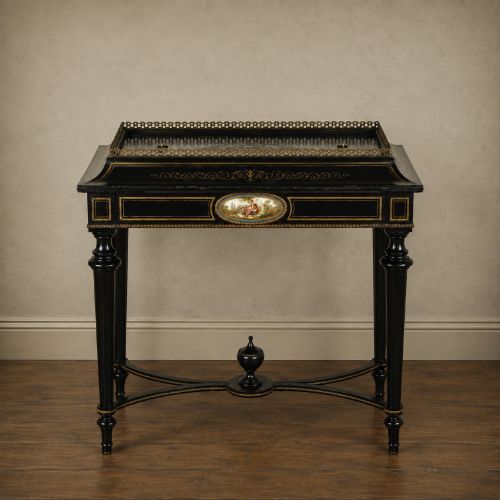
The construction relies fundamentally on timber carved into complex shapes, supplemented by carved gesso to build up crisp decorative details before gilding. Workshops utilised wood, ebonised wood, and occasionally brass or bronze mounts alongside glass and marble tops.
Gold leaf and silver leaf were applied to prepared surfaces to achieve the characteristic metallic sheen, sometimes combined with paint, lacquer, or faux marbling. The integration of cane, porcelain plaques, and marquetry appears across specific cabinet and planter forms.
Current listings feature materials including giltwood, gesso, ebonised wood, marble, and glass across various nineteenth and twentieth-century formats.
Assessing Quality
The standard of carving dictates the definition and depth of ornamentation, separating mechanical execution from skilled hand-workmanship. Crisp details in the gesso layer beneath the gold leaf ensure that light reflects sharply off carved foliage and scrollwork.
The integrity of the underlying timber and the preservation of the original surface finish determine the structural success of each piece. Superior examples maintain balanced proportions and harmonious integration between the support stand and its top surface, whether marble, wood, or glass.
Gillow & Co.
The Gilt Wood Stands Glossary
- Giltwood
- Timber that has been coated with gold leaf or gold dust over a prepared ground such as gesso. This finish creates a luminous metallic surface that responds strongly to interior lighting.
- Gesso
- A plaster-like mixture applied to wood surfaces to create a smooth base for carving or gilding. It allows craftsmen to model sharp, intricate relief details before applying gold leaf.
- Torchere
- A tall ornamental stand designed to hold a candle, lamp, or small decorative object. These vertical supports frequently feature carved tripod bases and gilt surfaces.
- Etagere
- A piece of furniture consisting of a set of open shelves for displaying small objects or ornaments. They often incorporate multiple tiers supported by slender columns.
- Trumeau
- A decorative wall mirror or panel featuring a painted or carved scene above the glass. These architectural elements originated in eighteenth-century interior design.
Gilt Wood Stands: Frequently Asked Questions
What were gilt wood stands used for originally?
These furnishings were produced to elevate decorative objects, lamps, candles, and plants within formal interiors. Their reflective surfaces helped amplify available light from candles and windows.
Specific forms served specialised roles, such as supporting missals in religious settings or displaying imported porcelain and lacquerwork in reception rooms.
How do I style a gilt wood stand today?
A stand functions effectively as a focal point in a hallway, drawing the eye toward a displayed lamp, vase, or bronze figure. Their reflective gold leaf finishes pair well with both traditional and contemporary interior settings.
Consider placing plant stands near windows to catch natural light, or utilise smaller occasional tables beside seating areas for functional surface space.
How can I tell the period of a stand?
Dating relies on identifying stylistic markers such as Victorian aesthetic movement linear details, Edwardian painted motifs, or heavier Italian Baroque and French Rococo carving. The choice of secondary woods and construction methods inside cabinets and under-tiers also provides chronological clues.
Examining the wear patterns on the gold leaf and the composition of the gesso layer helps distinguish nineteenth-century production from later revivals.
What is the difference between a torchere and a pedestal?
A torchere is specifically designed as a tall, slender stand historically intended to carry a light source or torch. They often feature delicate tripod or column configurations.
Pedestals generally offer a broader, sturdier profile intended to support heavier marble-topped surfaces, large urns, or portrait busts.