



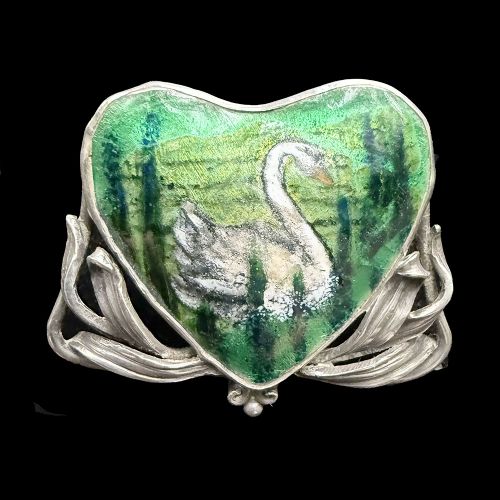
Antique Enamel Brooch
An antique enamel brooch brings together vitreous colour and precious metal, offering wearable miniature art from periods like the early twentieth century.
Antique Enamel Brooch
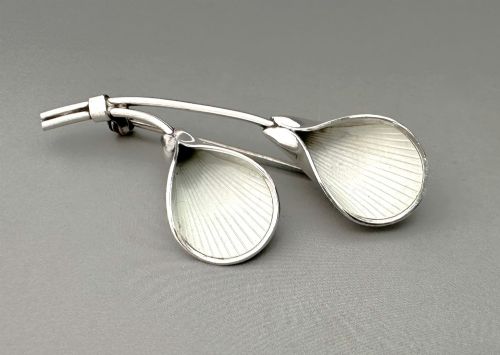
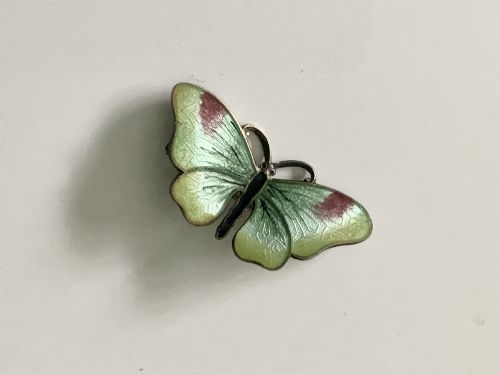
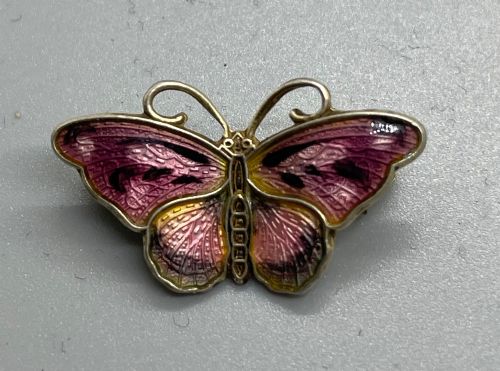
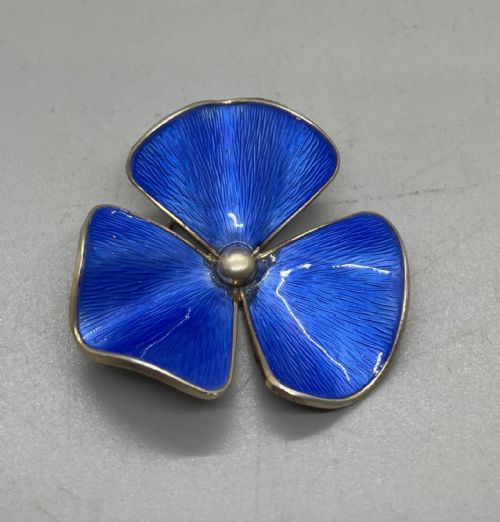
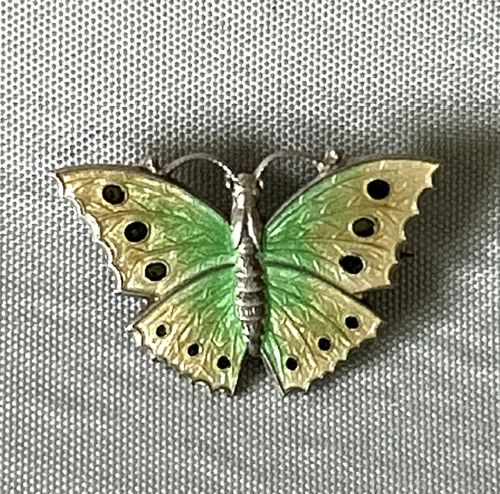
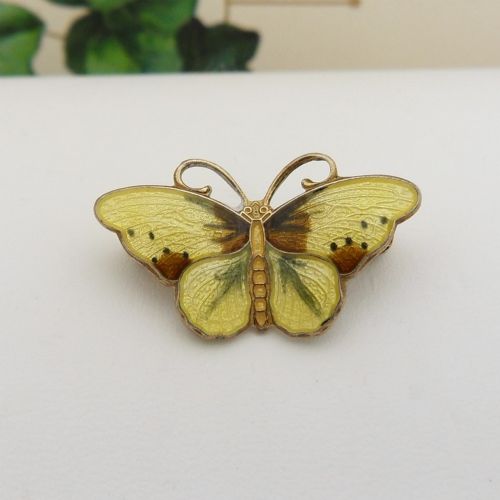
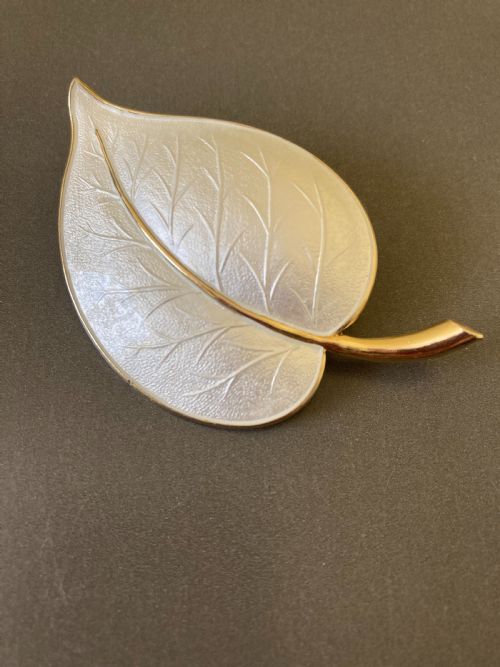
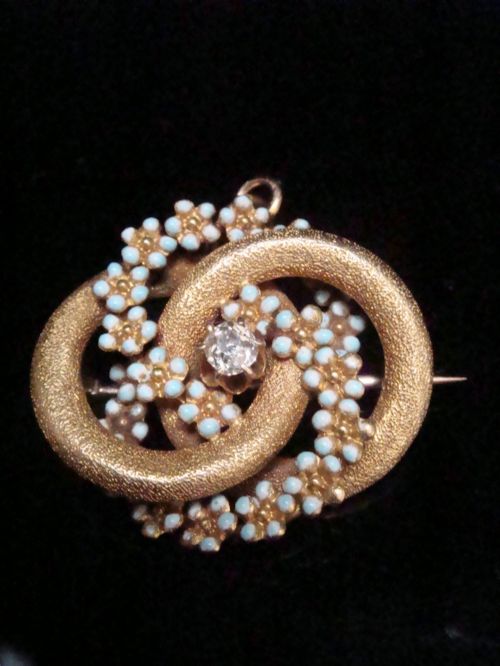
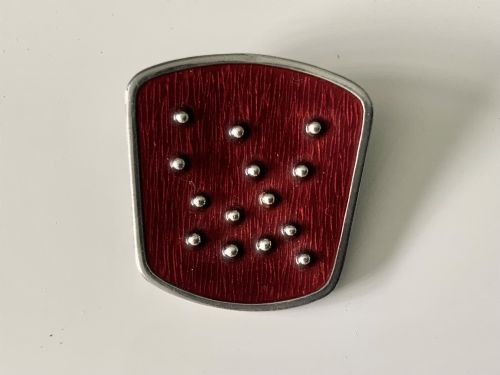
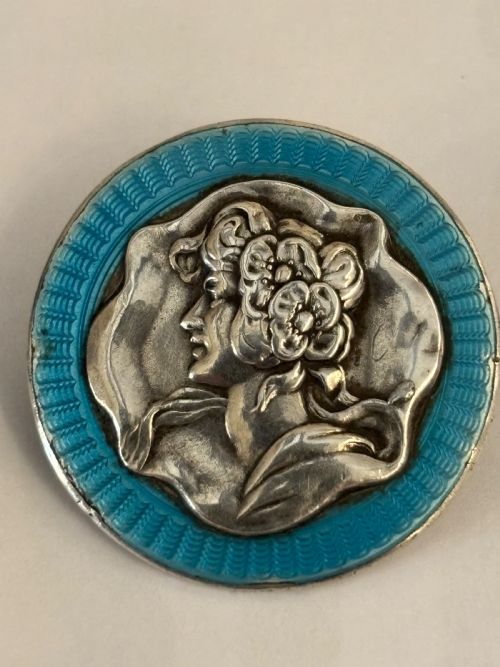
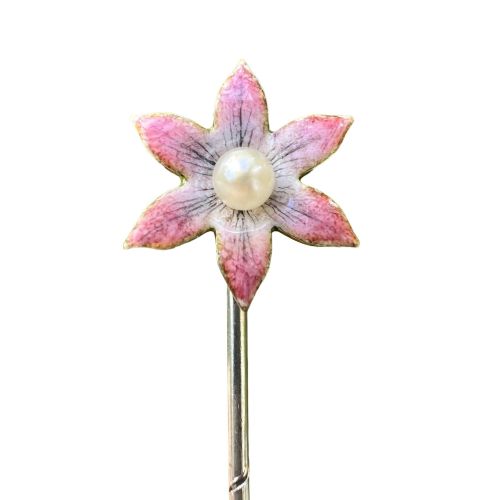
The forms vary widely, taking the shape of butterflies, hearts, owls, floral designs, coats of arms, and geometric circles. Buyers encounter everything from delicate silver butterfly motifs with guilloche patterning to substantial gold pieces set with pearls and diamonds.
Origins range from British workshops to continental makers in Norway, Sweden, and France. Silver and various grades of gold form the primary metal backdrops for the glass-based colours.
How they were made
Goldsmiths and silversmiths shaped precious metals into filigree wirework, hammered sheets, and cast mountings using 18ct gold, 15ct yellow gold, 9ct gold, and sterling silver. Gems such as diamonds, opals, turquoise, and natural or seed pearls were then integrated alongside the metal structures.
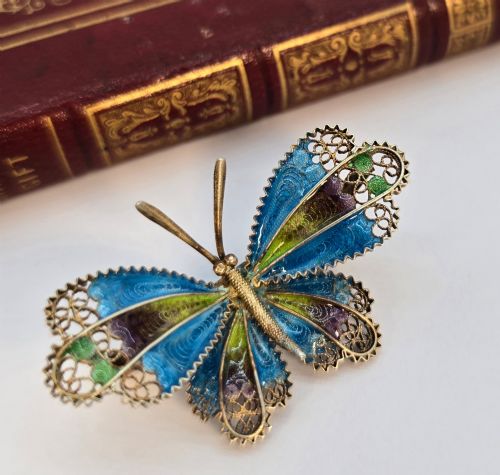
Glass pastes were ground into fine powders, applied to the metal recesses, and fired in kilns to fuse the vitreous layer to the base. Artisans utilised specialised techniques including plique-a-jour, where enamel sits within open wire frameworks without a backing, and guilloche, which involves machine-turning geometric patterns beneath translucent coloured enamel.
Antique Enamel Brooch Retail Price Guide 2026
Typical asking prices for enamel brooch among the pieces listed under this phrase on Sellingantiques today, from the lower quarter to the upper quarter. They describe what is for sale here now, not the wider market.
An eccentric beetle subject occasionally crawls into the collection, appearing alongside traditional flowers and birds.
What varies in quality
The distinction between ordinary and exceptional examples rests upon the ambition of the design and the mastery of the enamel work. Pieces featuring complex translucent guilloche patterns or delicate plique-a-jour show a higher tier of craftsmanship than simpler opaque fillings.
The choice of secondary materials also elevates a piece, with top examples incorporating fine diamonds, opals, or high-karat gold rather than standard silver and base metals. Maker attribution further distinguishes the work, as signed pieces or those bearing marks from known workshops command greater recognition.
Murrle Bennet and Co·Marius Hammer·Albert Carter·Clement Berg
The Antique Enamel Brooch Glossary
- Guilloche
- An ornamental technique in which a precise, intricate pattern is mechanically engraved into a metal surface before translucent enamel is applied over the top. This allows the underlying texture to catch the light through the glassy colour.
- Plique-a-jour
- A vitreous enamelling technique resembling miniature stained glass, where the enamel is fired in open cells without a backing metal. It lets light pass directly through the coloured glass sections.
- Seed pearl
- Very small, naturally occurring pearls often used in clusters or borders around central enamel plaques in nineteenth and early twentieth century jewellery. They provide a soft, creamy contrast to vibrant blue, red, or black enamel.
- Filigree
- Delicate jewellery work formed from fine twisted threads of gold or silver soldered together in openwork patterns. It frequently surrounds enamel panels in continental European pieces.
- Mourning brooch
- A commemorative piece of jewellery, often containing black enamel, seed pearls, or woven hair, created to remember a deceased person. These date primarily from the Georgian and Victorian periods.
Antique Enamel Brooch: Frequently Asked Questions
How do I date an enamel brooch?
Dating relies on combining the stylistic clues of the metalwork with hallmarks and manufacturing techniques. Art Nouveau and Arts and Crafts pieces typically point toward the turn of the twentieth century, while geometric lines suggest the nineteen twenties.
Material choices also help narrow the timeframe. Brooches using 15ct gold are characteristic of the Victorian and Edwardian eras, whereas later twentieth century pieces often utilise standard sterling silver.
What is guilloche enamel?
Guilloche is a decorative process where a metal base is machine-turned with precise repeating geometric patterns. Translucent enamel is then fired over the engraving, creating depth and shimmering light reflection.
This technique appears frequently on butterfly and circular brooches from the early decades of the twentieth century. The underlying pattern remains visible through the glassy coloured surface.
How should I wear an antique brooch?
These pieces suit heavy fabrics such as wool coats, thick scarves, or tailored jacket lapels where the weight of the gold or silver is properly supported. Pinning them securely through woven textures prevents the pin stem from bending.
Many collectors also use pendant-brooch conversions on chains. This dual functionality allows the piece to be worn either pinned to clothing or suspended around the neck.
What is plique-a-jour?
Plique-a-jour is an enamelling method where the fired glass has no solid backing metal behind it, resembling miniature stained glass. Light shines straight through the transparent colours, creating a luminous effect.
Because of its delicate structure, plique-a-jour is most often found in high-end Art Nouveau pieces featuring natural motifs like flower petals or insect wings.