


Antique Empire Mantel Clock
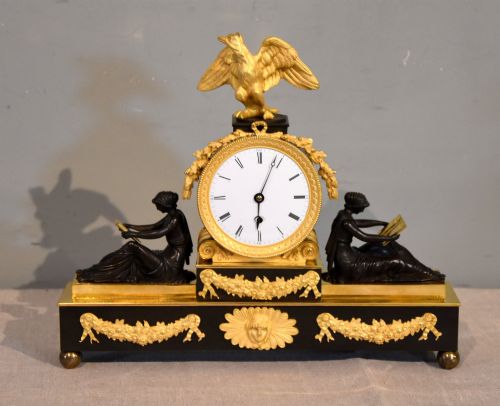
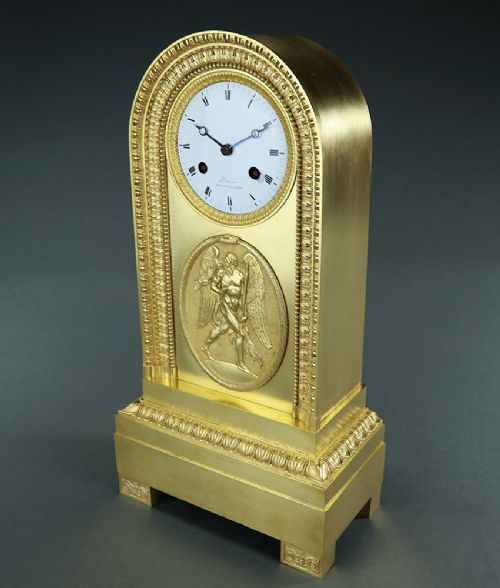
An antique empire mantel clock brings neoclassical weight and chased ormolu to a room, anchoring the space with nineteenth-century French bronze and marble.
Antique Empire Mantel Clock
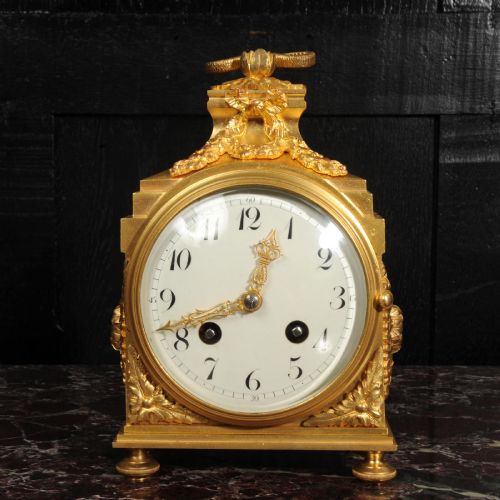
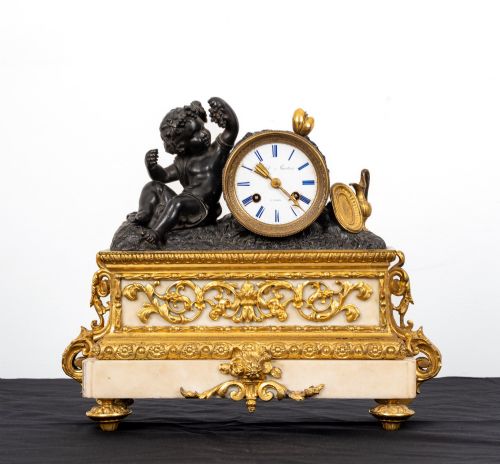
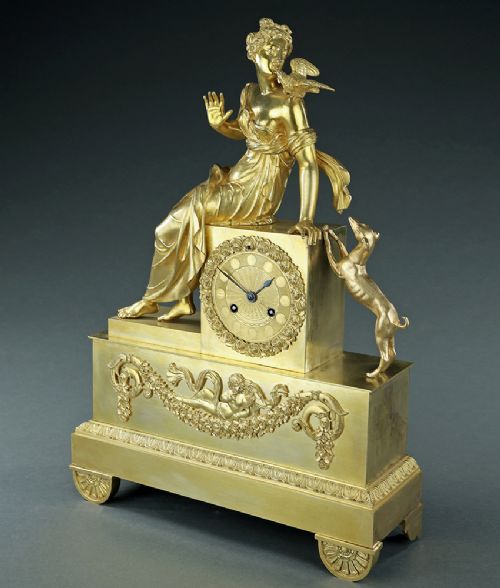
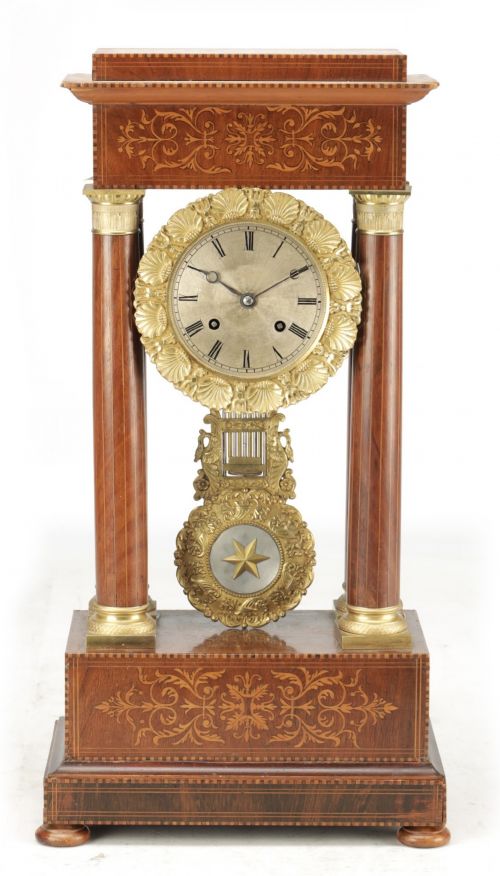
An antique empire mantel clock is a heavy domestic timepiece drawing upon classical motifs, French design and architectural forms such as porticos and borne cases. When you search this phrase, you meet nineteenth-century examples alongside earlier portico clocks and Victorian revivals.
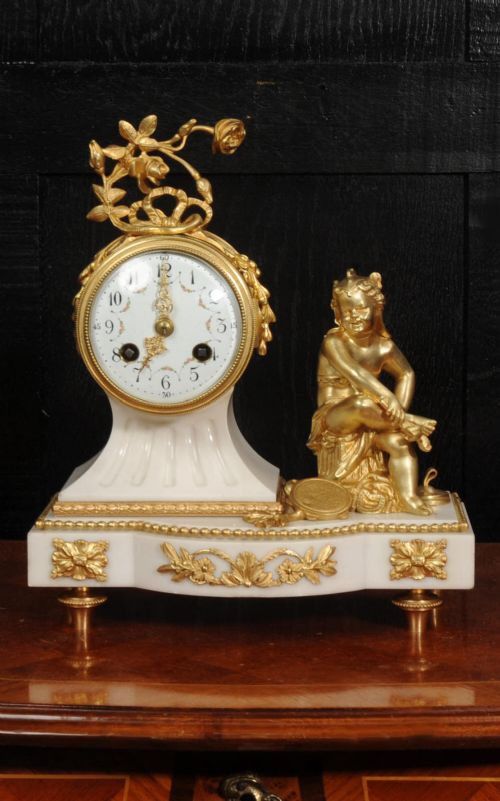
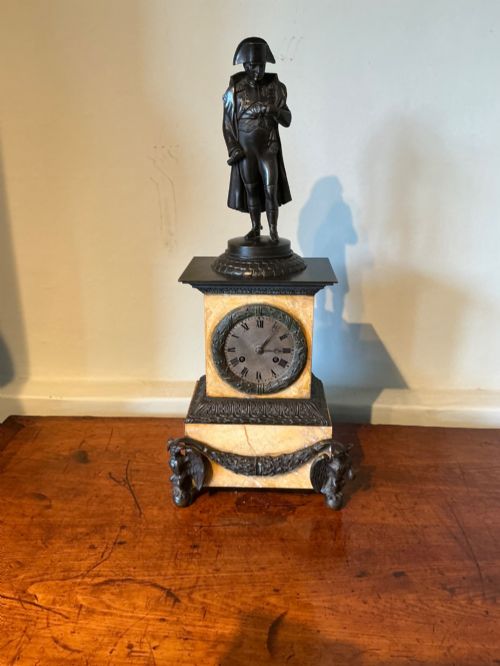
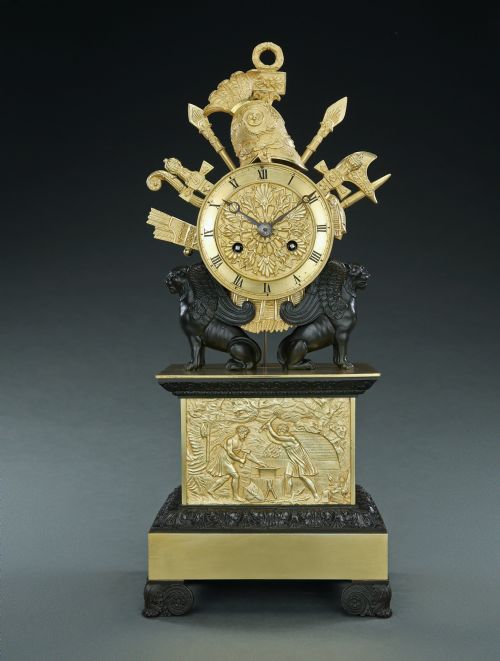
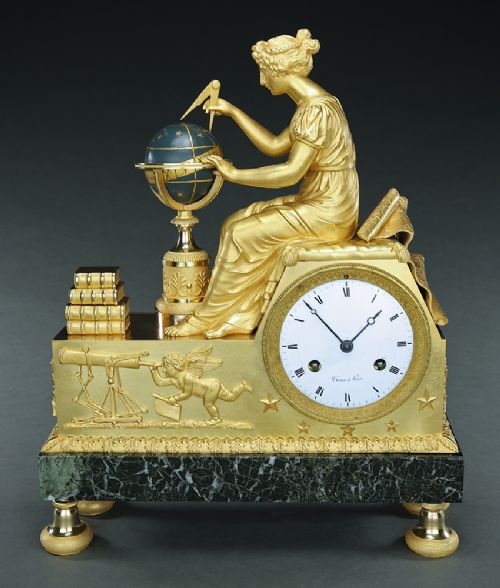
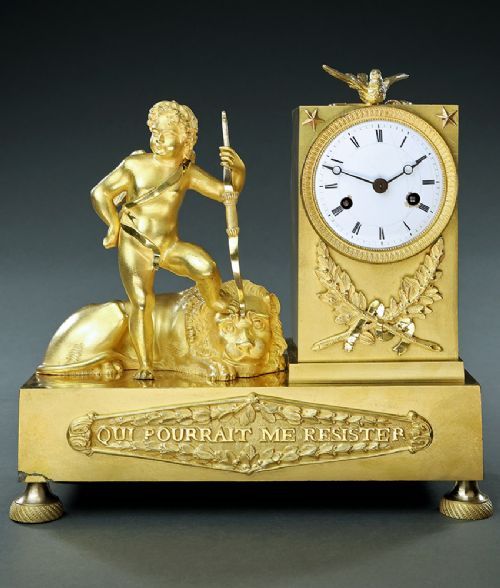
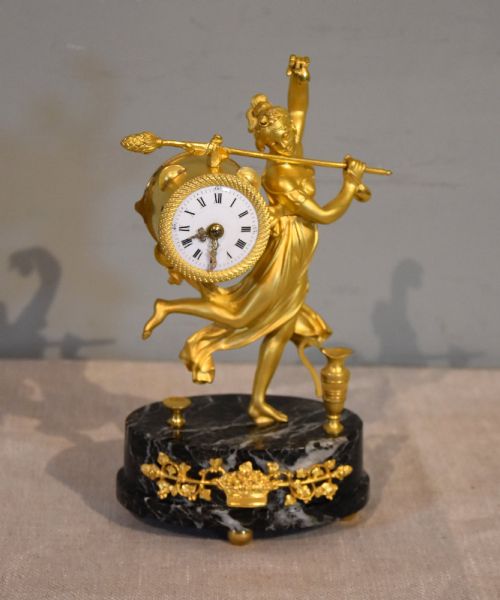
The objects take many structural shapes, including drumhead cases, figural compositions featuring Napoleon or allegorical figures, and garniture sets complete with matching side ornaments. Originating largely from French workshops, these pieces combine timekeeping with sculptural bronze work.
Materials and Construction
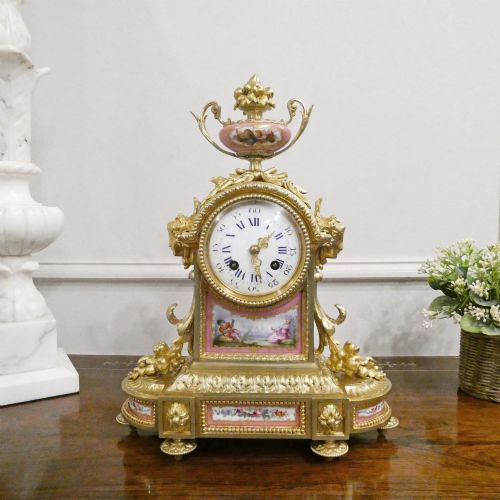
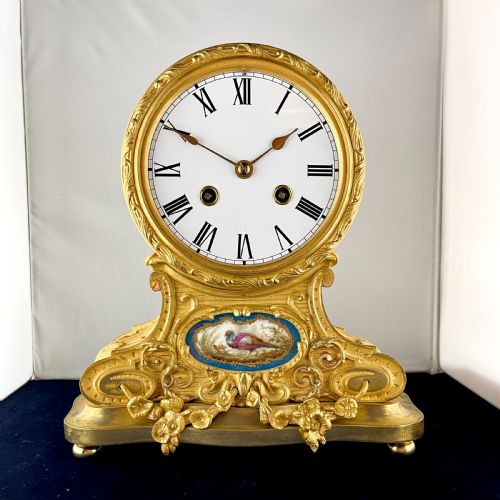
Cases combine polished marble, such as rouge or green varieties, with cast ormolu and gilt or patinated bronze components. Movement plates and dials integrate enamel, brass and glass bezels to protect the face.
Foundries cast bronze and brass elements before chiselling and gilding the surfaces by hand. Portico clocks utilise timber frames, including mahogany and ebonised wood, often enhanced with inlay or gilding.
Napoleon keeps watch over ticking gears while holding trophies of war or crossing the Alps on your mantelpiece.
Distinctions in Quality
Quality rests in the crispness of the bronze chasing and the depth of the mercury gilding on the ormolu mounts. Finer clocks display sharp relief in figural casts and substantial marble bases rather than lighter pressed brass or painted substitutes.
The presence of signed movements by makers such as Japy Frères or Parisian horologists elevates a piece, as does the integration of intact enamel dials and original matching garniture sets.
Japy Freres·Siffel and Cartier·Baetens London·Canaillor of Paris·Berger Paris·Rodier
The Antique Empire Mantel Clock Glossary
- Ormolu
- Gilt bronze created by applying a mixture of gold and mercury to a cast brass object. The mercury is driven off by heat, leaving a rich gold coating.
- Portico clock
- A mantel clock built in an architectural frame supported by four columns. This style gained popularity during the late eighteenth and early nineteenth centuries.
- Garniture
- A set consisting of a central clock flanked by matching decorative ornaments such as vases or candelabra. These sets were designed to sit together on a mantelpiece.
- Pendule d'Officier
- A portable mantel clock often fitted with a carrying handle on top. These military-style timepieces were designed for travel during the campaign periods.
- Borne clock
- A mantel clock housed in a squat, pillar-like case resembling a boundary stone. The form provides a stable, heavy base for classical bronzes.
Antique Empire Mantel Clock: Frequently Asked Questions
What is an empire mantel clock?
An antique empire mantel clock is a heavy timekeeping object shaped by French neoclassical design, featuring cast bronze, ormolu and marble.
These pieces often depict mythological or military themes, reflecting the aesthetic tastes of the early nineteenth century.
What is a clock garniture?
A clock garniture is a matched set comprising a central mantel clock alongside side pieces such as vases or urns. They were created to display as a unified arrangement on a fireplace mantel.
Materials match across the set, linking the central timepiece with the flanking ornaments.
How should I care for antique ormolu?
Antique ormolu requires gentle dusting with a soft, dry brush to prevent the accumulation of dirt within the chased crevices. Avoid using chemical cleaners or metal polishes, which strip the thin gold layer from the bronze underneath.
Humidity control helps preserve both the metal mounts and the underlying marble or wooden cases.