




Antique Elm Box
An antique elm box brings the rich grain and sturdy honesty of domestic utility into a modern interior.
Antique Elm Box
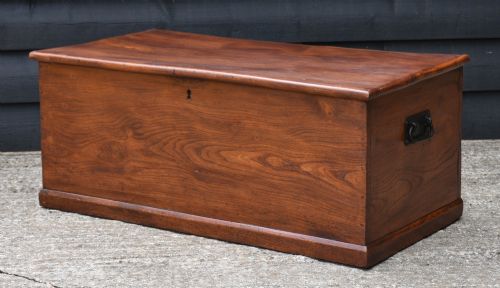
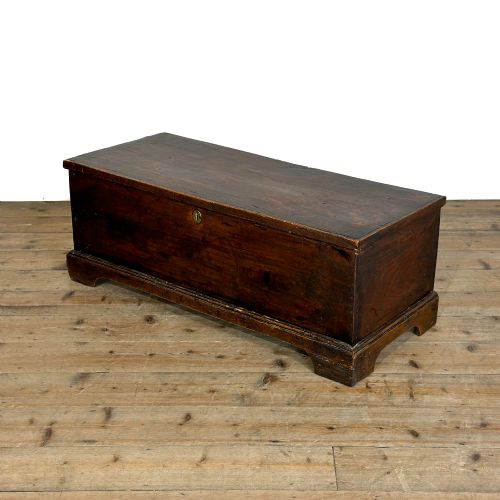
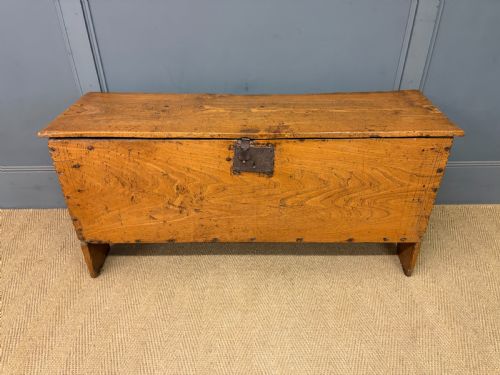
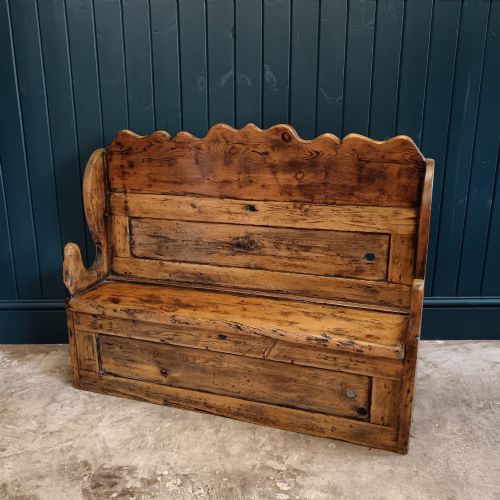
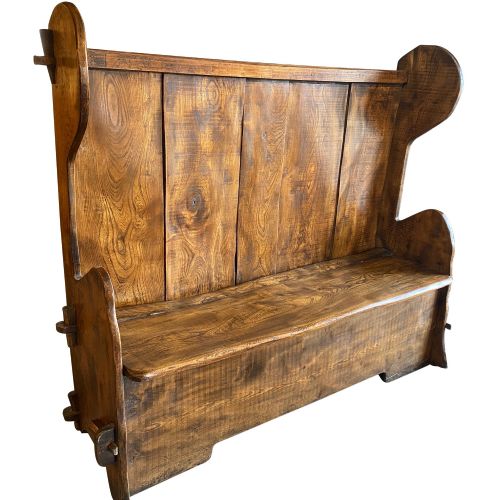
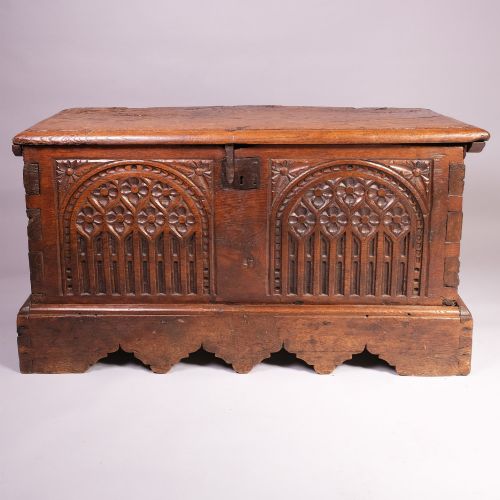
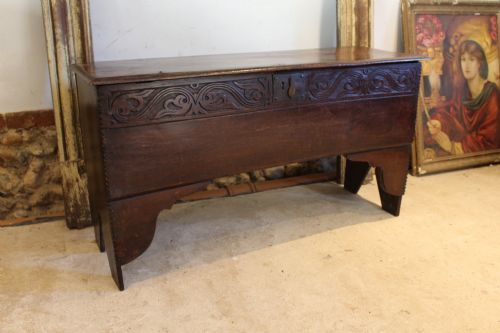
An antique elm box encompasses a wide variety of utilitarian storage vessels, ranging from small desktop bible boxes and spice containers to large Georgian blanket chests and six-plank coffers. These objects served households across centuries for keeping textiles, documents, and provisions safe from pests and dampness.
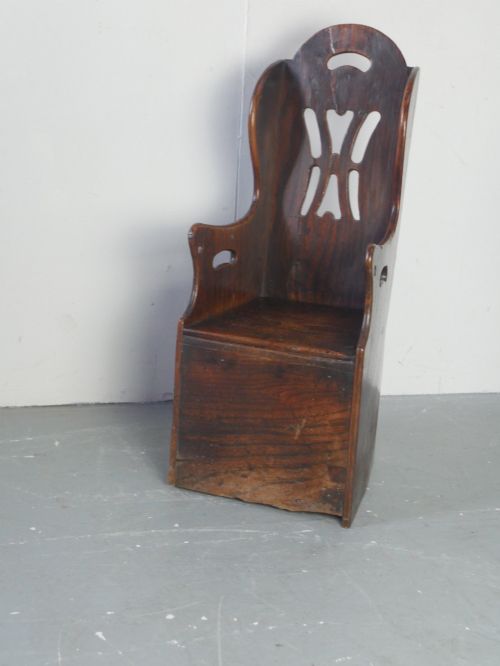
Beyond domestic storage, the selection extends to specialised forms such as cellarettes, toolboxes, and dough bins. These functional items reveal how rural craftspeople utilised the local timber available to them for everyday domestic life.
How they were made
Makers relied primarily on solid elm timber, chosen for its tough interlocking grain that resisted splitting during construction. Workshops frequently paired elm with oak or pine for internal framing and secondary panels, particularly in large coffers and blanket chests.
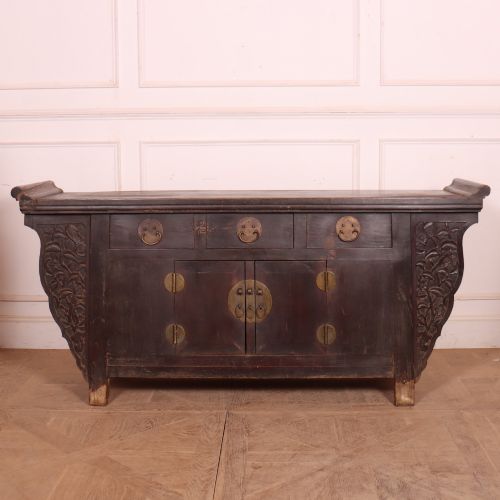
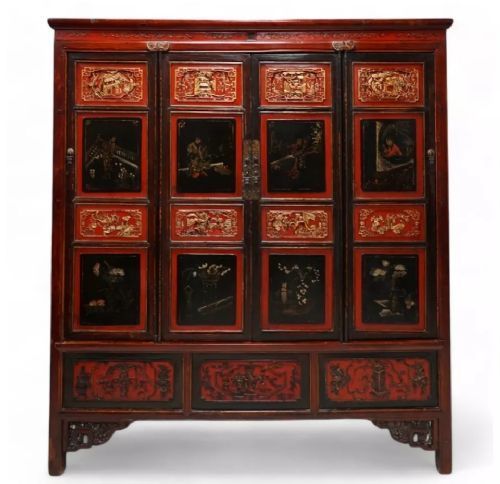
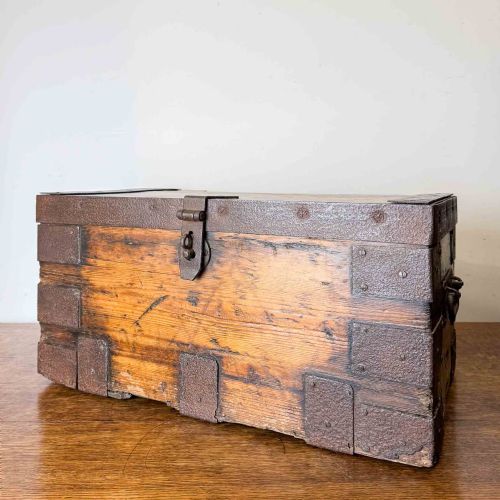
Construction techniques typically involved simple six-plank joinery secured with iron nails or dovetail joints for finer table boxes and writing desks. Surfaces were often enhanced with iron binding, brass carrying handles, or intricate lacquer work depending on the regional origin of the workshop.
What varies in quality
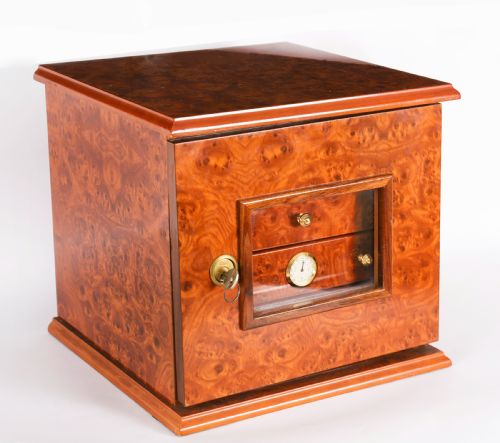
The distinction between ordinary utility items and superior examples rests largely on the choice of timber and the expressiveness of the wood grain. Pieces featuring highly figured burr elm command greater appreciation due to the decorative movement within the surface.
Construction integrity and the survival of original hardware also determine the standing of a piece within the range. Retaining authentic brass mounts, hinges, and patination separates untouched historic examples from heavily restored substitutes.
The Antique Elm Box Glossary
- Burr elm
- A growth deformity in the elm tree that produces highly twisted, knotted grain patterns prized for decorative veneer and small specialty boxes.
- Bible box
- A small sloped or flat-topped desk container historically used to store household scriptures and important family documents.
- Six-plank coffer
- A primitive storage chest constructed from a single board for each of the four sides, the base, and the lid.
- Cellarette
- A dedicated lockable container or cabinet designed to hold wine bottles safely within a dining room setting.
- Dough bin
- A deep utilitarian trough with a fitted lid utilised in rural kitchens for proving bread before baking.
Antique Elm Box: Frequently Asked Questions
What is an elm bible box?
A bible box is a small portable desk container historically used to store religious texts and writing materials securely. These compact chests often feature sloping lids designed for reading or writing.
Craftspeople built them to sit on tables or desks within the home. Their robust construction protected valuable papers from moisture and dust.
How do I date an antique elm chest?
Dating relies on examining construction methods, tool marks, and hardware types used in assembly. Earlier examples from the seventeenth and eighteenth centuries often employ hand-forged iron hinges and simple pegged joints.
Later nineteenth-century pieces frequently display machine-cut elements and standardised brass fixtures. Comparing the timber shrinkage and surface patination further helps establish age.
Where were these boxes made?
These utility items were produced in regional workshops across England, Wales, and continental Europe. Local country joiners utilised native timber available in their surrounding woodlands.
Some examples also originate from distant trade hubs, incorporating distinct regional decorative treatments. This variety reflects the widespread reliance on elm for practical domestic containers.
How do I care for elm wood?
Elm furniture requires stable indoor humidity levels to prevent the timber from splitting or warping. Keeping pieces away from direct heat sources and strong sunlight preserves the historic finish.
Applying a light coat of natural wax periodically helps nourish the dry grain. Gentle dusting with a soft cloth maintains the natural surface texture.