



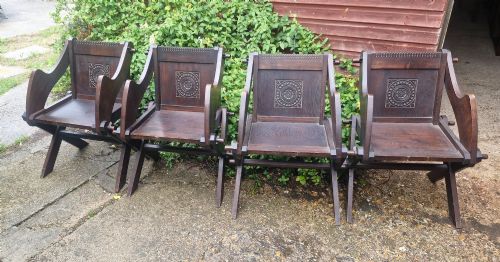
Antique Elbow Seat
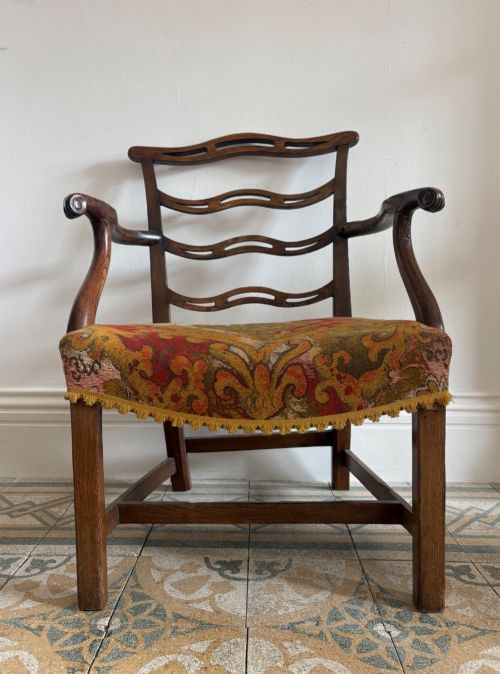
An antique elbow seat offers a solid armrest and sturdy timber frame, making it a practical chair for a desk, study or parlour.
Antique Elbow Seat
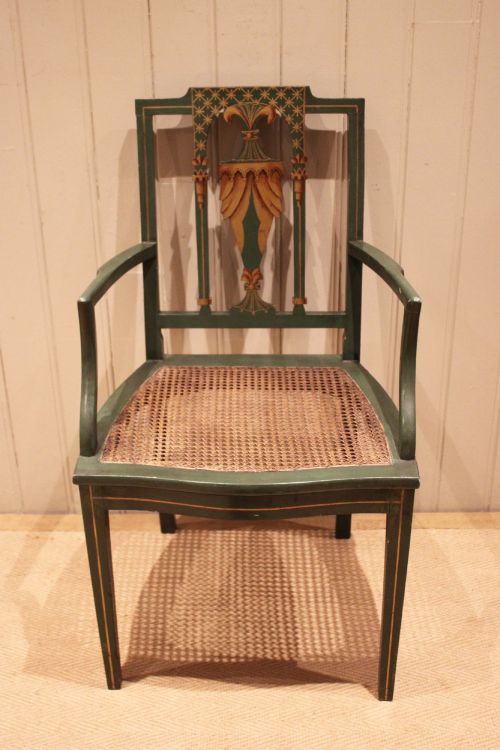
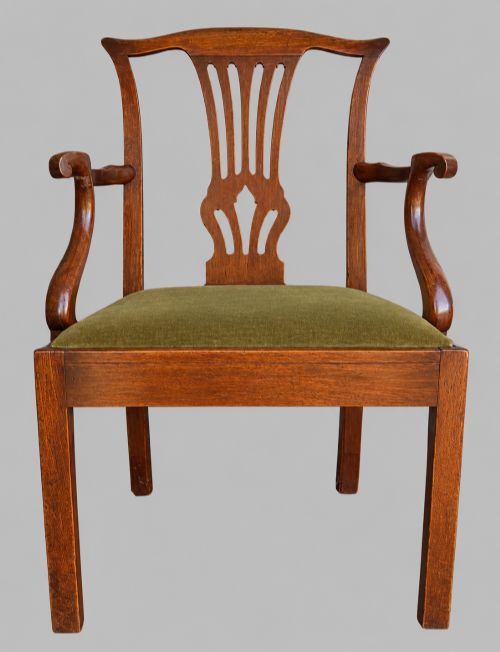
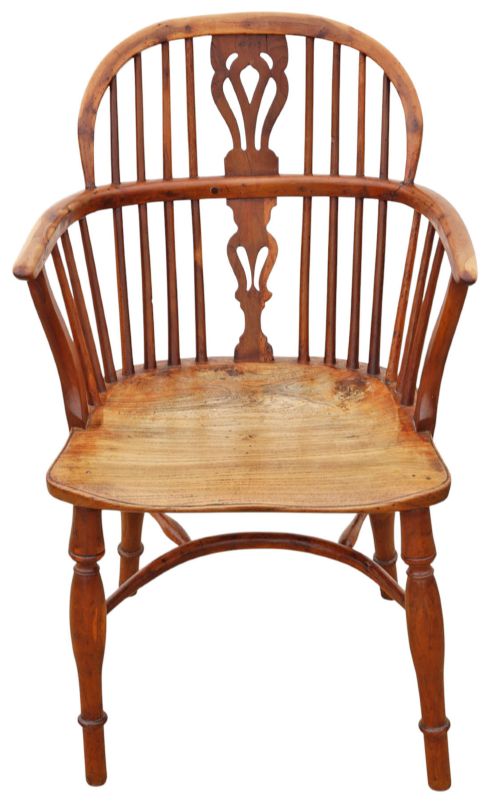
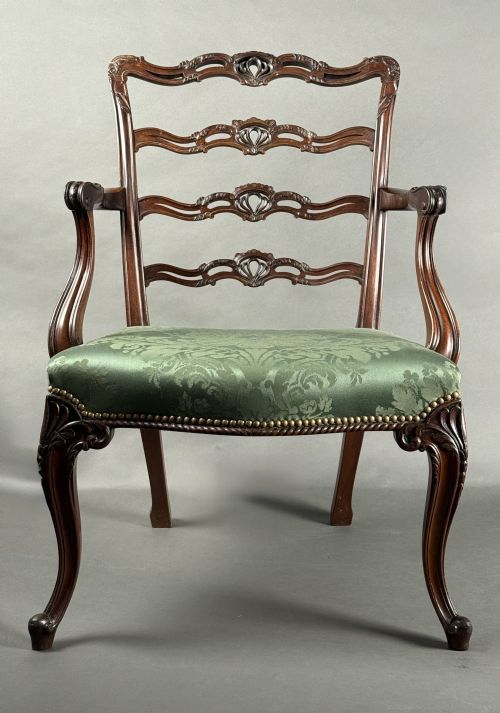
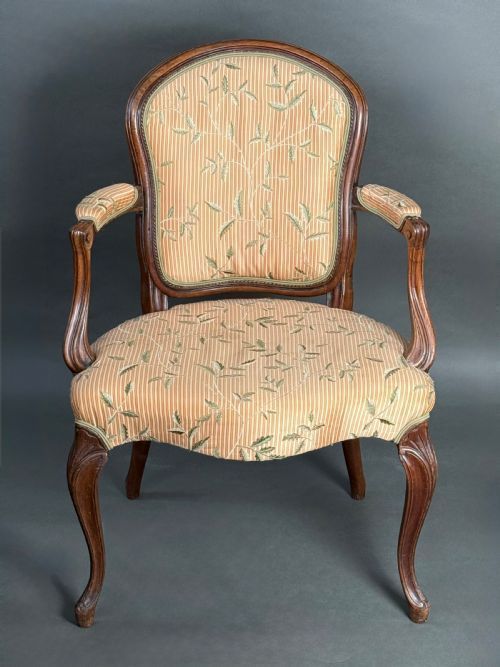
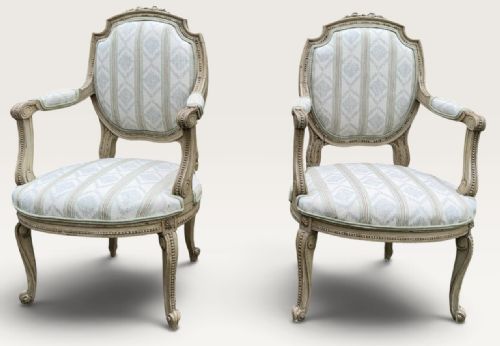
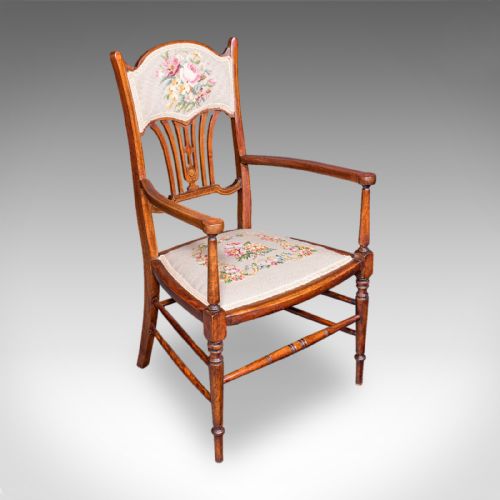
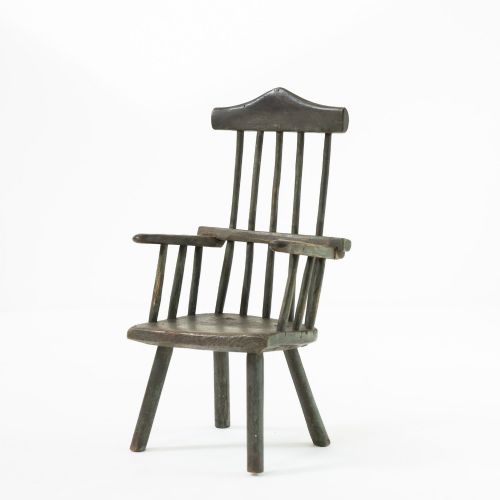
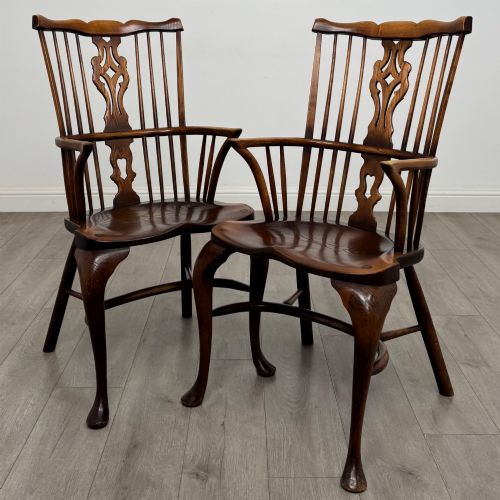
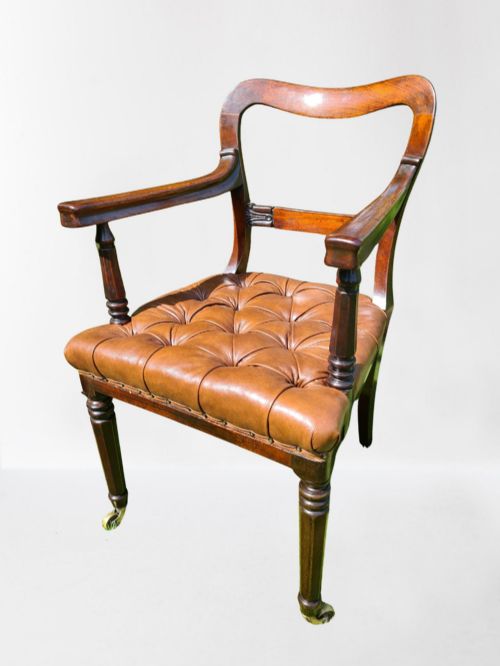
An antique elbow seat covers a wide range of armchairs, carvers, desk chairs and smokers bows designed with integrated armrests for added support. The selection spans formal mahogany styles from the Georgian and Regency periods alongside rustic vernacular items like elm and ash Windsor chairs from the 18th and 19th centuries.
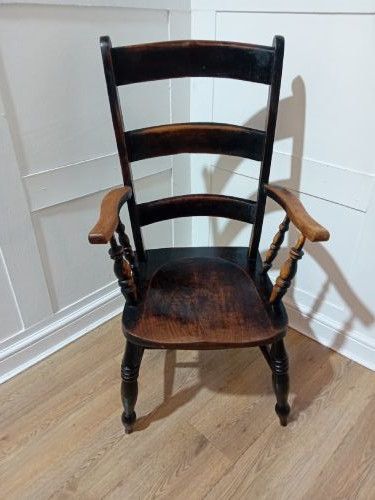
Buyers will encounter formal reception room seats alongside country stick-backs, ladder-backs and spindle-backs. Materials vary from dense hardwoods like oak and mahogany to softer fruitwoods and regional timbers used by country joiners.
The form functions equally well as a library chair, a desk companion or a fireside seat, bridging formal domestic spaces and rural vernacular workshops. These seats carry the construction methods of their specific eras, from pegged joints to turned spindles.
How they were made
Traditional makers built these frames using regional timbers such as oak, mahogany, elm, ash, beech and fruitwood, often combining woods within a single Windsor or stick-back chair for structural strength. Seats were frequently carved from a single solid plank of elm, while legs and spindles relied on turned ash or beech.
Joinery methods relied on mortise and tenon joints, dovetailing and steam-bending for curved armbows and crest rails. Upholstered variants utilised drop-in pads or webbed frames covered in fabric, leather, cane, rush or velvet.
Listings feature woods including mahogany, elm, oak, beech, ash and fruitwood across formal and rustic styles.
What varies in quality
Quality rests in the crispness of carved details, the integrity of the timber joints and the retention of original surface finishes or patination. Finer formal examples show precise proportion and carefully selected mahogany or satinwood veneers, whereas country versions depend on the balance of the spindle arrangement and the soundness of the solid wood seat.
Significantly better pieces maintain their original structural components without excessive timber replacement or improper dowelling. The handling of the arm supports and the comfort of the back rake separate standard utility furniture from superior cabinet work.
Morris And Co
The Antique Elbow Seat Glossary
- Carver
- A dining chair or side chair built with arms, typically matching a set of smaller chairs for the head of the table.
- Windsor
- A traditional wooden chair featuring a solid carved seat into which the legs, back spindles and bow are wedged directly.
- Smoker's bow
- A low-backed Windsor variant with a continuous curved arm rail and turned spindles, commonly used in offices and smoking rooms.
- Ladder-back
- A chair back constructed with horizontal arched slats between two upright posts, often paired with a rush seat.
- Drop-in seat
- A removable wood-framed seat base upholstered separately and dropped into a recess in the chair rails.
Antique Elbow Seat: Frequently Asked Questions
What is an elbow seat?
An elbow seat is a traditional term for any chair fitted with armrests, such as a carver, desk chair or Windsor armchair.
The phrase covers both formal mahogany dining carvers and rustic country seating designed to support the arms while seated.
How do I date an antique elbow seat?
Dating relies on identifying the timber species, construction techniques, tool marks and stylistic details like leg turnings or back splats.
Cabinet woods like mahogany and satinwood point towards formal Georgian or Regency periods, while mixed woods and stick-backs often indicate country vernacular workshops.
Can I use an antique elbow seat at a modern desk?
Many antique elbow seats function well at modern desks, provided the seat height and arm clearance match your workspace requirements.
Desk chairs and library armchairs from the 19th century were specifically built for writing and reading tasks.
What is the difference between a carver and a Windsor chair?
A carver typically refers to a formal framed armchair designed to match a set of dining chairs, featuring joined legs and back rails.
A Windsor chair is a distinct construction type where spindles and legs are fitted directly into a thick solid wood seat plank.