

Antique Ebonised Seating
Antique ebonised seating brings dark, polished drama into a room, offering rich wood finishes paired with gilt accents, plush velvet, and traditional fabrics.
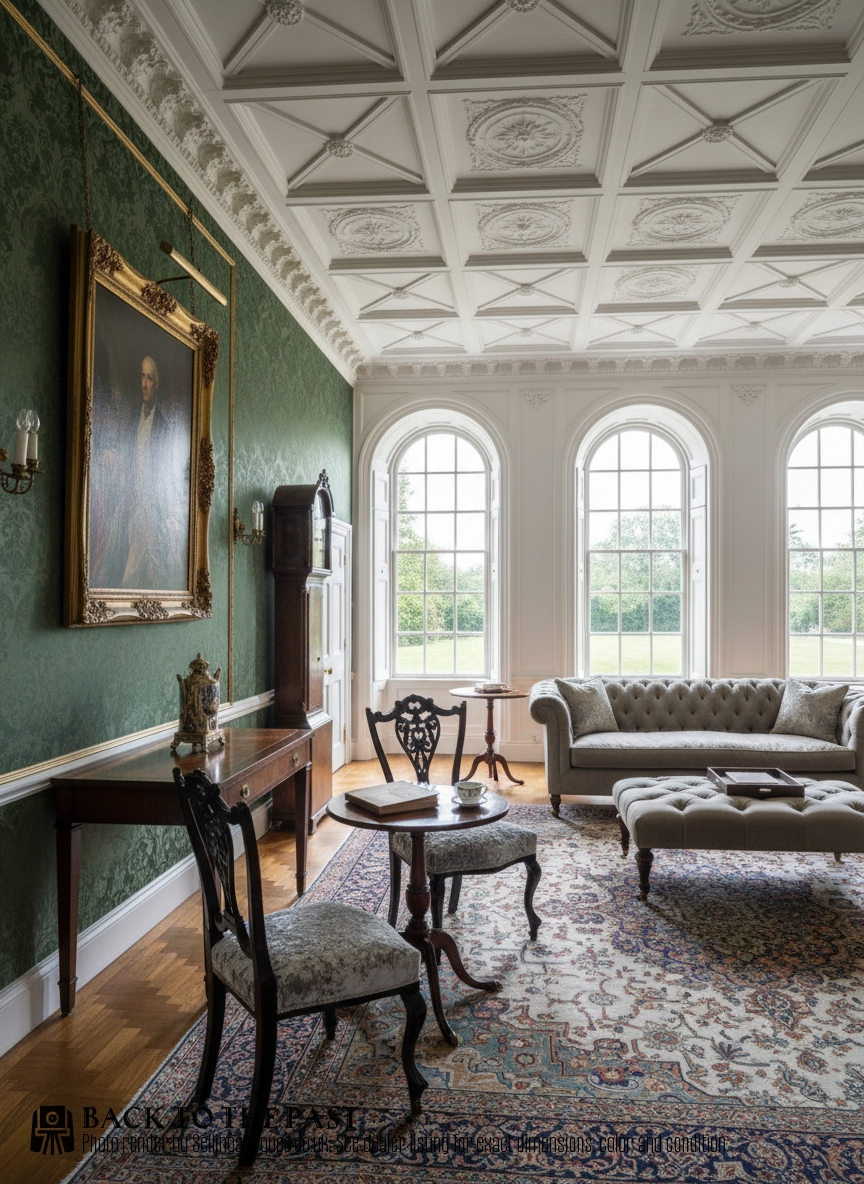
Antique Ebonised Seating
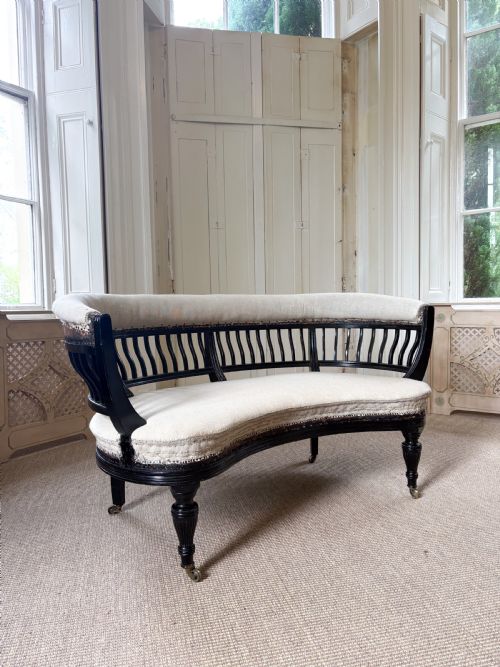
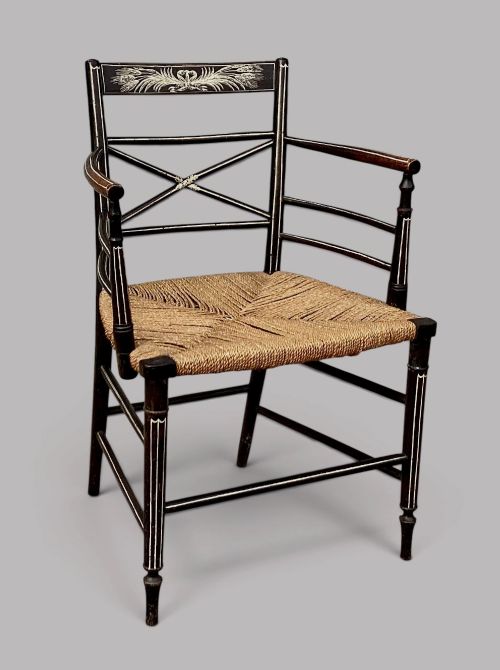
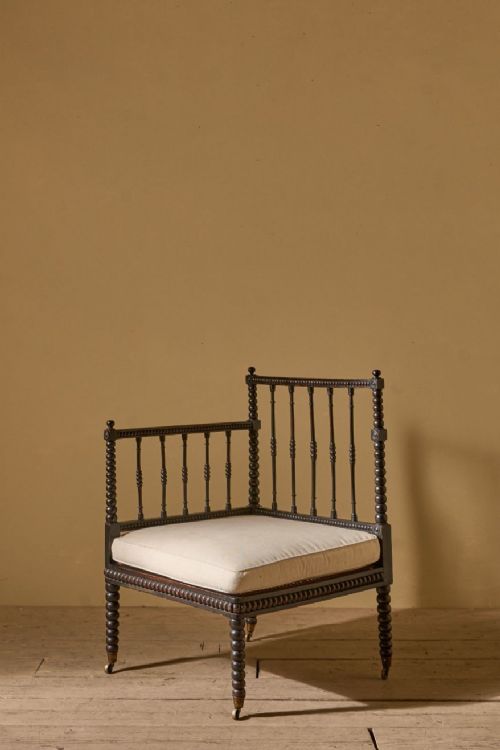
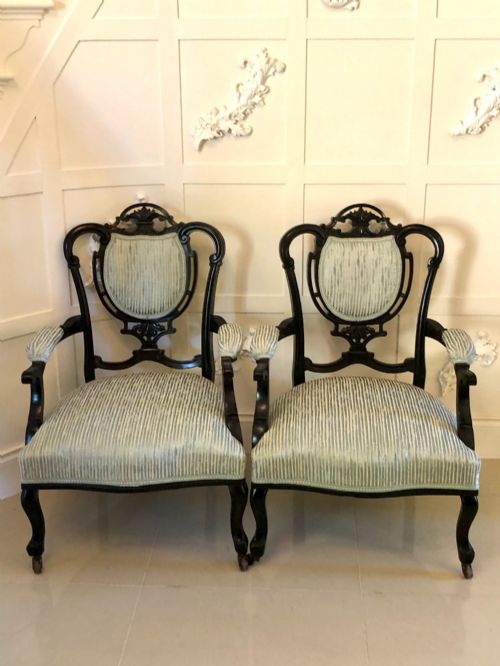
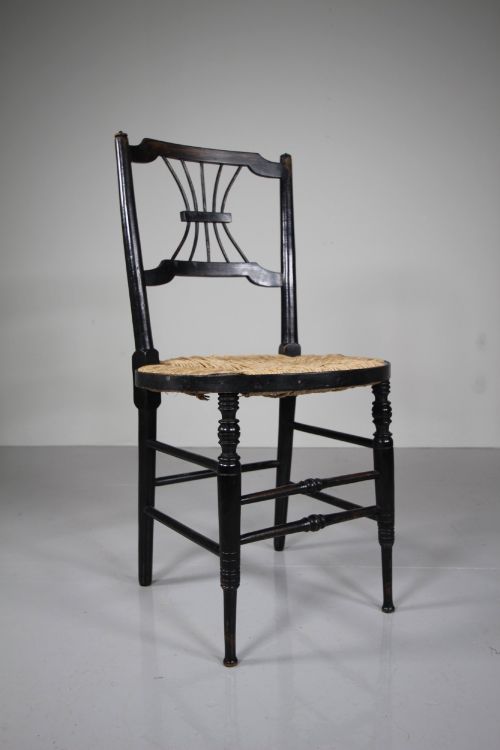
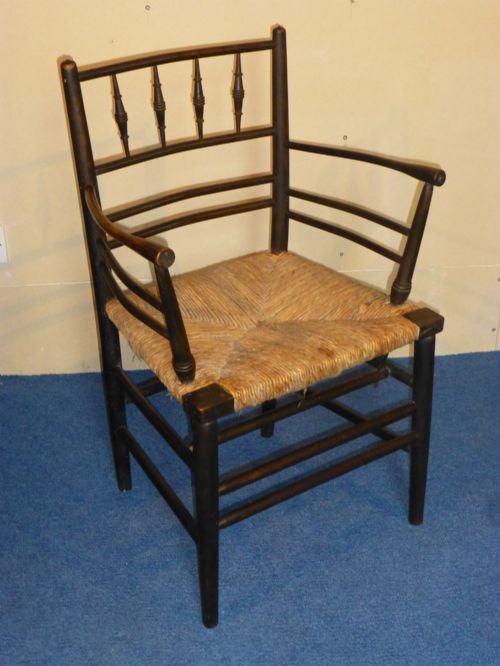
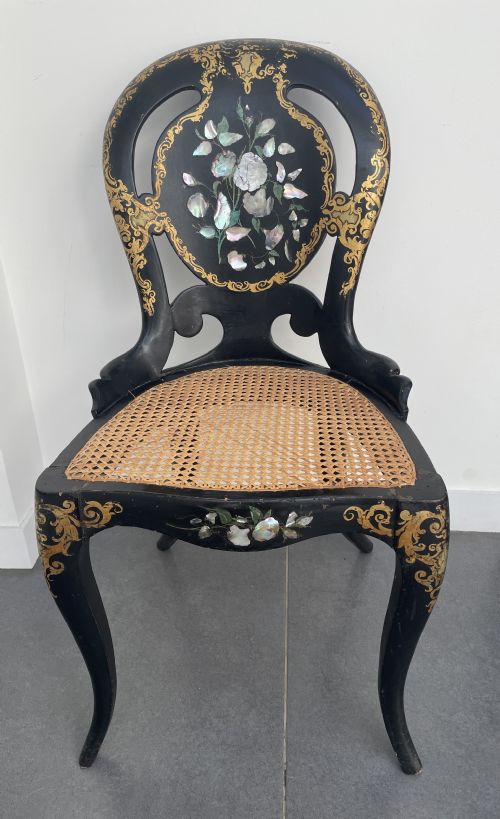
Antique ebonised seating encompasses chairs finished with a dark, often black surface that mimics ebony, appearing across Victorian, Aesthetic Movement, and Regency style pieces. These dark finishes create a striking visual impact, whether applied to formal side chairs or rustic country forms.
Makers and regional workshops produced diverse regional interpretations, ranging from Thames Valley Windsor chairs in ash and elm to ornate Victorian Rococo Revival designs and architect-designed Aesthetic Movement seating.
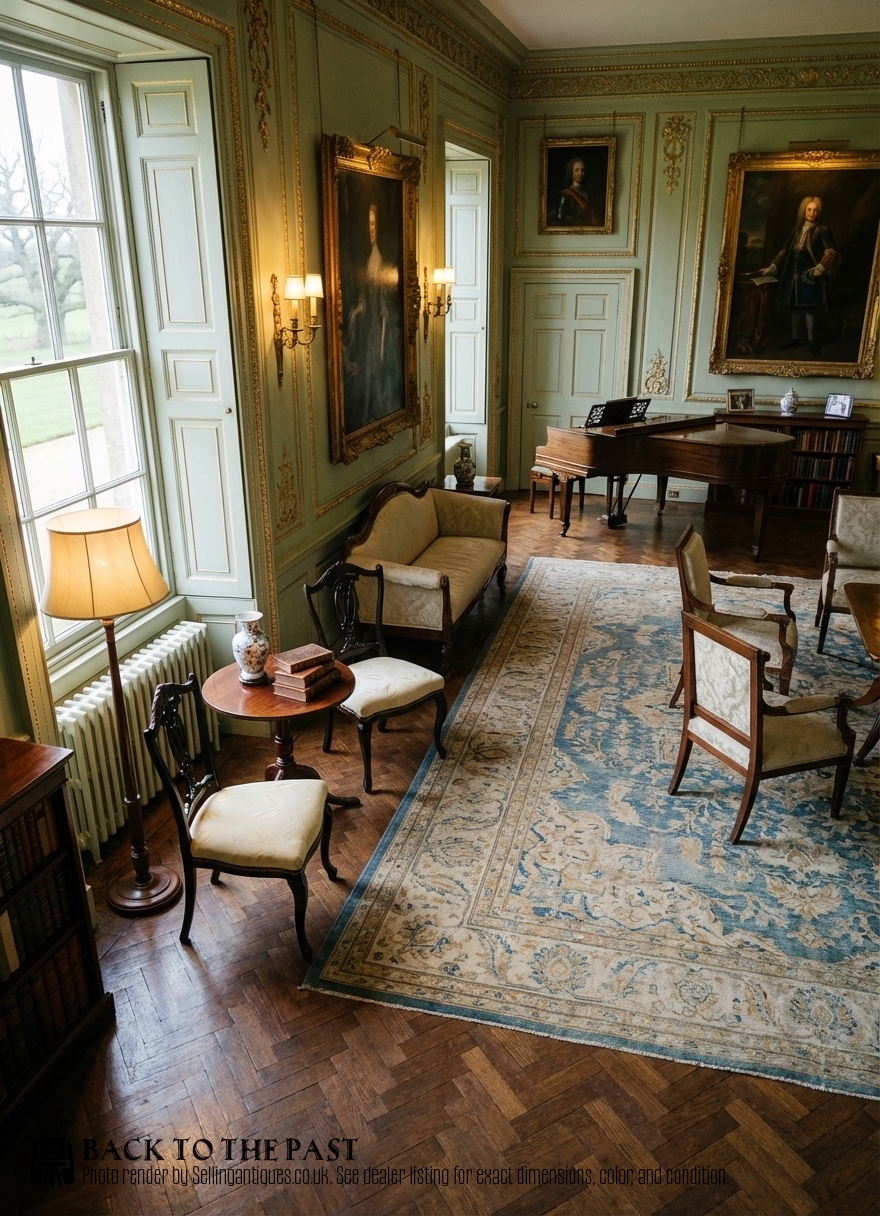
Materials and Construction
Craftsmen utilised various native timbers, coating woods such as ash, elm, and general hardwoods with dark ebonising treatments to achieve a dense, black appearance. This finish was frequently highlighted with gilt details or brass elements to create contrast.
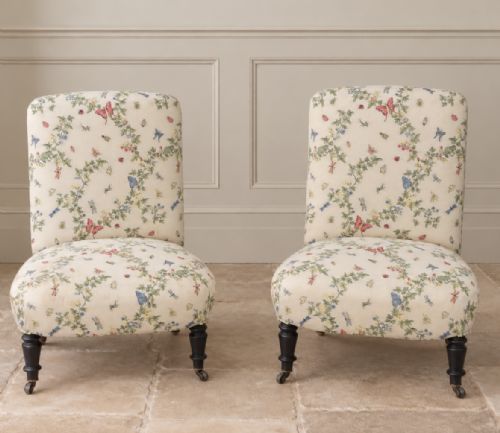
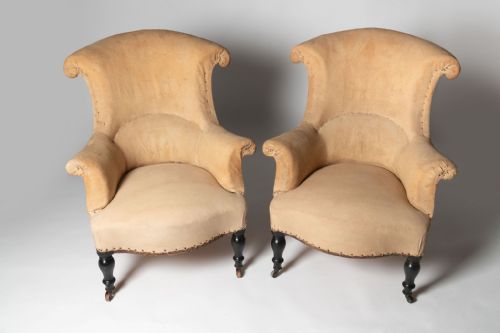
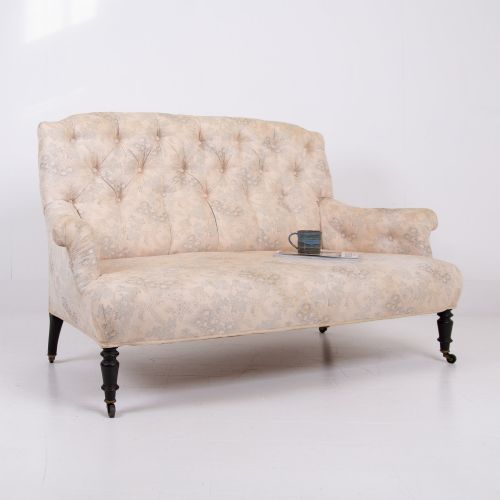
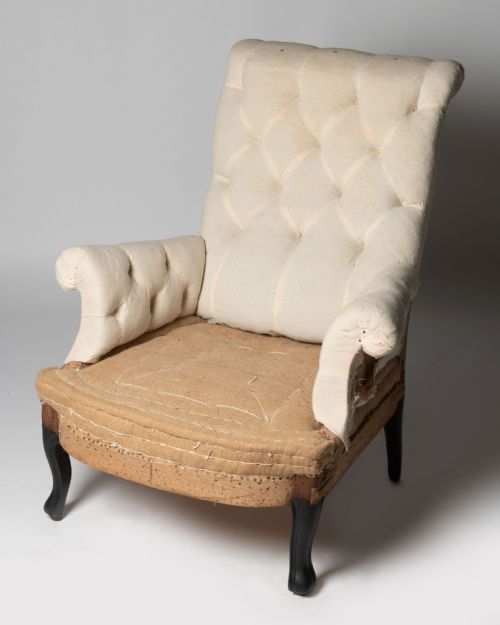
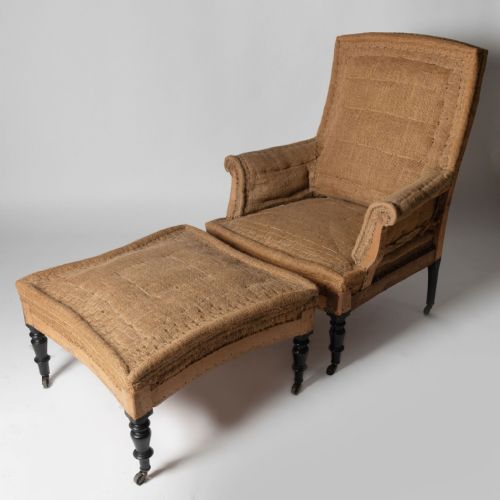
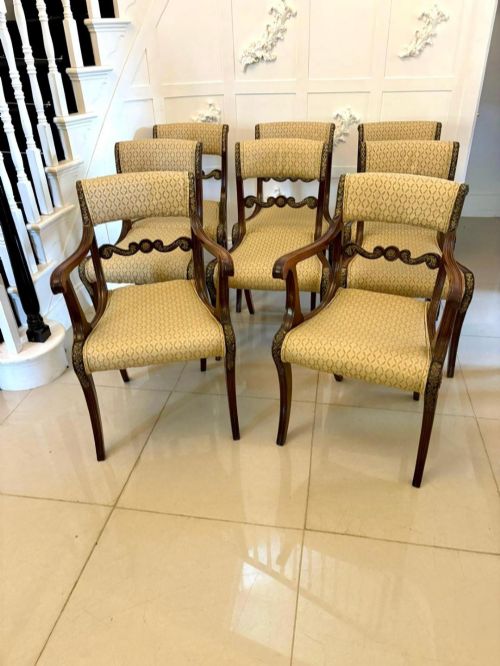
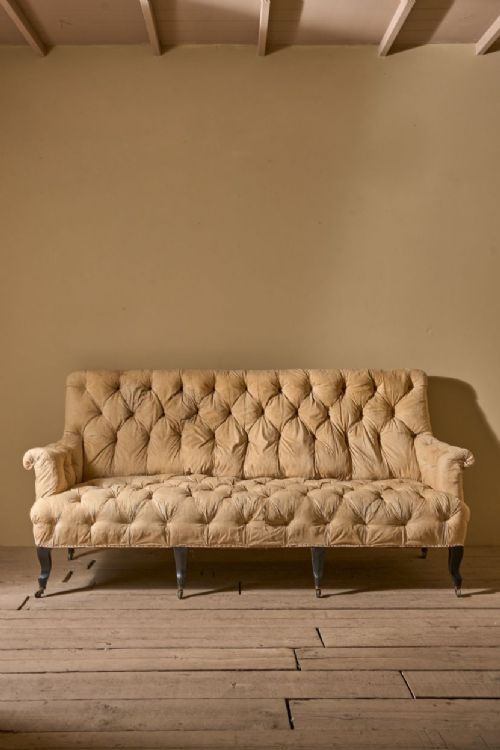
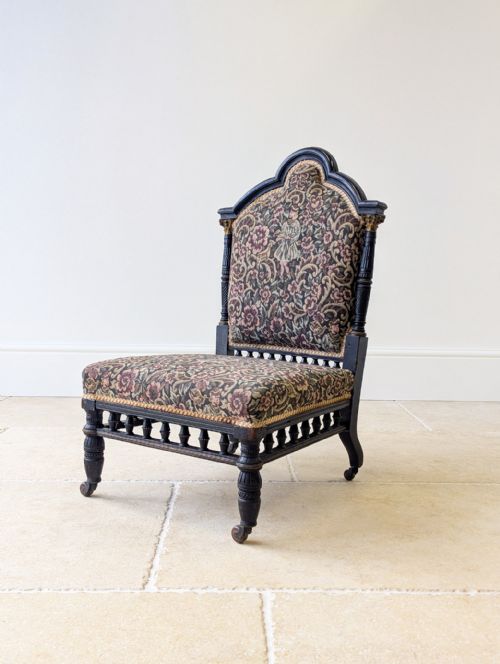
Upholstery forms an integral part of many pieces, utilising traditional fabric and velvet to cover padded seats and backs. Carved wooden frames provide the structural foundation, combining turned components with applied ornamentation.
Antique Ebonised Seating Retail Price Guide 2026
Typical asking prices for ebonised seating among the pieces listed under this phrase on Sellingantiques today, from the lower quarter to the upper quarter. They describe what is for sale here now, not the wider market.
Current listings feature pieces spanning the Victorian period, eighteen fifties, eighteen seventies, eighteen eighties, and nineteen twenties.
Markers of Quality
Quality rests upon the crispness of carved details and the depth of the ebonised finish, where superior examples maintain an even, lustrous surface rather than a flat, opaque coat. The integration of gilt highlights and brass mounts further separates finer aesthetic and revival pieces from standard production.
Structural integrity and timber selection dictate the longevity of these chairs, distinguishing sturdy hardwoods like ash and elm in regional seating from decorative show-wood frames found in formal Victorian reception rooms.
Bruce J. Talbert
The Antique Ebonised Seating Glossary
- Ebonised Wood
- Timber treated to resemble expensive ebony, typically through staining or painting. This finish became particularly fashionable during the Victorian and Aesthetic Movement periods.
- Aesthetic Movement
- A late nineteenth century design style emphasising art for art's sake. Pieces from this era often feature linear ebonised frames with incised gilt decoration.
- Thames Valley Windsor
- A traditional English vernacular chair style characterised by a distinctive bentwood bow and combined timber construction. Ash and elm were the primary woods utilised.
- Side Chair
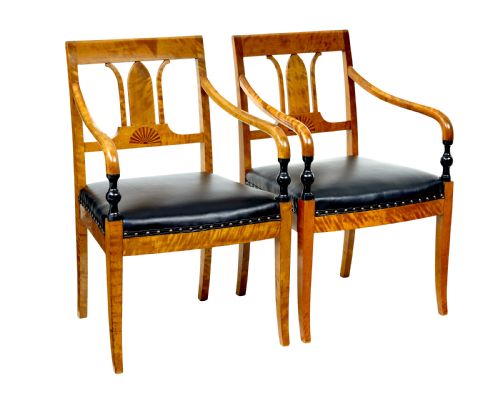
- An upright chair without arms designed primarily for dining or occasional use around a room. These form a significant portion of available ebonised seating.
- Gilt
- Gold leaf or gold paint applied to wooden surfaces to create decorative highlights. It frequently contrasts sharply against dark ebonised frames.
Antique Ebonised Seating: Frequently Asked Questions
What is ebonised seating?
Ebonised seating consists of wooden chairs finished with a dark stain or paint to imitate ebony. This treatment was widely adopted during the Victorian era to achieve a sophisticated, formal appearance.
Such seating ranges from simple regional Windsor chairs to highly decorative parlor and dining sets accented with gold leaf.
How do I date an ebonised chair?
Dating relies on observing stylistic markers, construction methods, and materials recorded in the piece. Victorian examples often display revival motifs or Aesthetic Movement geometry.
Mid nineteenth century versions might utilise traditional timbers like ash and elm, whereas later interpretations incorporate varied revival styles.
Where were Windsor chairs made?
Windsor chairs associated with ebonised finishes often originate from regional English workshops, notably the Thames Valley. Local turners and carpenters utilised sturdy native timbers for these vernacular forms.
The application of an ebonised finish elevated these rustic country chairs into more fashionable urban interiors.
How do I care for velvet upholstery?
Velvet upholstery requires gentle brushing to maintain the pile and prevent flattening over time. Keeping antique fabrics away from direct sunlight preserves the rich colour and integrity of the textile.
Professional cleaning is advised for older velvet to avoid damaging the delicate base fibres.