


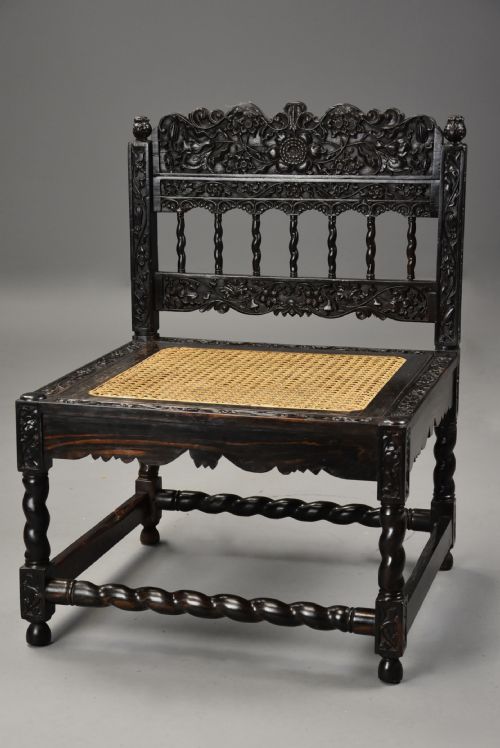

Black Wooden Chair
A black wooden chair brings deep, dark timber tones and striking silhouettes into a room, offering both practical seating and strong decorative presence.
Black Wooden Chair
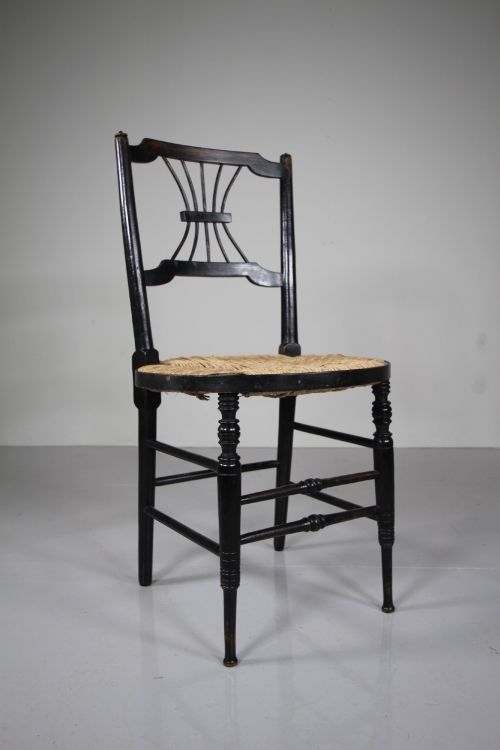
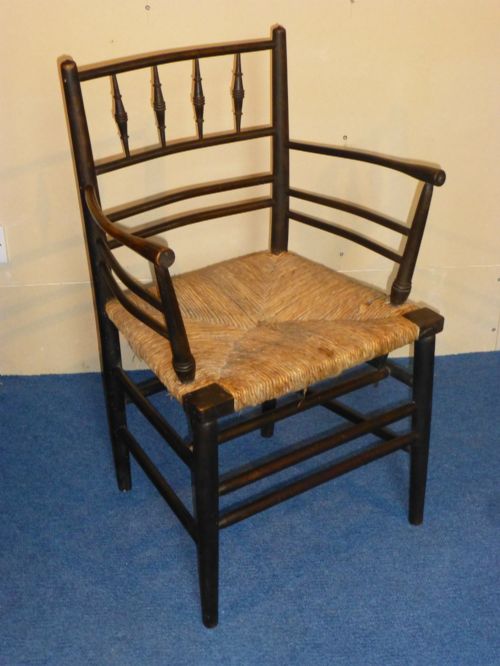
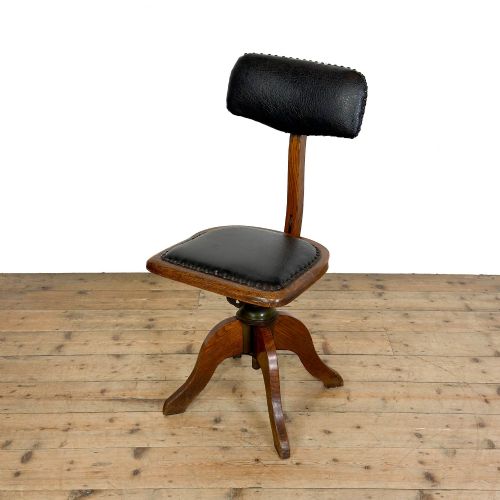
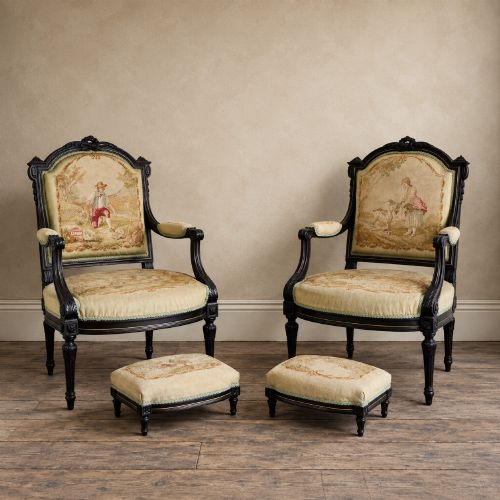
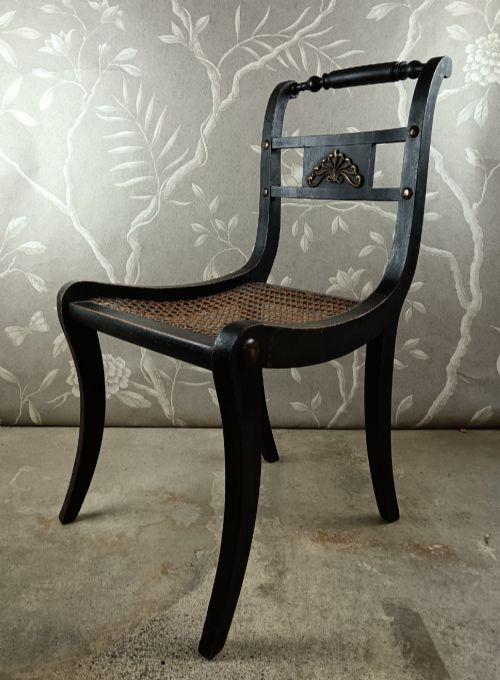
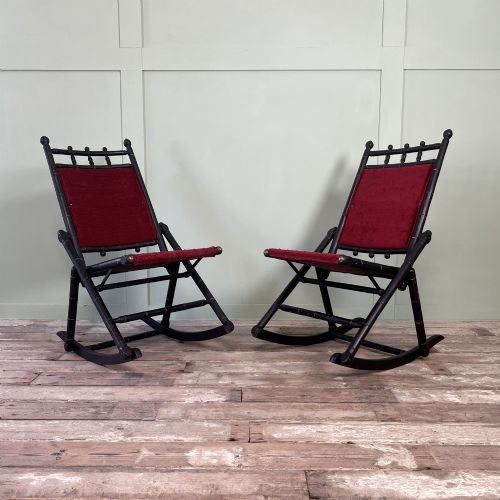
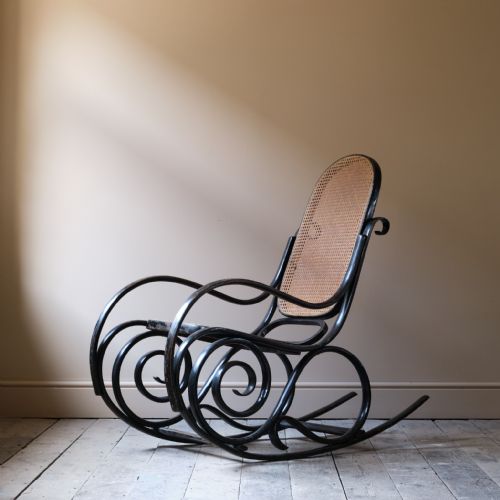
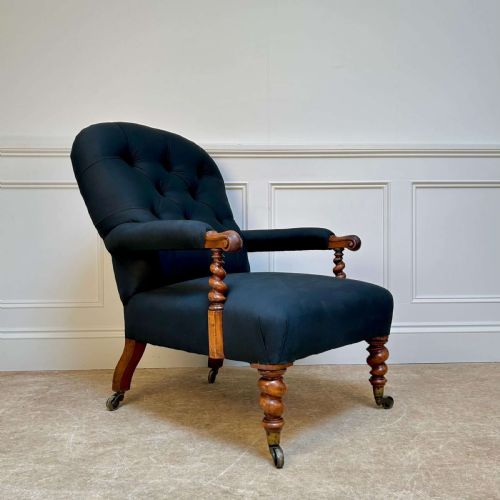
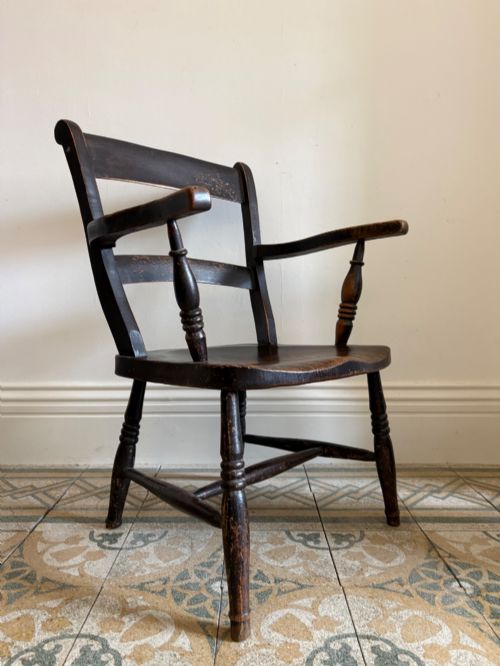
A black wooden chair encompasses a wide variety of forms designed for different domestic spaces, from formal dining rooms to quiet corners. You will frequently encounter ebonised frames, painted surfaces, and naturally dark timbers shaped into armchairs, side chairs, and rocking chairs.
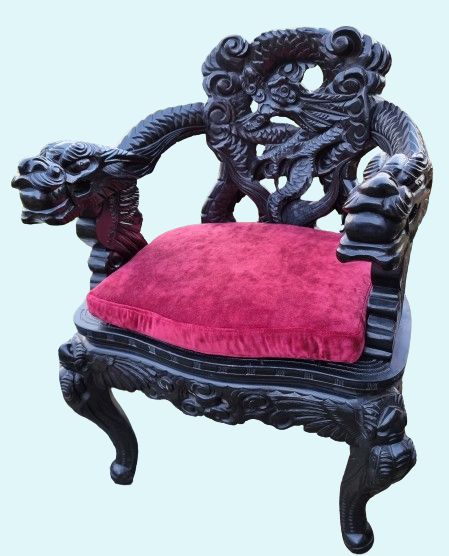
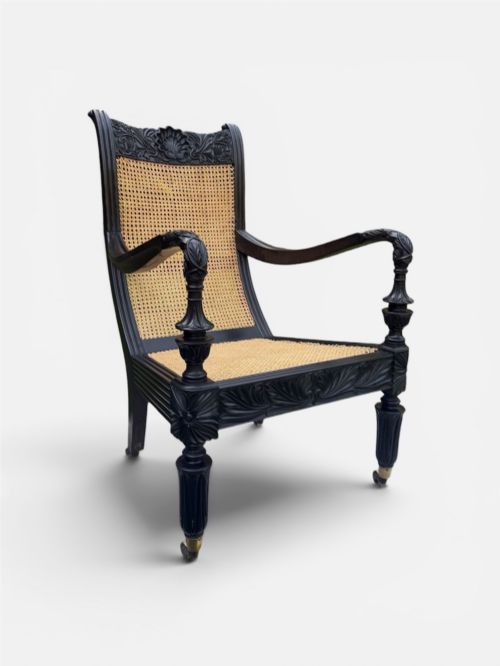
The selections span multiple centuries and design movements, reflecting how different eras interpreted dark wood furniture. Victorian, Aesthetic Movement, and Regency pieces sit alongside rustic Windsor chairs and intricately carved oriental armchairs.
Makers and designers from history utilised dark finishes to accentuate clean lines or mimic expensive exotic woods. This creates a diverse group of seating where simple country pieces share space with elaborate revival designs.
Materials and Construction
Craftsmen built these chairs using a foundation of hardwoods such as oak, beech, walnut, ash, and elm, often applying a black paint or ebonising finish to the surface. Some examples utilise solid ebony or exotic oriental hardwoods left in their natural dark state.
Construction techniques vary according to the origin and period, combining traditional joinery like mortise and tenon with applied decorative elements. Artisans incorporated secondary materials such as cane seats, leather coverings, brass details, and velvet upholstery to add texture and comfort.
The listings span from the 17th century through the early 20th century, encompassing Victorian, Regency, and Arts and Crafts movements.
Judging the Standard
The level of refinement in the carving, the crispness of applied gilt details, and the integrity of the original surface finish separate standard examples from finer works. Superior pieces retain their original upholstery materials, cane work, and structural stability without unnecessary modern replacements.
Attribution to notable designers or workshops elevates certain pieces, as seen in documented examples from prominent nineteenth-century makers. The harmony of proportions and the weight of the timber further distinguish workshop production from mass manufacturing.
William Morris·Philip Webb·Hindley and Sons·Collier and Plucknett·Bruce J. Talbert·Maple and Co
The Black Wooden Chair Glossary
- Ebonised
- Wood treated with a chemical stain or black paint to imitate expensive ebony. This finish became particularly popular during the Victorian and Aesthetic periods.
- Cane
- Woven rattan or split plant material used to form light, flexible seats and backs. It requires careful handling to preserve its original tension.
- Sabre Leg
- A concave, outward-curving furniture leg tapering toward the foot, commonly found on Regency dining and hall chairs. It provides a graceful stance derived from ancient Greek furniture.
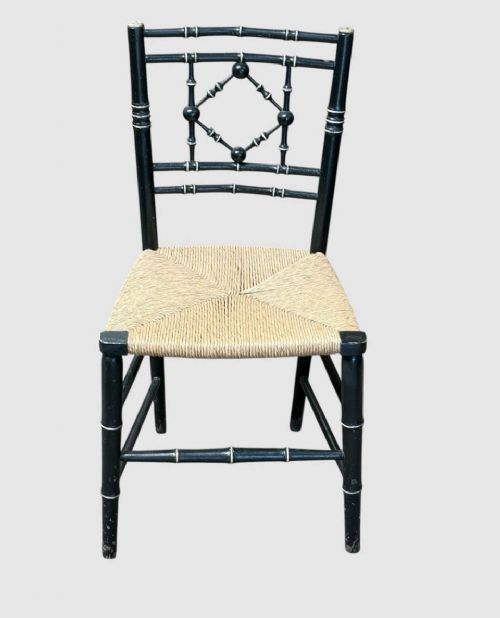
- Faux Bamboo
- Wood turned and carved to resemble natural bamboo stalks. This decorative technique flourished during the nineteenth century under Asian design influences.
Black Wooden Chair: Frequently Asked Questions
How do I care for ebonised wood?
Dust regularly with a soft cloth and avoid placing the timber in direct sunlight or near heat sources, which can cause the black finish to fade or crack.
Apply a gentle, wax-free polish sparingly when the wood appears dry, rubbing it in thoroughly to maintain a soft sheen without building up residue.
Are these chairs suitable for daily use?
Many of these pieces were built for everyday seating and remain sturdy, but older frames require a sensible assessment of their joints and overall stability.
Delicate items with cane seats or intricate carved details function best in low-traffic areas or serve primarily as decorative accent pieces.
How do I identify an Aesthetic Movement chair?
Look for clean structural lines, ebonised surfaces, and details inspired by Japanese art, often featuring geometric forms or faux bamboo turnings.
These pieces frequently incorporate contrasting gilt highlights or incised decoration that set them apart from heavier traditional Victorian furniture.