




Antique Earthenware Animal
These antique earthenware animal figures span centuries of domestic modelling, from Staffordshire poodles to Han Dynasty guardians.
Antique Earthenware Animal
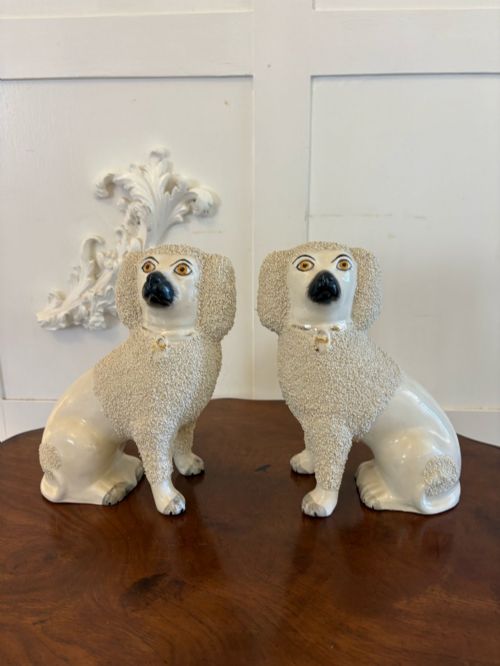
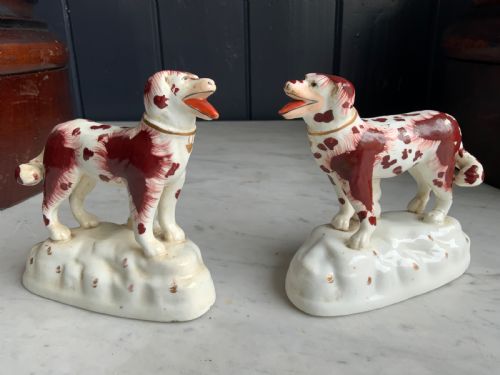
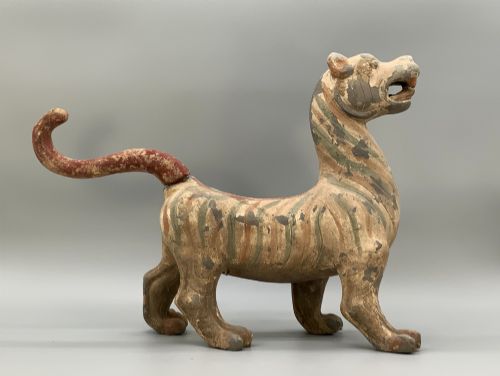
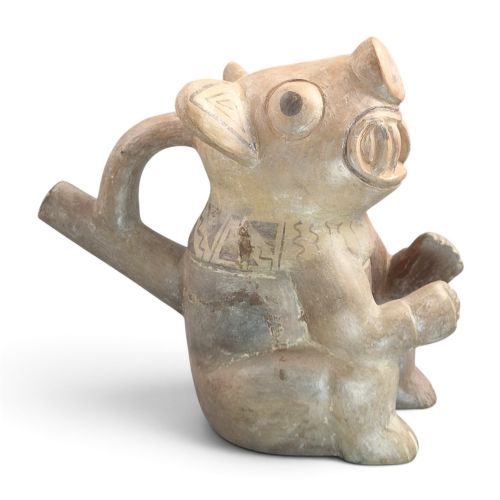
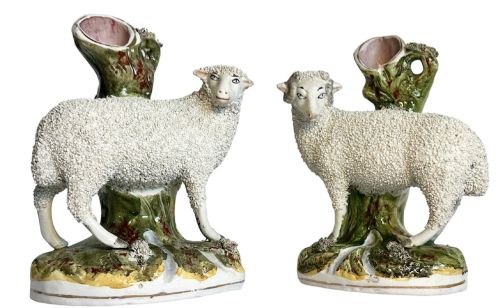
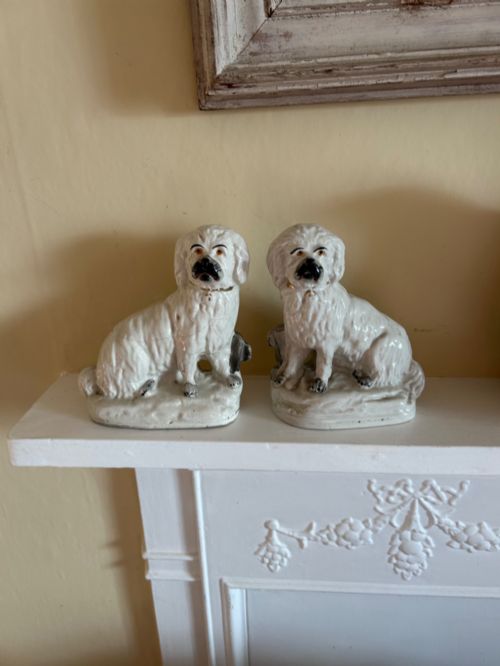
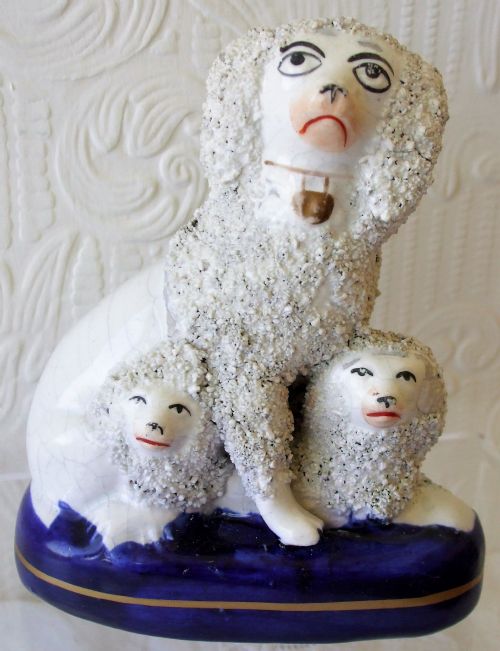
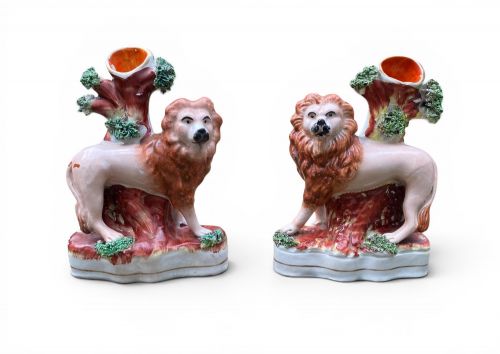
When you search for an antique earthenware animal, you encounter a diverse group of sculptural objects, vessels and tiles originating from various cultures and centuries. The selection ranges from ancient tomb figures and pre-Columbian vessels to nineteenth-century Staffordshire poodles, lions, and zebras created for domestic display. English Staffordshire pottery figures dominate the selection, often appearing in symmetrical pairs intended for mantelpieces.
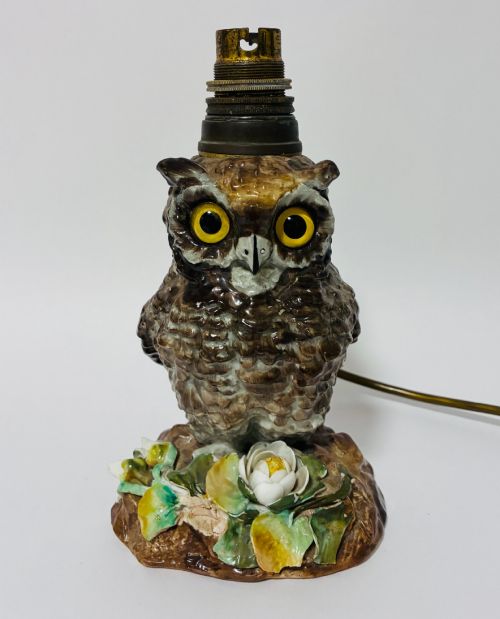
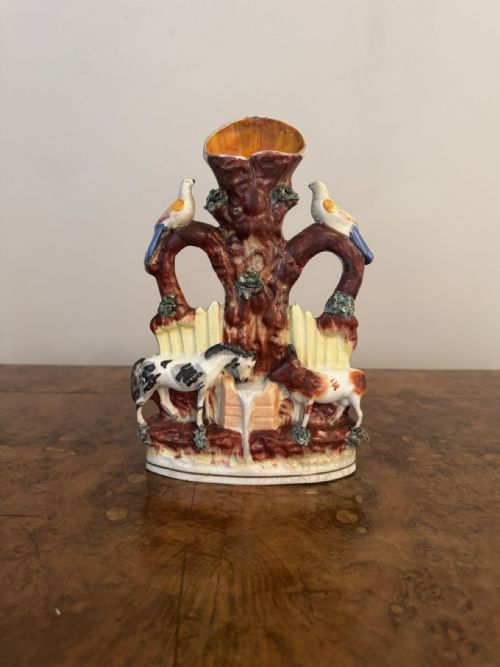
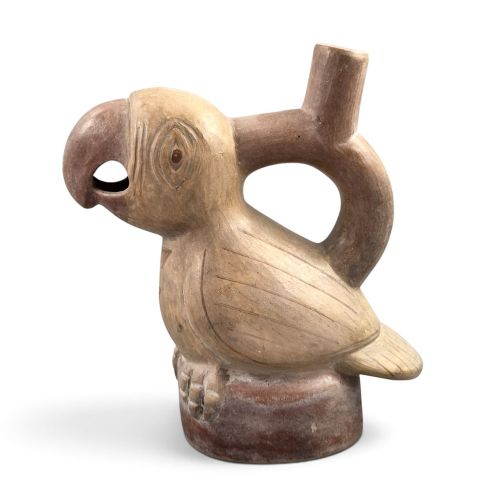
Beyond British ceramic dogs and lions, the inventory includes Dutch Delftware cows, Italian terracotta cockerels, and French pig sculptures. Functional items such as spill vases, inkwells, lamp bases, and children's alphabet mugs integrate animal forms into everyday domestic use. Ancient examples extend the scope to Chinese Han Dynasty mythical beasts and pre-Columbian ornithomorphic vessels.
How they were made
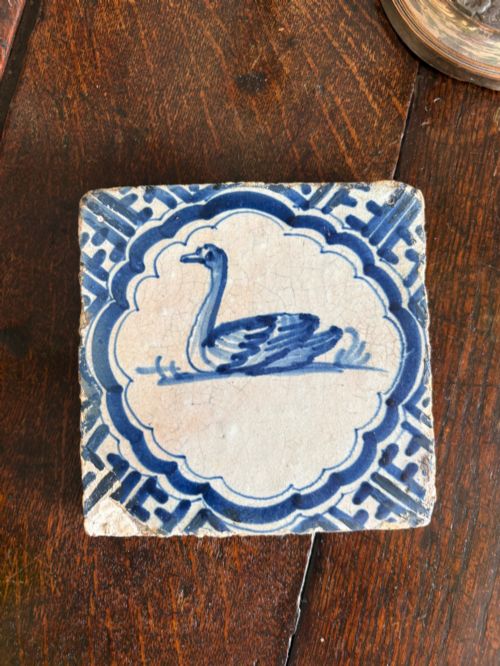
Potters shaped these figures using earthenware, pearlware, and terracotta, applying glazes, enamels, and lead glazes to seal the porous clay body. Many nineteenth-century Staffordshire pieces receive hand-painted details over a white or cream glaze, while others employ rich treacle glazes or blue and white pigments under Dutch and English traditions.
Earlier archaeological examples rely on painted terracotta and ancient firing techniques, visible in the pigment adhering to Han Dynasty guardian figures and pre-Columbian vessels. Mould-pressing and hand-modelling both contributed to the final forms, allowing workshops to produce uniform pairs of animals alongside individually modelled sculptures.
Materials represented across the listings span earthenware, terracotta, pearlware, and lead glaze.
What varies in quality
The standard of modelling defines the upper tier of these figures, separating lively, naturalistic anatomical details from stiff or heavy-handed casting. Superior pieces retain crisp facial expressions, careful fur texturing, and well-executed hand-painting that does not bleed past the moulded outlines.
Completeness and original pairing also determine distinction, as matched pairs of lions, poodles, or zebras hold greater visual harmony than single survivors. The sophistication of the glaze application, from deep treacle surfaces to precise blue and white Delft painting, further elevates the work of particular potteries.
Rockingham Pottery·Bernard Bloch
The Antique Earthenware Animal Glossary
- Earthenware
- Porous pottery fired at relatively low temperatures and typically covered with a glaze to render it waterproof. It forms the base material for the majority of nineteenth-century domestic figures.
- Pearlware
- A refined type of earthenware developed in the eighteenth century featuring a thin glaze with a slight bluish tinge. It provides a whiter surface than standard creamware.
- Spill Vase
- A hollow ceramic figure incorporating an attached upright cylinder designed to hold wooden spills for lighting candles or fires. Pairs of sheep and lions frequently take this form.
- Terracotta
- Unglazed or glazed fired clay of a brownish-red colour utilised for sculptural figures and vessels. It appears in pieces ranging from Italian cockerels to Austrian pugs.
- Delftware
- Tin-glazed earthenware originating in the Netherlands, traditionally decorated in blue and white pigments. It accounts for painted tiles and animal figures such as pottery cows.
- Treacle Glaze
- A dark, translucent brown lead glaze that produces a glossy, rich surface appearance. It frequently coats nineteenth-century lions and dogs.
Antique Earthenware Animal: Frequently Asked Questions
How do I identify genuine Staffordshire animals?
Examine the modelling, weight, and glaze characteristics of the piece. Nineteenth-century figures usually display earthenware or pearlware bodies with hand-applied enamel decoration.
Look for vent holes on the underside, which allowed steam to escape during the kiln firing process. Authentic examples exhibit appropriate crazing and wear consistent with age rather than uniform modern casting.
Were these animals meant for display?
Most ceramic animal figures served as decorative ornaments intended for mantelpieces, side tables, and shelves in Victorian parlours. Symmetrical pairs were specifically manufactured to flank fireplace openings.
Other objects combined ornament with utility, functioning as spill vases, inkwells, lamp bases, or children's drinking mugs.
How should I clean my earthenware figures?
Dust the surface gently with a soft, dry brush or a microfiber cloth. Avoid using water or liquid cleaning agents, as moisture can penetrate old crazed glazes and damage the porous earthenware beneath.
Keep figures away from direct sunlight and damp environments to protect the painted enamels and prevent further deterioration of the clay.
What is the difference between earthenware and porcelain?
Earthenware is made from coarser clay fired at lower temperatures, resulting in a porous body that requires a glaze to hold liquids. Porcelain utilises refined kaolin clay fired at much higher temperatures until vitrified.
Staffordshire poodles and lions described as earthenware or pearlware differ fundamentally in weight and opacity from harder porcelain counterparts.