
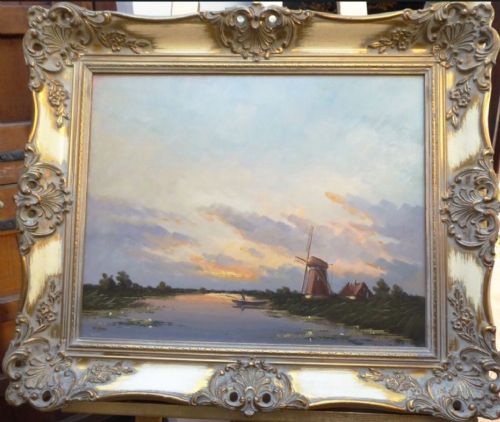


Antique Dutch Landscape Artwork
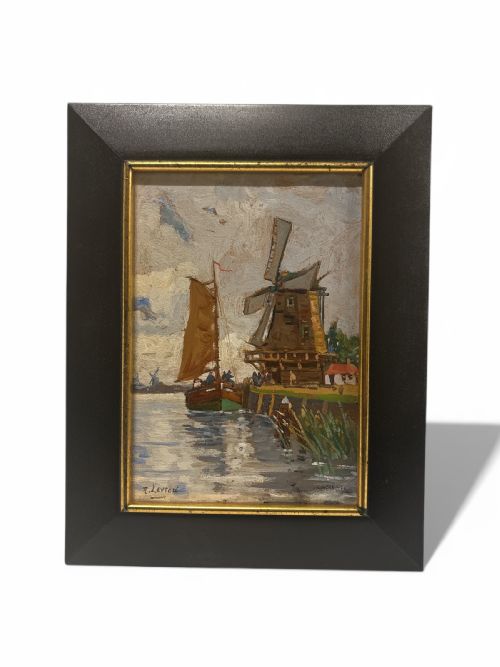
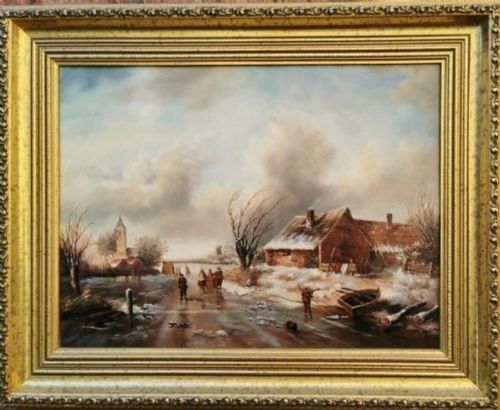
When you search for antique dutch landscape artwork, you encounter centuries of frozen canals, windmills, and coastal shipping rendered in oil paint and watercolour.
Antique Dutch Landscape Artwork
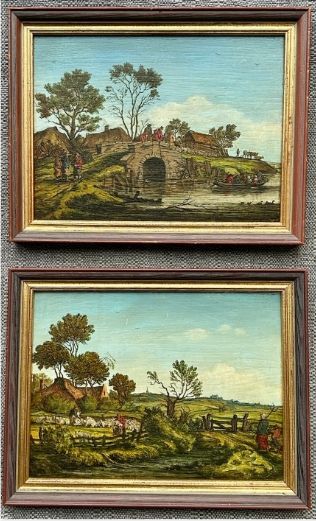
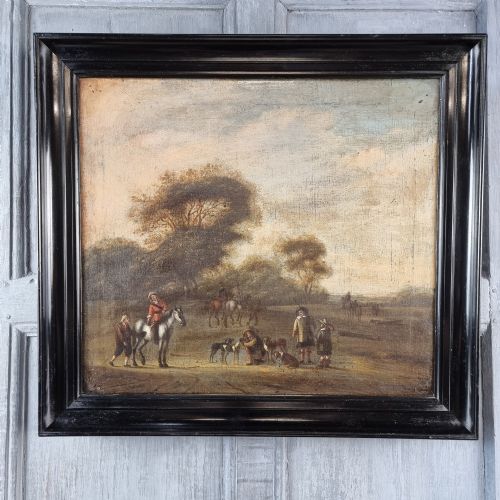
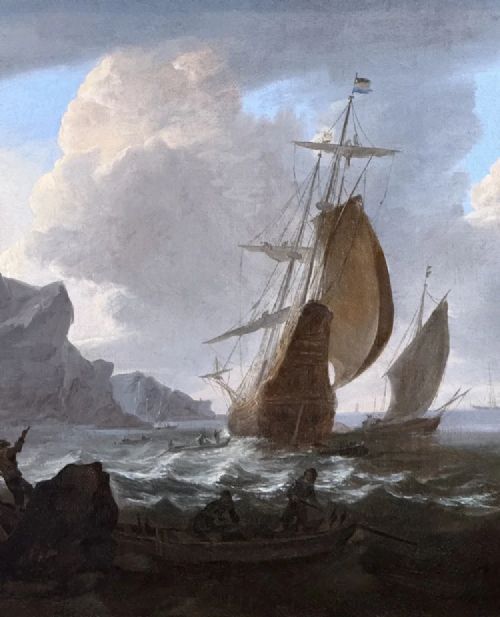
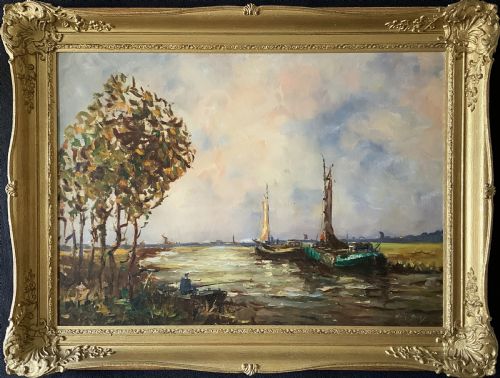
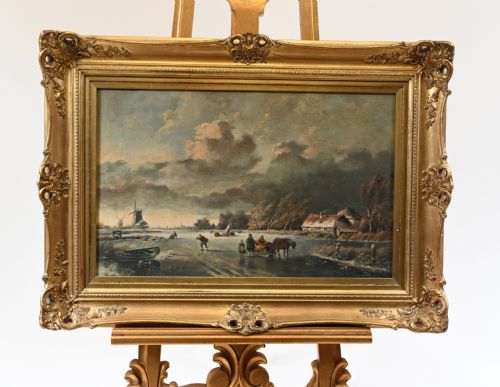
An antique dutch landscape artwork captures the distinct topography, waterways, and atmospheric light of the Low Countries through traditional painting methods. Buyers most frequently meet 19th century and 17th century works on this page, spanning calm river scenes, maritime views, and winter townscapes.
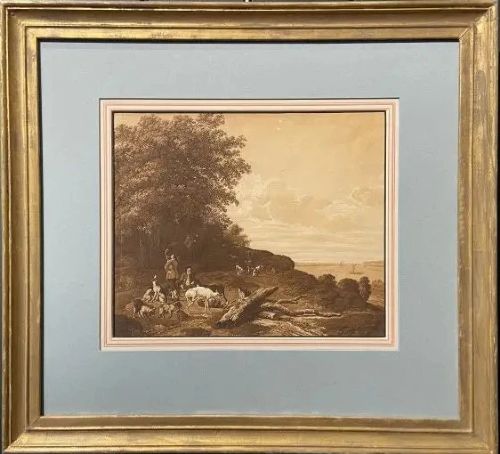
The subjects range from intimate forest paths and rural tracks with figures to bustling canal views of Rotterdam and Middelburg. Works vary from small wood panel studies to larger canvas compositions executed in styles from the Dutch Golden Age to later Impressionist interpretations.
How they were made
Artists built these compositions primarily using oil paint applied to prepared canvas, wood panels, or occasionally paper supports. Many of the period works employ layered glazes to achieve luminous skies and deep water reflections characteristic of the regional schools.
Frames form an integral part of the physical object, frequently constructed from wood with gilt, giltwood, or gold leaf finishes that complement the palette of the painting within.
Current listings feature oil paint and watercolours on wood, canvas, and paper spanning the seventeenth to the twentieth century.
What varies in quality
The distinction between ordinary and exceptional works rests upon brushwork confidence and atmospheric depth. Superior examples demonstrate a secure command of light over water and sky, whereas lesser pieces rely on formulaic repetition without observational vitality.
Compositional balance and the preservation of the original paint surface determine the standing of a piece within its period. Signatures and attribution to listed artists further elevate the standing of works originating from recognised Dutch and Flemish traditions.
Bonaventura Peeters·Johannes Lingelbach·Pieter Cornelis Dommersen·Cornelis Van Poelenburgh·Abraham Hulk Snr·James de Rijk
The Antique Dutch Landscape Artwork Glossary
- Oil on Canvas
- Pigment mixed with drying oil applied to stretched fabric. This medium allows for rich blending and textured impasto application.
- Wood Panel
- A rigid flat wooden support used frequently for earlier paintings before canvas predominated. Panels often exhibit subtle grain patterns beneath thin oil glazes.
- Giltwood
- Wood carved and coated with gold leaf or metallic powder. This material provides the traditional reflective border for framing historical fine art.
- Dutch School
- A broad designation covering painters working in the Netherlands from the seventeenth century onward. The term encompasses shared motifs including low horizons and expansive skies.
Antique Dutch Landscape Artwork: Frequently Asked Questions
How do I identify a 17th century piece?
Seventeenth century works typically display specific grounding techniques, darker priming layers, and subject matter rooted in the Golden Age tradition.
Examination of the panel or canvas weave alongside stylistic traits often clarifies the historical context of the execution.
What is a canalscape?
A canalscape focuses on the waterways, barges, and urban architecture lining Dutch rivers and town channels.
These compositions frequently highlight maritime traffic, bridges, and the flat horizons characteristic of the Netherlands.
Are these works usually signed?
Many pieces feature artist signatures, monograms, or inscriptions, though historical works occasionally remain unattributed or bear indistinct markings.
Absence of a signature does not diminish the quality of period brushwork if the handling matches recognised regional styles.
How should I display an oil painting?
Oil paintings on canvas or wood require stable indoor humidity away from direct sunlight and strong heat sources.
Proper wall placement protects both the delicate paint surface and the original gilt wood frame from environmental stress.