


Antique Dutch Chest of Drawers
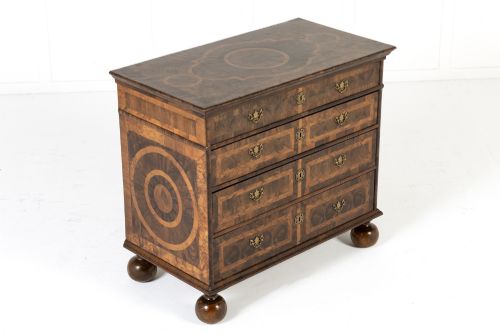
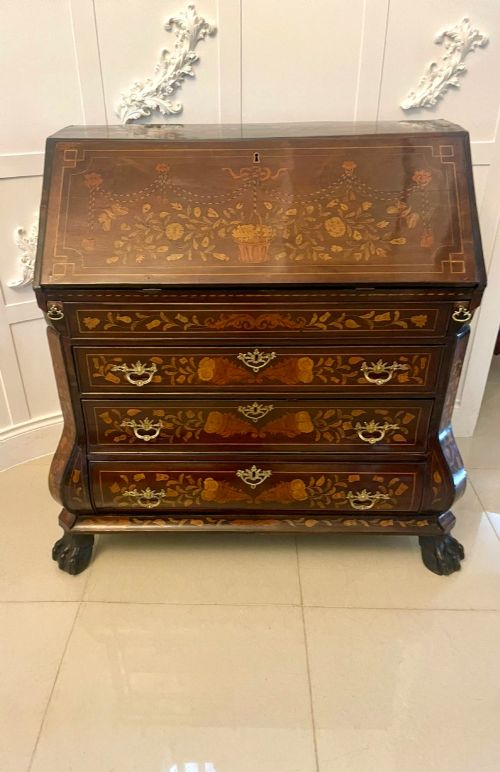
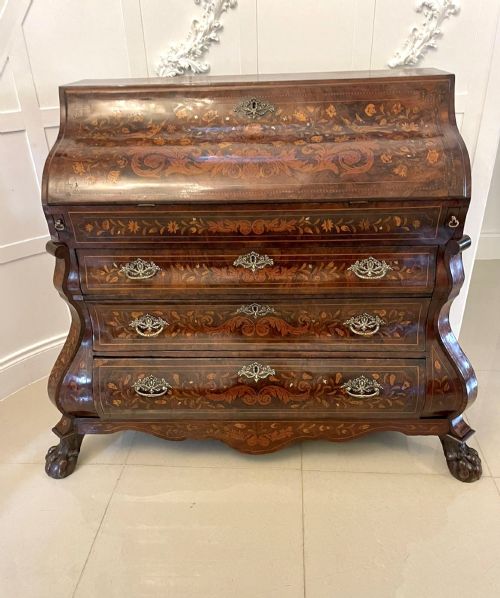
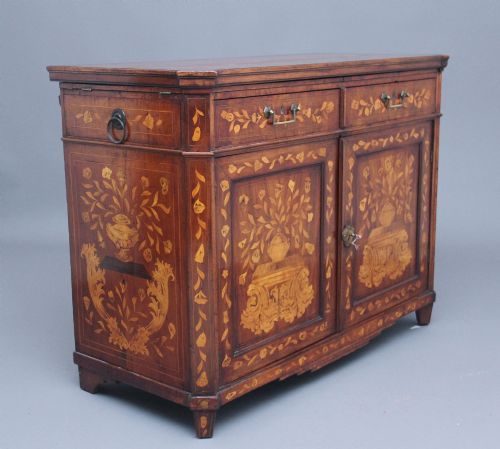
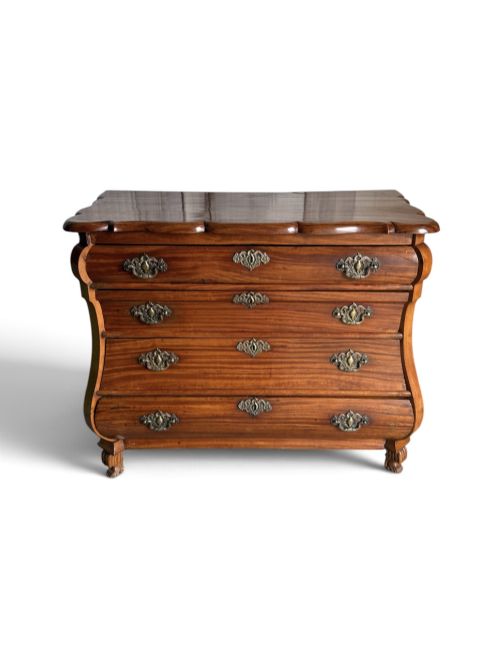
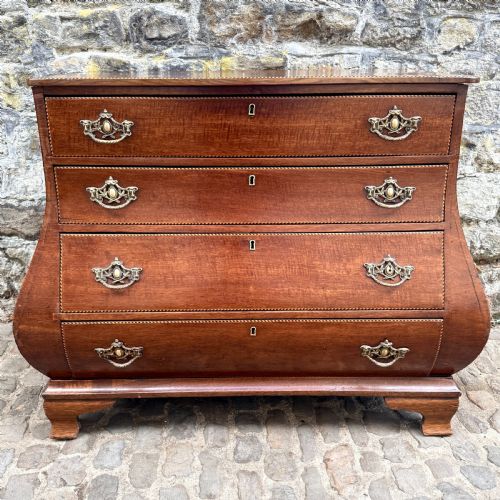
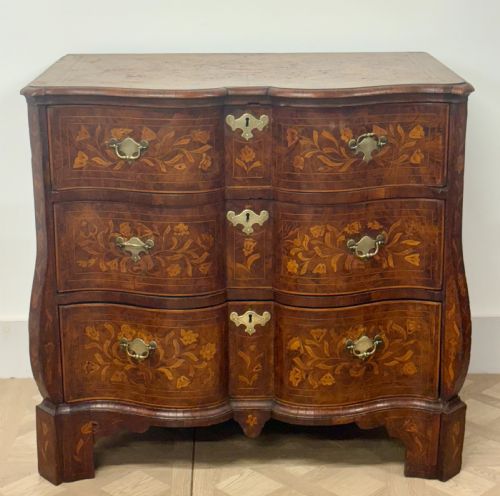
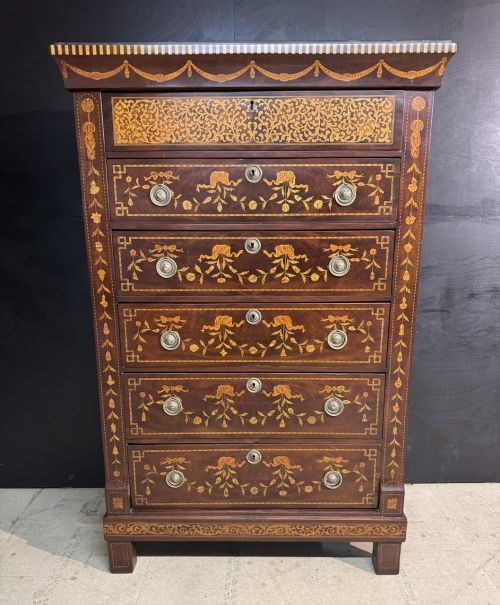
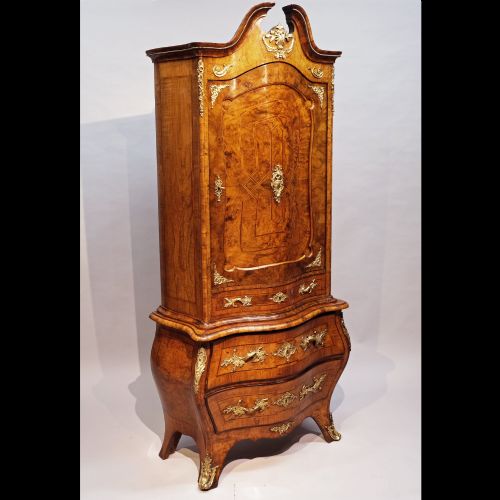
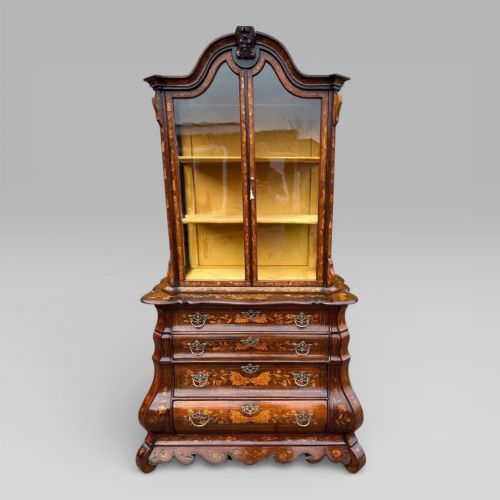
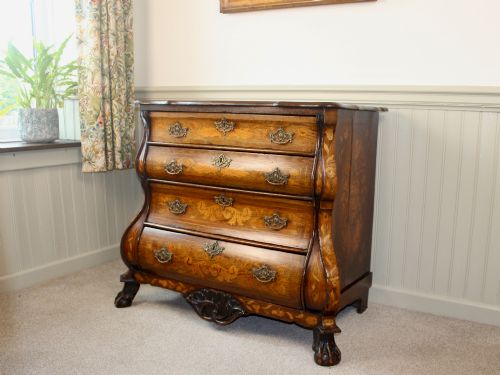
An antique dutch chest of drawers brings considerable presence to a room through its characteristic bombé silhouette and intricate marquetry.
Antique Dutch Chest of Drawers
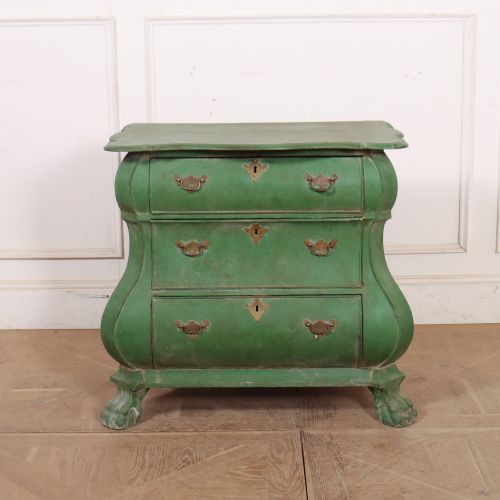
When searching for an antique dutch chest of drawers, collectors encounter substantial timber storage pieces defined by serpentine fronts and swelling outlines. The most common examples seen here date from the eighteenth and nineteenth centuries, often manifesting as bombé commodes or tall chests.
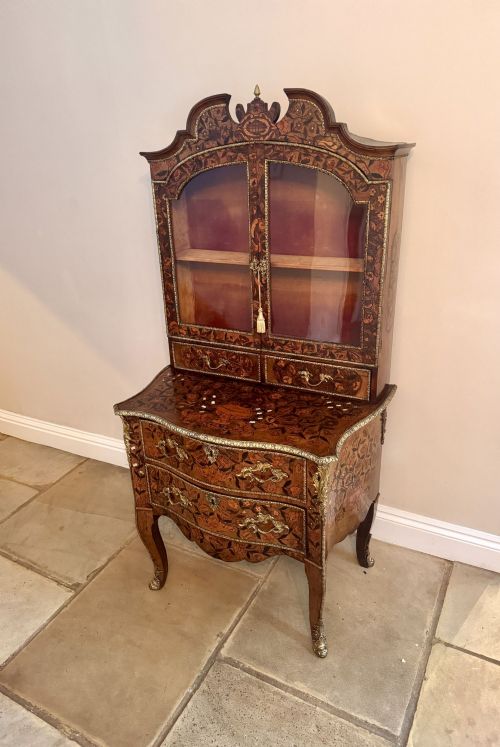
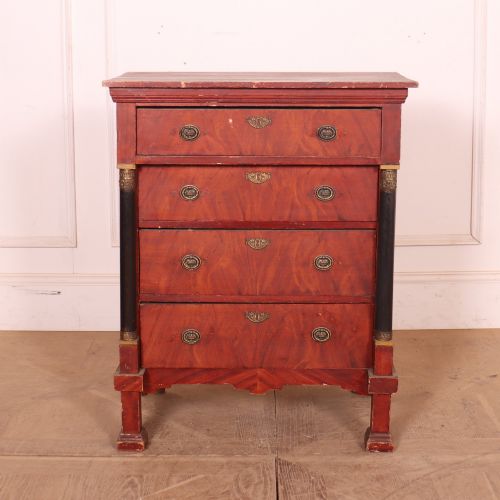
Makers utilised walnut, oak, and mahogany as primary timbers, frequently embellishing surfaces with floral marquetry or burr walnut veneers. Regional variations include colonial solid satinwood and elm iterations alongside painted wood finishes.
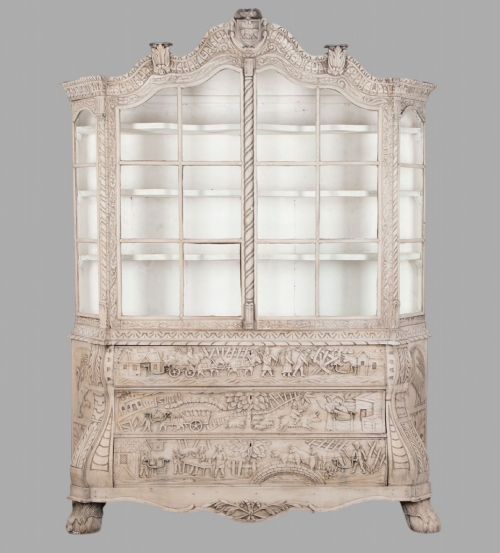
Beyond standard chests, related forms in this grouping comprise bureau bookcases, display cabinets, and tallboys. These pieces reflect stylistic shifts spanning Dutch Baroque, Rococo, Neoclassical, and Empire designs.
How these chests were made
Cabinetmakers constructed carcases using solid woods such as oak and pine, which provided structural stability for heavily curved forms. Drawer linings and secondary woods often consisted of local timbers like fruitwood or elm.
Veneering required skilled cutting of burr walnut, mahogany, or satinwood to create symmetrical grain patterns across curved drawer fronts. Marquetry specialists inlaid contrasting woods and brass to form intricate floral and botanical motifs.
The characteristic bombé shape relied on complex framework assembly to achieve the outward-swelling sides and serpentine profiles. Hand-cut dovetails joined drawer corners, while brass handles and escutcheons secured the operational hardware.
Antique Dutch Chest of Drawers Retail Price Guide 2026
Typical asking prices for dutch chest of drawers among the pieces listed under this phrase on Sellingantiques today, from the lower quarter to the upper quarter. They describe what is for sale here now, not the wider market.
Apprentice chests provided young woodworkers with a portable miniature canvas to prove their mastery before joining the guild.
What varies in quality
The sophistication of the marquetry separates superior examples from simpler ones, with finer pieces displaying complex floral detailing across the entire carcase rather than isolated panels. The choice of veneer also dictates standing, as dense burr walnut and figured mahogany command greater visual depth than plain painted wood.
Structural execution defines the upper tier of production, particularly the mastery required to shape a bombé silhouette without distortion of the drawers. Consistency in timber thickness and the integrity of the original brass mounts further distinguish workshop standards.
Edwards and Roberts
The Antique Dutch Chest of Drawers Glossary
- Bombe
- A swelling, outwardly curved furniture shape characteristic of eighteenth-century continental design. This profile requires advanced joinery to achieve the distinctive bulging sides and front.
- Marquetry
- The art of applying thin pieces of wood veneer to a structure to form decorative patterns. Craftsmen use contrasting timbers to depict floral and figurative scenes.
- Commode
- A low chest of drawers originating in France and widely adopted in Dutch cabinet making. These pieces typically feature multiple full-width drawers and elegant cabriole or bracket feet.
- Tallboy
- A tall chest of drawers consisting of one chest stacked upon another. This form maximises vertical storage space while maintaining a compact footprint.
- Burr Walnut
- Timber taken from a tree growth where the grain has grown in a deformed, swirling manner. It yields highly decorative veneer prized for rich figuring.
Antique Dutch Chest of Drawers: Frequently Asked Questions
How do I date a dutch chest?
Dating relies on examining construction methods, timber choices, and prevailing stylistic influences. Eighteenth-century pieces frequently display floral marquetry and walnut veneers.
Later nineteenth-century examples often adopt mahogany or painted finishes, reflecting Victorian and Empire revivals while retaining traditional forms.
Where were these chests used?
These storage pieces served principally in principal bedrooms and formal reception rooms of substantial homes. Their decorative marquetry made them centrepieces of interior display.
In contemporary settings, they function effectively in hallways, living rooms, and bedrooms as statement storage units.
How do I care for walnut veneer?
Walnut veneer requires stable environmental conditions away from direct sunlight and rapid temperature fluctuations. Maintaining moderate humidity prevents the delicate wood from splitting.
Application of traditional wax polish preserves the sheen of the timber without building up harmful residues on the antique surface.